Vista previa
 Compartir
 Compartir
 Ver detalles
 Guía
Guía

 Descargar
 Ver artículos similares
 Radiografía
 Presentación de diapositivas
 Estadísticas
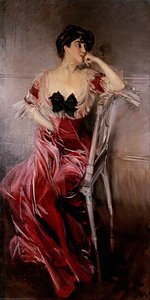
The Red Café
 Óleo sobre lienzo
- Arte de pared
- Impressionism
 1887
1887- Siglo XIX
 113.0 x 125.0 cm
Experience the vibrant energy of Giovanni Boldini's 1887 masterpiece, The Red Café, capturing Belle Époque life with bold brushstrokes; discover this iconic scene today.
 Leer más
Descubre a Giovanni Boldini (1842-1931), el 'Maestro del Trazo', retratista italiano de la Belle Époque. Explora sus elegantes retratos y paisajes impresionistas.
Reproducción al óleo hecha a mano
Óleo sobre lienzo pintado a mano en el tamaño y marco de su elección, realizado por encargo por nuestros artistas. ( Cambiar a formato impreso Ver versión en imagen digital)




P118B €10

P118H €10

P118W €10

P438Z €10

P508JH €12

P508YH €12

P805H €10

P805Z €10

P919BZ €10

P919G €10

P919XJ €10

P959ZH €10

P968JZ €12

W106C €8

W218G €10

W218JH €8

W218Y €10

W307PJ €10

W316G €10

W316PJ €8

W316Y €10

W398PJ €8

W4111J €10

W500HY €15

W500JH €15

W692G €12

W849H €8

W940BG €15

W953PJ €8




Estándar
personalizado
CM
INCH
Elija entre nuestros tamaños predefinidos que respetan las proporciones originales de la obra.
Loading sizes...

ancho
altura
Escriba el ancho y el alto que necesite para adaptarse a su marco o a su pared. Al ser una obra pintada a mano, para un tamaño con una forma distinta, el artista puede pintar un poco más alrededor de la imagen o recortar un poco; usted elige. Le enviaremos una maqueta digital para su aprobación antes de comenzar la pintura. La imagen que se muestra en esta página no refleja el resultado real; solo la maqueta lo hace.
Ejemplos de lo que se puede personalizar: Reemplace el rostro con una foto del cliente; Agregue una mascota (por ejemplo, cambie un gato por un perro); Incluya un mensaje oculto en el fondo; Cambie el paisaje o los elementos del fondo.
Tras realizar el pedido, el equipo de TopImpressionists.com enviará un correo electrónico al cliente para solicitar instrucciones y proporcionarle una vista previa del boceto.
Tras realizar el pedido, el equipo de TopImpressionists.com enviará un correo electrónico al cliente para solicitar instrucciones y proporcionarle una vista previa del boceto.
Envío a todo el mundo () en 3-4 semanas en lugar de las 5 semanas estándar. (22 octubre). Sin comprometer la calidad.

Envío exprés gratuito a todo el mundo

Lienzo de lino de alta calidad

Seguro de envío completo

Garantía de reembolso de impuestos aduaneros

Garantía de fidelidad cromática exacta

Política de devolución de 100 días (solo por defectos)

Garantía de devolución del 100% del dinero

Oferta por volumen
 La opción de vidrio solo está disponible en tamaños inferiores a 110 cm.

The Red Café
Técnica de reproducción
Tamaño de la reproducción
-


Precio total
€ 236
The Vibrant Pulse of Belle Époque Life
To stand before Giovanni Boldini's The Red Café is not merely to observe a painting; it is to step directly into the effervescent heart of late nineteenth-century Parisian society. This oil on canvas, executed in 1887, captures more than just a gathering of people within richly colored walls—it arrests a moment of pure, unadulterated conviviality. The air itself seems thick with whispered conversations, the clinking of unseen glasses, and the vibrant energy that characterized the Belle Époque. Boldini, ever the master chronicler of human interaction, has gifted us a scene brimming with life, where every gesture tells a story.
Mastery in Brushstroke and Color
Technically, The Red Café is a dazzling display of Boldini's unparalleled skill. His signature touch—those bold, confident brushstrokes—are visible upon closer inspection, lending the entire composition a palpable sense of movement and spontaneity. The choice of oil on canvas allowed him to build up layers of color that vibrate against one another. Notice how the deep, enveloping red of the café walls serves not as a mere backdrop, but as an active participant in the drama, intensifying the warmth and intimacy of the scene. Light plays across the figures, catching the sheen of fabric and the animated expressions on their faces, giving the entire tableau a remarkable depth that seems to breathe off the canvas.
A Study in Social Dynamics
The composition itself is a masterful arrangement of humanity. People are depicted in various states: some seated at tables, perhaps deep in discussion; others standing, caught mid-laugh or engaged in animated exchange. The inclusion of empty chairs and casually placed handbags subtly grounds the scene in reality, suggesting that this moment, while captured forever, was merely one pause in a continuous flow of social engagement. Boldini possesses an uncanny ability to capture not just portraits, but the very spirit of the gathering—the shared joy, the intellectual sparring, and the effortless elegance of those who frequented such fashionable haunts.
Echoes for the Modern Collector
For the contemporary admirer or designer, The Red Café offers more than just aesthetic beauty; it offers an emotional resonance. It speaks to the enduring human need for connection and shared experience. Reproducing this work allows one to bring a piece of historical glamour into modern living spaces. Imagine its presence in a grand salon or a richly decorated dining area—it acts as a vibrant focal point, instantly elevating the atmosphere with its palpable sense of history and sophisticated gaiety. It is an invitation to pause, reflect on connection, and bask in the enduring allure of human company.
Preguntas y respuestas
¿Cómo se relacionan entre sí los colores de "The Red Café"?
"The Red Café" de Giovanni Boldini presenta una armonía de color Paleta de tonos suaves.
¿Qué edad tenía Giovanni Boldini cuando se creó "The Red Café"?
Giovanni Boldini realizó "The Red Café" a la edad de 45. El artista nació en 1842 y la obra data de 1887.
¿Qué origen nacional sustenta el Impressionism de "The Red Café"?
"The Red Café" conecta el movimiento Impressionism con Italia a través del lugar de nacimiento de su creador.
Obras relacionadas


Biografía del artista
Primeros años y formación
Giovanni Boldini, pintor italiano de género y retratos, nació el 31 de diciembre de 1842 en Ferrara, Italia. Su padre, un pintor de temas religiosos, fomentó su temprano interés por el arte. En 1862, Boldini se trasladó a Florencia durante seis años para estudiar y dedicarse a la pintura, donde conoció a los macchiaioli, un grupo de pintores realistas italianos que fueron precursores del impresionismo.Carrera artística
El estilo artístico de Boldini se caracterizó por su respuesta fluida y espontánea a la naturaleza, como se ve en sus paisajes. Sin embargo, fueron sus retratos los que le valieron un amplio reconocimiento. Se hizo conocido como el "maestro del trazo", un título acuñado por Time Magazine en 1933.Obras notables y exposiciones
- El retrato de Giovanni Boldini de la condesa de Rasty recostada (impresionismo) es un ejemplo notable de su obra, que muestra su capacidad para capturar la esencia de sus sujetos.
- En 1897, tuvo una exposición individual en Nueva York, lo que consolidó aún más su reputación como retratista.
- Participó en la Bienal de Venecia en 1895, 1903, 1905 y 1912, demostrando su compromiso con el mundo del arte.
Influencias y desarrollo artístico
Boldini inicialmente se formó bajo la influencia de los macchiaioli, adoptando sus técnicas realistas y su enfoque en la observación directa de la naturaleza. Sin embargo, a medida que evolucionaba su carrera, desarrolló un estilo más libre y expresivo, influenciado por el impresionismo y el arte japonés. Su habilidad para capturar el movimiento y la luz se convirtió en una característica distintiva de sus retratos, especialmente aquellos realizados durante su período parisino.Legado e importancia histórica
Giovanni Boldini falleció el 11 de julio de 1931 en París, dejando atrás un legado como uno de los pintores de retratos más elegantes de su tiempo. Su obra continúa inspirando a artistas y entusiastas del arte por igual.- Explore más obras de Giovanni Boldini en [https://TopImpressionists.com/@/giovanni-boldini].
- Descubra el Museo Giovanni Boldini (Italia) y su importancia en el arte italiano en [https://TopImpressionists.com/@@/a@d3astr-museo-giovanni-boldini-(italy)-a-hidden-gem-of-italian-art].

Giovanni Boldini
1842 - 1931 , Italia
Datos clave
- Artistas Influyentes: ['Macchiaioli']
- Estilo Artístico: Impresionismo, Realismo
- Fecha De Fallecimiento: 11 de julio de 1931
- Fecha De Nacimiento: 31 de diciembre de 1842
- Lugar De Nacimiento: Ferrara, Italia
- Nacionalidad: Italiana
- Nombre Completo: Giovanni Boldini
- Obras Notables: ['La condesa de Rasty reclinada']
Artículos relacionados

The Soul of Impressionism: Why Oil on Canvas Captures Eternal Light and Timeless Emotion
Discover the enchanting alchemy of Impressionism. Explore how the mastery of oil on canvas, through glazing and impasto, captures eternal light and emotion. Perfect for lovers of Monet and Van Gogh seeking the profound depth of hand-painted fine art.

The Elegance of Art Nouveau: Embracing Nature's Fluid Beauty and the Belle Époque Spirit
Discover the enchanting world of Art Nouveau. Explore the organic beauty, flowing lines, and Belle Époque elegance that defined an era of unparalleled craftsmanship and natural inspiration.
Explore obras de arte organizadas por temas, estilos y características.