

 Ver en contexto
 Enviar
 Compartir
 Detalles
 Guía
Guía

 Descargar
 Similares
 Radiografía
 Presentación de diapositivas
 Q&A
Q&A Estadísticas
Minuet


Experience the elegance of Rococo art! Giovanni Domenico Tiepolo's 'Minuet,' painted in 1756, captures a lively Venetian ballroom scene with vibrant colors and masterful composition.
 Ver más
Descubre a Giovanni Domenico Tiepolo, maestro del Rococó y heredero de Titian! Frescos venecianos y pinturas míticas llenas de elegancia y arte.
Giclée / Impresión de arte
Impresiones giclée o en lienzo de calidad de museo con producción rápida y opciones de acabado flexibles. ( Comprar pintura hecha a mano Cambiar a imagen digital)




P118B €10

P118H €10

P118W €10

P438Z €10

P508JH €12

P508YH €12

P805H €10

P805Z €10

P919BZ €10

P919G €10

P919XJ €10

P959ZH €10

P968JZ €12

W106C €8

W218G €10

W218JH €8

W218Y €10

W307PJ €10

W316G €10

W316PJ €8

W316Y €10

W398PJ €8

W4111J €10

W500HY €15

W500JH €15

W692G €12

W849H €8

W940BG €15

W953PJ €8




Tamaño estándar
a medida
CM
INCH
Elija entre nuestros tamaños predefinidos que respetan las proporciones originales de la obra.
Loading sizes...

ancho
altura
Introduzca el ancho y el alto que necesite para adaptarse a su marco o pared. Una impresión solo puede recortarse, nunca hacerse más grande que la imagen original, por lo que un tamaño con una forma distinta perderá parte de la obra. Le enviaremos una maqueta digital para su aprobación antes de realizar cualquier impresión. La imagen que se muestra en esta página no refleja el recorte real; solo la maqueta lo hace.
Envío a todo el mundo () en 2 semanas en lugar de las 4/5 semanas estándar. (1 noviembre)

Envío exprés gratuito a todo el mundo

Lienzo de lino de alta calidad

Seguro de envío total

Garantía de reembolso de aranceles aduaneros

Garantía de fidelidad cromática exacta

Política de devolución de 100 días (solo por defectos)

Garantía de devolución del 100% del dinero

Descuento por cantidad
 La opción de vidrio solo está disponible en tamaños inferiores a 110 cm.

Minuet
Giclée / Impresión de arte
Dimensiones de la reproducción
-


Precio total final
€ 61
A Symphony of Grace: The Rococo Splendor of Tiepolo’s Minuet
In the delicate dance of light and shadow, Giovanni Domenico Tiepolo’s 1756 masterpiece, "Minuet," invites the viewer into a world where the boundaries between the earthly and the divine dissolve. As a quintessential emblem of the Rococo movement, this work captures the very essence of eighteenth-century aristocratic elegance—a period defined by a thirst for frivolity, idealized beauty, and theatrical grandeur. To gaze upon this canvas is to step into the opulent social spheres of the Habsburg court, where every gesture is choreographed with refinement and every hue whispers of luxury. The painting does not merely depict a dance; it orchestrates an immersive experience, pulling the observer into a rhythmic celebration of life itself.
The composition is a masterclass in the Rococo aesthetic, characterized by its rejection of Baroque solemnity in favor of playful asymmetry and a luminous, pastel-driven palette. Tiepolo employs a breathtaking array of delicate creams, blush pinks, and shimmering golds that seem to glow from within, mirroring the sumptuous silks and intricate ornamentation found in the grandest European interiors. Through the expert use of trompe l'oeil techniques, the artist subtly blurs the lines between the painted surface and architectural reality, creating an illusionistic depth that makes the grand classical structures feel as though they are expanding into the viewer's own space. The light does not simply illuminate the figures; it dances across them, lending a palpable sense of atmosphere and movement to the entire scene.
Mythological Echoes and Symbolic Grandeur
Beyond its surface-level charm, "Minuet" is deeply interwoven with the mythological narratives that provided the intellectual backbone of the era. At the heart of this graceful ballet stands a statue of Diana, the goddess of hunting and chastity. This inclusion serves as a profound symbol of virtue and nobility, acting as a silent, watchful guardian over the festivities. The dancers and musicians, arranged in a rhythmic semi-circle, are positioned within an architectural setting reminiscent of ancient Roman temples, a deliberate choice by Tiepolo to ground the ephemeral joy of the dance in the eternal ideals of classical harmony and proportion. This juxtaposition suggests that even the most fleeting moments of human pleasure can be imbued with divine significance.
For the discerning collector or interior designer, "Minuet" offers more than just visual beauty; it provides a profound emotional resonance. The painting captures a sense of exuberant optimism and the effortless poise of a bygone era. Whether placed in a sun-drenched gallery or as a focal point in a sophisticated living space, a high-quality reproduction of this work brings with it an air of historical prestige and timeless sophistication. It is a piece that invites conversation, evoking the spirit of an age where art was a celebration of light, movement, and the enduring pursuit of grace.
Preguntas y respuestas
¿Cuál es la atmósfera general de "Minuet" de Giovanni Domenico Tiepolo?
"Minuet" de Giovanni Domenico Tiepolo se describe con un ambiente Elegant. Esta clasificación puede ayudar a combinar la obra con un entorno.
¿En qué etapa de la trayectoria de Giovanni Domenico Tiepolo se sitúa "Minuet", dada su fecha?
"Minuet", creada en 1756, pertenece al Mature Period de la trayectoria de Giovanni Domenico Tiepolo.
¿Qué artista y qué estilo definen a "Minuet"?
"Minuet" fue creada por Giovanni Domenico Tiepolo bajo el estilo Rococo Style. El artista y el movimiento definen la tradición de la obra.
Biografía del artista
Giovanni Domenico Tiepolo: Un Maestro del Fresco Rococó
Giovanni Domenico Tiepolo (30 de agosto de 1727 – 3 de marzo de 1804) fue un destacado pintor y grabador italiano de la República de Venecia. Es reconocido como una figura líder en el estilo rococó, heredando y expandiendo el legado de su renombrado padre, Giovanni Battista Tiepolo. Su carrera abarcó varias décadas, dejando atrás una rica obra caracterizada por colores vibrantes, composiciones dinámicas y elegantes representaciones de escenas mitológicas, retratos y paisajes.
Vida Temprana y Formación
Nacido en una familia artística, la vida temprana de Giovanni Domenico estuvo profundamente entrelazada con el mundo del arte. Su padre, Giovanni Battista Tiepolo, un celebrado pintor conocido por sus monumentales frescos, fue su principal mentor. Giovanni Domenico recibió una rigurosa formación bajo la guía de su padre, aprendiendo las técnicas y los matices estilísticos que moldearían su propio desarrollo artístico. También se benefició de la exposición a otros artistas notables de la época, incluyendo a Sebastiano Ricci y Federico Bencovich, ampliando aún más sus horizontes artísticos. Como joven, asistió frecuentemente a su padre en proyectos a gran escala, adquiriendo una valiosa experiencia práctica en la pintura al fresco.
Carrera Artística y Estilo
La carrera de Giovanni Domenico floreció durante el siglo XVIII. Se estableció como un artista habilidoso capaz de producir tanto obras independientes como contribuir a proyectos colaborativos. Si bien inicialmente trabajó estrechamente con su padre, gradualmente desarrolló su propio estilo distintivo, aunque conservando elementos de la estética rococó prevalente en el arte veneciano de la época. Su producción artística incluyó frescos, pinturas sobre lienzo y grabados.
- Frescos: Tiepolo fue particularmente renombrado por sus frescos, decorando numerosas ubicaciones a lo largo de Italia con elaboradas escenas. Ejemplos notables incluyen los frescos en Ca' Dolfin en el Gran Canal de Venecia y el techo de la iglesia Gesuati (Santa Maria del Rosario), también en Venecia.
- Pinturas: Más allá de los frescos, creó un número significativo de pinturas sobre lienzo, a menudo representando temas mitológicos o retratos. Ejemplos incluyen "Perseo y Andrómeda" (ver aquí), “El Rapto de Europa” (ver aquí) y "Cazador con Ciervo" (ver aquí).
- Grabados: Tiepolo también demostró su habilidad en el grabado, creando impresiones detalladas y expresivas como "Die heiligen Augustinus, Ludwig von Frankreich, Johannes Evangelist und Magnus" (ver aquí) y “Apotheosis de Hércules” (ver aquí).
Significado Histórico
Giovanni Domenico Tiepolo jugó un papel crucial en la continuación y evolución del arte rococó veneciano. Si bien fue eclipsado por la fama de su padre durante su vida, ahora es reconocido como un artista significativo por derecho propio. Sus frescos y pinturas ofrecen valiosas perspectivas sobre los gustos artísticos y los valores culturales del siglo XVIII en Venecia e Italia. Su capacidad para combinar temas clásicos con sensibilidades contemporáneas solidificó su lugar dentro del movimiento rococó, dejando atrás un legado de arte vibrante que continúa cautivando al público hoy en día.
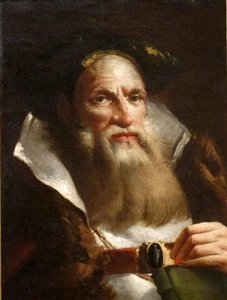
Giovanni Domenico Tiepolo
2007 - 1770 , Italia
Datos clave
- Artistas Que Influyeron: ['Giovanni Battista Tiepolo']
- Fecha De Fallecimiento: 3 de marzo de 1804
- Fecha De Nacimiento: 30 de agosto de 1727
- Lugar De Nacimiento: Venecia, Italia
- Movimiento Artístico: Rococó
- Nacionalidad: Italiana
- Nombre Completo: Giovanni Domenico Tiepolo
- Obras Notables:
- Perseo y Andromeda
- El Rapto de Europa
- Cazador con Ciervo
- Die heiligen Augustinus
- Apolo y Diana
- Apoteosis de Hércules
Artículos relacionados

The Elegance of Rococo: A Journey Through Pastel Dreams and Ornate Splendor
Embark on an elegant journey through the Rococo era. Discover the delicate beauty of pastel masterpieces, the intricate artistry of 18th-century French masters, and how this era of ornate splendor continues to inspire timeless luxury in fine art collecting.

Golden Light & Rich Color: The Timeless Magic of Venetian Renaissance Art
Explore the luminous beauty of Venetian Renaissance art. Discover how masters like Titian used colorito and golden light to redefine painting through texture, emotion, and atmospheric brilliance in a masterclass of historical artistry.
Explore obras de arte organizadas por temas, estilos y características.


