Atelier — Envío gratuito a todo el mundo — Entrega en 2–6 semanas
Convierte tu foto en pintura Lista de deseos Carrito
Vista previaVista previa Vista previa en RAVista previa en RA Cambiar a pintura hecha a mano Cambiar a pintura hecha a manoCambiar a imagen Cambiar a imagen CompartirCompartir
Ver detallesVer detalles Añadir a favoritos Añadir a favoritos DescargarDescargar Ver similaresVer similares RadiografíaRadiografía Presentación de diapositivasPresentación de diapositivas

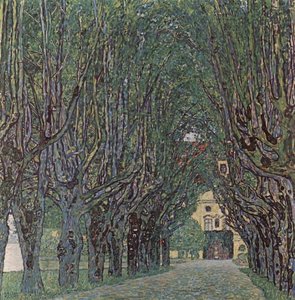
untitled (4554)

Descubre 'untitled (4554)' de Gustav Klimt – una impresionante obra maestra Art Nouveau que celebra las flores y un fascinante fondo mosaico. Explora la belleza del estilo único de Klimt.

Descubre Gustav Klimt (1862-1918): ícono austriaco del Simbolismo y Art Nouveau. Explora su icónica fase dorada, retratos femeninos y obras maestras como 'El Beso'. Arte sensual y decorativo.

Giclée / Impresión de arte

Impresiones giclée o en lienzo de calidad de museo con producción rápida y opciones de acabado flexibles. (Cambiar a pintura hecha a mano Cambiar a pintura hecha a manoCambiar a imagen Cambiar a imagen)

P118B $10
P118H $10
P118W $10
P438Z $10
P508JH $12
P508YH $12
P805H $10
P805Z $10
P919BZ $10
P919G $10
P919XJ $10
P959ZH $10
P968JZ $12
W106C $8
W218G $10
W218JH $8
W218Y $10
W307PJ $10
W316G $10
W316PJ $8
W316Y $10
W398PJ $8
W4111J $10
W500HY $15
W500JH $15
W692G $12
W849H $8
W940BG $15
W953PJ $8

Standard
custom
CM
INCH

Elija entre nuestros tamaños predefinidos que respetan las proporciones originales de la obra.

ancho
altura

Puede introducir sus propias dimensiones para adaptarse a un marco o espacio específico. Si el tamaño seleccionado no coincide con las proporciones de la imagen original, recortaremos la obra de arte o extenderemos la imagen con un borde con efecto espejo o de color sólido. Se enviará una maqueta digital para su aprobación antes de que comience la producción.
Tenga en cuenta que la vista previa en pantalla no refleja el recorte o la extensión real. Solo la maqueta mostrará con precisión la composición final.
Aunque existen tamaños personalizados, recomendamos seleccionar una dimensión de la lista predefinida para preservar las proporciones originales.

Envío a todo el mundo () en 2 semanas en lugar de las 4/5 semanas estándar. (1 agosto)

why_choose_icon
Envío exprés gratuito a todo el mundo
why_choose_icon
Lienzo de lino de alta calidad
why_choose_icon
Seguro de envío completo
why_choose_icon
Garantía de reembolso de aranceles aduaneros
why_choose_icon
Garantía de fidelidad cromática exacta
why_choose_icon
Política de devolución de 60 días (solo por defectos)
why_choose_icon
Garantía de devolución del 100% del dinero
why_choose_icon
Oferta por volumen

Precio total

$ 69

reproduction

untitled (4554)

Giclée / Impresión de arte

Tamaño de la reproducción

-

Precio total

$ 69

Datos clave

  • Artistic style: Art Nouveau
  • Subject or theme: Sunflower, mosaic wall
  • Movement: Vienna Secession
  • Title: untitled (4554)
  • Artist: Gustav Klimt

Cuestionario de arte

Cada pregunta tiene una única respuesta correcta.

Pregunta 1:
Based on the description, what artistic movement is this painting most closely associated with?
Pregunta 2:
The photo description mentions a specific design element in the background of the painting. What is it?
Pregunta 3:
Gustav Klimt was a founding member of what artistic movement?
Pregunta 4:
What was Gustav Klimt's father's profession?
Pregunta 5:
The description highlights the painting’s vibrant colors and intricate details. What is another key element that contributes to its captivating nature?

Descripción de la pieza

untitled (4554): A Symphony of Blossoms and Mosaics – Klimt’s Vision of Abundance

Gustav Klimt's untitled work, cataloged as 4554, transcends mere botanical representation; it embodies the very essence of Art Nouveau’s opulent embrace of nature and decorative artistry. Immediately captivating the viewer’s gaze is a magnificent sunflower—a focal point rendered with vibrant hues that pulsate with an undeniable energy. Unlike traditional botanical illustrations prioritizing precise accuracy, Klimt eschews realism in favor of capturing the flower's intrinsic vitality through bold color choices and dynamic brushstrokes. These strokes aren’t simply depicting petals; they convey movement, suggesting a blossoming process brimming with life force. Surrounding this dominant bloom are smaller sunflowers scattered throughout the composition like golden sparks—a masterful arrangement that establishes depth and reinforces the overarching theme of prolific growth. Klimt doesn't merely depict flowers; he orchestrates a visual poem dedicated to their beauty, transforming them into symbols of resilience and radiant splendor.

The Allure of Ornamentation: Klimt’s Decorative Impulse – Echoes of Byzantium

What elevates this piece beyond the confines of a conventional floral still life is its breathtaking backdrop—a wall adorned with an intricate mosaic design. This detail isn't merely ornamental; it speaks directly to Klimt’s artistic philosophy, rooted in a profound admiration for Byzantine mosaics he encountered during his travels in Italy. Klimt recognized the power of ornamentation as a fundamental element of aesthetic expression, believing that art should permeate every aspect of life and elevate its surroundings. The mosaic provides a rich textural counterpoint to the organic forms of the sunflowers—a deliberate juxtaposition that creates a harmonious tension—drawing inspiration from the grandeur and spiritual significance of Byzantine churches. This masterful technique reflects Klimt’s conviction that beauty resides not only in form but also in embellishment, mirroring his ambitious Stoclet Frieze project where elaborate patterns and luxurious materials were integral to achieving an overarching artistic vision.

Symbolism and Emotional Resonance: Beyond Representation

Beyond its visual splendor lies a deeper layer of symbolic meaning. Klimt’s sunflowers aren't simply flowers; they represent hope, rebirth, and the enduring spirit of life—themes prevalent throughout his oeuvre. The artist skillfully employs color symbolism—golden hues dominating the composition—to convey feelings of warmth, prosperity, and divine illumination. These colors resonate with the spiritual fervor characteristic of Art Nouveau, mirroring Klimt’s fascination with mythology and folklore. Furthermore, the mosaic background serves as a reminder of Klimt's engagement with religious iconography, subtly reinforcing the painting’s contemplative mood. Ultimately, ‘untitled (4554)’ invites viewers to contemplate not just what is seen but also what is felt—a testament to Klimt’s ability to transform visual elements into powerful expressions of emotion and spiritual contemplation.

Technique and Artistic Legacy: A Masterpiece of Art Nouveau

Klimt's technique – primarily oil on canvas combined with the innovative application of gold leaf – exemplifies the pinnacle of Art Nouveau craftsmanship. The meticulous layering of paint creates depth and luminosity, capturing the shimmering brilliance of the golden mosaics. This painstaking process underscores Klimt’s dedication to achieving unparalleled artistic excellence—a commitment that cemented his place as one of the most influential artists of the era. His influence extended far beyond Vienna, inspiring subsequent generations of painters and designers who embraced decorative motifs and opulent materials. ‘untitled (4554)’ stands as a timeless emblem of Art Nouveau's aesthetic ideals—a celebration of beauty, craftsmanship, and the transformative power of art to enrich our lives.

Further Exploration: Klimt’s Influence on Contemporary Art

Gustav Klimt’s legacy continues to resonate in contemporary artistic circles. Artists across disciplines draw inspiration from his bold use of color, textural layering, and symbolic imagery—demonstrating the enduring relevance of his vision. Examining works by artists like Marlene Dietrich and Yves Klein reveals a palpable connection to Klimt's stylistic innovations, highlighting how his pioneering approach paved the way for groundbreaking explorations in artistic expression. Studying Klimt’s impact on Art Deco and Surrealism underscores the breadth of his influence—confirming his position as a pivotal figure in shaping the trajectory of 20th-century art history.

Biografía del artista

Gustav Klimt: Vida, Arte y Legado

Primeros Años y Educación (1862-1883)

  • Nacido el 14 de julio de 1862 en Baumgarten, cerca de Viena, Austria.
  • Hijo de Ernst Klimt, grabador de oro, y Anna Finster. Su familia enfrentó dificultades financieras, lo que provocó mudanzas frecuentes dentro de Viena.
  • Talento Temprano: Demostró habilidades de dibujo precoces fomentadas por la profesión de su padre y las inclinaciones artísticas familiares.
  • Se matriculó en la Escuela de Artes Aplicadas de Viena (Kunstgewerbeschule) en 1876, estudiando pintura arquitectónica bajo Ferdinand Laufberger. Esto proporcionó una sólida formación técnica pero también le expuso a estilos académicos tradicionales.
  • En 1877, formó la “Compañía de Artistas” con su hermano Ernst y Franz von Matsch, obteniendo encargos para murales y techos decorativos.

La Compañía de Artistas y Éxito Temprano (1883-1900)

  • Continuó trabajando con la “Compañía de Artistas” después de dejar la Kunstgewerbeschule, ganando reconocimiento por proyectos decorativos como murales en el teatro municipal de Karlsbad y escaleras del Burgtheater de Viena.
  • Contribuyó a las decoraciones del Museo Histórico de Viena, demostrando competencia técnica pero insinuando un deseo de romper con las limitaciones artísticas.

El Techo de la Universidad de Viena y Controversia (1900)

  • Recibió una prestigiosa comisión alrededor de 1900 para pintar murales en el techo del Gran Salón de la Universidad de Viena, representando Filosofía, Derecho y Teología.
  • Obras Controversiales: Los murales, particularmente *Filosofía*, fueron considerados provocativos e incluso pornográficos por los críticos, lo que provocó indignación pública.
  • Klimt rechazó futuros encargos públicos tras la controversia, marcando un punto de inflexión en su carrera.

La “Fase Dorada” y Madurez Artística (1901-1918)

  • Entró en su “fase dorada”, caracterizada por un uso lujoso del dorado inspirado en los mosaicos bizantinos y los manuscritos iluminados medievales.
  • Obras Clave: *El Beso* (1907-1908) ejemplifica el estilo opulento y la riqueza simbólica de esta época.
  • *Retratos:* Los retratos como *Retrato de Adele Bloch-Bauer I* (1907) se volvieron muy solicitados, mostrando su capacidad para captar tanto la semejanza física como la profundidad psicológica.
  • Integraba cada vez más elementos decorativos en las composiciones, difuminando los límites entre pintura y ornamentación.

Influencias y Estilo Artístico

  • Hans Makart: Admiración temprana por el pintor de historia líder de Viena influyó en su formación académica inicial.
  • Arte Japonés (Japonismo): Profundamente influenciado por las estampas japonesas, particularmente su perspectiva aplastada, patrones decorativos y énfasis en la línea.
  • Arte Bizantino: El uso del dorado y la ornamentación rica en los mosaicos bizantinos impactó profundamente en su “fase dorada.”
  • Características del Estilo: Una mezcla única de Simbolismo, Art Nouveau y elementos decorativos; colores audaces, patrones intrincados y representaciones sensuales de la forma femenina.

Años Posteriores y Legado (1918)

  • Continuó pintando prolíficamente hasta su muerte el 6 de febrero de 1918, debido a un derrame cerebral.
  • Sus obras posteriores exploraron formas más abstractas y paisajes, demostrando una evolución artística continua.
  • Significado Histórico: Reconocido como uno de los personajes más importantes de la historia del arte austriaca y un exponente líder del Secesionismo Vienés. Sus pinturas alcanzan precios altos en subastas, y su influencia se ve en el arte y el diseño contemporáneos.
  • El Museo Histórico de Viena alberga una colección significativa de sus obras, asegurando que su legado continúe inspirando.
Gustav Klimt

Gustav Klimt

1862 - 1918 , Austria

Datos clave

  • Artistas Que Influyeron: ['Hans Makart']
  • Fecha De Muerte: 6 de febrero de 1918
  • Fecha De Nacimiento: 14 de julio de 1862
  • Influenciado A: ['Egon Schiele']
  • Lugar De Nacimiento: Baumgarten, Austria
  • Movimiento Artístico: Simbolismo, Art Nouveau
  • Nacionalidad: Austriaco
  • Nombre Completo: Gustav Klimt
  • Obras Notables:
    • El Beso
    • Adele Bloch-Bauer I
Explore obras de arte organizadas por temas, estilos y características.
© TopImpressionists.com — Todos los derechos reservados  ·  100% Pintado a mano · Satisfacción garantizada · Envío gratuito a todo el mundo
VISA MASTERCARD