


 Ver en contexto
 Enviar
 Compartir
 Detalles
 Guía
Guía

 Descargar
 Similares
 Radiografía
 Presentación de diapositivas
 Estadísticas
Mrs Mounter
 Oil On Canvas
- WallArt
- Impressionist Realism
 1916
1916- Modern
 117.0 x 87.0 cm
 National Museums Liverpool
Harold John Wilde Gilman's 'Mrs Mounter at the Breakfast Table', painted in 1916-17, captures intimate domestic life with striking color palettes and expressive brushwork—a cornerstone of Camden Town Group realism.
 Ver más
Descubre a Harold John Wilde Gilman (1876-1919), un pintor británico y fundador del Camden Town Group. Explora interiores íntimos, retratos, paisajes y su influencia en el arte del siglo XX.
Giclée / Impresión de arte
Impresiones giclée o en lienzo de calidad de museo con producción rápida y opciones de acabado flexibles. ( Comprar pintura hecha a mano Cambiar a imagen digital)




P118B €10

P118H €10

P118W €10

P438Z €10

P508JH €12

P508YH €12

P805H €10

P805Z €10

P919BZ €10

P919G €10

P919XJ €10

P959ZH €10

P968JZ €12

W106C €8

W218G €10

W218JH €8

W218Y €10

W307PJ €10

W316G €10

W316PJ €8

W316Y €10

W398PJ €8

W4111J €10

W500HY €15

W500JH €15

W692G €12

W849H €8

W940BG €15

W953PJ €8




Tamaño estándar
a medida
CM
INCH
Elija entre nuestros tamaños predefinidos que respetan las proporciones originales de la obra.
Loading sizes...

ancho
altura
Introduzca el ancho y el alto que necesite para adaptarse a su marco o pared. Una impresión solo puede recortarse, nunca hacerse más grande que la imagen original, por lo que un tamaño con una forma distinta perderá parte de la obra. Le enviaremos una maqueta digital para su aprobación antes de realizar cualquier impresión. La imagen que se muestra en esta página no refleja el recorte real; solo la maqueta lo hace.
Envío a todo el mundo () en 2 semanas en lugar de las 4/5 semanas estándar. (27 octubre)

Envío exprés gratuito a todo el mundo

Lienzo de lino de alta calidad

Seguro de envío total

Garantía de reembolso de aranceles aduaneros

Garantía de fidelidad cromática exacta

Política de devolución de 100 días (solo por defectos)

Garantía de devolución del 100% del dinero

Descuento por cantidad
 La opción de vidrio solo está disponible en tamaños inferiores a 110 cm.

Mrs Mounter
Giclée / Impresión de arte
Dimensiones de la reproducción
-


Precio total final
€ 61
A Moment of Quietude: The Intimate World of Harold Gilman
In the bustling, transformative landscape of early twentieth-century London, few artists captured the profound beauty of the mundane as poignantly as Harold John Wilde Gilman. His masterpiece, Mrs Mounter, serves as a breathtaking window into a private moment, inviting the viewer to step away from the chaos of modernity and into a space of serene domesticity. Painted between 1916 and 1917, this work is far more than a mere portrait; it is an evocative study of light, warmth, and the quiet dignity found within the everyday. As a pivotal figure of the Camden Town Group, Gilman moved away from the fleeting impressions of his predecessors to embrace a style that felt deeply rooted in the tangible, emotional reality of British life.
The composition centers on a woman seated at a dining table, her presence commanding yet gentle. Clad with a striking red scarf that draws the eye immediately, she sits amidst a domestic tableau featuring two cups and a vibrant vase. The artist’s mastery is most evident in his use of color; he employs a bold, warm palette dominated by rich oranges and deep reds that bathe the scene in an amber glow. This deliberate use of hue does not merely decorate the canvas but creates a palpable atmosphere of contemplation and understated elegance. Through his expressive brushwork, Gilman imbues the inanimate objects—the porcelain, the cloth, the ceramic vase—with a sense of life and weight, reminiscent of the structural integrity found in the works of Cézanne.
Symbolism and the Soul of the Edwardian Era
Beyond its technical brilliance, Mrs Mounter resonates with a deep symbolic significance that speaks to the social values of its time. The subject’s gaze is particularly arresting; she looks directly toward the viewer, establishing an intimate, almost confrontative connection that transcends the boundaries of the frame. This directness suggests a level of self-assurance and composure reflective of the Edwardian spirit—a period characterized by a certain steadfastness even as the world stood on the precipice of monumental change. The domestic setting, while seemingly simple, acts as a sanctuary of stability.
The interplay of light and shadow within the room further enhances the painting's emotional depth. Gilman utilizes light not just to define form, but to evoke mood. The way the light catches the edge of the table and illuminates the subject’s face creates a sense of "luminous legacy," turning a routine afternoon tea into a sacred ritual of stillness. For the collector or the interior designer, this piece offers a unique psychological dimension; it provides a focal point that is both intellectually stimulating and emotionally grounding, making it an ideal centerpiece for spaces designed for reflection and comfort.
A Timeless Addition to the Modern Interior
For those seeking to curate a collection of high-quality reproductions, Mrs Mounter represents an exquisite marriage of historical importance and aesthetic versatility. The painting’s ability to harmonize bold, Post-Impressionistic colors with a soft, intimate subject matter allows it to integrate seamlessly into a variety of sophisticated decor styles—from the classic elegance of a traditional study to the curated minimalism of a contemporary loft. It is a work that does not merely hang on a wall; it breathes life into a room.
Owning a reproduction of this caliber means preserving a fragment of British Modernism. Gilman’s ability to find the extraordinary within the ordinary continues to inspire, offering a sense of warmth and connection that remains as relevant today as it was in 1916. Whether viewed as an exploration of color theory or a tribute to the quiet strength of the human spirit, this painting remains a profound testament to the enduring power of intimate portraiture.
Preguntas y respuestas
¿Qué ambiente aportaría "Mrs Mounter" a un espacio?
Con su atmósfera Serene, se sugiere "Mrs Mounter" para Living Room.
¿Qué tan luminosa es "Mrs Mounter" en su conjunto?
La luminosidad percibida de "Mrs Mounter" de Harold John Wilde Gilman es balanced. Puede armonizarse con la luz del espacio destinado.
¿Qué lugar ocupa "Mrs Mounter" en la historia del arte?
"Mrs Mounter" de Harold John Wilde Gilman pertenece al movimiento Impressionist Realism, dentro del periodo Modern. Juntos le otorgan a la obra su lugar en la historia del arte.
Obras relacionadas


Biografía del artista
Harold John Wilde Gilman: Una Vida en el Lienzo
Harold John Wilde Gilman (1876-1919) fue un pintor británico celebrado por sus evocadoras interiores, retratos sensibles y paisajes atmosféricos. Como figura clave dentro del Camden Town Group, desempeñó un papel fundamental en la configuración del arte británico de principios del siglo XX.
Vida Temprana y Educación
Nacido en Cheltenham, Reino Unido, en 1876, Gilman recibió su formación artística inicial en Tonbridge School. Este período nutrió su interés inicial por la pintura y sentó las bases para su futura carrera. Si bien los detalles de su educación formal temprana son limitados, está claro que Tonbridge proporcionó un punto de partida crucial para su desarrollo artístico.
Desarrollo Artístico e Influencias
El estilo de Gilman evolucionó a través de la exposición a diversas influencias. Inicialmente atraído por el Impresionismo y el Postimpresionismo, gradualmente desarrolló un enfoque distintivo caracterizado por paletas de colores audaces, pinceladas expresivas y un enfoque en capturar la resonancia emocional de escenas cotidianas. Se sintió particularmente influenciado por artistas como Walter Sickert y Vincent van Gogh.
Obras Clave y Estilo Artístico
El *oeuvre* de Gilman abarca una diversa gama de temas, pero es quizás mejor conocido por sus representaciones íntimas de la vida doméstica. Algunas de sus obras más celebradas incluyen:
- Mrs. Mounter: Una representación conmovedora de una mujer en su entorno doméstico, que muestra la maestría de Gilman en la luz y la atmósfera.
- Willows by a River: Demuestra su capacidad para capturar la belleza y la tranquilidad del mundo natural con sutiles matices.
- The Model (también conocida como Reclining Nude): Una exploración sensible de la forma humana, que revela la habilidad de Gilman para representar los tonos de piel y captar la profundidad psicológica.
Su estilo artístico se caracteriza por una mezcla de realismo y expresión emocional. A menudo empleaba una paleta de colores ligeramente apagada para crear una sensación de intimidad e introspección.
El Camden Town Group & Significado Histórico
Gilman fue miembro fundador del Camden Town Group, una asociación de artistas que buscó romper con las convenciones artísticas tradicionales y adoptar temas modernos. El grupo, más tarde conocido como el London Group, desempeñó un papel crucial en la introducción de ideas Postimpresionistas a Inglaterra.
La contribución de Gilman reside en su capacidad para capturar el espíritu de su tiempo: un período de rápidos cambios sociales y culturales. Sus pinturas ofrecen una visión de las vidas de personas comunes y reflejan las ansiedades y aspiraciones de la sociedad de principios del siglo XX.
Vida Tardía y Legado
Lamentablemente, la vida de Gilman fue truncada por una enfermedad en 1919. A pesar de su carrera relativamente breve, dejó un importante cuerpo de trabajo que continúa inspirando a artistas y entusiastas del arte hoy en día. Sus pinturas se conservan en numerosas colecciones públicas y privadas, asegurando su legado como una figura importante en el modernismo británico.
Logros Principales
- Miembro fundador del Camden Town Group
- Desarrollo de un estilo artístico distintivo que combina realismo y expresión emocional
- Creación de imágenes icónicas que representan la vida doméstica y los paisajes
- Contribución a la introducción de ideas Postimpresionistas en Inglaterra

Harold John Wilde Gilman
1876 - 1919 , United Kingdom
Datos clave
- Artistic Movement Or Style: Camden Town Group
- Artists Or Movements Influenced By This Artist: ['Impressionismo']
- Artists Who Influenced This Artist:
- Sickert
- Van Gogh
- Date Of Birth: 1876
- Date Of Death: 1919
- Full Name: Harold John Wilde Gilman
- Nationality: Británico
- Notable Artworks:
- Mrs. Mounter
- Willows River
- Modelo (Nudo)
- Place Of Birth: Cheltenham, Reino Unido
Artículos relacionados

Los 25 Tesoros del Museo Británico: Arte, Historia y Decoración Excepcional
Descubre los 25 tesoros del Museo Británico: desde la Piedra Rosetta hasta obras de Rembrandt y Van Gogh. Explora su historia, técnica y significado. Reproducciones de arte exclusivas en TopImpressionists.com para decorar tu hogar con elegancia.
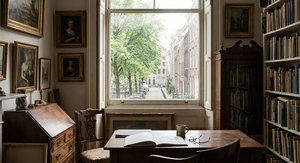
The Interior Gaze: Exploring Representations of Domestic Space in Art History
Explore the fascinating history of domestic interiors in art! From Dutch Masters to Impressionism, discover how artists captured home life & social meaning. Expert analysis and insights at TopImpressionists.

Walter Sickert: A Shadowy Realism & the Modern British Canvas
Explore the life & work of Walter Sickert, a pivotal British painter bridging Impressionism to Modernism. Discover his evocative scenes of London life, controversial legacy, and lasting influence on 20th-century art.

Robert Bevan: Pioneering British Post-Impressionism & the Camden Town Group's Intimate Vision
Explore the life & work of Robert Bevan, a pioneer of British Post-Impressionism and founding member of the Camden Town Group. Discover his vibrant landscapes and lasting impact on early 20th-century art.

Equilibrio y Audacia: La Integración del Arte Contemporáneo en Interiores Clásicos para una Modernidad Atemporal
Descubre cómo integrar el arte contemporáneo en interiores clásicos con elegancia y sofisticación. Expertos en diseño te guían para crear espacios atemporales llenos de personalidad. ¡Inspírate!