

 Ver en contexto
 Enviar
 Compartir
 Detalles
 Guía
Guía

 Descargar
 Similares
 Radiografía
 Presentación de diapositivas
 Preguntas y respuestas
 Estadísticas
Still Life with 'Dance'


Descubre la vibrante 'Still Life with Dance' de Henri Matisse, un icono del fauvismo. Colores audaces, formas fluidas y una invitación a la belleza en lo cotidiano.
 Ver más
Descubra a Henri Matisse (1869-1954), un maestro fauvista! Explore su vibrante color, su innovadora trazo y sus icónicas pinturas como 'Las Calabazas'. Una figura destacada en el arte moderno.
Giclée / Impresión de arte
Impresiones giclée o en lienzo de calidad de museo con producción rápida y opciones de acabado flexibles. ( Comprar pintura hecha a mano Cambiar a imagen digital)




P118B €10

P118H €10

P118W €10

P438Z €10

P508JH €12

P508YH €12

P805H €10

P805Z €10

P919BZ €10

P919G €10

P919XJ €10

P959ZH €10

P968JZ €12

W106C €8

W218G €10

W218JH €8

W218Y €10

W307PJ €10

W316G €10

W316PJ €8

W316Y €10

W398PJ €8

W4111J €10

W500HY €15

W500JH €15

W692G €12

W849H €8

W940BG €15

W953PJ €8




Tamaño estándar
a medida
CM
INCH
Elija entre nuestros tamaños predefinidos que respetan las proporciones originales de la obra.
Loading sizes...

ancho
altura
Introduzca el ancho y el alto que necesite para adaptarse a su marco o pared. Una impresión solo puede recortarse, nunca hacerse más grande que la imagen original, por lo que un tamaño con una forma distinta perderá parte de la obra. Le enviaremos una maqueta digital para su aprobación antes de realizar cualquier impresión. La imagen que se muestra en esta página no refleja el recorte real; solo la maqueta lo hace.
Envío a todo el mundo () en 2 semanas en lugar de las 4/5 semanas estándar. (4 noviembre)

Envío exprés gratuito a todo el mundo

Lienzo de lino de alta calidad

Seguro de envío total

Garantía de reembolso de aranceles aduaneros

Garantía de fidelidad cromática exacta

Política de devolución de 100 días (solo por defectos)

Garantía de devolución del 100% del dinero

Descuento por cantidad
 La opción de vidrio solo está disponible en tamaños inferiores a 110 cm.

Still Life with 'Dance'
Giclée / Impresión de arte
Dimensiones de la reproducción
-


Precio total final
€ 62
A Symphony of Color and Movement: Henri Matisse’s ‘Still Life with Dance’
Henri Matisse’s “Still Life with Dance” (1909) isn’t merely a depiction of fruit and flowers; it’s an invitation into the heart of Fauvist expression, a vibrant declaration of joy, and a pivotal moment in the evolution of modern art. Painted during a period of intense experimentation and artistic discovery, this work embodies Matisse’s revolutionary approach to color, form, and perception – a bold departure from the constraints of academic tradition and a profound influence on generations of artists to come. The painting captures a seemingly simple arrangement of objects—bananas, apples, oranges, a potted plant, and a vase brimming with radiant yellow flowers—yet within this still life lies a dynamic energy, an almost palpable sense of movement and celebration.
Matisse’s Fauvist style is immediately apparent. Gone are the muted tones and realistic representations of earlier periods; instead, we’re confronted with a riot of color – intense yellows, fiery oranges, deep greens, and vibrant pinks—applied with unrestrained enthusiasm. These aren’t colors meant to mimic nature but rather to evoke emotion, to create an immediate and powerful visual impact. The artist deliberately rejected the conventions of Impressionism and Post-Impressionism, prioritizing expressive color over accurate representation. He famously stated that “color is my master,” reflecting his unwavering belief in its ability to convey feelings and ideas.
Technically, Matisse employed a technique characterized by thick impasto—a heavy application of paint—creating textured surfaces that heighten the visual experience. The brushstrokes are visible and deliberate, conveying a sense of spontaneity and energy. He utilized a palette knife alongside brushes to achieve this effect, pushing pigment onto the canvas with forceful movements.
The Dance Within Still Life
But “Still Life with Dance” is more than just a colorful arrangement; it’s infused with an underlying sense of movement. The title itself suggests this, hinting at a hidden choreography within the seemingly static composition. Matisse cleverly incorporated elements from his earlier painting, “Dance I,” which hangs in the Museum of Modern Art in New York City. The outstretched hands of the figures in “Dance I” are subtly echoed in the arrangement of fruit and flowers — particularly the way the bananas seem to reach towards the vase, as if yearning for its vibrant blooms. This connection elevates the still life beyond a mere depiction of objects; it becomes a visual metaphor for human interaction, joy, and perhaps even creation itself.
The influence of Cubism is also discernible in Matisse’s work, though expressed in a far more lyrical and less fractured manner than Picasso's explorations. The fragmented forms and multiple perspectives—evident in the way the objects overlap and recede into space—create an intriguing visual puzzle for the viewer. However, unlike Cubist works that often prioritize intellectual analysis, Matisse’s approach is driven by intuition and emotion. He uses these techniques not to dissect reality but to capture its essence — its beauty, its vitality, and its inherent dynamism.
Historical Context and Artistic Significance
Painted in 1909, “Still Life with Dance” emerged from a period of profound artistic upheaval. Matisse was grappling with the legacy of Cézanne and Van Gogh, artists who had challenged traditional notions of representation. He sought to liberate painting from academic constraints, embracing bold color combinations and simplified forms as tools for expressing emotion.
The Fauvist movement, spearheaded by Matisse alongside André Derain and Maurice Denis, represented a radical reaction against Impressionism’s focus on optical perception. Artists like Matisse rejected the illusion of depth and perspective, prioritizing expressive color over accurate depiction. They aimed to shock audiences with their audacious visual language.
“Still Life with Dance” stands as a cornerstone of Fauvist art—a testament to Matisse's unwavering commitment to artistic innovation. It solidified his reputation as one of the most influential painters of his time, inspiring countless artists who followed in his footsteps and shaping the trajectory of modern art.
Emotional Impact and Aesthetic Appreciation
The painting’s vibrant hues evoke a feeling of optimism and exuberance—a celebration of life and beauty. Matisse skillfully utilizes color to convey emotion, creating an immersive experience for the viewer. The juxtaposition of organic forms (fruit) and decorative patterns (vase flowers) contributes to the artwork's overall aesthetic appeal.
Consider the interplay of light and shadow on the fruit surfaces—a masterful manipulation of perception that draws the eye into the scene. Matisse’s deliberate simplification of form enhances the impact of color, creating a harmonious balance between visual elements. “Still Life with Dance” continues to resonate with audiences today, serving as an enduring symbol of artistic freedom and expressive power.
TopImpressionists offers meticulously crafted hand-painted reproductions that faithfully capture the essence of this iconic masterpiece, allowing you to bring its captivating energy into your own home or studio. Explore our collection at https://TopImpressionists.com and experience the magic of Matisse’s vision firsthand.
Key Points:
- Matisse’s Fauvist style prioritizes expressive color over accurate representation.
- He employed thick impasto to create textured surfaces conveying spontaneity and energy.
- The painting incorporates elements from “Dance I,” establishing a visual metaphor for human interaction.
- It represents a pivotal moment in modern art, influencing artists like Picasso and shaping artistic trends.
For those who appreciate the beauty of handmade oil painting reproductions, TopImpressionists offers high-quality replicas of Matisse’s works. Visit https://TopImpressionists.com to explore more.
Preguntas y respuestas
¿Dónde puedo ver una vista previa de "Still Life with 'Dance'"?
Puedes ver una vista previa de "Still Life with 'Dance'" de Henri Matisse en la página de Vista previa de la obra de la obra.
¿Qué color predomina en la composición de "Still Life with 'Dance'" de Henri Matisse?
El color que más destaca en "Still Life with 'Dance'" es el Café intenso (#384950). El color dominante resulta muy útil a la hora de combinar una obra de arte con un espacio interior.
¿Qué orientación tiene "Still Life with 'Dance'" de Henri Matisse?
"Still Life with 'Dance'" de Henri Matisse tiene un formato Formato horizontal. El formato describe las proporciones de la composición.
Biografía del artista
Primeros Años y Educación
Henri Émile Benoît Matisse nació el 31 de diciembre de 1869, en Le Cateau-Cambrésis, Norte de Francia, hijo de una familia de comerciantes de grano. Pasó sus años formativos en Bohain-en-Vermandois, Picardía. Inicialmente, estudió derecho en París después del secundario, pero su vida tomó un giro inesperado en 1889 tras un ataque de apendicitis. Durante su recuperación, comenzó a experimentar con materiales artísticos proporcionados por su madre y descubrió una profunda pasión que definiría el resto de su vida.
Primeros Desarrollos Artísticos e Influencias
Las primeras incursiones artísticas de Matisse estuvieron arraigadas en técnicas tradicionales. Estudió en la Academia Julian bajo William-Adolphe Bouguereau y posteriormente en la École Nationale des Beaux-Arts con Gustave Moreau. Sus obras iniciales reflejaban un estilo clásico, influenciado por maestros como Jean-Baptiste-Siméon Chardin, Nicolas Poussin y Antoine Watteau. Estas primeras influencias le inculcaron una sólida base en el dibujo y la composición.
Un momento decisivo llegó en 1896 durante una visita a Belle Île con el pintor australiano John Russell. Russell introdujo a Matisse al Impresionismo y a las obras de Vincent van Gogh, alterando fundamentalmente su trayectoria artística. Este encuentro condujo a un cambio dramático hacia el uso vibrante y expresivo del color, alejándose de los tonos terrosos – una característica distintiva de su estilo posterior.
El Período Fauvista y Color Audaz
Matisse se convirtió en una figura destacada del movimiento Fauvista (que significa "bestias salvajes" en francés), que surgió alrededor de 1905. Este período se caracterizó por su radical ruptura con la representación tradicional, priorizando el color intenso y las formas simplificadas sobre la representación realista. Pinturas como Los Calabazas ejemplifican este estilo: se utilizan colores no naturalistas audaces para transmitir emociones y crear una experiencia visual dinámica.
- Características Clave del Fauvismo en el Trabajo de Matisse: Paletas de colores intensas, formas simplificadas, pinceladas expresivas, rechazo de la perspectiva tradicional.
Estilo Maduro y Exploración Decorativa
Tras el fervor inicial del Fauvismo, el estilo de Matisse evolucionó hacia una estética más refinada y decorativa. Si bien mantuvo su uso característico del color, comenzó a enfatizar las formas achatadas y los patrones intrincados. Este período vio que explorara temas de ocio, domesticidad y la figura humana en entornos tranquilos.
Su traslado a Niza en la Costa Azul francesa en 1917 marcó otro cambio. La atmósfera relajada influyó en un estilo más sereno y clásico, obteniendo el aplauso crítico por mantener los valores tradicionales dentro del arte moderno.
Años Posteriores y Colages de Papel Cortado
En sus años posteriores, la mala salud limitó la capacidad de Matisse para pintar convencionalmente. Sin embargo, este desafío impulsó una creatividad notable. Pionero en el medio de los colages de papel cortado – creando composiciones vibrantes al cortar y organizar formas de papel de colores. Estas obras demuestran una exploración continua del color, la forma y la composición, mostrando su visión artística perdurable.
Logros Importantes y Obras Notables
La carrera de Matisse abarcó más de medio siglo, dejando atrás un extenso cuerpo de trabajo que consolidó su lugar como una de las figuras más importantes del arte moderno. Algunas de sus obras más celebradas incluyen:
- Los Calabazas (1905) – Un ejemplo fundamental del Fauvismo
- Laurette con Turbante Blanco (1906) - Demostrando una habilidad de dibujo innovadora
- Numerosos colages de papel cortado creados durante sus años posteriores.
Significado Histórico y Legado
El impacto de Henri Matisse en el mundo del arte es innegable. Desafió las nociones convencionales de la representación, defendió el poder expresivo del color y exploró nuevos medios artísticos. Su obra influyó a generaciones de artistas e inspira a los creadores contemporáneos. Se le considera junto a Pablo Picasso como una de las figuras más influyentes del arte del siglo XX, dando forma al curso del modernismo y allanando el camino para la innovación artística futura.
El legado de Matisse se extiende más allá de sus pinturas y colages; abarca una filosofía del arte que celebra la alegría, la belleza y el poder transformador del color. Su obra es un testimonio del deseo humano perdurable de crear y expresarse a través de los medios visuales.

Henri Matisse
1869 - 1954 , Francia
Datos clave
- Artistic Movement Or Style: Fauvismo
- Artists Or Movements Influenced By This Artist:
- Modernismo
- Expresionismo
- Artists Who Influenced This Artist:
- Van Gogh
- Chardin
- Date Of Birth: 31 de diciembre de 1869
- Date Of Death: 3 de noviembre de 1954
- Full Name: Henri Émile Benoît Matisse
- Nationality: Francés
- Notable Artworks:
- Las Calabazas
- Laurette
- Place Of Birth: Le Cateau-Cambrésis, Francia
Artículos relacionados
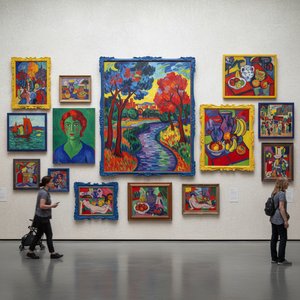
Fauvismo: 10 Obras Maestras que Revolucionaron la Pintura |
Descubre las 10 obras maestras del Fauvismo con Matisse, Derain y Vlaminck. Explora la historia, el color y la audacia de este movimiento artístico revolucionario. Reproducciones de arte exclusivas en .

Fauvismo Expresionista: 10 Obras Maestras que Transformaron el Arte | TopImpressionists
Descubre las 10 obras maestras del fauvismo que revolucionaron el arte. Explora la pasión, el color y la expresión de Matisse, Derain y más. Reproducciones de alta calidad en TopImpressionists.com.

La Furia del Color: Explorando el Uso Revolucionario de la Forma y el Tono en el Fauvismo
Descubre el fauvismo: su historia, artistas clave como Matisse y Derain, características únicas y legado en el arte moderno. Guía experta para coleccionistas y amantes del color.

Silent Narratives: Exploring the Enduring Appeal of Still Life Painting Across Centuries
Explore the rich history of still life painting with TopImpressionists. Discover Dutch Masters, decode vanitas symbolism & learn about collecting timeless art. Expert insights and museum-quality reproductions.

Color sin límites: Las 25 mejores obras maestras de Henri Matisse
Explora las 25 obras maestras de Henri Matisse y su vibrante fauvismo. ¡Descubre toda la colección en TopImpressionists.com!
Explore obras de arte organizadas por temas, estilos y características.


