


 Vista previa
 Compartir
 Compartir
 Ver detalles
 Guía
Guía

 Descargar
 Ver artículos similares
 Radiografía
 Presentación de diapositivas
 Estadísticas
Roman Ruins


Discover "Roman Ruins" by Hubert Robert (1760). A Romantic masterpiece showcasing crumbling architecture & pastoral life. Oil on canvas, dramatic lighting & serene beauty. Perfect for art lovers!
 Leer más
Descubre Hubert Robert (1733-1808), pintor francés de paisajes evocadores y 'caprichos' con ruinas romanas y francesas, capturando la belleza en la decadencia.
Reproducción al óleo hecha a mano
Óleo sobre lienzo pintado a mano en el tamaño y marco de su elección, realizado por encargo por nuestros artistas. ( Cambiar a formato impreso Ver versión en imagen digital)




P118B $10

P118H $10

P118W $10

P438Z $10

P508JH $12

P508YH $12

P805H $10

P805Z $10

P919BZ $10

P919G $10

P919XJ $10

P959ZH $10

P968JZ $12

W106C $8

W218G $10

W218JH $8

W218Y $10

W307PJ $10

W316G $10

W316PJ $8

W316Y $10

W398PJ $8

W4111J $10

W500HY $15

W500JH $15

W692G $12

W849H $8

W940BG $15

W953PJ $8




Estándar
personalizado
CM
INCH
Elija entre nuestros tamaños predefinidos que respetan las proporciones originales de la obra.
Loading sizes...

ancho
altura
Puede ingresar sus propias dimensiones para adaptarse a un marco o espacio específico. Si el tamaño seleccionado no coincide con las proporciones de la imagen original, recortaremos la obra o extenderemos la pintura con elementos adicionales pintados a mano. Se le enviará una maqueta digital para su aprobación antes de comenzar la producción.
Tenga en cuenta que la vista previa en pantalla no refleja el recorte o la extensión reales. Solo la maqueta mostrará con precisión la composición final.
Si bien existen tamaños personalizados, recomendamos seleccionar una dimensión de la lista predefinida para preservar las proporciones originales.
Ejemplos de lo que se puede personalizar: Reemplace el rostro con una foto del cliente; Agregue una mascota (por ejemplo, cambie un gato por un perro); Incluya un mensaje oculto en el fondo; Cambie el paisaje o los elementos del fondo.
Tras realizar el pedido, el equipo de TopImpressionists.com enviará un correo electrónico al cliente para solicitar instrucciones y proporcionarle una vista previa del boceto.
Tras realizar el pedido, el equipo de TopImpressionists.com enviará un correo electrónico al cliente para solicitar instrucciones y proporcionarle una vista previa del boceto.
Envío a todo el mundo () en 3-4 semanas en lugar de las 5 semanas estándar. (26 septiembre). Sin comprometer la calidad.

Envío exprés gratuito a todo el mundo

Lienzo de lino de alta calidad

Seguro de envío completo

Garantía de reembolso de impuestos aduaneros

Garantía de fidelidad cromática exacta

Política de devolución de 100 días (solo por defectos)

Garantía de devolución del 100% del dinero

Oferta por volumen
 La opción de vidrio solo está disponible en tamaños inferiores a 110 cm.

Roman Ruins
Técnica de reproducción
Tamaño de la reproducción
-


Precio total
$ 269
A Symphony of Decay and Eternal Beauty
In the quietude of Hubert Robert’s Roman Ruins, one finds more than a mere depiction of crumbling stone; one encounters a profound meditation on the relentless passage of time. Created around 1760, this masterpiece serves as a window into the heart of the Romantic imagination, where the grandeur of antiquity meets the soft, persistent embrace of nature. The canvas invites the viewer to wander through a landscape where monumental architecture—once the pride of an empire—now yields to the slow, rhythmic pulse of vegetation and light. It is a scene that captures a fleeting moment of ethereal beauty, frozen in the amber of oil on canvas, offering a sense of pastoral tranquility that resonates deeply with the modern soul seeking refuge from the frenetic pace of contemporary life.
The composition is masterfully orchestrated to draw the eye deep into a world of architectural wonder and quiet human drama. A majestic, weathered archway stands as the central protagonist, its heavy columns and fractured masonry framing a vista that stretches toward an infinite horizon. Through this portal, the viewer perceives a vast, open space where the boundaries between man-made structures and the wild landscape begin to blur. The foreground is alive with the gentle rhythms of everyday existence: figures engaged in quiet contemplation, a woman tending to livestock, and children playing amidst the rocky outcrops. This juxtaposition—the monumental scale of the ruins against the intimate, humble activities of life—establishes a poignant dialogue between historical glory and the enduring continuity of the human spirit.
The Artistry of the Romantic Capriccio
Robert’s technical prowess is most evident in his command of light and texture, elements that elevate this work from a topographical study to a capriccio—a genre of imaginative fantasy. Utilizing the rich, versatile medium of oil paint, the artist achieves a remarkable tonal range that breathes life into the scene. Warm ochres, deep browns, and radiant golds dominate the palette, bathing the ruins in a sun-drenched glow that evokes a sense of nostalgic warmth. His brushwork is both deliberate and expressive; while the architectural elements are defined by structured lines, the foliage and distant clouds are rendered with a looser, more spontaneous touch. This interplay of precision and fluidity creates a dynamic atmosphere, where the light seems to dance across the textured surfaces of stone and leaf alike.
For the discerning collector or interior designer, Roman Ruins offers an unparalleled emotional depth that transcends mere decoration. The painting functions as a symbolic vessel, carrying themes of memory, loss, and the sublime power of nature. It evokes a sense of "melancholic grandeur"—a feeling of being moved by the beauty of what has passed while finding peace in the persistence of life. Integrating such a high-quality reproduction into a curated space provides more than just a visual focal point; it introduces a narrative of timelessness and sophistication. Whether placed in a sunlit library or a grand salon, Robert’s vision of the Roman past serves as an enduring inspiration, reminding us that even amidst decay, there is a profound and lasting splendor to be found.
Biografía del artista
Hubert Robert: Pintor de Ruinas y Visiones
- Nacimiento: 22 de mayo de 1733, París, Francia
- Fallecimiento: 15 de abril de 1808, París, Francia
Hubert Robert fue un pintor francés celebrado por sus evocadores paisajes y pinturas de *capricho*—representaciones pintorescas semi-ficticias de ruinas en Italia y Francia. Se le considera una figura clave que une los períodos Rococó y Neoclásico, anticipando aspectos del Romanticismo con su fascinación por la decadencia, la historia y las reconstrucciones imaginativas.
Primeros Años y Formación Artística
Nicolas Robert, el padre de Hubert, sirvió a François-Joseph de Choiseul, Marqués de Stainville. Robert recibió una educación jesuita en el Collège de Navarre en 1751. Luego estudió escultura con Michel-Ange Slodtz, quien lo animó a dedicarse a la pintura. Esta formación temprana le inculcó una sólida base en diseño y perspectiva, elementos cruciales que definirían más tarde su estilo artístico.
Los Años Romanos y Desarrollo Artístico (1754-1765)
- Traslado a Roma: En 1754, Robert viajó a Roma con Étienne-François de Choiseul, hijo de su empleador.
- Once Años en Italia: Pasó once años en Roma, un período formativo para su desarrollo artístico.
- Apoyo y Patronazgo: Se sustentó creando obras para conocedores visitantes como el Abbé de Saint-Non.
- Influencia de Giovanni Paolo Panini: Robert trabajó junto a Giovanni Paolo Panini, cuya influencia es evidente en sus primeras composiciones de *capricho*.
- Dibujo y Observación: Dibujó meticulosamente ruinas y paisajes romanos, documentando sitios como la Villa d'Este y Caprarola, demostrando un agudo sentido del detalle y la perspectiva atmosférica.
Su tiempo en Roma moldeó profundamente su visión artística. La yuxtaposición de las antiguas ruinas romanas con la vida contemporánea despertó su interés por representar la decadencia junto a la vitalidad, un tema recurrente a lo largo de su carrera.
Regreso a París y Reconocimiento (1765-1790)
- Éxito Rápido: Al regresar a París en 1765, Robert rápidamente obtuvo reconocimiento.
- Admisión en la Académie Royale de Peinture et de Sculpture: Fue admitido en la Académie Royale de Peinture et de Sculpture con un *capricho* romano, "El Puerto de Roma, Ornamentado con Diferentes Monumentos de Arquitectura, Antiguos y Modernos".
- Exposiciones en el Salón: Sus exposiciones en el Salón (a partir de 1767) atrajeron una atención significativa. Denis Diderot comentó famosamente sobre la grandeza evocada por sus representaciones de ruinas.
- Obras Notables: Obras clave de este período incluyen "Paisaje con las Ruinas del Templo Circular, con una Estatua de Venus y un Monumento a Marco Aurelio", que muestra su dominio de la pintura de *capricho*.
El éxito parisino de Robert se debió a su capacidad para capturar tanto la grandeza de la antigüedad clásica como la vitalidad de la vida contemporánea. Sus obras resonaron en el público fascinado por la historia, la arqueología y lo pintoresco.
Últimos Años, Revolución y Legado (1790-1808)
- Revolución Francesa: Robert fue testigo y documentó la Revolución Francesa, incluyendo la demolición de monumentos históricos.
- Curador del Muséum Central des Arts: Sirvió como curador del recién establecido Muséum Central des Arts (luego el Louvre), demostrando su compromiso con la preservación del patrimonio cultural.
- Producción Artística Continua: A pesar del turbulento clima político, Robert continuó pintando y dibujando prolíficamente.
- Reproducción e Influencia: Sus obras fueron frecuentemente reproducidas por artistas como el Abbé de Saint-Non, Châtelain, Linard y Le Veau, lo que atestigua su amplia influencia.
El legado de Hubert Robert radica en su capacidad única para combinar la precisión histórica con la visión imaginativa. Pionero de un género de pintura que celebra tanto la belleza de la decadencia como el poder perdurable de la creatividad humana. Su obra continúa inspirando a artistas y cautivando al público, consolidando su lugar como una figura significativa en el arte del siglo XVIII.

Hubert Robert
1733 - 1808 , Francia
Datos clave
- Artistas Que Influyeron: ['Giovanni Paolo Panini']
- Fecha De Fallecimiento: 15 de abril de 1808
- Fecha De Nacimiento: 22 de mayo de 1733
- Lugar De Nacimiento: París, Francia
- Movimiento Artístico: Rococó y Neoclasicismo
- Nacionalidad: Francés
- Nombre Completo: Hubert Robert
- Obras Notables:
- Interior del Templo de Diana
- Le château de la Roche Guyon
- El artista dibujando en los jardines
- Paisaje con terraza y cascada
- Villa Sachetti
- Establos en ruinas de Villa Giulia
Artículos relacionados

Capturing Eternal Glory: Impressionist Visions of the Roman Empire's Timeless Grandeur
Explore the breathtaking intersection of Roman grandeur and Impressionist light. Discover how masters like Monet reimagined classical ruins through vibrant, emotive brushstrokes. A cultural journey for true art lovers seeking to bring eternal glory into their homes.
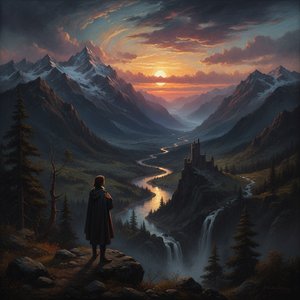
Capturing the Soul: The Emotional Majesty and Sublime Power of Romantic Landscape Painting
Explore the profound emotional depth of Romantic landscape painting. Discover how masters like Turner and Friedrich captured the sublime power of nature through intuition and imagination in this expert art history retrospective.

Capturing the Soul: The Emotional Magic and Sublime Grandeur of Romantic Landscape Painting
Explore the profound emotional depth of Romantic landscape painting. Discover how masters like Friedrich and Turner captured the sublime through light, shadow, and nature's power in this expert art history retrospective for discerning collectors.
Explore obras de arte organizadas por temas, estilos y características.


