Ver en contexto
 Enviar
 Compartir
 Detalles
 Guía
Guía

 Descargar
 Similares
 Radiografía
 Presentación de diapositivas
 Q&A
Q&A Estadísticas
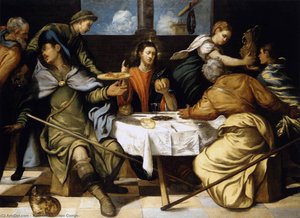
Mercure et les Grâces

- 146.0 x 155.0 cm


Una obra maestra renacentista de Tintoretto que captura la grandeza mitológica con figuras elegantes y una iluminación dramática en el Palacio Ducale de Venecia.
 Ver más
Descubre a Tintoretto (Jacopo Comin), un maestro del Renacimiento veneciano conocido por sus composiciones dramáticas, su audaz pincelada ('Il Furioso') y su innovadora utilización de la luz y la perspectiva. Explora obras icónicas y su legado en el arte italiano.
Giclée / Impresión de arte
Impresiones giclée o en lienzo de calidad de museo con producción rápida y opciones de acabado flexibles. ( Comprar pintura hecha a mano Cambiar a imagen digital)




P118B €10

P118H €10

P118W €10

P438Z €10

P508JH €12

P508YH €12

P805H €10

P805Z €10

P919BZ €10

P919G €10

P919XJ €10

P959ZH €10

P968JZ €12

W106C €8

W218G €10

W218JH €8

W218Y €10

W307PJ €10

W316G €10

W316PJ €8

W316Y €10

W398PJ €8

W4111J €10

W500HY €15

W500JH €15

W692G €12

W849H €8

W940BG €15

W953PJ €8




Tamaño estándar
a medida
CM
INCH
Elija entre nuestros tamaños predefinidos que respetan las proporciones originales de la obra.
Loading sizes...

ancho
altura
Introduzca el ancho y el alto que necesite para adaptarse a su marco o pared. Una impresión solo puede recortarse, nunca hacerse más grande que la imagen original, por lo que un tamaño con una forma distinta perderá parte de la obra. Le enviaremos una maqueta digital para su aprobación antes de realizar cualquier impresión. La imagen que se muestra en esta página no refleja el recorte real; solo la maqueta lo hace.
Envío a todo el mundo () en 2 semanas en lugar de las 4/5 semanas estándar. (1 noviembre)

Envío exprés gratuito a todo el mundo

Lienzo de lino de alta calidad

Seguro de envío total

Garantía de reembolso de aranceles aduaneros

Garantía de fidelidad cromática exacta

Política de devolución de 100 días (solo por defectos)

Garantía de devolución del 100% del dinero

Descuento por cantidad
 La opción de vidrio solo está disponible en tamaños inferiores a 110 cm.

Mercure et les Grâces
Giclée / Impresión de arte
Dimensiones de la reproducción
-


Precio total final
€ 61
Tintoretto’s Mercury and the Graces: A Symphony of Light and Myth
Jacopo Tintoretto (1518-1594), a titan of Venetian Renaissance art, gifted us with Mercure et les Grâces—a painting that transcends mere depiction and plunges into the heart of classical mythology infused with Tintoretto’s revolutionary artistic vision. Located in the Palazzo Ducale of Venice, Italy, this monumental oil on canvas embodies the spirit of his era and continues to mesmerize viewers centuries later. ### Composition and Symbolism: A Dance of Divine Influence At first glance, Mercure et les Graces presents a dynamic tableau centered around Mercury—the Roman messenger god—surrounded by three radiant women: the Graces. Each Grace embodies distinct virtues – Euphrosyne representing joy and merriment, Aglaea embodying elegance and splendor, and Thalia symbolizing youth and beauty—a deliberate nod to Greek mythology and humanist ideals prevalent during Tintoretto’s time. The inclusion of these figures isn't accidental; it elevates the scene beyond a simple mythological narrative, suggesting an exploration of harmony, balance, and divine grace influencing earthly affairs. Scattered throughout the composition are additional characters – men and women – strategically positioned to contribute to the painting’s lively atmosphere and reinforce its thematic richness. ### Artistic Significance: The Furious Technique of Il Furioso Tintoretto's unparalleled mastery lay in his rapid painting technique—dubbed “Il Furioso” (“The Furious”) by contemporaries—characterized by bold brushstrokes and an audacious manipulation of light and shadow. This distinctive style is vividly evident in Mercure et les Graces. He achieved this breathtaking effect by applying paint in thick layers—a technique known as impasto—creating palpable texture and capturing the ephemeral quality of light with astonishing accuracy. This method wasn’t merely stylistic; it reflected Tintoretto's belief that art should strive to convey emotion and immediacy, mirroring the turbulent spirit of his time. ### Historical Context: Venetian Renaissance at Its Zenith Mercure et les Graces flourished during the Venetian Renaissance—a period marked by artistic innovation and intellectual ferment. Tintoretto’s workshop was at the forefront of this movement, engaging in dialogues with artists like Titian and Michelangelo, absorbing influences from Mannerism while forging a uniquely Venetian aesthetic. The painting reflects the humanist preoccupation with classical ideals – beauty, harmony, and proportion – alongside religious fervor—a hallmark of Venetian art patronage during the sixteenth century. Its commission by Doge Gerolamo Priuli underscores Venice’s ambition to assert its cultural prestige on the European stage. ### Conclusion: An Enduring Legacy of Genius Tintoretto's (Jacopo Comin) Mercure et les Grâces remains a testament to Tintoretto’s genius—a masterpiece that continues to inspire awe and admiration. Its masterful composition, dramatic use of chiaroscuro, and audacious technique solidify its place as one of the most iconic works of Venetian Renaissance art. For those seeking to delve deeper into Tintoretto's oeuvre, consider exploring Tintoretto (Jacopo Comin): Paradise and Tintoretto (Jacopo Comin): View of the Sala del Collegio—remarkable examples of his artistic prowess. Furthermore, a visit to the Museo Civico Vicenza offers a captivating glimpse into Venetian art history and its enduring influence.Preguntas y respuestas
¿De qué manera se relacionan los colores de "Mercure et les Grâces" de Jacopo Tintoretto con su carga emocional?
"Mercure et les Grâces" de Jacopo Tintoretto combina una paleta de Tonos tierra con un tono Romántico.
¿Qué representa "Mercure et les Grâces" de Jacopo Tintoretto y qué atmósfera transmite?
"Mercure et les Grâces" de Jacopo Tintoretto combina mythology, graces, mercury, tintoretto, venetianart, renaissance, lightandshadow con una atmósfera Elegante.
¿Cómo se puede integrar "Mercure et les Grâces" de Jacopo Tintoretto en la decoración del hogar?
Se sugiere "Mercure et les Grâces" para Pieza central, y el espacio recomendado es un Salón principal.
Biografía del artista
Jacopo Tintoretto (1518-1594)
Primeros Años y Aprendizaje
- Nacido Jacopo Robusti en Venecia alrededor de finales de septiembre o principios de octubre de 1518.
- Su padre, Battista Robusti, era tintorero – por lo tanto, el apodo “Tintoretto” (“el pequeño tintorero”).
- Los detalles de su formación formal son escasos; los informes sugieren un breve y fallido aprendizaje con Tiziano.
- Probablemente se auto-enseñó, estudiando la anatomía a través de la disección y el dibujo a partir de moldes y relieves.
Desarrollo Artístico y Estilo
- El estilo de Tintoretto se caracteriza por composiciones dramáticas, figuras enérgicas y un audaz uso de la perspectiva.
- Sus primeras obras muestran una mezcla de influencias, incluyendo a Tiziano, Miguel Ángel y otros maestros venecianos.
- Desarrolló una técnica distintiva que involucraba pinceladas rápidas y efectos de iluminación innovadores – lo que le valió el apodo “Il Furioso” (“el furioso”).
- Su obra se movió hacia escenas cada vez más dinámicas y cargadas emocionalmente, a menudo con complejas disposiciones espaciales.
Obras Maestras y Logros
- El Milagro de San Marcos Liberando al Esclavo (1548): Un poderoso ejemplo de su composición dramática y habilidades de perspectiva.
- Trabajos en la Scuola Grande di San Rocco, Venecia: Incluyendo “La Asunción de la Virgen” y numerosos otros cuadros, que muestran su maestría en la narrativa y la escala.
- La Última Cena (1592-1594): Una obra monumental que demuestra su enfoque innovador para un tema tradicional.
- Numerosas pinturas religiosas e históricas para iglesias y palacios venecianos.
Influencias y Legado
- Fue influenciado por el colorismo de Tiziano y el estilo de figuras dinámicas de Miguel Ángel.
- La obra de Tintoretto conectó los espacios entre el Renacimiento y el Barroco, influyendo en artistas posteriores con sus composiciones dramáticas y pinceladas expresivas.
- Su uso innovador de la luz y la sombra anticipó técnicas utilizadas por Caravaggio y otros maestros del Barroco.
- Dejó atrás un vasto cuerpo de trabajo que continúa inspirando y cautivando al público hoy en día.
Significado Histórico
- Tintoretto fue uno de los tres grandes pintores venecianos del siglo XVI, junto con Tiziano y Paolo Veronese.
- Jugó un papel crucial en la configuración del panorama artístico de Venecia durante el Renacimiento tardío.
- Su obra refleja la fervor religioso y las tensiones políticas de su tiempo.
- El legado de Tintoretto como maestro de composición dramática y pintura expresiva perdura, consolidando su lugar como uno de los artistas más importantes de la historia.

Jacopo Tintoretto
1518 - 1594 , Italia
Datos clave
- Artistas Influenciados: ['Caravaggio']
- Artistas Que Influyeron:
- Tiziano
- Miguel Ángel
- Fecha De Muerte: 1594
- Fecha De Nacimiento: 1518
- Lugar De Nacimiento: Venecia, Italia
- Movimiento Artístico: Manierismo, Renacimiento
- Nacionalidad: Veneciano
- Nombre Completo: Jacopo Tintoretto
- Obras Notables:
- El Milagro de San Marcos
- La Asunción de la Virgen
- La Última Cena
- Susanna y los Ancianos
Artículos relacionados

Maestro del Drama: Las 25 Mejores Obras de Jacopo Tintoretto
Explora las 25 obras maestras de Jacopo Tintoretto y su drama veneciano. ¡Descubre toda la colección en TopImpressionists.com!

Guido Reni: A Study in Baroque Classicism & Artistic Perfection
Explore the life & work of Guido Reni, a master of Baroque classicism. Discover his iconic religious & mythological paintings, and understand his enduring influence on art history. Expert analysis for collectors.

Baroque Classicism: Reconciling Drama & Order in 17th-Century Art
Explore the captivating world of Baroque Classicism! Discover its history, key artists like Caravaggio & Rubens, and defining characteristics. Expert insights & high-quality reproductions at TopImpressionists.

Los 10 Maestros del Neoclasicismo: Obras que Definieron una Era |
Descubre los 10 imprescindibles del Neoclasicismo con . Obras de David, Ingres y Canova que marcaron una era. Historia, técnica y significado de cada pieza. Encuentra reproducciones de arte de museo en

Echoes of Olympus: Mythological Narratives in Western Art Through the Ages
Explore the captivating history of mythological narratives in Western art! From ancient Greece to modern masterpieces, discover iconic artworks & symbolism. Expert analysis and high-quality reproductions at TopImpressionists.
Explore obras de arte organizadas por temas, estilos y características.