Vista previa
 Compartir
 Compartir
 Ver detalles
 Guía
Guía

 Descargar
 Ver artículos similares
 Radiografía
 Presentación de diapositivas
 Estadísticas
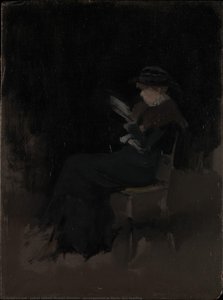
Wapping

Descubre 'Wapping' de James Abbott McNeill Whistler: una obra maestra del tonalismo británico que captura la atmósfera londinense con colores suaves y líneas precisas en grabado.
 Leer más
Explora a James Abbott McNeill Whistler (1834-1903): artista estadounidense del Tonalismo y el Esteticismo. Descubre 'La madre de Whistler', nocturnos, retratos y su filosofía 'el arte por el arte mismo'.
Giclée / Impresión de arte
Impresiones giclée o en lienzo de calidad de museo con producción rápida y opciones de acabado flexibles. ( Encargar reproducción pintada a mano Ver versión en imagen digital)




P118B $10

P118H $10

P118W $10

P438Z $10

P508JH $12

P508YH $12

P805H $10

P805Z $10

P919BZ $10

P919G $10

P919XJ $10

P959ZH $10

P968JZ $12

W106C $8

W218G $10

W218JH $8

W218Y $10

W307PJ $10

W316G $10

W316PJ $8

W316Y $10

W398PJ $8

W4111J $10

W500HY $15

W500JH $15

W692G $12

W849H $8

W940BG $15

W953PJ $8




Estándar
personalizado
CM
INCH
Elija entre nuestros tamaños predefinidos que respetan las proporciones originales de la obra.
Loading sizes...

ancho
altura
Puede introducir sus propias dimensiones para adaptarse a un marco o espacio específico. Si el tamaño seleccionado no coincide con las proporciones de la imagen original, recortaremos la obra de arte o extenderemos la imagen con un borde con efecto espejo o de color sólido. Se enviará una maqueta digital para su aprobación antes de que comience la producción.
Tenga en cuenta que la vista previa en pantalla no refleja el recorte o la extensión real. Solo la maqueta mostrará con precisión la composición final.
Aunque existen tamaños personalizados, recomendamos seleccionar una dimensión de la lista predefinida para preservar las proporciones originales.
Envío a todo el mundo () en 2 semanas en lugar de las 4/5 semanas estándar. (25 septiembre)

Envío exprés gratuito a todo el mundo

Lienzo de lino de alta calidad

Seguro de envío completo

Garantía de reembolso de impuestos aduaneros

Garantía de fidelidad cromática exacta

Política de devolución de 100 días (solo por defectos)

Garantía de devolución del 100% del dinero

Oferta por volumen
 La opción de vidrio solo está disponible en tamaños inferiores a 110 cm.

Wapping
Giclée / Impresión de arte
Tamaño de la reproducción
-


Precio total
$ 69
Introduction to Tonalism and James Abbott McNeill Whistler
Tonalism was an American art movement that emerged in the 1880s and lasted until the early 20th century. It is characterized by its emphasis on mood, atmosphere, and tonal values over detail and color (Tonalism Art Movement). One of the most prominent artists associated with this movement was James Abbott McNeill Whistler, an American-born, British-based artist. Whistler’s approach represented a radical departure from the prevailing artistic trends of his time—particularly Impressionism—which prioritized capturing fleeting moments of light and color. Instead, he sought to convey emotion and feeling through subtle gradations of tone, creating images that resembled landscapes or atmospheric effects more than realistic depictions. This stylistic choice was profoundly influenced by Japanese prints (ukiyo-e), which Whistler admired for their flattened perspective, simplified forms, and harmonious use of color—principles he consciously adopted in his own work.James Abbott McNeill Whistler's 'Wapping, Detail'
Wapping, Detail is a remarkable example of Tonalism, showcasing the movement’s signature soft, muted colors and limited palette. Executed in 1865, this etching and drypoint print depicts a scene from Wapping, an area in East London known for its industrial dockyards (James Abbott McNeill Whistler:Wapping, detail). The print captures the hazy atmosphere of a riverside evening—the Thames reflecting the muted glow of gas lamps—with an understated elegance that embodies Whistler’s aesthetic ideals.The Influence of Tonalism and James Abbott McNeill Whistler's Artistic Style
Tonalism wasn’t merely about avoiding color; it was about harnessing its power to evoke feeling. Whistler believed that tonal values could communicate emotion more effectively than vivid hues, prioritizing the suggestion of mood over precise representation. This conviction stemmed from his fascination with Japanese art, where artists skillfully manipulated tone and texture to create images imbued with spiritual resonance. Whistler’s technique involved applying ink thinly onto a copper plate, meticulously building up layers of shading through multiple impressions—a process that demanded patience and precision. The resulting prints possessed an ethereal quality, capturing the subtle nuances of light and shadow with breathtaking subtlety.The Significance of 'Wapping, Detail' in the Context of James Abbott McNeill Whistler's Career
Wapping, Detail stands as a cornerstone of Whistler’s artistic legacy—a testament to his unwavering commitment to “art for art’s sake.” Unlike many artists of his era who sought to depict the world realistically or convey moral messages, Whistler prioritized aesthetic beauty above all else. He famously declared that he wished to paint only what he saw and nothing more—a manifesto that challenged conventional artistic norms and cemented his reputation as a visionary innovator. This etching exemplifies Whistler’s mastery of tonalism, demonstrating his ability to transform ordinary subjects into evocative expressions of emotion and atmosphere.Where to Find Hand-Made Oil Paintings Reproductions of James Abbott McNeill Whistler's 'Wapping, Detail'
If you are captivated by the serene beauty of Whistler’s vision—particularly captured in Wapping, Detail—consider commissioning a hand-painted reproduction from TopImpressionists.com. Our atelier collaborates with skilled artists who meticulously recreate Whistler’s masterpieces using traditional oil painting techniques, preserving the original artwork's tonal richness and textural depth. You can explore our extensive collection of Whistler reproductions at James Abbott McNeill Whistler:Wapping, detail.- Authentic Reproduction
- High-Quality Materials
- Custom Sizes Available
Obras relacionadas



Biografía del artista
James Abbott McNeill Whistler: Una Vida en el Arte
Primeros Años e Influencias
- Nacido el 14 de julio de 1834 en Lowell, Massachusetts, la vida temprana de James Abbott McNeill Whistler fue moldeada por la carrera de su padre como ingeniero ferroviario.
- Las frecuentes mudanzas le inculcaron adaptabilidad y exposición a diversos entornos.
- Asistió brevemente a la Academia Militar de los Estados Unidos en West Point, pero descubrió que no se adecuaba a sus inclinaciones artísticas.
- Un puesto posterior con la Encuesta Costera y Geodésica de EE. UU retrasó, pero no extinguió, su búsqueda del arte.
- Sus años formativos estuvieron marcados por un temprano interés en el dibujo y un deseo de convertirse en artista profesional.
Desarrollo Artístico y Comienzos Parisinos
- Whistler se mudó a París en 1855, un momento crucial en su viaje artístico.
- Estudió bajo la tutela de Sébastien Bouré, perfeccionando sus habilidades en pintura al óleo, acuarela y grabado.
- Las primeras obras reflejaban influencias de los pintores realistas franceses y la Escuela de Barbizon.
- Whistler rápidamente desarrolló un estilo distintivo caracterizado por armonías tonales y efectos atmosféricos.
Temas Clave y Estilo Artístico
- Whistler defendió el concepto de “arte por el arte mismo”, rechazando las narrativas didácticas o moralizadoras en favor de consideraciones estéticas.
- Su obra a menudo se centraba en capturar sutiles matices de luz, color y atmósfera.
- Con frecuencia empleaba paletas limitadas y pinceladas delicadas para crear estados de ánimo evocadores.
- Nocturnos, pinturas atmosféricas de escenas crepusculares, se convirtieron en un elemento distintivo de su obra.
- Los retratos también eran centrales en su práctica, a menudo enfatizando los arreglos formales y las relaciones tonales sobre la semejanza estricta.
Obras Notables y Logros Importantes
- El Herrero (1861): Una cautivadora representación de un taller de herrero que muestra el dominio de Whistler de la luz y la sombra.
- Retrato de Charles Lang Freer (1873): Demuestra su habilidad para capturar la esencia de sus sujetos a través de sutiles variaciones tonales.
- Brown and Gold: The Gold Girl—Connie Gilchrist (1876-77): Un ejemplo quintessential del Tonalismo, que presenta un uso innovador del color y la composición.
- Arrangement in Grey and Black No. 1 (Whistler’s Mother) (1871): Tal vez su obra más famosa, una imagen icónica de la maternidad victoriana y un testimonio de su enfoque formalista.
- Nocturne in Black and Gold – The Falling Rocket (1875): Una pintura controvertida que provocó una demanda por difamación contra el crítico de arte John Ruskin, destacando la defensa de Whistler del arte autónomo.
Influencias y Legado
- Whistler fue influenciado por las estampas japonesas (ukiyo-e), que informaron sus principios compositivos y su énfasis en los patrones decorativos.
- También admiró la obra de pintores españoles como Velázquez, particularmente su dominio de los valores tonales.
- Su defensa del “arte por el arte mismo” tuvo un impacto profundo en el movimiento estético en Inglaterra y América.
- La influencia de Whistler se extendió a las generaciones posteriores de artistas que adoptaron enfoques formalistas y exploraron el potencial expresivo del color y la composición.
- Dejó una marca indeleble en el arte estadounidense, desafiando las nociones convencionales sobre el propósito artístico y allanando el camino al modernismo.
Significado Histórico
- La carrera de Whistler coincidió con un período de importantes cambios sociales y culturales tanto en Europa como en América.
- Su obra desafió las sensibilidades victorianas y contribuyó a un cambio más amplio hacia el esteticismo y el individualismo.
- La demanda por difamación contra Ruskin elevó el perfil de Whistler e impulsó importantes debates sobre la naturaleza del arte crítico y la libertad artística.
- Sigue siendo una figura clave en la historia del arte estadounidense, celebrada por su estilo innovador, rigor intelectual y compromiso inquebrantable con los principios artísticos.

James Abbott McNeill Whistler
1834 - 1903 , Estados Unidos de América
Datos clave
- Artistas Influenciados: ['Movimiento Estético']
- Artistas Que Influyeron:
- Sebastián Bouré
- Velázquez
- Fecha De Muerte: 1903
- Fecha De Nacimiento: 14 de julio de 1834
- Lugar De Nacimiento: Lowell, Estados Unidos
- Movimiento Artístico: Tonalismo, Esteticismo
- Nacionalidad: Estadounidense
- Nombre Completo: James Abbott McNeill Whistler
- Obras Notables:
- The Forge
- Retrato de Charles Lang Freer
- Brown and Gold
- La madre de Whistler
- Nocturno en Negro y Oro
Artículos relacionados

The Magic of Tonalism: Capturing Mood, Mist, and Atmospheric Emotion in Landscape Art
Discover the ethereal beauty of Tonalism. Explore how master artists use mist, soft light, and muted palettes to capture profound emotion and atmospheric mood in landscape painting. A deep dive into this quiet, introspective art movement for true connoisseurs.
Explore obras de arte organizadas por temas, estilos y características.