Ver en contexto
 Enviar
 Compartir
 Detalles
 Guía
Guía

 Descargar
 Similares
 Radiografía
 Presentación de diapositivas
 Q&A
Q&A Estadísticas
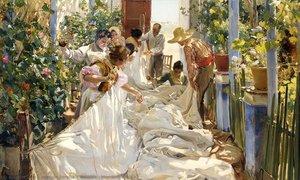
Beneath the Canopy


Experience the radiant light and joyful leisure of Joaquín Sorolla’s "Beneath the Canopy," a vibrant beach scene capturing a lively moment by the Spanish coast. This stunning reproduction evokes the artist's signature style and offers a beautiful addition to your art collection.
 Ver más
Descubre a Joaquín Sorolla (1863-1923), maestro del Realismo y Luminismo español! Explora sus vibrantes pinturas llenas de luz mediterránea, playas, retratos y temas sociales. ¡Una figura clave del Impresionismo!
Giclée / Impresión de arte
Impresiones giclée o en lienzo de calidad de museo con producción rápida y opciones de acabado flexibles. ( Comprar pintura hecha a mano Cambiar a imagen digital)




P118B €10

P118H €10

P118W €10

P438Z €10

P508JH €12

P508YH €12

P805H €10

P805Z €10

P919BZ €10

P919G €10

P919XJ €10

P959ZH €10

P968JZ €12

W106C €8

W218G €10

W218JH €8

W218Y €10

W307PJ €10

W316G €10

W316PJ €8

W316Y €10

W398PJ €8

W4111J €10

W500HY €15

W500JH €15

W692G €12

W849H €8

W940BG €15

W953PJ €8




Tamaño estándar
a medida
CM
INCH
Elija entre nuestros tamaños predefinidos que respetan las proporciones originales de la obra.
Loading sizes...

ancho
altura
Introduzca el ancho y el alto que necesite para adaptarse a su marco o pared. Una impresión solo puede recortarse, nunca hacerse más grande que la imagen original, por lo que un tamaño con una forma distinta perderá parte de la obra. Le enviaremos una maqueta digital para su aprobación antes de realizar cualquier impresión. La imagen que se muestra en esta página no refleja el recorte real; solo la maqueta lo hace.
Envío a todo el mundo () en 2 semanas en lugar de las 4/5 semanas estándar. (30 octubre)

Envío exprés gratuito a todo el mundo

Lienzo de lino de alta calidad

Seguro de envío total

Garantía de reembolso de aranceles aduaneros

Garantía de fidelidad cromática exacta

Política de devolución de 100 días (solo por defectos)

Garantía de devolución del 100% del dinero

Descuento por cantidad
 La opción de vidrio solo está disponible en tamaños inferiores a 110 cm.

Beneath the Canopy
Giclée / Impresión de arte
Dimensiones de la reproducción
-


Precio total final
€ 61
A Moment of Spanish Sunlight: Exploring Sorolla’s “Beneath the Canopy”
Joaquín Sorolla y Bastida's "Beneath the Canopy" is more than just a depiction of a sun-drenched beach; it’s an embodiment of the Spanish spirit – vibrant, joyful, and deeply connected to the natural world. Painted during his most prolific period, this artwork captures the essence of *luminismo*, Sorolla’s signature style characterized by an almost obsessive pursuit of light and its effects on form and color. Born in Valencia in 1863, Sorolla's life was profoundly shaped by early loss – the deaths of his parents at a young age instilled within him a sensitivity to transience and a desire to celebrate the beauty of fleeting moments. This emotional depth is powerfully conveyed through his masterful use of light, transforming a simple beach scene into an experience of pure sensory delight.
The Luminismo Technique: A Dance with Light
- Broken Color: Sorolla employed the technique of *fracmentación*, or broken color, meticulously applying small strokes of pure pigment side-by-side rather than blending them. This created a shimmering effect, particularly noticeable in the reflections on the water and the dappled sunlight filtering through the trees – a hallmark of his luminismo.
- Impasto: Noticeable impasto, or thick application of paint, adds texture and volume to the scene, further enhancing the sense of light and movement. The artist’s deliberate brushstrokes capture not just the visual appearance but also the feeling of warmth and energy radiating from the sun.
- Optical Mixing: Sorolla's genius lay in his ability to achieve optical mixing – creating complex color harmonies simply by juxtaposing different hues on the canvas, rather than muddying them with traditional blending techniques.
A Scene of Leisure and Societal Reflection
"Beneath the Canopy" offers a glimpse into the leisure activities of the Spanish upper class at the turn of the 20th century. The scene depicts a group of elegantly dressed women enjoying the coastal waters, an activity that was becoming increasingly popular as Spain modernized. The presence of umbrellas and a chair suggests a deliberate attempt to create a comfortable and stylish experience within the natural environment. This reflects Sorolla’s own social circle – he was a frequent guest at these gatherings, capturing their relaxed atmosphere with remarkable skill.
Symbolism and Emotional Resonance
The painting's composition is carefully balanced, drawing the viewer's eye towards the central group of women. The dappled sunlight filtering through the canopy creates a sense of intimacy and tranquility, while the vibrant colors evoke feelings of joy, warmth, and optimism. Sorolla’s ability to capture these subtle nuances speaks to his profound understanding of human emotion and his skill in translating it onto canvas. The beach itself represents escape, renewal, and connection with nature – themes that resonate deeply within the human experience.
Owning a Piece of Spanish Sunlight
TopImpressionists offers meticulously crafted hand-painted reproductions of Joaquín Sorolla’s “Beneath the Canopy,” allowing you to bring this iconic artwork into your home or office. Each reproduction is created using archival quality materials and techniques, ensuring that it will retain its beauty and vibrancy for generations to come. Whether you are an art collector, interior designer, or simply someone who appreciates exquisite artistry, a Sorolla reproduction offers a unique opportunity to own a piece of Spanish sunlight – a testament to the enduring power of light, color, and human joy.
Preguntas y respuestas
¿Puedo ver "Beneath the Canopy" como una presentación de diapositivas a pantalla completa?
Puede ver el diaporama de "Beneath the Canopy" en la página Galería de imágenes de la obra.
¿Cuál es la luminancia de "Beneath the Canopy" de Joaquín Sorolla y Bastida?
La luminancia registrada para "Beneath the Canopy" de Joaquín Sorolla y Bastida es Gentle Luminance.
¿A qué se debe el estado de los derechos de autor de "Beneath the Canopy"?
"Beneath the Canopy" de Joaquín Sorolla y Bastida es de en el dominio público: sus derechos de autor han expirado. La vigencia de los derechos de autor se cuenta a partir del fallecimiento del artista, que tuvo lugar en 1923.
Obras relacionadas


Biografía del artista
Primeros años y formación
Joaquín Sorolla y Bastida, un renombrado pintor español, nació el 27 de febrero de 1863 en Valencia, España. Era hijo mayor de Joaquín Sorolla, comerciante, y Concepción Bastida. Tras quedar huérfano a los dos años, fue criado por su tía materna y su tío. Su vocación artística se manifestó temprano, recibiendo sus primeras lecciones de arte a la edad de nueve años en su ciudad natal. Posteriormente estudió bajo la tutela de Cayetano Capuz, Salustiano Asenjo y José Benlliure en Roma. Una beca de cuatro años le permitió estudiar pintura en Roma, Italia, donde se vio influenciado por Francisco Pradilla.Desarrollo Artístico y Estilo
El estilo artístico de Sorolla evolucionó desde una formación académica hacia un enfoque más luminoso e impresionista. Aunque inicialmente pintó obras con temas históricos y religiosos para complacer a las academias, pronto desarrolló su propio lenguaje visual caracterizado por la captura magistral de la luz mediterránea y el movimiento. Su habilidad para representar escenas cotidianas, especialmente aquellas relacionadas con la playa y los niños jugando, lo convirtió en un artista único. Su técnica se basaba en pinceladas rápidas y vibrantes que transmitían una sensación de espontaneidad y vitalidad.Obras Destacadas y Logros
Sorolla dejó un legado impresionante de obras maestras. Entre ellas destacan:- Italian Girl with Flowers (Niña Italiana con Flores), una obra que ejemplifica su habilidad para capturar la esencia de sus sujetos.
- Bathing Time (Tiempo de Baño), demostrando su dominio del equilibrio entre luz y color, especialmente en escenas marinas.
- White Slave Trade (Trata de Blancas), un ejemplo raro de realismo social en su obra, abordando temas importantes de la época.
- Numerosas pinturas costumbristas que retratan la vida en las playas españolas, con figuras vibrantes y llenas de energía.
Influencia e Importancia Histórica
Joaquín Sorolla es considerado uno de los máximos exponentes del luminismo español y un precursor del impresionismo en España. Su capacidad para capturar la luz y el color con una técnica innovadora lo distingue de otros artistas de su época. Su obra ha influido a generaciones de pintores españoles, y su legado continúa siendo apreciado por su vitalidad, optimismo y representación fiel de la vida cotidiana. El Museo Sorolla en Madrid es un testimonio de su importancia histórica y una fuente invaluable para el estudio de su arte. Su habilidad para plasmar la alegría y la belleza del Mediterráneo lo ha convertido en un icono de la pintura española. Su obra, caracterizada por la luminosidad y la bravura, sigue inspirando a artistas hoy en día.
Joaquín Sorolla y Bastida
1863 - 1923 , España
Datos clave
- Artistas Influyentes: ['Francisco Pradilla']
- Estilo Artístico: Realismo, Luminismo
- Fecha De Fallecimiento: 23 de agosto de 1923
- Fecha De Nacimiento: 27 de febrero de 1863
- Lugar De Nacimiento: Valencia, España
- Nacionalidad: Española
- Nombre Completo: Joaquín Sorolla y Bastida
- Obras Notables:
- Italian Girl with Flowers
- Bathing Time
- White Slave Trade
Artículos relacionados

TopImpressionists.com F.A.Q.: Impresión de Alta Fidelidad y Color Vibrante en Pósteres Premium
Descubra la ciencia técnica de nuestra impresión premium y pigmentos de archivo. Asegure la máxima fidelidad para sus proyectos de lujo.
Explore obras de arte organizadas por temas, estilos y características.