Ver en contexto
 Enviar
 Compartir
 Detalles
 Guía
Guía

 Descargar
 Similares
 Radiografía
 Presentación de diapositivas
 Estadísticas
el bote blanco

Admire 'El Bote Blanco' by Joaquín Sorolla! A stunning Spanish Impressionist painting capturing sunlight & coastal life. Hand-painted reproduction available.
 Ver más
Descubre a Joaquín Sorolla (1863-1923), maestro del Realismo y Luminismo español! Explora sus vibrantes pinturas llenas de luz mediterránea, playas, retratos y temas sociales. ¡Una figura clave del Impresionismo!
Reproducción al óleo hecha a mano
Óleo sobre lienzo pintado a mano en el tamaño y marco de su elección, realizado por encargo por nuestros artistas. ( Cambiar a impresiones Cambiar a imagen digital)




P118B €10

P118H €10

P118W €10

P438Z €10

P508JH €12

P508YH €12

P805H €10

P805Z €10

P919BZ €10

P919G €10

P919XJ €10

P959ZH €10

P968JZ €12

W106C €8

W218G €10

W218JH €8

W218Y €10

W307PJ €10

W316G €10

W316PJ €8

W316Y €10

W398PJ €8

W4111J €10

W500HY €15

W500JH €15

W692G €12

W849H €8

W940BG €15

W953PJ €8




Tamaño estándar
a medida
CM
INCH
Elija entre nuestros tamaños predefinidos que respetan las proporciones originales de la obra.
Loading sizes...

ancho
altura
Indique el ancho y el alto que necesite para adaptarse a su marco o pared. Al tratarse de una obra pintada a mano, si requiere un tamaño con una proporción distinta, el artista puede pintar un poco más alrededor de la imagen o recortarla ligeramente; usted elige. Le enviaremos una maqueta digital para su aprobación antes de comenzar la pintura. La imagen que se muestra en esta página no refleja el resultado real; solo la maqueta lo hace.
Ejemplos de lo que se puede personalizar: Reemplace el rostro con una foto del cliente; Agregue una mascota (por ejemplo, cambie un gato por un perro); Incluya un mensaje oculto en el fondo; Cambie el paisaje o los elementos del fondo.
Tras realizar el pedido, el equipo de TopImpressionists.com enviará un correo electrónico al cliente para solicitar instrucciones y proporcionarle una vista previa del boceto.
Tras realizar el pedido, el equipo de TopImpressionists.com enviará un correo electrónico al cliente para solicitar instrucciones y proporcionarle una vista previa del boceto.
Envío a todo el mundo () en 3-4 semanas en lugar de las 5 semanas estándar. (25 octubre). Sin comprometer la calidad.

Envío exprés gratuito a todo el mundo

Lienzo de lino de alta calidad

Seguro de envío total

Garantía de reembolso de aranceles aduaneros

Garantía de fidelidad cromática exacta

Política de devolución de 100 días (solo por defectos)

Garantía de devolución del 100% del dinero

Descuento por cantidad
 La opción de vidrio solo está disponible en tamaños inferiores a 110 cm.

el bote blanco
Técnica de reproducción
Dimensiones de la reproducción
-


Precio total final
€ 236
A Moment of Sunlit Grace: Exploring "El Bote Blanco" by Joaquín Sorolla
Joaquín Sorolla’s “El Bote Blanco” (The White Boat) is more than just a depiction of two figures enjoying a summer's day; it’s an embodiment of the Spanish Golden Age’s fascination with light, movement, and the ephemeral beauty of coastal life. Painted by the Valencian master between 1907 and 1908, this work exemplifies Sorolla’s signature style – characterized by loose brushwork, vibrant color palettes, and a masterful manipulation of reflected light that seems to shimmer off the water's surface. The scene unfolds with an immediacy that draws the viewer into the heart of the moment, capturing not just what is seen but also the feeling of warmth and leisure associated with a day spent at sea.
Subject Matter and Composition
- The painting centers on two individuals engaged in a simple yet profoundly evocative activity: swimming near a small white boat. The figures, rendered with confident strokes, are not idealized portraits but rather representations of relaxed humanity enjoying the pleasures of nature.
- Sorolla’s compositional choices – the diagonal lines created by the boats and the water's surface – contribute to a sense of dynamic movement, suggesting both the gentle rocking of the boat and the energetic motion of the swimmers.
- The inclusion of several other boats in the background adds depth and context, hinting at a bustling waterfront scene and reinforcing the painting’s connection to the vibrant coastal communities of Spain.
Technique and Style: The Sorolla Effect
Sorolla was renowned for his innovative use of light, a technique he termed “el efecto Sorolla.” He achieved this through meticulous observation and a highly skilled application of paint. His brushstrokes are loose and expressive, creating an impressionistic effect that prioritizes the sensation of light over precise detail. The way he captures the reflections on the water – the brilliant highlights dancing across the surface – is particularly remarkable. This technique wasn’t simply about realism; it was about conveying a feeling, an atmosphere of intense sunlight and joyful abandon. He employed thin glazes of color layered upon each other to achieve this luminous effect, building up the image in delicate stages.
Historical Context and Symbolism
"El Bote Blanco" was created during a period of significant artistic innovation in Spain. Sorolla’s work reflects the influence of Impressionism and Post-Impressionism, while firmly rooted in Spanish traditions. The painting speaks to the importance of leisure and outdoor activity within Spanish culture – a theme frequently explored by artists of the time. The white boat itself can be interpreted as a symbol of purity, innocence, and perhaps even escape from the pressures of daily life. Sorolla’s work is inextricably linked to Valencia, his birthplace, and the vibrant maritime traditions that shaped the region.
Emotional Impact and Artistic Legacy
Ultimately, “El Bote Blanco” resonates with viewers through its ability to evoke a sense of tranquility, joy, and connection to nature. Sorolla’s masterful handling of light and color creates an image that is both visually stunning and emotionally engaging. It's a testament to his skill as a painter and his profound understanding of the human condition. Today, this painting continues to inspire admiration for its beauty and technical brilliance, solidifying Sorolla’s place among Spain’s most celebrated artists.
Preguntas y respuestas
¿Cuál es el tono predominante en "el bote blanco"?
"el bote blanco" se inclina hacia un tono Amber to Saffron.
¿Para qué uso se recomienda "el bote blanco" de Joaquín Sorolla y Bastida?
El uso sugerido para "el bote blanco" de Joaquín Sorolla y Bastida es Statement. También puede utilizarse con otros fines.
¿Puedo ver una radiografía de "el bote blanco" de Joaquín Sorolla y Bastida?
La vista de rayos X de "el bote blanco" de Joaquín Sorolla y Bastida se encuentra en la página Radiografía de la obra: un examen interactivo de la imagen a través de once capas ópticas.
Obras relacionadas


Biografía del artista
Primeros años y formación
Joaquín Sorolla y Bastida, un renombrado pintor español, nació el 27 de febrero de 1863 en Valencia, España. Era hijo mayor de Joaquín Sorolla, comerciante, y Concepción Bastida. Tras quedar huérfano a los dos años, fue criado por su tía materna y su tío. Su vocación artística se manifestó temprano, recibiendo sus primeras lecciones de arte a la edad de nueve años en su ciudad natal. Posteriormente estudió bajo la tutela de Cayetano Capuz, Salustiano Asenjo y José Benlliure en Roma. Una beca de cuatro años le permitió estudiar pintura en Roma, Italia, donde se vio influenciado por Francisco Pradilla.Desarrollo Artístico y Estilo
El estilo artístico de Sorolla evolucionó desde una formación académica hacia un enfoque más luminoso e impresionista. Aunque inicialmente pintó obras con temas históricos y religiosos para complacer a las academias, pronto desarrolló su propio lenguaje visual caracterizado por la captura magistral de la luz mediterránea y el movimiento. Su habilidad para representar escenas cotidianas, especialmente aquellas relacionadas con la playa y los niños jugando, lo convirtió en un artista único. Su técnica se basaba en pinceladas rápidas y vibrantes que transmitían una sensación de espontaneidad y vitalidad.Obras Destacadas y Logros
Sorolla dejó un legado impresionante de obras maestras. Entre ellas destacan:- Italian Girl with Flowers (Niña Italiana con Flores), una obra que ejemplifica su habilidad para capturar la esencia de sus sujetos.
- Bathing Time (Tiempo de Baño), demostrando su dominio del equilibrio entre luz y color, especialmente en escenas marinas.
- White Slave Trade (Trata de Blancas), un ejemplo raro de realismo social en su obra, abordando temas importantes de la época.
- Numerosas pinturas costumbristas que retratan la vida en las playas españolas, con figuras vibrantes y llenas de energía.
Influencia e Importancia Histórica
Joaquín Sorolla es considerado uno de los máximos exponentes del luminismo español y un precursor del impresionismo en España. Su capacidad para capturar la luz y el color con una técnica innovadora lo distingue de otros artistas de su época. Su obra ha influido a generaciones de pintores españoles, y su legado continúa siendo apreciado por su vitalidad, optimismo y representación fiel de la vida cotidiana. El Museo Sorolla en Madrid es un testimonio de su importancia histórica y una fuente invaluable para el estudio de su arte. Su habilidad para plasmar la alegría y la belleza del Mediterráneo lo ha convertido en un icono de la pintura española. Su obra, caracterizada por la luminosidad y la bravura, sigue inspirando a artistas hoy en día.
Joaquín Sorolla y Bastida
1863 - 1923 , España
Datos clave
- Artistas Influyentes: ['Francisco Pradilla']
- Estilo Artístico: Realismo, Luminismo
- Fecha De Fallecimiento: 23 de agosto de 1923
- Fecha De Nacimiento: 27 de febrero de 1863
- Lugar De Nacimiento: Valencia, España
- Nacionalidad: Española
- Nombre Completo: Joaquín Sorolla y Bastida
- Obras Notables:
- Italian Girl with Flowers
- Bathing Time
- White Slave Trade
Artículos relacionados

Paul Cézanne: Las 25 Obras Maestras que Definieron el Arte Moderno | TopImpressionists
Descubre las 25 obras maestras de Paul Cézanne que revolucionaron el arte moderno. Explora su técnica, inspiración y significado en paisajes, bodegones y retratos. Reproducciones de alta calidad para decorar tu hogar con arte inolvidable. ¡Explora la colección completa en TopImpressionists.com!

Las 10 Obras Maestras del Azul Pizarra: Arte, Historia y Decoración
Descubre las 10 pinturas más famosas dominadas por el azul pizarra. Explora la historia, técnica y belleza de Monet, Van Gogh y otros maestros. Encuentra reproducciones de arte exclusivas para decorar tu hogar en .

Serene Blue Backgrounds: Discover Soulful Art to Transform Your Space with Timeless Elegance
Transform your home with soulful blue art. From serene Monet impressions to modern textured sculptures, discover curated masterpieces designed to inspire calm. Explore expert art consultations and bespoke hand-painted reproductions to create your personal sanctuary.
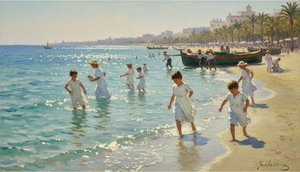
Joaquín Sorolla: Capturing Spanish Light & Life – A Legacy of Impressionism
Explore the luminous world of Joaquín Sorolla, Spanish master of Impressionism. Discover his life, techniques & legacy – a guide for art collectors and enthusiasts. Invest in timeless beauty.
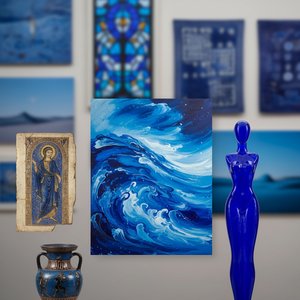
The Allure of Azure: Exploring the Symbolic & Aesthetic Depths of Blue in Art History
Explore the rich history of blue in art! Discover its symbolism, from ancient pigments to modern masterpieces by Kandinsky & Seurat. Uncover the psychological impact and cultural meanings behind this captivating hue.
Explore obras de arte organizadas por temas, estilos y características.