Vista previa
 Compartir
 Compartir
 Ver detalles
 Guía
Guía

 Descargar
 Ver artículos similares
 Radiografía
 Presentación de diapositivas
 Estadísticas
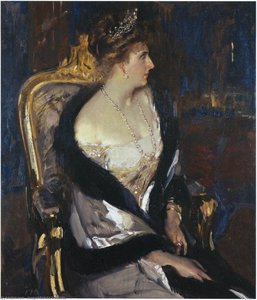
Maria Sick
 Oil On Canvas
- WallArt
- Impressionist Style
 1907
1907- 19th Century
 60.0 x 90.0 cm
Experience Joaquín Sorolla’s ‘Maria Sick,’ a captivating Impressionist portrait brimming with light and emotion from 1907. This oil on canvas captures everyday life with grace, perfect for art lovers.
 Leer más
Descubre a Joaquín Sorolla (1863-1923), maestro del Realismo y Luminismo español! Explora sus vibrantes pinturas llenas de luz mediterránea, playas, retratos y temas sociales. ¡Una figura clave del Impresionismo!
Giclée / Impresión de arte
Impresiones giclée o en lienzo de calidad de museo con producción rápida y opciones de acabado flexibles. ( Encargar reproducción pintada a mano Ver versión en imagen digital)




P118B €10

P118H €10

P118W €10

P438Z €10

P508JH €12

P508YH €12

P805H €10

P805Z €10

P919BZ €10

P919G €10

P919XJ €10

P959ZH €10

P968JZ €12

W106C €8

W218G €10

W218JH €8

W218Y €10

W307PJ €10

W316G €10

W316PJ €8

W316Y €10

W398PJ €8

W4111J €10

W500HY €15

W500JH €15

W692G €12

W849H €8

W940BG €15

W953PJ €8




Estándar
personalizado
CM
INCH
Elija entre nuestros tamaños predefinidos que respetan las proporciones originales de la obra.
Loading sizes...

ancho
altura
Introduzca el ancho y el alto que necesite para adaptarse a su marco o pared. Una impresión solo puede recortarse, nunca hacerse más grande que la imagen original, por lo que un tamaño con una forma distinta perderá parte de la obra. Le enviaremos una maqueta digital para su aprobación antes de realizar cualquier impresión. La imagen que se muestra en esta página no refleja el recorte real; solo la maqueta lo hace.
Envío a todo el mundo () en 2 semanas en lugar de las 4/5 semanas estándar. (24 octubre)

Envío exprés gratuito a todo el mundo

Lienzo de lino de alta calidad

Seguro de envío completo

Garantía de reembolso de impuestos aduaneros

Garantía de fidelidad cromática exacta

Política de devolución de 100 días (solo por defectos)

Garantía de devolución del 100% del dinero

Oferta por volumen
 La opción de vidrio solo está disponible en tamaños inferiores a 110 cm.

Maria Sick
Giclée / Impresión de arte
Tamaño de la reproducción
-


Precio total
€ 61
Introduction to Joaquin Sorolla Y Bastida
Joaquin Sorolla y Bastida – a name that resonates with the very essence of Spanish light and life. Born in Valencia in 1863, he wasn’t merely a painter; he was an interpreter of his nation's soul, capturing moments of everyday beauty with a remarkable sensitivity. His early years were marked by profound loss – orphaned at two due to a devastating cholera outbreak – an experience that undoubtedly shaped his artistic vision, fostering a deep appreciation for the transient nature of existence and translating this into works brimming with vibrant emotion.
Sorolla’s journey began in Valencia, where he honed his skills under the tutelage of established artists like Cayetano Capuz and José Benlliure. This foundational training paved the way for a four-year scholarship to Rome, a pivotal period during which he immersed himself in the classical traditions while simultaneously developing his own distinctive style – one characterized by an unparalleled mastery of light and color. His time in Rome profoundly influenced his approach, allowing him to synthesize classical influences with the burgeoning Impressionist movement.
Maria Sick: A Portrait of Contemplation
"Maria Sick," painted in 1907, is a poignant example of Sorolla’s ability to distill complex human emotion into a single, arresting image. The painting depicts a woman – presumably Maria – seated on the ground, wearing a hat and gazing intently towards something unseen. This simple composition belies a profound sense of introspection and quiet contemplation. The textured brick wall in the background isn't merely a backdrop; it’s an active element, adding depth and a subtle sense of unease to the scene.
Sorolla’s meticulous technique is immediately apparent. Executed in oil on canvas, the brushstrokes are loose yet confident, creating a shimmering effect that captures the play of light – a hallmark of his style. The use of color is particularly noteworthy; warm ochres and yellows dominate, reflecting the intense Mediterranean sunlight that Sorolla so famously sought to capture. The subtle variations in tone contribute significantly to the painting’s emotional impact, drawing the viewer into Maria's private world.
Artistic Style and Historical Context
"Maria Sick" firmly places Sorolla within the context of Spanish Impressionism. While influenced by French artists like Monet and Renoir, he adapted these techniques to suit his own unique vision, incorporating elements of Spanish realism and a deep understanding of local culture. The painting reflects his ability to capture not just the visual appearance of a scene but also its emotional resonance – a characteristic that earned him widespread acclaim during his lifetime.
Created in 1907, the work speaks to a period of significant artistic change in Europe. Sorolla’s embrace of Impressionism aligned with broader trends towards capturing fleeting moments and subjective experiences, reflecting a shift away from purely academic approaches to artmaking. His focus on everyday subjects – like this portrait of a woman – further cemented his position as a champion of accessible beauty.
Dimensions and Significance
This exquisite reproduction measures 60 x 90 cm (23.6 x 35.4 inches), making it an ideal size for a variety of interior spaces. The original painting, housed in the Museo de Bellas Artes de San Pio V in Spain, is a testament to Sorolla’s enduring legacy. "Maria Sick" offers a rare glimpse into the artist's world – a world characterized by light, color, and an unwavering commitment to capturing the beauty of human experience.
Preguntas y respuestas
¿Qué nivel de luminancia tiene "Maria Sick" de Joaquín Sorolla y Bastida?
Los colores de "Maria Sick" muestran una luminancia de Gentle Luminance.
¿Qué uso y espacio se recomiendan para "Maria Sick" de Joaquín Sorolla y Bastida?
Se sugiere "Maria Sick" para Reflective, y el espacio recomendado es un Living Room.
¿Qué atmósfera transmite "Maria Sick"?
El ambiente general de "Maria Sick" de Joaquín Sorolla y Bastida es Calm. Esta atmósfera describe la esencia general de la obra.
Obras relacionadas


Biografía del artista
Primeros años y formación
Joaquín Sorolla y Bastida, un renombrado pintor español, nació el 27 de febrero de 1863 en Valencia, España. Era hijo mayor de Joaquín Sorolla, comerciante, y Concepción Bastida. Tras quedar huérfano a los dos años, fue criado por su tía materna y su tío. Su vocación artística se manifestó temprano, recibiendo sus primeras lecciones de arte a la edad de nueve años en su ciudad natal. Posteriormente estudió bajo la tutela de Cayetano Capuz, Salustiano Asenjo y José Benlliure en Roma. Una beca de cuatro años le permitió estudiar pintura en Roma, Italia, donde se vio influenciado por Francisco Pradilla.Desarrollo Artístico y Estilo
El estilo artístico de Sorolla evolucionó desde una formación académica hacia un enfoque más luminoso e impresionista. Aunque inicialmente pintó obras con temas históricos y religiosos para complacer a las academias, pronto desarrolló su propio lenguaje visual caracterizado por la captura magistral de la luz mediterránea y el movimiento. Su habilidad para representar escenas cotidianas, especialmente aquellas relacionadas con la playa y los niños jugando, lo convirtió en un artista único. Su técnica se basaba en pinceladas rápidas y vibrantes que transmitían una sensación de espontaneidad y vitalidad.Obras Destacadas y Logros
Sorolla dejó un legado impresionante de obras maestras. Entre ellas destacan:- Italian Girl with Flowers (Niña Italiana con Flores), una obra que ejemplifica su habilidad para capturar la esencia de sus sujetos.
- Bathing Time (Tiempo de Baño), demostrando su dominio del equilibrio entre luz y color, especialmente en escenas marinas.
- White Slave Trade (Trata de Blancas), un ejemplo raro de realismo social en su obra, abordando temas importantes de la época.
- Numerosas pinturas costumbristas que retratan la vida en las playas españolas, con figuras vibrantes y llenas de energía.
Influencia e Importancia Histórica
Joaquín Sorolla es considerado uno de los máximos exponentes del luminismo español y un precursor del impresionismo en España. Su capacidad para capturar la luz y el color con una técnica innovadora lo distingue de otros artistas de su época. Su obra ha influido a generaciones de pintores españoles, y su legado continúa siendo apreciado por su vitalidad, optimismo y representación fiel de la vida cotidiana. El Museo Sorolla en Madrid es un testimonio de su importancia histórica y una fuente invaluable para el estudio de su arte. Su habilidad para plasmar la alegría y la belleza del Mediterráneo lo ha convertido en un icono de la pintura española. Su obra, caracterizada por la luminosidad y la bravura, sigue inspirando a artistas hoy en día.
Joaquín Sorolla y Bastida
1863 - 1923 , España
Datos clave
- Artistas Influyentes: ['Francisco Pradilla']
- Estilo Artístico: Realismo, Luminismo
- Fecha De Fallecimiento: 23 de agosto de 1923
- Fecha De Nacimiento: 27 de febrero de 1863
- Lugar De Nacimiento: Valencia, España
- Nacionalidad: Española
- Nombre Completo: Joaquín Sorolla y Bastida
- Obras Notables:
- Italian Girl with Flowers
- Bathing Time
- White Slave Trade
Artículos relacionados

The Soul of Impressionism: Why Oil on Canvas Captures Eternal Light and Timeless Emotion
Discover the enchanting alchemy of Impressionism. Explore how the mastery of oil on canvas, through glazing and impasto, captures eternal light and emotion. Perfect for lovers of Monet and Van Gogh seeking the profound depth of hand-painted fine art.
Explore obras de arte organizadas por temas, estilos y características.