
 Ver en contexto
 Enviar
 Compartir
 Detalles
 Guía
Guía

 Descargar
 Similares
 Radiografía
 Presentación de diapositivas
 Preguntas y respuestas
 Estadísticas
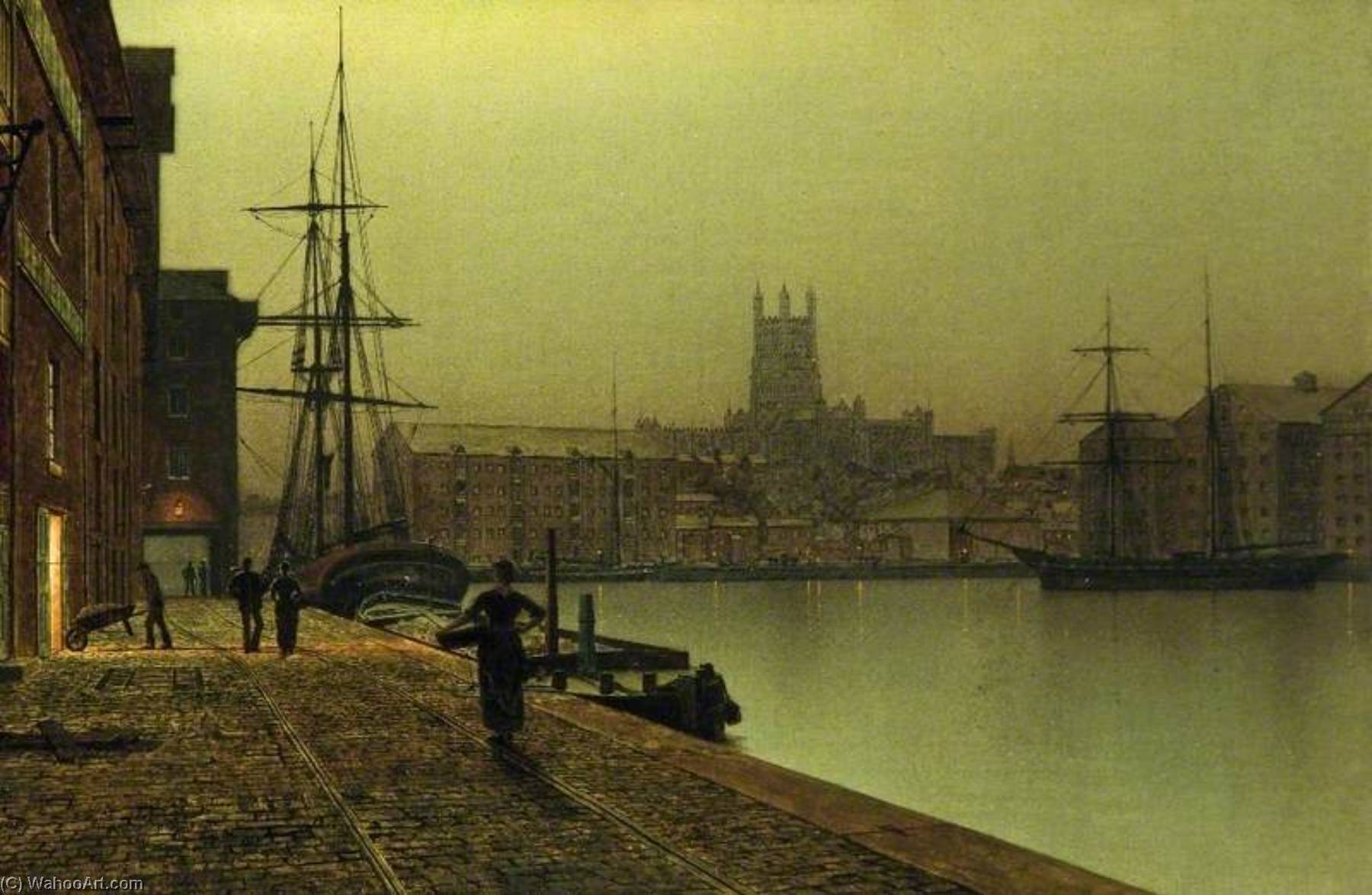
Gloucester Docks

- 44.0 x 68.0 cm


A serene and atmospheric realism masterpiece by John Atkinson Grimshaw capturing the tranquil docks of Gloucester in 1890 with misty light and detailed maritime life, perfect for adding Victorian elegance to your collection.
 Ver más
Descubre John Atkinson Grimshaw (1836-1893), maestro victoriano de paisajes nocturnos y atmósferas evocadoras. Explora sus escenas urbanas, efectos de luz lunar y detalles pre-rafaelitas.
Giclée / Impresión de arte
Impresiones giclée o en lienzo de calidad de museo con producción rápida y opciones de acabado flexibles. ( Comprar pintura hecha a mano Cambiar a imagen digital)




P118B €10

P118H €10

P118W €10

P438Z €10

P508JH €12

P508YH €12

P805H €10

P805Z €10

P919BZ €10

P919G €10

P919XJ €10

P959ZH €10

P968JZ €12

W106C €8

W218G €10

W218JH €8

W218Y €10

W307PJ €10

W316G €10

W316PJ €8

W316Y €10

W398PJ €8

W4111J €10

W500HY €15

W500JH €15

W692G €12

W849H €8

W940BG €15

W953PJ €8




Tamaño estándar
a medida
CM
INCH
Elija entre nuestros tamaños predefinidos que respetan las proporciones originales de la obra.
Loading sizes...

ancho
altura
Introduzca el ancho y el alto que necesite para adaptarse a su marco o pared. Una impresión solo puede recortarse, nunca hacerse más grande que la imagen original, por lo que un tamaño con una forma distinta perderá parte de la obra. Le enviaremos una maqueta digital para su aprobación antes de realizar cualquier impresión. La imagen que se muestra en esta página no refleja el recorte real; solo la maqueta lo hace.
Envío a todo el mundo () en 2 semanas en lugar de las 4/5 semanas estándar. (9 noviembre)

Envío exprés gratuito a todo el mundo

Lienzo de lino de alta calidad

Seguro de envío total

Garantía de reembolso de aranceles aduaneros

Garantía de fidelidad cromática exacta

Política de devolución de 100 días (solo por defectos)

Garantía de devolución del 100% del dinero

Descuento por cantidad
 La opción de vidrio solo está disponible en tamaños inferiores a 110 cm.

Gloucester Docks
Giclée / Impresión de arte
Dimensiones de la reproducción
-


Precio total final
€ 62
A Symphony of Mist and Moonlight
In the quietude of the late nineteenth century, few artists possessed the ability to capture the ephemeral soul of the English landscape as profoundly as John Atkinson Grimshaw. His masterpiece, Gloucester Docks, serves as a breathtaking window into a bygone era, where the industrial pulse of the docks meets the poetic stillness of nature. The painting invites the viewer into a world of muted tones and soft transitions, where the water acts as a dark, liquid mirror reflecting the sturdy architecture of the harbor. There is a profound sense of peace found within this composition, a moment frozen in time where the heavy masts of sailing ships reach toward an overcast sky, and the very air seems thick with the damp, cool breath of a maritime evening.
The technical mastery displayed in this work is nothing short of extraordinary. Grimshaw, often celebrated as a master of moonlight and nocturnal atmosphere, employs a sophisticated palette of earth tones, slate grays, and pale blues to construct a scene that feels both tangible and dreamlike. Through meticulous brushwork, he achieves a remarkable variety of textures; one can almost feel the rough grain of the wooden docks, the smooth, cold surface of the stone buildings, and the subtle, rhythmic ripples that disturb the water's surface. The lighting is intentionally subdued, eschewing harsh highlights in favor of a soft, diffused glow that permeates the scene, creating a melancholic yet tranquil mood that lingers in the mind long after the first viewing.
The Poetics of the Industrial Landscape
Beyond its aesthetic beauty, Gloucester Docks carries a deep historical resonance. Created around 1890, the painting captures the intersection of Victorian commerce and the romanticized landscape. While the docks represent the burgeoning industrial strength of the United Kingdom, Grimshaw chooses to depict them not with the clamor of progress, but with a sense of dignified repose. The ships, with their intricate rigging and imposing silhouettes, stand as silent sentinels of trade, while the surrounding architecture tells a story of a community built upon the rhythms of the water. This duality—the strength of man-made structures set against the soft, unpredictable elements of weather and light—is what gives the piece its enduring emotional depth.
For the discerning collector or interior designer, this artwork offers more than mere decoration; it provides an atmospheric anchor for a room. The balanced composition, with its horizon line placed near the center, creates a sense of stability and calm that is perfect for creating a sophisticated sanctuary within a home. Whether placed in a sunlit gallery or a dimly lit study, the painting’s subtle interplay of shadow and light brings a layer of intellectual and emotional complexity to any space. It is an invitation to slow down, to observe the fine details of the masts and chimneys, and to lose oneself in the quiet, evocative beauty of a misty morning at the docks.
Preguntas y respuestas
¿Permaneció "Gloucester Docks" en el país de origen de su artista?
Sí, la obra se encuentra en el país de origen del artista. "Gloucester Docks" se encuentra en Reino Unido, mientras que John Atkinson Grimshaw nació en Reino Unido.
¿Cuál es la fecha y el estilo de "Gloucester Docks" de John Atkinson Grimshaw?
"Gloucester Docks" fue realizada en 1890, dentro del movimiento Realism.
¿Qué artista y qué estilo definen a "Gloucester Docks"?
"Gloucester Docks" fue creada por John Atkinson Grimshaw bajo el estilo Realism. El artista y el movimiento definen la tradición de la obra.
Biografía del artista
John Atkinson Grimshaw: El Maestro Victoriano de los Paisajes Nocturnos
John Atkinson Grimshaw, nacido en Leeds en 1836, se erige como una figura singular y evocadora dentro del panteón de los artistas victorianos. No fue simplemente un pintor de paisajes; fue un cronista de la atmósfera, un poeta de la luz y la sombra, y un observador perspicaz del floreciente mundo industrial que lo rodeaba. Su trayectoria desde empleado ferroviario hasta artista celebrado es un testimonio de su inquebrantable dedicación y visión artística, una historia a menudo recordada como un inspirador ejemplo de perseguir la pasión contra las expectativas sociales. Inicialmente recibió la desaprobación familiar cuando abandonó un trabajo estable a los veinticuatro años para dedicarse a la pintura, pero Grimshaw perseveró, impulsado por un talento innato que finalmente definiría su legado. Sus primeras exposiciones mostraban bodegones modestos –aves, frutas, flores– presentados bajo el patrocinio de la Sociedad Filosófica y Literaria de Leeds en 1862, pero fue su posterior exploración de escenas nocturnas lo que realmente lo distinguió, estableciendo un estilo instantáneamente reconocible y profundamente conmovedor.Influencias y Desarrollo Artístico
Los fundamentos artísticos de Grimshaw estaban firmemente arraigados en las corrientes estéticas de su tiempo, sin embargo, sintetizó estas influencias en algo distintivamente propio. El movimiento prerrafaelita ejerció una influencia significativa, evidente en su meticulosa atención al detalle, realismo y vibrantes paletas de colores. Compartió su compromiso de capturar la belleza del mundo natural con una precisión inquebrantable, pero Grimshaw no fue simplemente un imitador. Forjó su propio camino abrazando técnicas innovadoras, sobre todo su abierto uso de herramientas como la cámara oscura o lentes para proyectar escenas sobre el lienzo. Esta práctica, considerada controvertida por algunos contemporáneos que cuestionaban su mérito artístico, le permitió lograr una notable precisión en la perspectiva y el detalle, creando imágenes que poseían una calidad casi fotográfica. James McNeill Whistler mismo reconoció la maestría de Grimshaw en los efectos nocturnos, concediendo famosamente que se había considerado a sí mismo el “inventor de los nocturnos” hasta encontrarse con las pinturas iluminadas por la luna de Grimshaw. Más allá de los ideales prerrafaelitas, influencias de artistas como James Tissot y el movimiento estético en general pueden verse en sus escenas interiores, que muestran habitaciones ricamente decoradas y un enfoque en capturar el estado de ánimo y la emoción a través de la luz y la sombra. No tuvo miedo de experimentar, mezclando técnicas tradicionales con herramientas modernas para lograr los efectos deseados –una audacia que lo separó de muchos de sus pares.Logros Mayores y Obras Notables
La década de 1870 marcó un período de éxito significativo para Grimshaw. Estableció residencias tanto en Leeds como en Scarborough, esta última convirtiéndose en un tema frecuente de su arte. Fue durante este tiempo que desarrolló su estilo característico –escenas urbanas atmosféricas representadas bajo el crepúsculo o el cálido resplandor de la luz de gas. Liverpool desde Wapping (1875) ejemplifica este período, mostrando la energía industrial del puerto con una mezcla de realismo y pincelada impresionista. La pintura captura no solo las estructuras físicas de los muelles sino también la bulliciosa actividad y la sensación de movimiento constante que caracterizaba al Liverpool victoriano. Endymion en el Monte Latmos (1879), inspirado en el poema de Keats, demuestra su capacidad para traducir temas literarios en paisajes oníricos visualmente impresionantes –un testimonio de su curiosidad intelectual y versatilidad artística. Dulce Domum (1885) es un ejemplo particularmente convincente de sus escenas interiores, invitando al espectador a un mundo de tranquila intimidad y elegancia refinada. En Hampstead Hill, otra obra celebrada, captura perfectamente la transición del crepúsculo a la noche, mostrando la excepcional habilidad de Grimshaw para manipular la luz y la sombra. Sus pinturas se exhibieron regularmente en la Royal Academy entre 1874 y 1885, consolidando su reputación dentro del mundo artístico establecido. Estas obras no eran simplemente representaciones de lugares; eran paisajes emocionales, impregnados de una sensación de misterio y contemplación silenciosa.Legado e Importancia Histórica
A pesar de un período de relativa oscuridad después de su muerte en 1893, la obra de John Atkinson Grimshaw experimentó un importante renacimiento durante la segunda mitad del siglo XX. Una exposición retrospectiva, “Atkinson Grimshaw – Pintor de la Luz de Luna”, celebrada en la Mercer Art Gallery en Harrogate y la Guildhall Art Gallery en Londres en 2011, atrajo una renovada atención a sus cautivadores paisajes. El legado perdurable de Grimshaw reside en su capacidad para evocar una poderosa sensación de atmósfera y estado de ánimo a través de su magistral uso de la luz y el detalle. No se limitó a documentar escenas; capturó emociones –la tranquila soledad de una calle iluminada por la luna, la bulliciosa energía de un puerto, el cálido confort de un interior doméstico. Su obra ofrece una ventana única a la vida victoriana, revelando tanto su grandeza como su subyacente sensación de alienación. Sigue siendo una figura importante en la historia del arte victoriano, celebrado por su estilo distintivo y su capacidad para transformar escenas ordinarias en obras de arte extraordinarias. La influencia de sus técnicas atmosféricas se puede ver en artistas posteriores que buscaron capturar el estado de ánimo y la emoción de una escena en lugar de simplemente su apariencia física. Su disposición a adoptar nuevas tecnologías, como la cámara oscura, también allanó el camino para futuras experimentaciones artísticas. Las pinturas de Grimshaw continúan resonando con el público actual, recordándonos la belleza que se puede encontrar en lo cotidiano y el poder del arte para transportarnos a otro tiempo y lugar.
John Atkinson Grimshaw
1836 - 1893 , Reino Unido
Datos clave
- Artistas Influenciados: ['Movimiento Estético']
- Artistas Que Influyeron:
- Pre-Rafaelitas
- James Tissot
- Fecha De Fallecimiento: 13 de octubre de 1893
- Fecha De Nacimiento: 6 de septiembre de 1836
- Lugar De Nacimiento: Leeds, Reino Unido
- Movimiento Artístico: Victoriano, Pre-Rafaelita
- Nacionalidad: Británico
- Nombre Completo: John Atkinson Grimshaw
- Obras Notables:
- Liverpool desde Wapping
- Endymion en el Monte Latmos
- Dulce Domum
- On Hampstead Hill
Artículos relacionados

Las 25 mejores obras de John Constable: Un viaje al corazón del paisaje inglés
Descubre las 25 obras maestras de John Constable y su alma romántica. Explora la colección completa en TopImpressionists.com.

John Singer Sargent: Las 25 Obras Maestras del Retrato y la Belle Époque | TopImpressionists
Descubre las 25 obras maestras de John Singer Sargent, el maestro del retrato y la Belle Époque. Explora su técnica impresionista, historias fascinantes y encuentra reproducciones de arte exclusivas para decorar tu hogar con elegancia en TopImpressionists.com.

John Collier: Pre-Raphaelite Realism & Victorian Psychological Portraiture
Explore the captivating world of John Collier, a leading Pre-Raphaelite painter renowned for his psychologically insightful Victorian portraits. Discover his masterpieces and lasting artistic legacy.

10 Obras Maestras del Realismo Romántico que Debes Conocer
Explora la emoción y el detalle del Realismo Romántico. Un viaje por 10 obras maestras que capturan la esencia humana con técnica y alma. Encuentra inspiración y reproducciones de calidad museo para tu hogar en TopImpressionists.com. ¡Descubre toda la colección online!

John Atkinson Grimshaw: Atmospheric Realism & the Victorian Nocturne
Explore the captivating world of John Atkinson Grimshaw, Victorian master of atmospheric nightscapes. Discover his iconic paintings, unique techniques & enduring legacy. Learn about collecting Grimshaw's art today!
Explore obras de arte organizadas por temas, estilos y características.


