


 Vista previa
 Compartir
 Compartir
 Ver detalles
 Guía
Guía

 Descargar
 Ver artículos similares
 Radiografía
 Presentación de diapositivas
 Estadísticas
Orange Branch
 Oil On Canvas
- WallArt
- American Colorism & Japonisme
 1883
1883- 19th Century
 138.0 x 30.0 cm
 Museo Metropolitano de Arte
Experience the vibrant Japonisme of John La Farge's 1883 Orange Branch, a luminous study of color and light you will adore.
 Leer más
John LaFarge (1835-1910): Pintor estadounidense pionero en vidrieras y murales luminosos, influenciado por el arte japonés. Descubre su obra maestra y legado artístico único.
Giclée / Impresión de arte
Impresiones giclée o en lienzo de calidad de museo con producción rápida y opciones de acabado flexibles. ( Encargar reproducción pintada a mano Ver versión en imagen digital)




P118B €10

P118H €10

P118W €10

P438Z €10

P508JH €12

P508YH €12

P805H €10

P805Z €10

P919BZ €10

P919G €10

P919XJ €10

P959ZH €10

P968JZ €12

W106C €8

W218G €10

W218JH €8

W218Y €10

W307PJ €10

W316G €10

W316PJ €8

W316Y €10

W398PJ €8

W4111J €10

W500HY €15

W500JH €15

W692G €12

W849H €8

W940BG €15

W953PJ €8




Estándar
personalizado
CM
INCH
Elija entre nuestros tamaños predefinidos que respetan las proporciones originales de la obra.
Loading sizes...

ancho
altura
Introduzca el ancho y el alto que necesite para adaptarse a su marco o pared. Una impresión solo puede recortarse, nunca hacerse más grande que la imagen original, por lo que un tamaño con una forma distinta perderá parte de la obra. Le enviaremos una maqueta digital para su aprobación antes de realizar cualquier impresión. La imagen que se muestra en esta página no refleja el recorte real; solo la maqueta lo hace.
Envío a todo el mundo () en 2 semanas en lugar de las 4/5 semanas estándar. (24 octubre)

Envío exprés gratuito a todo el mundo

Lienzo de lino de alta calidad

Seguro de envío completo

Garantía de reembolso de impuestos aduaneros

Garantía de fidelidad cromática exacta

Política de devolución de 100 días (solo por defectos)

Garantía de devolución del 100% del dinero

Oferta por volumen
 La opción de vidrio solo está disponible en tamaños inferiores a 110 cm.

Orange Branch
Giclée / Impresión de arte
Tamaño de la reproducción
-


Precio total
€ 61
A Symphony of Color and Japonisme
In the quiet brilliance of John La Farge’s 1883 masterpiece, "Orange Branch," viewers are invited into a world where nature and artistry converge in perfect harmony. This exquisite work is far more than a mere botanical study; it is a profound exploration of light, texture, and the delicate dance between Eastern influence and Western Impressionism. At first glance, the eye is immediately drawn to the vibrant, sun-drenched oranges that cling to a slender branch, their golden hues radiating a warmth that seems to pulse from within the canvas itself. La Farge captures not just the fruit, but the very essence of ripeness, inviting a sense of serene contemplation that transcends the boundaries of a simple landscape.
The painting serves as a breathtaking testament to Japonisme, the late 19th-century fascination with Japanese aesthetics that swept through the American art scene. Following the opening of Japan to Western trade, artists like La Farge found profound inspiration in the flattened perspectives and organic compositions of sumi-e ink paintings. In "Orange Branch," this influence is palpable in the way the branch extends diagonally across the frame, creating a balanced yet dynamic movement that guides the viewer’s gaze through the composition. The soft, ethereal blue background acts as a tranquil stage, providing an understated counterpoint to the vivid warmth of the fruit and ensuring that every leaf and citrus orb commands the spotlight.
Mastery of Light and Luminous Technique
To behold "Orange Branch" is to witness the technical virtuosity of a true master of color. La Farge employed a sophisticated technique of layering glazes—applying thin, translucent washes of oil paint over successive layers—to achieve a depth and luminosity that few could replicate. This meticulous process allows light to penetrate the surface of the paint, reflecting back with a brilliance that mimics the natural glow of sunlight filtering through foliage. The oranges possess a tactile quality, their skins rendered with such precision that one can almost sense the subtle variations in texture and the weight of the fruit.
Complementing this luminous fruit is La Farge’s masterful depiction of the surrounding greenery. Through delicate, rhythmic brushstrokes, he creates a textured surface that breathes life into the leaves, capturing the fleeting effects of light and shadow with an Impressionist sensibility. This focus on the ephemeral—the way a leaf catches a glint of sun or how a shadow softens at the edge of a branch—imbues the work with a sense of living, breathing reality. For the discerning collector or interior designer, this painting offers a sophisticated interplay of color and form that can anchor a room, providing both a focal point of intense energy and a source of quiet, natural grace.
An Enduring Legacy for the Modern Collector
Beyond its technical brilliance, "Orange Branch" carries an emotional resonance that remains deeply relevant in our modern, fast-paced world. It offers a moment of stillness, a window into a period of intense cultural exchange and artistic innovation. The painting’s ability to evoke both the vitality of nature and the sophisticated intellect of the Gilded Age makes it a timeless piece of art history. Whether displayed in a sunlit gallery or as a centerpiece in a curated residential space, this work continues to inspire awe through its harmonious balance of color, light, and historical depth.
For those seeking to bring the prestige of American Impressionism into their personal collections, a high-quality reproduction of this work provides an unparalleled opportunity. It allows the rich textures and radiant golds of La Farge’s vision to transform an environment, offering a touch of 19th-century elegance and a profound connection to the enduring beauty of the natural world.
Preguntas y respuestas
¿Es "Orange Branch" representativo de lo que John La Farge solía crear?
"Orange Branch" representa orange blossoms, floral painting, american art, john la farge, japanese influence, late 19th century, landscape detail, mientras que los temas recurrentes de John La Farge son japanese aesthetic vision, coloristic exploration, symbolism, american landscape tradition, floral imagery & beauty, la farge’s artistic legacy. Al comparar ambos, se observa cómo la obra se relaciona con los temas habituales del artista.
¿Puedo ver "Orange Branch" de John La Farge bajo diferentes luces?
La vista de rayos X de "Orange Branch" de John La Farge se encuentra en la página Rayos X de la obra: un examen interactivo de la imagen a través de once capas ópticas.
¿Dónde y para qué uso se recomienda "Orange Branch"?
Se sugiere "Orange Branch" para Accent, y el espacio recomendado es un Living Room.
Obras relacionadas


Biografía del artista
John La Farge: A Pioneer of Color and Symbolism
John LaFarge (Nueva York, 31 de marzo de 1835 – Providence, Rhode Island, 14 de noviembre de 1910) fue un pintor estadounidense reconocido por su innovación en el arte del vidrio coloreado, muralismo luminoso y una profunda fascinación por la estética japonesa. Su obra maestra permanece como testimonio de una época marcada por el espíritu creativo y la búsqueda constante de nuevas expresiones artísticas.Primeros años y Educación
Nacido en Nueva York hijo de padres franceses ricos, LaFarge recibió una educación bilingüe que fomentó su sensibilidad artística desde temprana edad. Estudió filosofía y literatura en Harvard University antes de trasladarse a París donde entró en contacto con la comunidad intelectual francesa y estudió bajo la guía del pintor Thomas Couture, absorbiendo las tradiciones artísticas europeas. Esta formación inicial fue esencial para el desarrollo de un estilo propio que combinaría elementos clásicos con una nueva visión estética impulsada por los principios del Romanticismo. Posteriormente, regresó a Nueva York donde continuó sus estudios en St. John’s College (hoy Universidad Fordham), estableciendo raíces sólidas en la tradición académica estadounidense pero manteniendo una apertura hacia las corrientes culturales internacionales.Trayectoria Artística: Pintura y Diseño
La Farge comenzó su carrera artística con paisajes impresionistas que capturaban la belleza de la naturaleza estadounidense, utilizando colores vibrantes y técnicas innovadoras para transmitir emociones y sensaciones. Rápidamente adquirió fama por sus pinturas mitológicas y religiosas, destacando especialmente "Virgil", una obra maestra del simbolismo americano que exploraba temas religiosos y filosóficos con una sensibilidad excepcional. Sus murales fueron encargos importantes para edificios públicos como la Iglesia de la Trinidad en Boston (1873) y la Iglesia de la Ascensión en Nueva York (1875), donde aplicó sus conocimientos técnicos y su visión artística para crear espacios llenos de luz y color que evocaban sentimientos profundos. Además, LaFarge desarrolló una actividad escultórica destacada, creando obras maestras como "El Sagrado Bosque" en Rhode Island que reflejan la influencia del paisaje americano y el espíritu romántico. También realizó diseños interiores originales para edificios públicos y privados, demostrando su habilidad para integrar elementos arquitectónicos y decorativos con armonía estética y funcionalidad.Innovación en Vidrieras: El Legado Luminoso
La Farge revolucionó el arte del vidrio coloreado mediante la introducción de técnicas innovadoras que permitieron lograr una luminosidad y profundidad cromática sin precedentes. Desarrolló un método único para crear vidrieras utilizando múltiples capas de vidrio opalescente, una innovación que fue reconocida internacionalmente por expertos en diseño y arquitectura. Este proceso creativo impulsó el desarrollo del estilo Arts and Crafts estadounidense, donde LaFarge colaboró con otros artistas destacados como William Morris Hunt y Gustav Stickley para crear espacios interiores excepcionales que celebraban la belleza natural y la artesanía tradicional. Sus vidrieras iluminaron edificios emblemáticos como Trinity Church en Boston y la Iglesia de la Ascensión en Nueva York, convirtiéndose en símbolos de inspiración artística y espiritualidad. Además, LaFarge fue pionero en el uso de nuevos materiales y técnicas para crear obras escultóricas originales que desafiaban las convenciones artísticas establecidas.Influencias y Desarrollo Estético: Japón y el Simbolismo
La Farge recibió una fuerte influencia del arte japonés, cuyo estudio profundo marcó un punto de inflexión en su desarrollo artístico. Tras viajar a Japón en 1886 junto con Henry Adams, LaFarge incorporó elementos característicos de la estética oriental en sus pinturas y diseños interiores, como la armonía entre naturaleza y arquitectura, el uso de colores suaves y naturales y una sensibilidad hacia las formas geométricas simples. Estos principios estéticos reflejan el espíritu del simbolismo americano, corriente artística que buscaba expresar emociones y sentimientos profundos mediante símbolos y metáforas visuales. LaFarge fue un defensor apasionado de la libertad creativa y rechazó las restricciones impuestas por la Academia Nacional de Diseño estadounidense, estableciendo una escuela de arte independiente donde fomentó el desarrollo de nuevos talentos y promovió la exploración de nuevas corrientes artísticas. Su legado artístico permanece como testimonio de una época marcada por la innovación estética y la búsqueda constante de nuevas formas de expresión artística.
John La Farge
1835 - 1910 , Estados Unidos de América
Datos clave
- Artistic Movement Or Style: Symbolismo, Arts & Crafts
- Artists Or Movements Influenced By This Artist: ['Maria Oakey Dewing']
- Artists Who Influenced This Artist: ['Thomas Couture']
- Date Of Birth: March 31, 1835
- Date Of Death: November 14, 1910
- Full Name: John La Farge
- Nationality: American
- Notable Artworks:
- El sagrado bosque
- Iglesia de la Trinidad
- Iglesia de la Ascensión
- Place Of Birth: Nueva York City, Estados Unidos de América
Artículos relacionados

Eternal Bonds in Dappled Light: Capturing the Tender Warmth of Family Gatherings in Impressionist Masterpieces
Step into a world of dappled sunlight and tender connections. Explore how Impressionist masters like Renoir captured the warmth of family life. At TopImpressionists.com, we transform your cherished memories into exquisite, hand-painted oil masterpieces that celebrate eternal bonds.

Capturing the Soul: The Most Emotionally Moving Impressionist and Post-Impressionist Masterpieces
Discover the profound emotional depth of Impressionist and Post-Impressionist masterpieces. Explore how legends like Monet, Van Gogh, and Gauguin captured light and soul through evocative landscapes and vibrant brushwork for a timeless connection to art history.
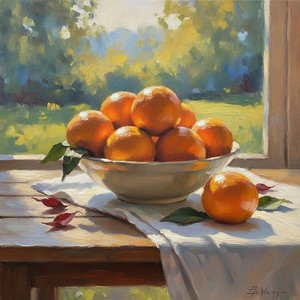
Sun-Drenched Citrus: The Vibrant Beauty of Oranges in Impressionist Masterpieces
Embark on a sensory journey through Impressionist masterpieces. Discover how Renoir and Cézanne captured the vibrant light and luscious textures of sun-drenched oranges in exquisite still life paintings designed to inspire and transform your home.

Modern Soul, Timeless Light: Bringing the Magic of Impressionist Masterpieces into Contemporary Interiors
Discover how to infuse contemporary spaces with the luminous magic of Impressionism. From Monet's light to Renoir's warmth, learn expert tips for styling hand-painted masterpieces and custom art reproductions in your modern home.

The Luminous Hallway: Transforming Your Home with the Ethereal Magic of Impressionist Masterpieces
Transform your hallways with the luminous beauty of Impressionist masterpieces. Discover expert tips on selecting Monet-inspired palettes and multi-panel landscapes to create a breathtaking, light-filled gallery walk in your home. Elevate your space with timeless, hand-painted elegance.
Explore obras de arte organizadas por temas, estilos y características.


