


 Vista previa
 Compartir
 Compartir
 Ver detalles
 Guía
Guía

 Descargar
 Ver artículos similares
 Radiografía
 Presentación de diapositivas
 Estadísticas
Chamouni, Rocks and Vegetation


John Ruskin's 'Chamouni, Rocks and Vegetation' (1854) is a breathtaking watercolor depicting a mountainous alpine scene dominated by rocky cliffs and lush plant life. Executed in the style of Millais’ portrait of Ruskin, it exemplifies Ruskin’s championing of naturalism and represents a pivotal piece within his artistic legacy.
 Leer más
Descubre a John Ruskin (1819-1900), polímata victoriano, crítico de arte y pensador social. Explora sus paisajes, análisis arquitectónicos e influyentes ensayos sobre la naturaleza y la sociedad.
Reproducción al óleo hecha a mano
Óleo sobre lienzo pintado a mano en el tamaño y marco de su elección, realizado por encargo por nuestros artistas. ( Cambiar a formato impreso Ver versión en imagen digital)




P118B €10

P118H €10

P118W €10

P438Z €10

P508JH €12

P508YH €12

P805H €10

P805Z €10

P919BZ €10

P919G €10

P919XJ €10

P959ZH €10

P968JZ €12

W106C €8

W218G €10

W218JH €8

W218Y €10

W307PJ €10

W316G €10

W316PJ €8

W316Y €10

W398PJ €8

W4111J €10

W500HY €15

W500JH €15

W692G €12

W849H €8

W940BG €15

W953PJ €8




Estándar
personalizado
CM
INCH
Elija entre nuestros tamaños predefinidos que respetan las proporciones originales de la obra.
Loading sizes...

ancho
altura
Escriba el ancho y el alto que necesite para adaptarse a su marco o a su pared. Al ser una obra pintada a mano, para un tamaño con una forma distinta, el artista puede pintar un poco más alrededor de la imagen o recortar un poco; usted elige. Le enviaremos una maqueta digital para su aprobación antes de comenzar la pintura. La imagen que se muestra en esta página no refleja el resultado real; solo la maqueta lo hace.
Ejemplos de lo que se puede personalizar: Reemplace el rostro con una foto del cliente; Agregue una mascota (por ejemplo, cambie un gato por un perro); Incluya un mensaje oculto en el fondo; Cambie el paisaje o los elementos del fondo.
Tras realizar el pedido, el equipo de TopImpressionists.com enviará un correo electrónico al cliente para solicitar instrucciones y proporcionarle una vista previa del boceto.
Tras realizar el pedido, el equipo de TopImpressionists.com enviará un correo electrónico al cliente para solicitar instrucciones y proporcionarle una vista previa del boceto.
Envío a todo el mundo () en 3-4 semanas en lugar de las 5 semanas estándar. (22 octubre). Sin comprometer la calidad.

Envío exprés gratuito a todo el mundo

Lienzo de lino de alta calidad

Seguro de envío completo

Garantía de reembolso de impuestos aduaneros

Garantía de fidelidad cromática exacta

Política de devolución de 100 días (solo por defectos)

Garantía de devolución del 100% del dinero

Oferta por volumen
 La opción de vidrio solo está disponible en tamaños inferiores a 110 cm.

Chamouni, Rocks and Vegetation
Técnica de reproducción
Tamaño de la reproducción
-


Precio total
€ 236
Ruskin’s Alpine Reverie: A Study in Texture and Moral Vision
John Ruskin's "Chamouni, Rocks and Vegetation," painted in 1854, stands as a testament to the Pre-Raphaelite movement’s fascination with capturing the sublime beauty of the natural world—a pursuit inextricably linked to ethical contemplation. More than just a landscape depiction, it embodies Ruskin’s profound belief that art should serve as a conduit for moral enlightenment, mirroring his broader philosophical stance on humanity's relationship with God and creation.- Subject Matter: The painting portrays the towering granite peaks of Mont Blanc (Chamouni), bathed in diffused sunlight—a quintessential Alpine vista meticulously rendered by Ruskin’s hand.
- Style & Technique: Ruskin championed a style characterized by painstaking detail and luminous color, prioritizing observation over idealized representation. He employed watercolor on paper, layering thin washes to build up texture and capturing the subtle nuances of light and shadow. The artist's deliberate brushstrokes convey a sense of immediacy and reverence for the grandeur of the mountain landscape.
- Historical Context: Created during Ruskin’s formative years as an art critic and intellectual, “Chamouni” reflects his burgeoning interest in geology and his conviction that understanding the physical world illuminates spiritual truths. It aligns perfectly with Millais's ambitious portrait of Ruskin at Glenfinlas, commissioned shortly after—a visual embodiment of Ruskin’s commitment to portraying nature with uncompromising honesty.
- Symbolism: The jagged rocks symbolize resilience and permanence against the relentless forces of time and decay – mirroring Ruskin’s broader moral concerns about confronting mortality and embracing virtue. The sparse vegetation represents the delicate balance between beauty and fragility, prompting viewers to consider humanity's responsibility for safeguarding the natural environment.
- Emotional Impact: Viewing “Chamouni” evokes a feeling of awe and contemplation—a desire to reconnect with the sublime grandeur of God’s creation. Ruskin aimed not merely to depict a mountain scene but to inspire a deeper appreciation for beauty, truth, and moral integrity—goals that continue to resonate powerfully with audiences today.
Detailed Examination: Texture and Color Palette
Ruskin's masterful watercolor technique is evident in the meticulous layering of washes that create an astonishingly realistic depiction of rock formations. The artist painstakingly captures the variations in tone and texture—from the rough granite surfaces to the smoother patches where lichen clings to the stone—demonstrating a dedication to observation unparalleled for his time. Furthermore, the color palette—dominated by muted blues, greens, and yellows—reflects the atmospheric conditions prevalent during Mont Blanc’s summers—a subtle yet crucial element in conveying Ruskin's vision of natural beauty.Connections to Millais’ Glenfinlas Portrait
The painting shares a striking stylistic kinship with Millais’ celebrated portrait of Ruskin at Glenfinlas, completed the following year. Both artists prioritized capturing the essence of their subject—Ruskin himself—within a landscape setting that served as a backdrop for intellectual and spiritual reflection. This deliberate juxtaposition underscores Ruskin's conviction that art should illuminate moral truths alongside aesthetic splendor—a principle that continues to inform artistic endeavors across disciplines.Legacy & Enduring Relevance
“Chamouni, Rocks and Vegetation” remains an influential work of art, anticipating the burgeoning interest in environmentalism and sustainability that would characterize the latter half of the 19th century. Ruskin’s insistence on portraying nature with uncompromising honesty—a stance rooted in his profound moral sensibility—continues to inspire artists and thinkers today—serving as a timeless reminder of the transformative power of beauty and contemplation.Preguntas y respuestas
¿Qué estado de ánimo y emoción expresa "Chamouni, Rocks and Vegetation" de John Ruskin?
El estado de ánimo capturado en "Chamouni, Rocks and Vegetation" de John Ruskin es Serene, y su tono emocional es Tranquil.
¿Dónde puedo comprar una imagen digital de "Chamouni, Rocks and Vegetation" de John Ruskin?
Para obtener un archivo digital de "Chamouni, Rocks and Vegetation" de John Ruskin, solicite descarga de una imagen digital en alta resolución en su página de Imagen Digital.
¿Cuál es el tamaño de impresión recomendado para "Chamouni, Rocks and Vegetation" de John Ruskin?
El tamaño de impresión recomendado para "Chamouni, Rocks and Vegetation" de John Ruskin es Large.
Biografía del artista
Primeros años y educación
John Ruskin, un renombrado polímata inglés, nació el 8 de febrero de 1819 en Londres, Reino Unido. Su infancia estuvo marcada por las influencias contrastantes de su padre, John James Ruskin, y su madre, Margaret Cock. Esta dualidad se reflejaría más tarde en sus diversos intereses y estilos de escritura. La educación temprana de Ruskin tuvo lugar en casa, bajo la guía de sus padres y tutores privados. Posteriormente asistió al King's College de Londres, donde se preparó para la Universidad de Oxford. Este fundamento académico sentó las bases para sus futuros proyectos.Trayectoria artística y literaria
Los estilos de escritura y las formas literarias de John Ruskin fueron tan variados como sus intereses. Escribió ensayos, tratados, poesía, conferencias, guías de viaje e incluso un cuento de hadas. Sus detallados bocetos y pinturas de rocas, plantas, aves, paisajes y estructuras arquitectónicas demostraron su destreza artística. Su primera obra importante, *Modern Painters* (1843), defendió la obra de J.M.W. Turner, enfatizando la importancia de "la verdad a la naturaleza". Esto marcó el comienzo de su amplio reconocimiento e influencia en el arte y la literatura del siglo XIX.Obras destacadas y legado
- Dawn, Coniston (Abbot Hall Art Gallery, Kendal, Reino Unido) - una pintura a la acuarela que muestra la habilidad de Ruskin para capturar la belleza de la naturaleza.
- Fors Clavigera (1871-1884) - una serie de cartas a los trabajadores y jornaleros de Gran Bretaña, destacando sus preocupaciones sociales y políticas.
Influencias y desarrollo
Ruskin fue influenciado por una amplia gama de fuentes, incluyendo las obras de William Wordsworth, Thomas Carlyle y los escritos sobre la naturaleza y el arte medieval. Su temprano interés en la geología y la botánica se reflejó en sus detalladas observaciones de la naturaleza. A medida que maduró, su pensamiento evolucionó hacia una crítica social más profunda, abordando temas como la pobreza, la desigualdad y la relación entre el hombre y el medio ambiente. Ruskin desarrolló una filosofía estética basada en la honestidad, la sinceridad y la conexión con la naturaleza, rechazando la artificialidad y la superficialidad del arte moderno.Significado histórico
John Ruskin es considerado una figura clave del pensamiento victoriano. Su crítica al arte y a la sociedad influyó profundamente en artistas, arquitectos, reformadores sociales y educadores. Sus escritos sobre arquitectura gótica ayudaron a promover su conservación y estudio. Ruskin también fue un pionero en el campo de la ecología, anticipando muchas de las preocupaciones ambientales que son relevantes hoy en día. Su legado continúa inspirando a aquellos que buscan una comprensión más profunda del arte, la naturaleza y la sociedad.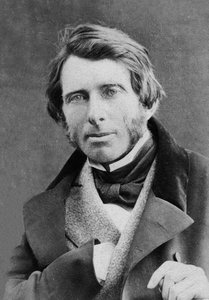
John Ruskin
1819 - 1900 , Reino Unido
Datos clave
- Artistas Que Influyeron: ['J.M.W. Turner']
- Fecha De Muerte: 1900
- Fecha De Nacimiento: 8 de febrero de 1819
- Influencia En Artistas: ['Sir John Everett Millais']
- Lugar De Nacimiento: Londres, Reino Unido
- Movimiento Artístico: Prerrafaelismo, Romanticismo
- Nacionalidad: Británico
- Nombre Completo: John Ruskin
- Obras Notables:
- Amanecer, Coniston
- Fors Clavigera
Artículos relacionados

The Pre-Raphaelite Brotherhood: Rediscovering Beauty, Romance, and Medieval Magic in Victorian Art
Embark on a journey through the Pre-Raphaelite Brotherhood. Discover the romantic symbolism, medieval magic, and radical beauty of Rossetti and Burne-Jones in this expert exploration of Victorian art history.