Ver en contexto
 Enviar
 Compartir
 Detalles
 Guía
Guía

 Descargar
 Similares
 Radiografía
 Presentación de diapositivas
 Preguntas y respuestas
 Estadísticas
Helene de Septeuil


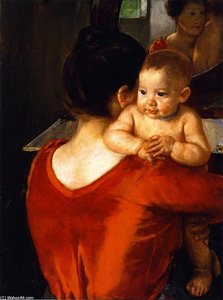
A tender moment of maternal love unfolds in this Impressionist portrait by Mary Cassatt featuring a mother cradling her child, inviting you to bring this warm and nurturing masterpiece into your private collection.
 Ver más
Descubre a Mary Cassatt (1844-1926), destacada impresionista estadounidense. Sus obras íntimas retratan la vida de mujeres, maternidad y el hogar moderno. ¡Explora sus obras maestras!
Giclée / Impresión de arte
Impresiones giclée o en lienzo de calidad de museo con producción rápida y opciones de acabado flexibles. ( Comprar pintura hecha a mano Cambiar a imagen digital)




P118B €10

P118H €10

P118W €10

P438Z €10

P508JH €12

P508YH €12

P805H €10

P805Z €10

P919BZ €10

P919G €10

P919XJ €10

P959ZH €10

P968JZ €12

W106C €8

W218G €10

W218JH €8

W218Y €10

W307PJ €10

W316G €10

W316PJ €8

W316Y €10

W398PJ €8

W4111J €10

W500HY €15

W500JH €15

W692G €12

W849H €8

W940BG €15

W953PJ €8




Tamaño estándar
a medida
CM
INCH
Elija entre nuestros tamaños predefinidos que respetan las proporciones originales de la obra.
Loading sizes...

ancho
altura
Introduzca el ancho y el alto que necesite para adaptarse a su marco o pared. Una impresión solo puede recortarse, nunca hacerse más grande que la imagen original, por lo que un tamaño con una forma distinta perderá parte de la obra. Le enviaremos una maqueta digital para su aprobación antes de realizar cualquier impresión. La imagen que se muestra en esta página no refleja el recorte real; solo la maqueta lo hace.
Envío a todo el mundo () en 2 semanas en lugar de las 4/5 semanas estándar. (7 noviembre)

Envío exprés gratuito a todo el mundo

Lienzo de lino de alta calidad

Seguro de envío total

Garantía de reembolso de aranceles aduaneros

Garantía de fidelidad cromática exacta

Política de devolución de 100 días (solo por defectos)

Garantía de devolución del 100% del dinero

Descuento por cantidad
 La opción de vidrio solo está disponible en tamaños inferiores a 110 cm.

Helene de Septeuil
Giclée / Impresión de arte
Dimensiones de la reproducción
-


Precio total final
€ 62
A Tender Encounter in Impressionist Light
In the quiet, luminous realm of Mary Cassatt’s Helene de Septeuil, we are invited into a moment of profound intimacy that transcends the mere depiction of figures. The painting serves as a breathtaking window into the private world of maternal affection, capturing a tender dialogue between a mother and her infant. As the woman cradles the child close to her chest, there is an unmistakable sense of sanctuary within the frame. The baby, positioned with a delicate curiosity, gazard up at his mother, eyes wide with the silent anticipation of discovery. This is not merely a portrait; it is a rhythmic dance of gaze and touch, rendered with the soft, breathing light that defined the Impressionist movement.
The composition is masterfully balanced, drawing the viewer’s eye through the elegant contours of the woman's silhouette. Her attire, rich in texture and understated elegance, speaks to a refined social standing, yet it is her posture—the protective curve of her arms and the gentle tilt of her head—that provides the painting's true emotional weight. A subtle necklace catches the light, adding a touch of sophisticated grace that complements the soft textures of her hat and dress. Through Cassatt’s expert use of color and form, the physical boundaries between mother and child seem to blur, creating a singular, unified essence of nurturing love.
The Mastery of the Impressionist Touch
Technically, Helene de Septeuil exemplifies the brilliance of Mary Cassatt’s approach to light and atmosphere. Eschewing the rigid, heavy outlines of traditional academic portraiture, Cassatt employs a more fluid, painterly technique that allows light to dance across the surfaces of fabric and skin. The brushwork is deliberate yet soft, creating a sense of movement and vitality that makes the scene feel as though it were captured in a fleeting, precious second of time. This mastery of texture—from the delicate smoothness of the infant's cheek to the structured elegance of the mother's hat—demonstrates why Cassatt was revered alongside legends like Degas and Morisot.
For the discerning collector or interior designer, this piece offers a unique opportunity to introduce a sense of warmth and historical depth into a living space. The painting does not demand attention through loud colors or jarring subjects; rather, it commands the room through its quiet dignity and emotional resonance. It possesses an enduring quality that complements both classical and contemporary decor, acting as a focal point of serenity. To possess a reproduction of such a work is to bring a piece of late 19th-century Parisian elegance into the modern home, offering a constant reminder of the beauty found in life's most intimate connections.
A Legacy of Domestic Grace
To understand the soul of this artwork, one must look to Cassatt’s place within the history of art. As an American expatriate who became a cornerstone of the French Impressionist circle, Cassatt revolutionized the way the domestic sphere was viewed by the art world. While her contemporaries often focused on landscapes or bustling city streets, Cassatt found the extraordinary within the ordinary. She elevated the private bonds of women and children to the level of high art, stripping away sentimentality to reveal the psychological depth and strength inherent in motherhood.
In Helene de Septeuil, we see the culmination of this lifelong dedication. The painting stands as a testament to her ability to capture the "modern" experience through the lens of domesticity—a modernism that is found not in machines or industry, but in the authentic, unadorned emotions of the human heart. For those seeking art that inspires empathy, peace, and a sense of timelessness, this work remains an incomparable masterpiece of the Impressionist era.
Preguntas y respuestas
¿Qué lugar ocupa "Helene de Septeuil" entre los temas recurrentes de Mary Stevenson Cassatt?
"Helene de Septeuil" representa woman, baby, child, hat, necklace, dress, mientras que los temas recurrentes de Mary Stevenson Cassatt son impressionist influences, motherhood and domesticity, intimate maternal bonds, women's private lives, french impressionist scene. Al comparar ambos, se observa cómo la obra se relaciona con los temas habituales del artista.
¿Puedo ver "Helene de Septeuil" como una presentación de diapositivas a pantalla completa?
Disponible una presentación de diapositivas: la página Galería de imágenes de "Helene de Septeuil" de Mary Stevenson Cassatt.
¿Dónde puedo encontrar estadísticas sobre "Helene de Septeuil" de Mary Stevenson Cassatt?
La página Estadísticas de "Helene de Septeuil" de Mary Stevenson Cassatt presenta las estadísticas de visitas públicas: visitas mensuales de esta obra, una comparación con las obras más vistas del artista y el origen de sus visitantes.
Biografía del artista
Mary Stevenson Cassatt: Una Vida Dedicada al Impresionismo y la Domesticidad
- Nacimiento: 22 de mayo de 1844, Allegheny City (ahora parte de Pittsburgh), Pensilvania, EE. UU.
- Fallecimiento: 14 de junio de 1926, Château de Berneval, Francia
Mary Stevenson Cassatt fue una pintora y grabadora estadounidense fundamental que pasó la mayor parte de su carrera en Francia. Nacida en una familia rica y culturalmente progresista de ascendencia hugonote francesa, recibió una educación que fomentó tanto la ambición artística como los viajes internacionales; experiencias que moldearon profundamente su desarrollo artístico. Su madre, Katherine Kelso Johnston, jugó un papel importante al animar el interés temprano de Cassatt por el arte.
Formación Temprana e Inmersión en París
- Estudios Iniciales: Cassatt comenzó a estudiar pintura en la Academia de Bellas Artes de Pensilvania en Filadelfia a los quince años. A pesar de enfrentar escepticismo por parte de instructores y estudiantes masculinos, perseveró durante varios años de estudio durante la Guerra Civil Americana (1861-1865).
- Traslado a París (1866): Un momento crucial llegó cuando Cassatt se mudó a París en 1866. Estudió privadamente con artistas destacados de la École des Beaux-Arts, incluido Jean-Léon Gérôme. Esta inmersión en los círculos artísticos parisinos la llevó hacia el floreciente movimiento impresionista.
- Asociación con Degas: Se formó una relación crucial con Edgar Degas, quien reconoció su talento y la invitó a exponer con los impresionistas. Su colaboración se extendió más allá de las exposiciones; Degas la animó a experimentar con técnicas de grabado, particularmente el aguafuerte en color.
Estilo Artístico y Temas: Capturando la Vida Femenina Moderna
- Técnicas Impresionistas: El estilo de Cassatt evolucionó para abrazar los rasgos característicos del impresionismo: pinceladas visibles, énfasis en la luz y el color, y un enfoque en capturar momentos fugaces. Sin embargo, su trabajo conservaba una claridad y precisión distintas que lo diferenciaban de algunos de sus contemporáneos.
- Enfoque en la Vida Doméstica: A diferencia de muchos impresionistas masculinos que representaban la vida nocturna parisina o paisajes, Cassatt centró su arte en la vida social y privada de las mujeres, particularmente madres e hijos. Representó escenas domésticas con una intimidad y profundidad psicológica notables.
- Obras Notables: Obras clave que ilustran su estilo incluyen El Partido de Remeros (1894), El Baño del Niño (varias versiones), La Niña en el Sillón Azul, y la serie de grabados que representan a madres e hijos.
- Influencia del Japonismo: Cassatt estuvo profundamente influenciada por el arte japonés, particularmente las estampas *ukiyo-e*. Esta influencia es evidente en sus composiciones, uso de la perspectiva aplanada y elecciones audaces de color.
Legado y Significado Histórico
- "Una de las Tres Grandes Damas": Cassatt se reconoce a menudo como una de las "tres grandes damas" del impresionismo junto con Berthe Morisot y Marie Bracquemond.
- Impresionismo Americano: Jugó un papel vital en la conexión entre el arte estadounidense y europeo, introduciendo ideas impresionistas ante un público americano y contribuyendo significativamente al desarrollo del impresionismo americano.
- Representación de las Mujeres: El trabajo de Cassatt ofreció una representación matizada y simpática de la vida de las mujeres durante un período en el que a menudo eran marginadas o estereotipadas en el arte. Sus representaciones de la maternidad son particularmente celebradas por su honestidad y profundidad emocional.
- Presencia en Museos: Sus obras se encuentran en museos prestigiosos de todo el mundo, incluido el Art Institute of Chicago (El Baño del Niño), la National Portrait Gallery en Londres (retrato de Degas) y muchos otros.
Mayor Exploración

Mary Stevenson Cassatt
1843 - 1926 , Estados Unidos de América
Datos clave
- Artistas Influenciados: ['Henri-Edmond Cross']
- Artistas Que Influyeron: ['Jean-Léon Gérôme']
- Fecha De Nacimiento: 22 de mayo de 1844
- Lugar De Nacimiento: Allegheny City, EE. UU.
- Movimiento Artístico: Impresionismo
- Nacionalidad: Estadounidense
- Nombre Completo: Mary Stevenson Cassatt
- Obras Notables:
- The Boating Party
- El baño del niño
- Madre e hijo
- La loge
- Niña en un sillón azul
Artículos relacionados

10 Paisajes Impresionistas Icónicos que Cambiaron el Arte para Siempre
Descubre 10 paisajes impresionistas que revolucionaron el arte. Explora la luz de Monet y la emoción de Van Gogh a través de obras maestras eternas. Encuentra reproducciones de alta calidad para tu hogar en TopImpressionists.com. ¡Explora la colección completa online!

10 Obras Maestras del Impresionismo que Cambiaron el Arte para Siempre
Viaja a través de la luz y el color con las 10 obras maestras del impresionismo. Descubre la historia de Monet, Renoir y Manet en TopImpressionists.com, tu referente en reproducciones de alta calidad para decorar tu hogar con elegancia. ¡Explora la colección completa online!

Whimsical Wonders: Curating Impressionist Masterpieces for a Child's Sanctuary of Imagination
Transform your child's room into a sanctuary of wonder with hand-painted Impressionist reproductions. Discover how the soft light of Monet and Renoir can inspire imagination through bespoke, museum-quality oil paintings designed for the next generation of dreamers.

10 Paisajes Impresionistas Icónicos que Cambiaron el Arte para Siempre
Descubre los paisajes de Monet y Van Gogh que definieron el impresionismo. Explora obras maestras en TopImpressionists.com.

Eternal Bonds in Dappled Light: Capturing the Tender Warmth of Family Gatherings in Impressionist Masterpieces
Step into a world of dappled sunlight and tender connections. Explore how Impressionist masters like Renoir captured the warmth of family life. At TopImpressionists.com, we transform your cherished memories into exquisite, hand-painted oil masterpieces that celebrate eternal bonds.
Explore obras de arte organizadas por temas, estilos y características.