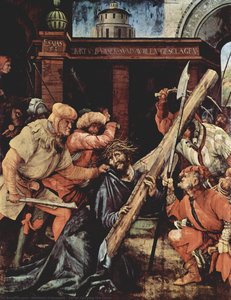
Vista previa
 Compartir
 Compartir
 Ver detalles
 Guía
Guía

 Descargar
 Ver artículos similares
 Radiografía
 Presentación de diapositivas
 Estadísticas
Unfinished Study
 Chalk
Chalk- Northern Renaissance
 1520
1520- Renaissance
 361.0 x 215.0 cm
 Staatliche Museen zu Berlin
Experience the raw emotion of this Northern Renaissance study by Matthias Grünewald; explore the dramatic chalk lines of this 1520 masterpiece today.
 Leer más
¡Explora el dramático arte renacentista alemán de Matthias Grünewald! Conocido por el Retablo de Isenheim y las pinturas religiosas cargadas de emoción. Descubre su estilo único en TopImpressionists.
Giclée / Impresión de arte
Impresiones giclée o en lienzo de calidad de museo con producción rápida y opciones de acabado flexibles. ( Encargar reproducción pintada a mano Ver versión en imagen digital)




P118B €10

P118H €10

P118W €10

P438Z €10

P508JH €12

P508YH €12

P805H €10

P805Z €10

P919BZ €10

P919G €10

P919XJ €10

P959ZH €10

P968JZ €12

W106C €8

W218G €10

W218JH €8

W218Y €10

W307PJ €10

W316G €10

W316PJ €8

W316Y €10

W398PJ €8

W4111J €10

W500HY €15

W500JH €15

W692G €12

W849H €8

W940BG €15

W953PJ €8




Estándar
personalizado
CM
INCH
Elija entre nuestros tamaños predefinidos que respetan las proporciones originales de la obra.
Loading sizes...

ancho
altura
Introduzca el ancho y el alto que necesite para adaptarse a su marco o pared. Una impresión solo puede recortarse, nunca hacerse más grande que la imagen original, por lo que un tamaño con una forma distinta perderá parte de la obra. Le enviaremos una maqueta digital para su aprobación antes de realizar cualquier impresión. La imagen que se muestra en esta página no refleja el recorte real; solo la maqueta lo hace.
Envío a todo el mundo () en 2 semanas en lugar de las 4/5 semanas estándar. (22 octubre)

Envío exprés gratuito a todo el mundo

Lienzo de lino de alta calidad

Seguro de envío completo

Garantía de reembolso de impuestos aduaneros

Garantía de fidelidad cromática exacta

Política de devolución de 100 días (solo por defectos)

Garantía de devolución del 100% del dinero

Oferta por volumen
 La opción de vidrio solo está disponible en tamaños inferiores a 110 cm.

Unfinished Study
Giclée / Impresión de arte
Tamaño de la reproducción
-


Precio total
€ 61
The Echoes of an Unfinished Vision
To stand before an Unfinished Study by Matthias Grünewald is not merely to observe paint on canvas; it is to engage in a profound dialogue with time itself. This piece, dating from 1520, whispers tales of creation interrupted, of genius caught mid-breath. The very nature of its incompleteness lends it an almost ethereal quality, inviting the viewer to become a co-creator, to mentally complete the narrative that Grünewald began but did not see through. It speaks volumes about the arduous, often solitary process of artistic endeavor.
A Study in Northern Renaissance Technique
Grünewald’s mastery is evident in the delicate handling of the medium. The description notes a technique reminiscent of chalk work, lending the surface a sketch-like fragility that belies the monumental scale of 361 x 215 cm. This was not a final statement, but rather an intellectual exercise—a preparatory blueprint for something grander. Observe how the loose, gestural lines define the figure; they possess an immediate vitality, suggesting movement even in repose. The palette, dominated by muted earth tones, grounds the piece in the somber, deeply spiritual atmosphere characteristic of Northern European art before the full bloom of Italianate classicism.
Symbolism and the Human Form
The central figure, seemingly a woman, is rendered with an emotional intensity that transcends mere portraiture. Her upper body emerges with more definition than the lower sections, creating a visual tension—a symbolic representation perhaps of the mind grappling with the physical, or the spirit struggling to fully manifest in the material world. In art history, such studies often function as meditations on the human condition itself: moments of transition, vulnerability, and nascent potential. The background’s minimalism strips away distraction, forcing our gaze directly onto the nuanced interplay between gesture and form.
The Allure of Patina and Restoration
What truly captivates the seasoned collector is the visible history etched into the surface. The discoloration, the areas where paint has flaked or been removed—these are not flaws, but rather chapters in the artwork's biography. They speak to centuries of existence, of handling, of the passage of light and shadow across its surface. For those who appreciate art as an object imbued with time, this patina is invaluable. It suggests a life lived fully, making any reproduction or study of this piece feel deeply resonant with authenticity.
Bringing the Study Home
To incorporate such a powerful work into a contemporary space is to invite contemplation. Whether used in a grand hall where history commands attention, or in a private gallery setting meant for quiet reflection, an Unfinished Study acts as a visual anchor to profound human experience. It reminds us that beauty often resides not in the polished conclusion, but in the passionate, imperfect journey toward it.
Preguntas y respuestas
¿Qué lugar ocupa "Unfinished Study" entre los temas recurrentes de Matthias Grünewald?
Los temas recurrentes de Matthias Grünewald incluyen religious expressionism, northern renaissance tradition, biblical symbolism, penitence & devotion, altarpiece study; "Unfinished Study" se centra en sketch, study, figure drawing, medieval art, religious painting.
¿Cuál es la luminancia de "Unfinished Study" de Matthias Grünewald?
La luminancia registrada para "Unfinished Study" de Matthias Grünewald es Luminous.
¿Qué emoción transmite la obra de Northern Renaissance "Unfinished Study"?
Dentro del movimiento Northern Renaissance, "Unfinished Study" está plasmada con un tono Melancholic.
Biografía del artista
Matías Gothart Neithardt (Grünewald): Vida y Legado
Primeros Años y Orígenes Artísticos
Matías Gothart Neithardt, nacido alrededor de 1470-1475 en Würzburgo, Alemania, fue una figura clave del Renacimiento alemán. A pesar de vivir durante un período cada vez más influenciado por los ideales del Renacimiento italiano, Grünewald se mantuvo profundamente arraigado en las tradiciones artísticas tardomedievales de Europa Central. Hay pocos detalles sobre su vida temprana, pero se sabe que recibió formación como artista, probablemente dentro de talleres locales.
Desarrollo Artístico e Influencias
El desarrollo artístico de Grünewald fue moldeado por las tradiciones artísticas del norte europeo predominantes, caracterizadas por el realismo, la intensidad emocional y la observación detallada. Su obra muestra influencias de artistas como Albrecht Dürer y Martin Schongauer, pero forjó un camino único que se caracteriza por una expresión dramática y colores vivos. No estuvo directamente involucrado con los círculos humanistas prevalecientes en Italia; en cambio, su arte sirvió principalmente para fines religiosos, reflejando las ansiedades espirituales de su tiempo.
Obras Maestras y Estilo Artístico
- El Retablo de Isenheim (1512-1516): Esta obra maestra, ubicada en el Musée d'Unterlinden en Colmar, se considera la obra magna de Grünewald. Representa escenas de la vida de Cristo con un realismo desgarrador, centrándose particularmente en el sufrimiento y la redención.
- La Crucifixión (c. 1502-1503): Una obra temprana que demuestra su estilo en desarrollo, mostrando una intensa emoción y detalle anatómico.
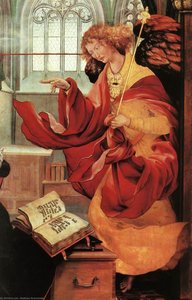
- Virgen de la Anunciación (1512-14): Un estudio para el Retablo de Isenheim, revelando su meticuloso proceso de planificación.
- Moisés (1511): Un dibujo que destaca la habilidad de Grünewald para capturar figuras expresivas y poses dramáticas.
El estilo de Grünewald se distingue por:
- Composición Dramática: Empleó arreglos dinámicos para aumentar el impacto emocional.
- Paleta de Colores Vívidos: Su uso de colores intensos, a menudo contrastantes, creó una poderosa experiencia visual.
- Representación Realista del Sufrimiento: Grünewald no evitó representar el dolor físico y emocional asociado con las narrativas religiosas.
- Figuras Expresivas: Sus figuras están imbuidas de fuertes emociones y profundidad psicológica.
Significado Histórico y Legado
La obra de Grünewald es un testimonio del poder perdurable de las tradiciones artísticas medievales en Alemania durante el Renacimiento. Él conectó los puntos entre el estilo gótico tardío y el Renacimiento emergente, creando un lenguaje visual único que resonó con sus contemporáneos. Su influencia se puede ver en artistas alemanes posteriores que continuaron explorando temas de fervor religioso e intensidad emocional. Si bien fue en gran medida olvidado durante siglos después de su muerte en 1528, Grünewald experimentó un renacimiento en el siglo XIX, y hoy es reconocido como uno de los pintores más importantes del Renacimiento alemán. Su arte continúa cautivando a los espectadores con su emoción cruda, brillantez técnica y profundidad espiritual profunda.
Exploración Adicional
Descubra más sobre la vida y obra de Matías Grünewald en: TopImpressionists

Matthias Grünewald
1480 - 1528 , Alemania
Datos clave
- Artistic Movement Or Style: Renacimiento alemán
- Artists Or Movements Influenced By This Artist: ['Gótico tardío']
- Artists Who Influenced This Artist:
- Albrecht Dürer
- Martin Schongauer
- Date Of Death: 1528
- Full Name: Matías Gothart Neithardt
- Nationality: Alemania
- Notable Artworks:
- El Retablo de Isenheim
- La Crucifixión
- Virgen de la Anunciación
- Place Of Birth: Würzburgo, Alemania
Artículos relacionados

Giclée Prints: Archival Quality & Aesthetic Nuances for the Discerning Collector
Explore the world of giclée prints with TopImpressionists. Learn about archival quality, aesthetic nuances & investment potential. Expert guidance for discerning art collectors seeking museum-quality reproductions and lasting value.

Leonardo da Vinci: Las 25 Obras Maestras que Definieron un Genio | TopImpressionists
Descubre las 25 obras maestras de Leonardo da Vinci, desde la Mona Lisa hasta La Última Cena. Explora su arte renacentista, técnicas innovadoras y el legado del genio italiano. Reproducciones de alta calidad para decorar tu hogar con belleza y historia en TopImpressionists.com.

Rembrandt van Rijn: Las 25 Obras Maestras que Definen un Genio | Arte, Historia y Decoración
Descubre las 25 obras maestras de Rembrandt van Rijn, el genio del barroco holandés. Explora su historia, técnica y simbolismo en retratos icónicos como 'La Ronda Nocturna'. Encuentra reproducciones de arte exclusivas para decorar tu hogar con TopImpressionists.com.

Giclée Prints Explained: The Ultimate Guide to Museum-Quality Art Reproductions
Master the nuances of Giclée printing with our expert guide. Discover how pigment-based inks and museum-grade substrates create fade-resistant, high-fidelity art reproductions designed for discerning collectors seeking unparalleled quality and longevity.

Albrecht Dürer: Las 25 Obras Maestras del Renacimiento Alemán | TopImpressionists
Descubre las 25 obras maestras de Albrecht Dürer, el genio del Renacimiento alemán. Explora grabados icónicos como 'Melancolía I' y aprende sobre su técnica innovadora. Encuentra reproducciones de arte de alta calidad para decorar tu hogar en TopImpressionists.com.
Explore obras de arte organizadas por temas, estilos y características.