


 Vista previa
 Compartir
 Compartir
 Ver detalles
 Guía
Guía

 Descargar
 Ver artículos similares
 Radiografía
 Presentación de diapositivas
 Estadísticas
Seascape with poplars


Max Beckmann’s ‘Seascape with poplars,’ a poignant Expressionist landscape from 1924, captures a contemplative mood through muted colors and simplified forms. Explore this evocative artwork and discover its rich symbolism – a timeless piece to own.
 Leer más
Descubre la poderosa obra de Max Beckmann (1884-1950), figura clave del Expresionismo Alemán. Sus pinturas, marcadas por figuras distorsionadas y paisajes inquietantes, reflejan el trauma de la WWI y temas existenciales.
Reproducción al óleo hecha a mano
Óleo sobre lienzo pintado a mano en el tamaño y marco de su elección, realizado por encargo por nuestros artistas. ( Cambiar a formato impreso Ver versión en imagen digital)




P118B €10

P118H €10

P118W €10

P438Z €10

P508JH €12

P508YH €12

P805H €10

P805Z €10

P919BZ €10

P919G €10

P919XJ €10

P959ZH €10

P968JZ €12

W106C €8

W218G €10

W218JH €8

W218Y €10

W307PJ €10

W316G €10

W316PJ €8

W316Y €10

W398PJ €8

W4111J €10

W500HY €15

W500JH €15

W692G €12

W849H €8

W940BG €15

W953PJ €8




Estándar
personalizado
CM
INCH
Elija entre nuestros tamaños predefinidos que respetan las proporciones originales de la obra.
Loading sizes...

ancho
altura
Escriba el ancho y el alto que necesite para adaptarse a su marco o a su pared. Al ser una obra pintada a mano, para un tamaño con una forma distinta, el artista puede pintar un poco más alrededor de la imagen o recortar un poco; usted elige. Le enviaremos una maqueta digital para su aprobación antes de comenzar la pintura. La imagen que se muestra en esta página no refleja el resultado real; solo la maqueta lo hace.
Ejemplos de lo que se puede personalizar: Reemplace el rostro con una foto del cliente; Agregue una mascota (por ejemplo, cambie un gato por un perro); Incluya un mensaje oculto en el fondo; Cambie el paisaje o los elementos del fondo.
Tras realizar el pedido, el equipo de TopImpressionists.com enviará un correo electrónico al cliente para solicitar instrucciones y proporcionarle una vista previa del boceto.
Tras realizar el pedido, el equipo de TopImpressionists.com enviará un correo electrónico al cliente para solicitar instrucciones y proporcionarle una vista previa del boceto.
Envío a todo el mundo () en 3-4 semanas en lugar de las 5 semanas estándar. (22 octubre). Sin comprometer la calidad.

Envío exprés gratuito a todo el mundo

Lienzo de lino de alta calidad

Seguro de envío completo

Garantía de reembolso de impuestos aduaneros

Garantía de fidelidad cromática exacta

Política de devolución de 100 días (solo por defectos)

Garantía de devolución del 100% del dinero

Oferta por volumen
 La opción de vidrio solo está disponible en tamaños inferiores a 110 cm.

Seascape with poplars
Técnica de reproducción
Tamaño de la reproducción
-


Precio total
€ 258
Max Beckmann's 'Seascape with Poplars': A Meditation on Melancholy
Max Beckmann’s ‘Seascape with Poplars,’ painted in 1924, is more than just a depiction of a coastal scene; it’s a profound exploration of human emotion rendered through the lens of Expressionism. This work, characterized by its muted palette and deliberately flattened perspective, invites viewers into a contemplative space where quiet melancholy reigns supreme. The painting immediately draws the eye to the stark contrast between the vertical thrust of the poplars lining the shore and the horizontal expanse of the sea, creating a visual tension that mirrors the underlying emotional complexity.
The scene unfolds with a restrained elegance – figures engaged in leisure activities near the water’s edge, boats gently bobbing on the waves, all bathed in diffused light. Beckmann's technique is meticulously crafted; layers of oil paint are applied in relatively flat planes, avoiding the blending and subtle gradations favored by some contemporary artists. This deliberate approach contributes to the painting’s almost sculptural quality, emphasizing form over photographic realism. The thick lines and simplified shapes – a hallmark of Expressionism – further amplify this effect, creating a sense of solidity and permanence.
A Window into the Artist's Soul
Born in Leipzig in 1884, Max Beckmann’s artistic trajectory was profoundly shaped by his experiences during World War I. His early work demonstrated academic precision, but the horrors he witnessed as a medical orderly ignited a radical shift in his vision. This transformation is powerfully evident in ‘Seascape with Poplars,’ where distorted figures and spaces reflect a deeply troubled psyche. Beckmann’s artistic vocabulary was remarkably diverse, drawing inspiration from a wide range of sources – medieval stained glass, Cézanne's geometric forms, Van Gogh’s emotive brushwork, and the symbolic narratives of Blake and Rembrandt.
The influence of Northern European artists, particularly Bosch and Grünewald, is palpable in the painting’s unsettling atmosphere. These masters were known for their ability to imbue religious scenes with a sense of foreboding and psychological depth, qualities that Beckmann skillfully translates into his seascape. The composition subtly evokes a feeling of isolation and vulnerability, mirroring the artist's own struggles with disillusionment and uncertainty.
Symbolism and Emotional Resonance
Beyond its formal elements, ‘Seascape with Poplars’ is rich in symbolic meaning. The poplars themselves – often associated with stability and resilience – stand as silent witnesses to the scene’s underlying melancholy. The boats, representing journeys and transitions, suggest a yearning for escape or perhaps a confrontation with one's own mortality. Beckmann masterfully uses color—greens, browns, and grays—to evoke a sense of quietude and somber reflection. The ambiguous perspective further enhances this effect, blurring the boundaries between reality and imagination.
The painting’s emotional impact is undeniable. It's not a joyous celebration of nature; rather, it’s a poignant meditation on human existence – a reminder of our vulnerability, our isolation, and the inevitability of change. ‘Seascape with Poplars’ remains a powerful testament to Beckmann’s artistic genius and his ability to translate complex emotions into a visually arresting work of art.
Preguntas y respuestas
¿De qué manera "Seascape with poplars" de Max Beckmann vincula el Expressionist Landscape con el país de origen del artista?
La obra de Expressionist Landscape "Seascape with poplars" fue realizada por un artista nacido en Alemania.
¿Con qué otros nombres se conoce a Max Beckmann?
Otros nombres registrados para Max Beckmann, creador de "Seascape with poplars", incluyen Máximo Carl Friedrich Beckmann.
¿Qué técnica y estilo caracterizan a "Seascape with poplars" de Max Beckmann?
"Seascape with poplars" de Max Beckmann combina la técnica de Oil On Canvas con el estilo Expressionist Landscape. La técnica y el movimiento describen la elaboración y el estilo de la obra.
Biografía del artista
Vida temprana y desarrollo artístico
Max Beckmann, un renombrado pintor, dibujante, grabador, escultor y escritor alemán, nació el 12 de febrero de 1884 en Leipzig, Sajonia. Su viaje artístico comenzó con representaciones académicamente correctas, que luego se transformaron en figuras y espacios distorsionados, reflejando su visión alterada de la humanidad después de servir como ordenanza médica durante la Primera Guerra Mundial.Estilo artístico e influencias
El estilo de Beckmann, arraigado en la imaginería del vidrio medieval, estuvo influenciado por varios artistas, incluyendo a Cézanne, Van Gogh, Blake, Rembrandt y Rubens. También se inspiró en los artistas europeos del norte del siglo tardío medieval y del Renacimiento temprano, como Bosch, Bruegel y Matthias Grünewald.Obras notables y exposiciones
- El Bark (adquirido por la Galería Nacional de Berlín)
- Autorretrato con esmoquin (comprado en 1928)
- Retrospectivas en la Städtische Kunsthalle Mannheim (1928) y en Basilea y Zúrich (1930)
Vida posterior y exilio
La fortuna de Beckmann cambió con el ascenso de Adolf Hitler, lo que llevó a su despido de la escuela de arte en Frankfurt y a la confiscación de más de 500 de sus obras. Vivió en autoexilio en Ámsterdam durante diez años, sin lograr obtener un visado para los Estados Unidos.Legado
- Enseñó en las escuelas de arte de la Universidad Washington en St. Louis y el Museo de Brooklyn
- La primera retrospectiva en los Estados Unidos tuvo lugar en 1948 en el City Art Museum, Saint Louis
- La Galería Max-Slevogt, Alemania, presenta una colección de sus obras
- Nació: 12 de febrero de 1884
- Falleció: 27 de diciembre de 1950
Contexto Histórico y Recepción
Beckmann fue una figura central en el desarrollo del Expresionismo alemán, aunque rechazó la etiqueta. Su obra refleja las turbulencias sociales y políticas de su tiempo, especialmente los horrores de la Primera Guerra Mundial y el ascenso del nazismo. Su estilo evolucionó desde representaciones académicas hasta un lenguaje visual más abstracto y simbólico, que a menudo exploraba temas de alienación, violencia y desesperanza. A pesar de enfrentar persecución bajo el régimen nazi, su legado perdura como uno de los artistas más importantes del siglo XX.
Max Beckmann
1884 - 1950 , Alemania
Datos clave
- Artistas Que Influyeron:
- Cézanne
- Van Gogh
- Blake
- Rembrandt
- Rubens
- Bosch
- Bruegel
- Grünewald
- Fecha De Fallecimiento: 27 de diciembre de 1950
- Fecha De Nacimiento: 12 de febrero de 1884
- Lugar De Nacimiento: Leipzig, Alemania
- Movimiento Artístico: Expresionismo Alemán
- Nacionalidad: Alemán
- Nombre Completo: Max Beckmann
- Obras Notables:
- El Bark
- Autorretrato con Tuxedo
- La Noche
- Columbine
- Gran Escena de Angustia
Artículos relacionados

Katsushika Hokusai: Las 25 Obras Maestras del Ukiyo-e que Transformaron el Arte Japonés | TopImpressionists
Descubre las 25 obras maestras de Katsushika Hokusai, el genio del ukiyo-e. Explora 'La Gran Ola', paisajes japoneses y su impacto en el arte moderno. Reproducciones de alta calidad para tu hogar en TopImpressionists.com.

Evocations of Place: A Historical Journey Through Landscape Art
Explore the rich history of landscape art with TopImpressionists. Discover renowned artists, movements like Impressionism & Romanticism, and expert guidance for collecting timeless pieces. Find your perfect serene escape today!

Paisajes Románticos: 10 Obras Maestras que Definieron un Movimiento Artístico
Descubre los 10 paisajes románticos más influyentes de artistas como Caspar David Friedrich y Turner. Explora la belleza, el simbolismo y las técnicas del movimiento romántico. Reproducciones de arte exclusivas en TopImpressionists.com.

Giclée Prints: Archival Quality & Aesthetic Nuances for the Discerning Collector
Explore the world of giclée prints with TopImpressionists. Learn about archival quality, aesthetic nuances & investment potential. Expert guidance for discerning art collectors seeking museum-quality reproductions and lasting value.
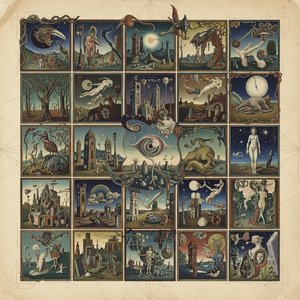
Max Ernst: Las 25 Obras Maestras del Surrealismo para Decorar tu Hogar con Arte
Descubre las 25 obras maestras de Max Ernst, el rey del surrealismo. Explora su arte onírico, técnicas innovadoras y simbolismo profundo. Reproducciones de alta calidad para decorar tu hogar con estilo en TopImpressionists.com
Explore obras de arte organizadas por temas, estilos y características.


