

 Ver en contexto
 Enviar
 Compartir
 Detalles
 Guía
Guía

 Descargar
 Similares
 Radiografía
 Presentación de diapositivas
 Preguntas y respuestas
 Estadísticas
Flor-Concha

Immerse yourself in Max Ernst's surreal 'Flor-Concha,' a captivating 1927 oil on canvas where an imaginative flower-shell blends Dadaist aesthetics with meticulous detail. This iconic piece from the artist’s early period invites you to explore the depths of the unconscious and own a unique fragment of art history.
 Ver más
¡Explora el mundo surrealista de Max Ernst (1891-1976), un pionero del Dada y el Surrealismo! Descubre sus innovadoras técnicas de frottage, collages y pinturas oníricas con aves, paisajes y temas psicológicos. #MaxErnst #Surrealismo #Dada
La obra de arte que se muestra en esta página está protegida por las leyes de propiedad intelectual, lo que significa que no podemos crear ni vender legalmente una reproducción idéntica. Esta protección se hace cumplir en virtud de acuerdos internacionales como el Convenio de Berna y por las leyes nacionales, incluidas aquellas establecidas por el Ley de derechos de autor de los EE. UU. - Título 17.
Este método cumple plenamente con las normativas de derechos de autor, ya que no implica la copia ni la duplicación de la obra protegida. En su lugar, se trata de una reinterpretación creativa: una nueva pintura influenciada por la original, pero que no es idéntica a ella.
Giclée / Impresión de arte
Impresiones giclée o en lienzo de calidad de museo con producción rápida y opciones de acabado flexibles. ( Comprar pintura hecha a mano Cambiar a imagen digital)




P118B €10

P118H €10

P118W €10

P438Z €10

P508JH €12

P508YH €12

P805H €10

P805Z €10

P919BZ €10

P919G €10

P919XJ €10

P959ZH €10

P968JZ €12

W106C €8

W218G €10

W218JH €8

W218Y €10

W307PJ €10

W316G €10

W316PJ €8

W316Y €10

W398PJ €8

W4111J €10

W500HY €15

W500JH €15

W692G €12

W849H €8

W940BG €15

W953PJ €8




Tamaño estándar
a medida
CM
INCH
Elija entre nuestros tamaños predefinidos que respetan las proporciones originales de la obra.
Loading sizes...

ancho
altura
Introduzca el ancho y el alto que necesite para adaptarse a su marco o pared. Una impresión solo puede recortarse, nunca hacerse más grande que la imagen original, por lo que un tamaño con una forma distinta perderá parte de la obra. Le enviaremos una maqueta digital para su aprobación antes de realizar cualquier impresión. La imagen que se muestra en esta página no refleja el recorte real; solo la maqueta lo hace.
Envío a todo el mundo () en 2 semanas en lugar de las 4/5 semanas estándar. (8 noviembre)

Envío exprés gratuito a todo el mundo

Lienzo de lino de alta calidad

Seguro de envío total

Garantía de reembolso de aranceles aduaneros

Garantía de fidelidad cromática exacta

Política de devolución de 100 días (solo por defectos)

Garantía de devolución del 100% del dinero

Descuento por cantidad
 La opción de vidrio solo está disponible en tamaños inferiores a 110 cm.

Flor-Concha
Giclée / Impresión de arte
Dimensiones de la reproducción
-


Precio total final
€ 62
A Dream Woven in Color: Introducing Flor-Concha
Max Ernst’s “Flor-Concha” is not merely a painting; it's an invitation into the subconscious, a vibrant collision of natural forms and surrealist imagination. This striking work, rendered with meticulous oil on canvas, immediately captivates with its improbable beauty – a flower sculpted to resemble a seashell, bathed in a palette of intense oranges, deep blues, and earthy browns. It’s a piece that whispers of forgotten landscapes, dreamlike encounters, and the artist's profound fascination with the hidden depths of human perception. The title itself, “Flor-Concha,” – Spanish for ‘flower-shell’ – hints at the core paradox at play: a fusion of organic and marine elements, suggesting a world unbound by conventional rules.
The Dadaist Vision: Ernst's Rejection of Reality
Created during the height of Max Ernst’s engagement with Dadaism in the 1920s, “Flor-Concha” embodies the movement’s core tenets – a deliberate rejection of bourgeois values and established artistic norms. Dadaism sought to dismantle traditional notions of beauty and representation, embracing chance, absurdity, and psychological exploration. Ernst, deeply influenced by Freud's theories on the unconscious, utilized techniques like *frottage* and *grattage* to unlock these hidden realms within his work. As evidenced in the Museo Nacional Thyssen-Bornemisza’s description, Ernst employed “grattage,” scraping away layers of oil paint to reveal textures and forms that emerged spontaneously from the process – a deliberate act of relinquishing control to the unconscious.
Technique & Materiality: A Dance of Texture
The painting's remarkable detail is achieved through Ernst’s masterful manipulation of oil paints. The vibrant orange of the flower isn’t simply applied; it’s built up in layers, creating a tactile richness that invites close inspection. Notice the subtle variations in tone and texture – the rough, almost granular surface of the shell-like petals contrasts sharply with the smoother areas around them. This technique, combined with Ernst's use of *grattage*, creates a dynamic interplay between order and chaos, control and chance. The layering also suggests multiple perspectives, mirroring the fragmented nature of dreams and memories.
Symbolism & Interpretation: A World Within
“Flor-Concha” is rich in symbolic potential. The flower, a universal emblem of beauty, fertility, and life, is here transformed into something alien and otherworldly – a shell, traditionally associated with the sea, protection, and hidden treasures. This juxtaposition suggests a yearning for escape, a desire to explore uncharted territories within both the external world and the inner landscape of the mind. Ernst’s exploration of nature, combined with his interest in psychology, invites viewers to contemplate themes of transformation, illusion, and the relationship between reality and perception. The painting's creation coincided with Ernst's explorations into surrealist theories, including his ideas about liberating human imagination.
Bringing “Flor-Concha” Home: A Hand-Painted Reproduction
TopImpressionists offers a stunning hand-painted reproduction of Max Ernst’s “Flor-Concha,” capturing the essence and emotional power of this iconic work. Each reproduction is meticulously crafted by skilled artists, ensuring an unparalleled level of detail and authenticity. Whether you're an art collector seeking to expand your collection or an interior designer looking for a statement piece that sparks conversation, a hand-painted “Flor-Concha” will undoubtedly become a treasured addition to your space – a constant reminder of the beauty and mystery found within the realm of surrealism.
Preguntas y respuestas
¿Cómo se combinan la técnica y el movimiento en "Flor-Concha"?
En "Flor-Concha", la técnica de Óleo sobre lienzo se funde con el movimiento Surrealism.
¿Qué nivel de luminosidad transmite "Flor-Concha" de Max Ernst?
La luminosidad percibida de "Flor-Concha" de Max Ernst es sombra. Puede armonizarse con la luz del espacio destinado.
¿Qué tan intensos son los colores de "Flor-Concha"?
Los colores de "Flor-Concha" de Max Ernst presentan una saturación Presencia clara del color con una intensidad Equilibrado.
Biografía del artista
Max Ernst: Una Vida en el Surrealismo
Juventud y Educación
- Nacido: 1 de abril de 1891, en Brühl, Alemania.
- El padre de Ernst, Philipp Ernst, era maestro de sordos y pintor aficionado, fomentando el interés temprano de Max por el arte.
- Estudió filosofía, historia del arte, literatura, psicología y psiquiatría en la Universidad de Bonn desde 1909.
- Esta diversa formación académica influyó profundamente en sus posteriores exploraciones artísticas.
Desarrollo Artístico e Influencias
- Un momento decisivo fue la exposición Sonderbund en Colonia (1912), donde conoció obras de Pablo Picasso, Vincent van Gogh, y Paul Gauguin.
- En 1914, conoció a Hans Arp, comenzando una amistad que duró toda la vida e influyó significativamente en su trayectoria artística.
- La Primera Guerra Mundial impactó profundamente a Ernst; sus experiencias como soldado llevaron al desencanto y a una visión crítica de la sociedad.
- Se sintió influenciado por las obras de Sigmund Freud, explorando temas de la mente inconsciente en su arte.
Dada y Surrealismo
- Ernst se convirtió en una figura clave del grupo Dada de Colonia después de la Primera Guerra Mundial, rechazando las convenciones artísticas tradicionales.
- Pionero en técnicas innovadoras como frottage (frotar lápiz sobre superficies texturizadas) y grattage (raspar pintura para revelar capas subyacentes).
- En la década de 1920, se unió al movimiento Surrealista en París, colaborando con artistas como Paul Éluard.
- Su obra durante este período exploró imágenes oníricas y temas psicológicos.
Obras Principales y Técnicas
- Frottage: Una técnica utilizada para crear texturas e imágenes inesperadas, ejemplificada en muchas de sus obras.
- Collage: Ernst empleó con frecuencia el collage, combinando elementos dispares para crear composiciones surrealistas.
- Obras Notables:
- La Ciudad Entera
- Euclides
- De Esto Ninguno Debería Saber
- Bosque y Paloma
- Sus pinturas a menudo presentan imágenes simbólicas, incluyendo pájaros (particularmente su alter ego Loplop), paisajes y yuxtaposiciones inquietantes.
Vida Tardía y Legado
- Ernst se trasladó a Estados Unidos durante la Segunda Guerra Mundial, continuando pintando y experimentando con nuevas técnicas.
- Regresó a Francia después de la guerra y permaneció activo hasta su muerte el 1 de abril de 1976, en París.
- Significado Histórico: Las contribuciones de Max Ernst a Dada y Surrealismo fueron innovadoras. Desafió las normas artísticas, exploró la mente subconsciente e inventó técnicas innovadoras que continúan inspirando a los artistas de hoy en día.
- Sigue siendo una de las figuras más importantes e influyentes del arte del siglo XX.

Max Ernst
1891 - 1976 , Alemania
Datos clave
- Artistas Influenciados: ['Muchos artistas posteriores']
- Artistas Que Influyeron:
- Pablo Picasso
- Vincent van Gogh
- Paul Gauguin
- Sigmund Freud
- Fecha De Muerte: 1 de abril de 1976
- Fecha De Nacimiento: 1 de abril de 1891
- Lugar De Nacimiento: Brühl, Alemania
- Movimiento Artístico: Dadaísmo y Surrealismo
- Nacionalidad: Alemán/Americano/Francés
- Nombre Completo: Max Ernst
- Obras Notables:
- La Ciudad Entera
- Euclides
- Bosque y Paloma
- El Elefante de Célebes
Artículos relacionados

Dominando la Abstracción: Las 25 Obras Maestras de Paul Klee
Explora las 25 obras maestras de Paul Klee y su ritmo abstracto. Encuentra reproducciones de museo en TopImpressionists.com.

Del Boceto Inicial a la Obra Duradera: Una Exploración Exhaustiva del Proceso de Reproducción de Pintura al Óleo
Descubre el arte de la reproducción al óleo artesanal con TopImpressionists. Reproducciones fieles hechas a mano por expertos, personalización y asesoramiento profesional para galerías y hogares. ¡Invierte en belleza duradera!
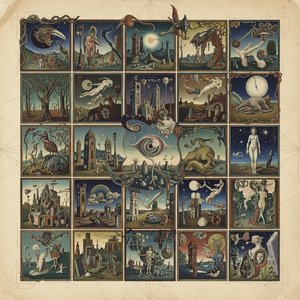
Explorando el inconsciente: Las 25 obras maestras de Max Ernst
Viaja por el surrealismo con las 25 mejores obras de Max Ernst. Explora esta colección única en TopImpressionists.com.

Reproducción Artística: Explorando Medios para la Preservación y Diseminación del Patrimonio Visual
Descubre reproducciones de arte excepcionales hechas por artistas expertos. Lienzos personalizados y réplicas fieles con garantía de calidad museo. ¡Preserva el patrimonio visual!

El Legado Duradero de la Pintura al Óleo Hecha a Mano: Valor Estético, Longevidad y Resonancia Emocional
Descubra el legado de la pintura al óleo hecha a mano. Reproducciones fieles por artistas expertos, asesoramiento profesional y una inversión artística duradera con TopImpressionists.com.
Explore obras de arte organizadas por temas, estilos y características.


