Atelier — Complimentary worldwide shipping — Plazo de entrega: 2–6 semanas
Wishlist Carrito
Encargar reproducción Encargar reproducciónComprar imagen en alta resolución Comprar imagen en alta resolución EnviarEnviar
DetallesDetalles Añadir a favoritos Añadir a favoritos DescargarDescargar SimilaresSimilares RadiografíaRadiografía Presentación de diapositivasPresentación de diapositivas

Landscape

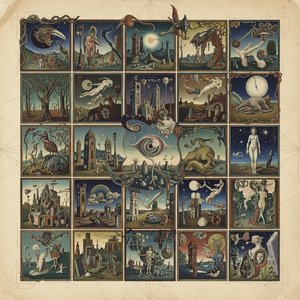
Explore Max Ernst's surreal landscape featuring chaotic animals and figures; discover the dreamlike mystery of this 20th-century masterpiece for your collection.

¡Explora el mundo surrealista de Max Ernst (1891-1976), un pionero del Dada y el Surrealismo! Descubre sus innovadoras técnicas de frottage, collages y pinturas oníricas con aves, paisajes y temas psicológicos. #MaxErnst #Surrealismo #Dada

Giclée / Impresión de arte

Impresión giclée o en lienzo de calidad de museo con producción rápida y opciones de acabado flexibles.

P118B $10
P118H $10
P118W $10
P438Z $10
P508JH $12
P508YH $12
P805H $10
P805Z $10
P919BZ $10
P919G $10
P919XJ $10
P959ZH $10
P968JZ $12
W106C $8
W218G $10
W218JH $8
W218Y $10
W307PJ $10
W316G $10
W316PJ $8
W316Y $10
W398PJ $8
W4111J $10
W500HY $15
W500JH $15
W692G $12
W849H $8
W940BG $15
W953PJ $8

Standard
custom
CM
INCH

Elija entre nuestros tamaños predefinidos que respetan las proporciones originales de la obra.

ancho
altura

Puede introducir sus propias dimensiones para adaptarse a un marco o espacio específico. Si el tamaño seleccionado no coincide con las proporciones de la imagen original, recortaremos la obra de arte o extenderemos la imagen con un borde con efecto espejo o de color sólido. Se enviará una maqueta digital para su aprobación antes de que comience la producción.
Tenga en cuenta que la vista previa en pantalla no refleja el recorte o la extensión real. Solo la maqueta mostrará con precisión la composición final.
Aunque existen tamaños personalizados, recomendamos seleccionar una dimensión de la lista predefinida para preservar las proporciones originales.

Entrega mundial () en 2 semanas en lugar de las 4/5 semanas estándar. (19 julio)

why_choose_icon
Envío exprés gratuito a todo el mundo
why_choose_icon
Lienzo de lino de alta calidad
why_choose_icon
Seguro de envío total
why_choose_icon
Garantía de reembolso de impuestos aduaneros
why_choose_icon
Garantía de fidelidad de color
why_choose_icon
Política de devolución de 60 días (solo por defectos)
why_choose_icon
Garantía de devolución del 100% del dinero
why_choose_icon
Descuento por pedido múltiple

Precio total

-

reproduction

Landscape

Giclée / Impresión de arte

Tamaño de la reproducción

-

Precio total final

-

Datos clave

  • Artist: Max Ernst
  • Artistic style: Surrealism
  • Movement: Surrealism
  • Subject or theme: Chaotic landscape with animals and people
  • Title: Landscape

Test de arte

Solo hay una respuesta correcta para cada pregunta.

Pregunta 1:
What artistic movement is most associated with the style of this 'Landscape'?
Pregunta 2:
Which artist, known for his deep engagement with surrealist themes, is associated with this work?
Pregunta 3:
The description notes a sense of 'chaos and disorder' in the composition. This element is characteristic of which artistic goal?
Pregunta 4:
Which animal can be observed near the center of the painting, according to the description?
Pregunta 5:
Max Ernst's intellectual background included studies in which fields, suggesting a deep philosophical underpinning to his art?

Descripción de la obra

The Dreamscape Unveiled: Exploring Max Ernst's Surreal Vision

To stand before a work by Max Ernst is not merely to observe paint on canvas; it is to willingly step across the threshold into a meticulously constructed dream. This particular landscape, teeming with disparate figures and animals—cows grazing in uneasy proximity, a dog observing from the center, a horse poised near the corner, and scattered human forms under an open umbrella—is a quintessential immersion into the subconscious. Ernst, whose life was a vibrant tapestry woven through philosophy, literature, and the burgeoning currents of modern thought, channeled this restless intellectual energy directly onto his canvas. The scene itself resists easy categorization; it is a beautiful, bewildering tableau where the logic of the waking world dissolves into something far more primal and deeply psychological.

A Tapestry of Chance and Consciousness

The technique employed here speaks volumes about Ernst's revolutionary approach to art-making. Far from relying on straightforward representation, he embraced chance operations and automatism, methods that allowed his unconscious mind to guide the brush. The composition achieves a palpable sense of chaos, yet this disorder is highly orchestrated. Notice how the various elements—the two cows, the central dog, the distant figures—do not merely coexist but interact within an implied narrative tension. This deliberate juxtaposition of familiar subjects in an unfamiliar arrangement forces the viewer into an active role; we become archaeologists of the mind, piecing together meaning from fragments of symbolic resonance.

Symbolism and the Weight of the Everyday

In the lexicon of Surrealism, nothing is accidental. The inclusion of everyday objects—the umbrella, the domestic animals—elevates them to the status of potent symbols. These creatures and people seem caught in a moment suspended outside of time, suggesting universal anxieties or perhaps simply the beautiful absurdity of existence itself. Ernst was deeply concerned with the irrationality that underpins human experience. This landscape invites contemplation on what happens when societal structures—the rules governing where a cow should stand or how an umbrella should function—are gently undermined by the sheer force of imagination.

Bringing the Dream Home: An Aesthetic Experience

For the collector or designer seeking to infuse a space with intellectual depth and arresting visual poetry, this reproduction offers more than mere decoration; it offers conversation. The rich, evocative quality of Ernst’s palette, combined with the narrative ambiguity, ensures that the artwork will engage viewers from every angle, day after day. It is a piece that demands slow viewing, rewarding patience with layers of interpretation. Owning this vision means embracing a dialogue with the great currents of 20th-century thought—a sophisticated nod to the power of the inner landscape.


Biografía del artista

Max Ernst: Una Vida en el Surrealismo

Juventud y Educación

  • Nacido: 1 de abril de 1891, en Brühl, Alemania.
  • El padre de Ernst, Philipp Ernst, era maestro de sordos y pintor aficionado, fomentando el interés temprano de Max por el arte.
  • Estudió filosofía, historia del arte, literatura, psicología y psiquiatría en la Universidad de Bonn desde 1909.
  • Esta diversa formación académica influyó profundamente en sus posteriores exploraciones artísticas.

Desarrollo Artístico e Influencias

  • Un momento decisivo fue la exposición Sonderbund en Colonia (1912), donde conoció obras de Pablo Picasso, Vincent van Gogh, y Paul Gauguin.
  • En 1914, conoció a Hans Arp, comenzando una amistad que duró toda la vida e influyó significativamente en su trayectoria artística.
  • La Primera Guerra Mundial impactó profundamente a Ernst; sus experiencias como soldado llevaron al desencanto y a una visión crítica de la sociedad.
  • Se sintió influenciado por las obras de Sigmund Freud, explorando temas de la mente inconsciente en su arte.

Dada y Surrealismo

  • Ernst se convirtió en una figura clave del grupo Dada de Colonia después de la Primera Guerra Mundial, rechazando las convenciones artísticas tradicionales.
  • Pionero en técnicas innovadoras como frottage (frotar lápiz sobre superficies texturizadas) y grattage (raspar pintura para revelar capas subyacentes).
  • En la década de 1920, se unió al movimiento Surrealista en París, colaborando con artistas como Paul Éluard.
  • Su obra durante este período exploró imágenes oníricas y temas psicológicos.

Obras Principales y Técnicas

  • Frottage: Una técnica utilizada para crear texturas e imágenes inesperadas, ejemplificada en muchas de sus obras.
  • Collage: Ernst empleó con frecuencia el collage, combinando elementos dispares para crear composiciones surrealistas.
  • Obras Notables:
    • La Ciudad Entera
    • Euclides
    • De Esto Ninguno Debería Saber
    • Bosque y Paloma
  • Sus pinturas a menudo presentan imágenes simbólicas, incluyendo pájaros (particularmente su alter ego Loplop), paisajes y yuxtaposiciones inquietantes.

Vida Tardía y Legado

  • Ernst se trasladó a Estados Unidos durante la Segunda Guerra Mundial, continuando pintando y experimentando con nuevas técnicas.
  • Regresó a Francia después de la guerra y permaneció activo hasta su muerte el 1 de abril de 1976, en París.
  • Significado Histórico: Las contribuciones de Max Ernst a Dada y Surrealismo fueron innovadoras. Desafió las normas artísticas, exploró la mente subconsciente e inventó técnicas innovadoras que continúan inspirando a los artistas de hoy en día.
  • Sigue siendo una de las figuras más importantes e influyentes del arte del siglo XX.

Max Ernst

Max Ernst

1891 - 1976 , Alemania

Datos clave

  • Artistas Influenciados: ['Muchos artistas posteriores']
  • Artistas Que Influyeron:
    • Pablo Picasso
    • Vincent van Gogh
    • Paul Gauguin
    • Sigmund Freud
  • Fecha De Muerte: 1 de abril de 1976
  • Fecha De Nacimiento: 1 de abril de 1891
  • Lugar De Nacimiento: Brühl, Alemania
  • Movimiento Artístico: Dadaísmo y Surrealismo
  • Nacionalidad: Alemán/Americano/Francés
  • Nombre Completo: Max Ernst
  • Obras Notables:
    • La Ciudad Entera
    • Euclides
    • Bosque y Paloma
    • El Elefante de Célebes
Explore obras de arte organizadas por temas, estilos y características.
© TopImpressionists.com — Todos los derechos reservados  ·  100% Pintado a mano · Satisfacción garantizada · Envío gratuito a todo el mundo
VISA MASTERCARD