Atelier — Envío gratuito a todo el mundo — Plazo de entrega: 2–6 semanas
Sell Your Art Lista de deseos Carrito
PreviewPreview Encargar reproducción Encargar reproducciónComprar imagen en alta resolución Comprar imagen en alta resolución EnviarEnviar
DetallesDetalles Añadir a favoritos Añadir a favoritos DescargarDescargar SimilaresSimilares RadiografíaRadiografía Presentación de diapositivasPresentación de diapositivas

untitled (7712)

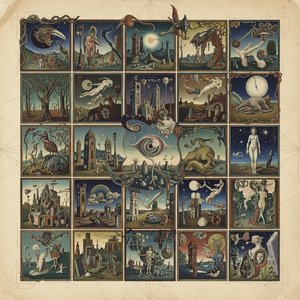
Max Ernst's surreal untitled (7712) presents a bizarre tableau of a frog with dual penises and an umbrella, embodying the artist’s provocative exploration of the subconscious during the 20th century. Discover this unique artwork and bring its unsettling beauty into your collection.

¡Explora el mundo surrealista de Max Ernst (1891-1976), un pionero del Dada y el Surrealismo! Descubre sus innovadoras técnicas de frottage, collages y pinturas oníricas con aves, paisajes y temas psicológicos. #MaxErnst #Surrealismo #Dada

Giclée / Impresión de arte

Impresión giclée o en lienzo de calidad de museo con producción rápida y opciones de acabado flexibles.

P118B $10
P118H $10
P118W $10
P438Z $10
P508JH $12
P508YH $12
P805H $10
P805Z $10
P919BZ $10
P919G $10
P919XJ $10
P959ZH $10
P968JZ $12
W106C $8
W218G $10
W218JH $8
W218Y $10
W307PJ $10
W316G $10
W316PJ $8
W316Y $10
W398PJ $8
W4111J $10
W500HY $15
W500JH $15
W692G $12
W849H $8
W940BG $15
W953PJ $8

Standard
custom
CM
INCH

Elija entre nuestros tamaños predefinidos que respetan las proporciones originales de la obra.

ancho
altura

Puede introducir sus propias dimensiones para adaptarse a un marco o espacio específico. Si el tamaño seleccionado no coincide con las proporciones de la imagen original, recortaremos la obra de arte o extenderemos la imagen con un borde con efecto espejo o de color sólido. Se enviará una maqueta digital para su aprobación antes de que comience la producción.
Tenga en cuenta que la vista previa en pantalla no refleja el recorte o la extensión real. Solo la maqueta mostrará con precisión la composición final.
Aunque existen tamaños personalizados, recomendamos seleccionar una dimensión de la lista predefinida para preservar las proporciones originales.

Entrega mundial () en 2 semanas en lugar de las 4/5 semanas estándar. (24 julio)

why_choose_icon
Envío exprés gratuito a todo el mundo
why_choose_icon
Lienzo de lino de alta calidad
why_choose_icon
Seguro de envío total
why_choose_icon
Garantía de reembolso de impuestos aduaneros
why_choose_icon
Garantía de fidelidad de color
why_choose_icon
Política de devolución de 60 días (solo por defectos)
why_choose_icon
Garantía de devolución del 100% del dinero
why_choose_icon
Descuento por pedido múltiple

Precio total

-

reproduction

untitled (7712)

Giclée / Impresión de arte

Tamaño de la reproducción

-

Precio total final

-

Datos clave

  • Notable elements: Frog, penises, umbrella
  • Artist: Max Ernst
  • Year: 1940s
  • Movement: Surrealism
  • Title: untitled (7712)
  • Location: Private Collection
  • Artistic style: Dreamlike, bizarre

Descripción de la obra

Unveiling the Grotesque Beauty of "Untitled (7712)"

Max Ernst’s “Untitled (7712)” is not merely a painting; it's an unsettling plunge into the subconscious, a visual manifestation of anxieties and desires rendered with the meticulous precision characteristic of the artist. This surrealist masterpiece, depicting a frog burdened with an unnerving duality – two penises prominently displayed – immediately confronts the viewer with a jarring juxtaposition of the familiar and the profoundly disturbing. The image, presented on a wall as if in a gallery setting, invites contemplation not just of its subject matter but also of the very nature of representation and the anxieties simmering beneath the surface of Western art.

  • Subject Matter: The central figure – a frog – is deliberately chosen. Frogs, historically, have held diverse symbolic meanings across cultures, often representing fertility, transformation, and even deception. Ernst’s deliberate exaggeration of this symbolism elevates it to an almost grotesque level.
  • Style & Technique: Ernst's technique, honed over decades of experimentation, is evident in the painting’s textured surface and layered application of paint. The use of collage elements – though not explicitly detailed here – would have been typical of his approach, adding another layer of complexity to the image.
  • Historical Context: Created during the interwar period (1920s-30s), “Untitled (7712)” reflects the broader artistic currents of Surrealism, a movement born from the disillusionment following World War I and fueled by psychoanalytic theories – particularly those of Sigmund Freud. The exploration of dreams, the irrational, and the unconscious was a direct response to the perceived failures of reason and logic.

Decoding the Symbolism: Duality and Discomfort

The most striking element of “Untitled (7712)” is undoubtedly the frog’s anatomical anomaly – two penises. This isn't simply a depiction of physical abnormality; it’s a potent symbol of excess, uncontrolled desire, and perhaps even societal anxieties surrounding sexuality and power. The umbrella held in the frog’s mouth further complicates the interpretation, suggesting an attempt to shield itself from overwhelming sensation or perhaps representing a futile effort to control the uncontrollable. Ernst was deeply interested in exploring psychological states through his art, and this painting is a powerful example of that exploration.

  • Repressed Desires: The image can be interpreted as a visual representation of repressed desires and anxieties – those thoughts and feelings we consciously suppress but which nonetheless exert a powerful influence on our behavior.
  • Critique of Normality: By presenting this unsettling scene, Ernst challenges conventional notions of beauty and normalcy, forcing the viewer to confront uncomfortable truths about human nature.
  • The Role of the Viewer: The painting’s impact is profoundly dependent on the viewer's own psychological state. It’s a work that demands engagement and invites personal interpretation.

Max Ernst: A Life Dedicated to Surreal Exploration

Born in Brühl, Germany, in 1891, Max Ernst was a restless intellectual and artist who defied easy categorization. His academic background – encompassing philosophy, art history, literature, psychology, and psychiatry – profoundly shaped his artistic vision. He wasn't simply interested in replicating reality; he sought to unlock the hidden dimensions of the human psyche through experimentation with techniques like frottage (rubbing textures onto paper) and collage. Ernst’s work reflects a deep engagement with the ideas of Freud and Jung, exploring themes of dreams, memory, and the unconscious mind.

  • Early Influences: Ernst's early artistic development was influenced by Dadaism, another avant-garde movement that rejected traditional aesthetic values.
  • Technological Innovation: He was also a pioneer in the use of photographic techniques in art, further blurring the boundaries between reality and illusion.
  • Legacy: Max Ernst’s influence on 20th-century art is undeniable, and “Untitled (7712)” stands as a testament to his innovative spirit and profound artistic vision.

Bringing "Untitled (7712)" into Your Space

A hand-painted reproduction of Max Ernst’s “Untitled (7712)” offers a unique opportunity to bring this iconic surrealist work into your home or office. TopImpressionists.com meticulously recreates the painting's intricate details and textural qualities, ensuring that your reproduction captures the full emotional impact of the original. Whether you are an art collector seeking to expand your collection or an interior designer looking for a statement piece, this reproduction provides a captivating focal point – a conversation starter and a window into the depths of the human psyche.


Biografía del artista

Max Ernst: Una Vida en el Surrealismo

Juventud y Educación

  • Nacido: 1 de abril de 1891, en Brühl, Alemania.
  • El padre de Ernst, Philipp Ernst, era maestro de sordos y pintor aficionado, fomentando el interés temprano de Max por el arte.
  • Estudió filosofía, historia del arte, literatura, psicología y psiquiatría en la Universidad de Bonn desde 1909.
  • Esta diversa formación académica influyó profundamente en sus posteriores exploraciones artísticas.

Desarrollo Artístico e Influencias

  • Un momento decisivo fue la exposición Sonderbund en Colonia (1912), donde conoció obras de Pablo Picasso, Vincent van Gogh, y Paul Gauguin.
  • En 1914, conoció a Hans Arp, comenzando una amistad que duró toda la vida e influyó significativamente en su trayectoria artística.
  • La Primera Guerra Mundial impactó profundamente a Ernst; sus experiencias como soldado llevaron al desencanto y a una visión crítica de la sociedad.
  • Se sintió influenciado por las obras de Sigmund Freud, explorando temas de la mente inconsciente en su arte.

Dada y Surrealismo

  • Ernst se convirtió en una figura clave del grupo Dada de Colonia después de la Primera Guerra Mundial, rechazando las convenciones artísticas tradicionales.
  • Pionero en técnicas innovadoras como frottage (frotar lápiz sobre superficies texturizadas) y grattage (raspar pintura para revelar capas subyacentes).
  • En la década de 1920, se unió al movimiento Surrealista en París, colaborando con artistas como Paul Éluard.
  • Su obra durante este período exploró imágenes oníricas y temas psicológicos.

Obras Principales y Técnicas

  • Frottage: Una técnica utilizada para crear texturas e imágenes inesperadas, ejemplificada en muchas de sus obras.
  • Collage: Ernst empleó con frecuencia el collage, combinando elementos dispares para crear composiciones surrealistas.
  • Obras Notables:
    • La Ciudad Entera
    • Euclides
    • De Esto Ninguno Debería Saber
    • Bosque y Paloma
  • Sus pinturas a menudo presentan imágenes simbólicas, incluyendo pájaros (particularmente su alter ego Loplop), paisajes y yuxtaposiciones inquietantes.

Vida Tardía y Legado

  • Ernst se trasladó a Estados Unidos durante la Segunda Guerra Mundial, continuando pintando y experimentando con nuevas técnicas.
  • Regresó a Francia después de la guerra y permaneció activo hasta su muerte el 1 de abril de 1976, en París.
  • Significado Histórico: Las contribuciones de Max Ernst a Dada y Surrealismo fueron innovadoras. Desafió las normas artísticas, exploró la mente subconsciente e inventó técnicas innovadoras que continúan inspirando a los artistas de hoy en día.
  • Sigue siendo una de las figuras más importantes e influyentes del arte del siglo XX.

Max Ernst

Max Ernst

1891 - 1976 , Alemania

Datos clave

  • Artistas Influenciados: ['Muchos artistas posteriores']
  • Artistas Que Influyeron:
    • Pablo Picasso
    • Vincent van Gogh
    • Paul Gauguin
    • Sigmund Freud
  • Fecha De Muerte: 1 de abril de 1976
  • Fecha De Nacimiento: 1 de abril de 1891
  • Lugar De Nacimiento: Brühl, Alemania
  • Movimiento Artístico: Dadaísmo y Surrealismo
  • Nacionalidad: Alemán/Americano/Francés
  • Nombre Completo: Max Ernst
  • Obras Notables:
    • La Ciudad Entera
    • Euclides
    • Bosque y Paloma
    • El Elefante de Célebes
Explore obras de arte organizadas por temas, estilos y características.
© TopImpressionists.com — Todos los derechos reservados  ·  100% Pintado a mano · Satisfacción garantizada · Envío gratuito a todo el mundo
VISA MASTERCARD