Atelier — Envío gratuito a todo el mundo — Plazo de entrega: 2–6 semanas
Sell Your Art Lista de deseos Carrito
PreviewPreview Encargar reproducción Encargar reproducciónComprar imagen en alta resolución Comprar imagen en alta resolución EnviarEnviar
DetallesDetalles Añadir a favoritos Añadir a favoritos DescargarDescargar SimilaresSimilares RadiografíaRadiografía Presentación de diapositivasPresentación de diapositivas

untitled (9338)

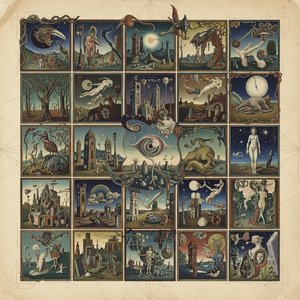
Surrealist masterpiece by Max Ernst featuring a plant with a horse's head and flower face amidst fantastical flora and rocky landscapes – a stunning hand-painted reproduction.

¡Explora el mundo surrealista de Max Ernst (1891-1976), un pionero del Dada y el Surrealismo! Descubre sus innovadoras técnicas de frottage, collages y pinturas oníricas con aves, paisajes y temas psicológicos. #MaxErnst #Surrealismo #Dada

Giclée / Impresión de arte

Impresión giclée o en lienzo de calidad de museo con producción rápida y opciones de acabado flexibles.

P118B $10
P118H $10
P118W $10
P438Z $10
P508JH $12
P508YH $12
P805H $10
P805Z $10
P919BZ $10
P919G $10
P919XJ $10
P959ZH $10
P968JZ $12
W106C $8
W218G $10
W218JH $8
W218Y $10
W307PJ $10
W316G $10
W316PJ $8
W316Y $10
W398PJ $8
W4111J $10
W500HY $15
W500JH $15
W692G $12
W849H $8
W940BG $15
W953PJ $8

Standard
custom
CM
INCH

Elija entre nuestros tamaños predefinidos que respetan las proporciones originales de la obra.

ancho
altura

Puede introducir sus propias dimensiones para adaptarse a un marco o espacio específico. Si el tamaño seleccionado no coincide con las proporciones de la imagen original, recortaremos la obra de arte o extenderemos la imagen con un borde con efecto espejo o de color sólido. Se enviará una maqueta digital para su aprobación antes de que comience la producción.
Tenga en cuenta que la vista previa en pantalla no refleja el recorte o la extensión real. Solo la maqueta mostrará con precisión la composición final.
Aunque existen tamaños personalizados, recomendamos seleccionar una dimensión de la lista predefinida para preservar las proporciones originales.

Entrega mundial () en 2 semanas en lugar de las 4/5 semanas estándar. (24 julio)

why_choose_icon
Envío exprés gratuito a todo el mundo
why_choose_icon
Lienzo de lino de alta calidad
why_choose_icon
Seguro de envío total
why_choose_icon
Garantía de reembolso de impuestos aduaneros
why_choose_icon
Garantía de fidelidad de color
why_choose_icon
Política de devolución de 60 días (solo por defectos)
why_choose_icon
Garantía de devolución del 100% del dinero
why_choose_icon
Descuento por pedido múltiple

Precio total

-

reproduction

untitled (9338)

Giclée / Impresión de arte

Tamaño de la reproducción

-

Precio total final

-

Datos clave

  • Title: untitled (4070)
  • Medium: Oil on canvas
  • Influences: Dada
  • Notable elements or techniques: Automatism, Collage
  • Artist: Max Ernst
  • Movement: Surrealism
  • Year: 1935

Test de arte

Solo hay una respuesta correcta para cada pregunta.

Pregunta 1:
What artistic movement is Max Ernst’s “Untitled (4070)” primarily associated with?
Pregunta 2:
The painting depicts a fantastical landscape featuring what prominent element?
Pregunta 3:
What technique is most evident in Ernst’s use of color and texture?
Pregunta 4:
The central figure in “Untitled (4070)” resembles a hybrid creature combining features of which animal?
Pregunta 5:
What is the overall mood conveyed by Ernst’s artwork?

Descripción de la obra

A Surrealist Dreamscape: Exploring Max Ernst’s ‘Untitled (4070)’

Max Ernst's 'Untitled (4070)' stands as a testament to the boundless imagination of the Surrealist movement, capturing a moment frozen in time—a fantastical vision born from philosophical contemplation and psychological exploration. Painted in 1943 during the Second World War, amidst the anxieties of occupation and the looming shadow of impending doom, this artwork transcends mere depiction; it delves into the subconscious realm, presenting an unsettling yet undeniably beautiful panorama of distorted forms and evocative symbolism. The painting’s style is unmistakably Surrealist—characterized by illogical juxtapositions, dreamlike imagery, and a deliberate rejection of rational perspective. Ernst employs automatism, a technique championed by André Breton and fellow Surrealists, wherein he abandons conscious control over the creative process, allowing subconscious impulses to guide his brushstrokes. This method results in textures that appear almost organic—a chaotic tapestry of earthy browns, ochres, and muted greens interwoven with splashes of crimson and violet. The artist’s masterful manipulation of color contributes significantly to the artwork's emotional resonance, conveying both apprehension and wonder simultaneously. Technically speaking, Ernst utilizes oil paints on canvas, applying them in thick impasto—a technique that builds up layers of pigment to create a palpable surface relief. This textural approach isn’t merely aesthetic; it serves as a conduit for conveying psychological depth. The swirling patterns and undulating lines mimic the rhythms of dreams, mirroring the fluidity and unpredictability inherent in the subconscious mind. Ernst's meticulous attention to detail—particularly evident in the rendering of plant forms—adds another layer of complexity to the composition. Historically, ‘Untitled (4070)’ reflects the broader anxieties surrounding wartime Europe. Surrealism emerged as a reaction against the horrors of Verdun and the devastation wrought by industrial warfare, seeking refuge in the realm of fantasy as a means of confronting existential dread. Breton viewed Surrealist art as “a weapon,” arguing that it could liberate the mind from repressive societal constraints and unlock hidden truths. Ernst’s preoccupation with themes of decay, metamorphosis, and primal instinct aligns perfectly with the movement's core tenets—reflecting a profound awareness of humanity’s vulnerability in the face of overwhelming forces. Symbolically, ‘Untitled (4070)’ is rife with evocative imagery. The dominant plant form—a grotesque hybrid resembling a horse’s head intertwined with floral elements—represents both fertility and death—a poignant reminder of the cyclical nature of existence. Its upward-reaching branches symbolize aspiration and resilience, battling against the oppressive darkness surrounding it. The scattered crimson splashes evoke blood—representing sacrifice and suffering—yet simultaneously hinting at vitality and renewal. Ernst's deliberate ambiguity invites viewers to interpret these symbols personally, fostering a dialogue between art and consciousness. Ultimately, ‘Untitled (4070)’ commands attention not merely for its visual splendor but for its profound emotional impact. It compels us to confront uncomfortable truths about our own psychological landscape—to acknowledge the presence of fear alongside hope, darkness alongside illumination. The painting’s unsettling beauty lingers in the mind long after viewing, prompting contemplation on themes of mortality, transformation, and the enduring power of imagination. A reproduction of this masterpiece offers an opportunity to immerse oneself in a world where dreams hold sway and reality bends to the will of subconscious desire—a captivating addition to any discerning art collection.

Biografía del artista

Max Ernst: Una Vida en el Surrealismo

Juventud y Educación

  • Nacido: 1 de abril de 1891, en Brühl, Alemania.
  • El padre de Ernst, Philipp Ernst, era maestro de sordos y pintor aficionado, fomentando el interés temprano de Max por el arte.
  • Estudió filosofía, historia del arte, literatura, psicología y psiquiatría en la Universidad de Bonn desde 1909.
  • Esta diversa formación académica influyó profundamente en sus posteriores exploraciones artísticas.

Desarrollo Artístico e Influencias

  • Un momento decisivo fue la exposición Sonderbund en Colonia (1912), donde conoció obras de Pablo Picasso, Vincent van Gogh, y Paul Gauguin.
  • En 1914, conoció a Hans Arp, comenzando una amistad que duró toda la vida e influyó significativamente en su trayectoria artística.
  • La Primera Guerra Mundial impactó profundamente a Ernst; sus experiencias como soldado llevaron al desencanto y a una visión crítica de la sociedad.
  • Se sintió influenciado por las obras de Sigmund Freud, explorando temas de la mente inconsciente en su arte.

Dada y Surrealismo

  • Ernst se convirtió en una figura clave del grupo Dada de Colonia después de la Primera Guerra Mundial, rechazando las convenciones artísticas tradicionales.
  • Pionero en técnicas innovadoras como frottage (frotar lápiz sobre superficies texturizadas) y grattage (raspar pintura para revelar capas subyacentes).
  • En la década de 1920, se unió al movimiento Surrealista en París, colaborando con artistas como Paul Éluard.
  • Su obra durante este período exploró imágenes oníricas y temas psicológicos.

Obras Principales y Técnicas

  • Frottage: Una técnica utilizada para crear texturas e imágenes inesperadas, ejemplificada en muchas de sus obras.
  • Collage: Ernst empleó con frecuencia el collage, combinando elementos dispares para crear composiciones surrealistas.
  • Obras Notables:
    • La Ciudad Entera
    • Euclides
    • De Esto Ninguno Debería Saber
    • Bosque y Paloma
  • Sus pinturas a menudo presentan imágenes simbólicas, incluyendo pájaros (particularmente su alter ego Loplop), paisajes y yuxtaposiciones inquietantes.

Vida Tardía y Legado

  • Ernst se trasladó a Estados Unidos durante la Segunda Guerra Mundial, continuando pintando y experimentando con nuevas técnicas.
  • Regresó a Francia después de la guerra y permaneció activo hasta su muerte el 1 de abril de 1976, en París.
  • Significado Histórico: Las contribuciones de Max Ernst a Dada y Surrealismo fueron innovadoras. Desafió las normas artísticas, exploró la mente subconsciente e inventó técnicas innovadoras que continúan inspirando a los artistas de hoy en día.
  • Sigue siendo una de las figuras más importantes e influyentes del arte del siglo XX.

Max Ernst

Max Ernst

1891 - 1976 , Alemania

Datos clave

  • Artistas Influenciados: ['Muchos artistas posteriores']
  • Artistas Que Influyeron:
    • Pablo Picasso
    • Vincent van Gogh
    • Paul Gauguin
    • Sigmund Freud
  • Fecha De Muerte: 1 de abril de 1976
  • Fecha De Nacimiento: 1 de abril de 1891
  • Lugar De Nacimiento: Brühl, Alemania
  • Movimiento Artístico: Dadaísmo y Surrealismo
  • Nacionalidad: Alemán/Americano/Francés
  • Nombre Completo: Max Ernst
  • Obras Notables:
    • La Ciudad Entera
    • Euclides
    • Bosque y Paloma
    • El Elefante de Célebes
Explore obras de arte organizadas por temas, estilos y características.
© TopImpressionists.com — Todos los derechos reservados  ·  100% Pintado a mano · Satisfacción garantizada · Envío gratuito a todo el mundo
VISA MASTERCARD