Atelier — Envío gratuito a todo el mundo — Plazo de entrega: 2–6 semanas
Lista de deseos Carrito
Encargar reproducción Encargar reproducciónComprar imagen en alta resolución Comprar imagen en alta resolución EnviarEnviar
DetallesDetalles Añadir a favoritos Añadir a favoritos DescargarDescargar SimilaresSimilares RadiografíaRadiografía Presentación de diapositivasPresentación de diapositivas

Wandbid

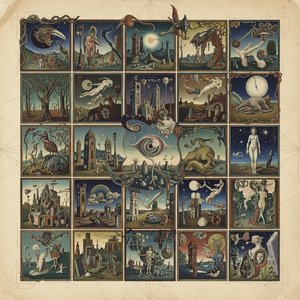
Wandbid by Max Ernst – This vibrant painting captures the dynamism of nature with colorful flowers and birds amidst a textured landscape, reflecting Ernst’s surrealist exploration of subconscious imagery.

¡Explora el mundo surrealista de Max Ernst (1891-1976), un pionero del Dada y el Surrealismo! Descubre sus innovadoras técnicas de frottage, collages y pinturas oníricas con aves, paisajes y temas psicológicos. #MaxErnst #Surrealismo #Dada

Giclée / Impresión de arte

Impresión giclée o en lienzo de calidad de museo con producción rápida y opciones de acabado flexibles.

P118B $10
P118H $10
P118W $10
P438Z $10
P508JH $12
P508YH $12
P805H $10
P805Z $10
P919BZ $10
P919G $10
P919XJ $10
P959ZH $10
P968JZ $12
W106C $8
W218G $10
W218JH $8
W218Y $10
W307PJ $10
W316G $10
W316PJ $8
W316Y $10
W398PJ $8
W4111J $10
W500HY $15
W500JH $15
W692G $12
W849H $8
W940BG $15
W953PJ $8

Standard
custom
CM
INCH

Elija entre nuestros tamaños predefinidos que respetan las proporciones originales de la obra.

ancho
altura

Puede introducir sus propias dimensiones para adaptarse a un marco o espacio específico. Si el tamaño seleccionado no coincide con las proporciones de la imagen original, recortaremos la obra de arte o extenderemos la imagen con un borde con efecto espejo o de color sólido. Se enviará una maqueta digital para su aprobación antes de que comience la producción.
Tenga en cuenta que la vista previa en pantalla no refleja el recorte o la extensión real. Solo la maqueta mostrará con precisión la composición final.
Aunque existen tamaños personalizados, recomendamos seleccionar una dimensión de la lista predefinida para preservar las proporciones originales.

Entrega mundial () en 2 semanas en lugar de las 4/5 semanas estándar. (21 julio)

why_choose_icon
Envío exprés gratuito a todo el mundo
why_choose_icon
Lienzo de lino de alta calidad
why_choose_icon
Seguro de envío total
why_choose_icon
Garantía de reembolso de impuestos aduaneros
why_choose_icon
Garantía de fidelidad de color
why_choose_icon
Política de devolución de 60 días (solo por defectos)
why_choose_icon
Garantía de devolución del 100% del dinero
why_choose_icon
Descuento por pedido múltiple

Precio total

-

reproduction

Wandbid

Giclée / Impresión de arte

Tamaño de la reproducción

-

Precio total final

-

Datos clave

  • Artist: Max Ernst
  • Artistic style: Expressionist
  • Movement: Surrealism
  • Year: 1928
  • Title: The Flower Seller
  • Influences: Dada
  • Notable elements or techniques: Automatism; Collage

Test de arte

Solo hay una respuesta correcta para cada pregunta.

Pregunta 1:
What is the predominant color scheme of “Wandbid”?
Pregunta 2:
The painting prominently features a yellow flower with red petals. What artistic technique is likely employed to achieve this effect?
Pregunta 3:
“Wandbid” depicts birds in various positions of flight and rest. How does this element contribute to the overall impression of dynamism within the artwork?
Pregunta 4:
Max Ernst was influenced by Surrealist ideas. What is a key characteristic of Surrealism?
Pregunta 5:
Considering Ernst’s academic background in psychology, how might his understanding of the human psyche inform his artistic approach?

Descripción de la obra

A Vision of Untamed Beauty – Wandbid by Max Ernst

Max Ernst’s “Wandbid,” painted in 1928, stands as a cornerstone of Surrealist art—a testament to the power of subconscious thought and an audacious rejection of rational order. More than just a depiction of flora and fauna, it's a carefully constructed landscape designed to provoke contemplation and stir the imagination.

  • Subject Matter: The painting centers around a vibrant bouquet of flowers—primarily yellow blossoms adorned with scarlet petals—a striking contrast against a backdrop of pastel hues. Scattered amongst these blooms are birds, rendered in varying postures of flight and repose, adding dynamism to the composition.
  • Style & Technique: Ernst employed a technique known as “frottage,” meticulously rubbing a textured surface (often paper) with charcoal or crayon to transfer its patterns onto canvas. This method—inspired by Georges Méliès’s cinematic explorations of illusion—creates an organic, unpredictable visual effect that embodies the Surrealist ethos.
  • Historical Context: “Wandbid” emerged during the Weimar Republic era in Germany, a period marked by artistic experimentation and intellectual ferment following World War I. The Surrealists sought to liberate art from the constraints of logic and reason, drawing inspiration from psychoanalysis—particularly Sigmund Freud’s theories on dreams—to tap into the hidden depths of human consciousness.

Symbolism – Layers of Meaning Beneath the Surface

Ernst's masterful use of color isn’t merely decorative; it carries symbolic weight. The dominant yellow hue represents vitality and optimism, yet simultaneously hints at decay—a poignant reminder of the ephemeral nature of beauty. Similarly, the scarlet petals symbolize passion and desire, juxtaposed against the tranquil serenity of the surrounding landscape.

The birds themselves are laden with significance. Often interpreted as messengers of hope and transformation, they embody the Surrealist aspiration to transcend everyday reality and access a realm of spiritual insight. Their varied positions—some soaring aloft, others resting peacefully—suggest the complexities inherent in human experience.

Craftsmanship & Artistic Vision

Beyond the innovative technique of frottage lies Ernst’s unwavering commitment to artistic integrity. He meticulously blended pigments with painstaking precision, achieving subtle gradations of tone that enhance the painting's luminosity and depth. The resulting artwork is a captivating blend of observation and imagination—a reflection of Ernst’s profound understanding of both nature and psychology.

Emotional Resonance – An Invitation to Dream

"Wandbid" transcends mere visual representation; it aspires to evoke an emotional response in the viewer. Its unsettling beauty compels us to confront our own subconscious desires and anxieties—to embrace the transformative potential of dreams. Like many Surrealist masterpieces, it lingers in the mind long after initial viewing, prompting ongoing reflection on its multifaceted layers of meaning.


Biografía del artista

Max Ernst: Una Vida en el Surrealismo

Juventud y Educación

  • Nacido: 1 de abril de 1891, en Brühl, Alemania.
  • El padre de Ernst, Philipp Ernst, era maestro de sordos y pintor aficionado, fomentando el interés temprano de Max por el arte.
  • Estudió filosofía, historia del arte, literatura, psicología y psiquiatría en la Universidad de Bonn desde 1909.
  • Esta diversa formación académica influyó profundamente en sus posteriores exploraciones artísticas.

Desarrollo Artístico e Influencias

  • Un momento decisivo fue la exposición Sonderbund en Colonia (1912), donde conoció obras de Pablo Picasso, Vincent van Gogh, y Paul Gauguin.
  • En 1914, conoció a Hans Arp, comenzando una amistad que duró toda la vida e influyó significativamente en su trayectoria artística.
  • La Primera Guerra Mundial impactó profundamente a Ernst; sus experiencias como soldado llevaron al desencanto y a una visión crítica de la sociedad.
  • Se sintió influenciado por las obras de Sigmund Freud, explorando temas de la mente inconsciente en su arte.

Dada y Surrealismo

  • Ernst se convirtió en una figura clave del grupo Dada de Colonia después de la Primera Guerra Mundial, rechazando las convenciones artísticas tradicionales.
  • Pionero en técnicas innovadoras como frottage (frotar lápiz sobre superficies texturizadas) y grattage (raspar pintura para revelar capas subyacentes).
  • En la década de 1920, se unió al movimiento Surrealista en París, colaborando con artistas como Paul Éluard.
  • Su obra durante este período exploró imágenes oníricas y temas psicológicos.

Obras Principales y Técnicas

  • Frottage: Una técnica utilizada para crear texturas e imágenes inesperadas, ejemplificada en muchas de sus obras.
  • Collage: Ernst empleó con frecuencia el collage, combinando elementos dispares para crear composiciones surrealistas.
  • Obras Notables:
    • La Ciudad Entera
    • Euclides
    • De Esto Ninguno Debería Saber
    • Bosque y Paloma
  • Sus pinturas a menudo presentan imágenes simbólicas, incluyendo pájaros (particularmente su alter ego Loplop), paisajes y yuxtaposiciones inquietantes.

Vida Tardía y Legado

  • Ernst se trasladó a Estados Unidos durante la Segunda Guerra Mundial, continuando pintando y experimentando con nuevas técnicas.
  • Regresó a Francia después de la guerra y permaneció activo hasta su muerte el 1 de abril de 1976, en París.
  • Significado Histórico: Las contribuciones de Max Ernst a Dada y Surrealismo fueron innovadoras. Desafió las normas artísticas, exploró la mente subconsciente e inventó técnicas innovadoras que continúan inspirando a los artistas de hoy en día.
  • Sigue siendo una de las figuras más importantes e influyentes del arte del siglo XX.

Max Ernst

Max Ernst

1891 - 1976 , Alemania

Datos clave

  • Artistas Influenciados: ['Muchos artistas posteriores']
  • Artistas Que Influyeron:
    • Pablo Picasso
    • Vincent van Gogh
    • Paul Gauguin
    • Sigmund Freud
  • Fecha De Muerte: 1 de abril de 1976
  • Fecha De Nacimiento: 1 de abril de 1891
  • Lugar De Nacimiento: Brühl, Alemania
  • Movimiento Artístico: Dadaísmo y Surrealismo
  • Nacionalidad: Alemán/Americano/Francés
  • Nombre Completo: Max Ernst
  • Obras Notables:
    • La Ciudad Entera
    • Euclides
    • Bosque y Paloma
    • El Elefante de Célebes
Explore obras de arte organizadas por temas, estilos y características.
© TopImpressionists.com — Todos los derechos reservados  ·  100% Pintado a mano · Satisfacción garantizada · Envío gratuito a todo el mundo
VISA MASTERCARD