

Se muestra: · Con su marco:
 Ver en contexto

 Enviar
 Compartir
 Detalles
 Ficha técnica


 Descargar
 Similares
 Radiografía
 Presentación de diapositivas
 Preguntas y respuestas

 Estadísticas
Found (Max Klinger)


Lienzos e impresiones de bellas artes desde €45 en 36 x 28 cm
Reproducción al óleo pintada a mano desde €224
- Envío gratuito a todo el mundo en 3-4 semanas
- Impresiones enrolladas: entrega en 3-4 semanas
- Devoluciones en 100 días y reembolso garantizado
- Calificado con 4.9/5 por 241 clientes en ArtShopReviews.com
€ 70
Giclée / Impresión de arte
Impresiones giclée o en lienzo de calidad de museo con producción rápida y opciones de acabado flexibles. ( Óleo impresionista Comprar copia digital
)
Técnica y soporte
 Leer más información
Nuestra opción económica: la misma imagen impresa en un lienzo de poliéster de 260 g/m² en lugar de algodón, enviada enrollada en un tubo por correo ordinario en un plazo de 3 a 4 semanas. Solo en formato enrollado (sin bastidor ni marco) y sin producción urgente, para tamaños con al menos un lado de 80 cm o menos. Aproximadamente un 30% más barata que la impresión en lienzo de algodón.
No disponible para este tamaño: al menos un lado debe medir 80 cm o menos.
Solo en rollo: elija la opción de lienzo en tubo para seleccionar esta impresión.
Disponible para tamaños con ambos lados de 110 cm o menos. Para tamaños superiores, la impresión se realiza sobre lienzo de algodón mate.
El lienzo mate de archivo no está disponible para este tamaño: ambos lados deben medir 110 cm o menos. En su lugar, su impresión se realizará en lienzo de algodón mate.
La opción de vidrio solo está disponible en tamaños inferiores a 110 cm.
Tamaño
·Elija entre nuestros tamaños predefinidos que respetan las proporciones originales de la obra.
Cargando tamaños...

ancho
altura
Introduzca el ancho y el alto que necesite para adaptarse a su marco o pared. Una impresión solo puede recortarse, nunca hacerse más grande que la imagen original, por lo que un tamaño con una forma distinta perderá parte de la obra. Le enviaremos una maqueta digital para su aprobación antes de realizar cualquier impresión. La imagen que se muestra en esta página no refleja el recorte real; solo la maqueta lo hace.
Tamaño estándar
a medida
CM
PULGADAS
Finalizar
·
Blanco €1

Bordes difuminados €1

Continuación de imagen €1

P118B €10

P118H €10

P118W €10

P438Z €10

P508JH €12

P508YH €12

P805H €10

P805Z €10

P919BZ €10

P919G €10

P919XJ €10

P959ZH €10

P968JZ €12

W106C €8

W218G €10

W218JH €8

W218Y €10

W307PJ €10

W316G €10

W316PJ €8

W316Y €10

W398PJ €8

W4111J €10

W500HY €15

W500JH €15

W692G €12

W849H €8

W940BG €15

W953PJ €8
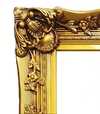
H24-GOLD €30
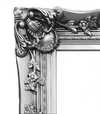
H24-SILVER €30
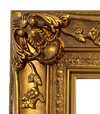
H36-GOLD €70
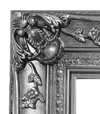
H36-SILVER €70
Se envía en un tubo protector, listo para que lo enmarque su profesional de confianza.
Servicios adicionales
opcional¿Qué incluyen los extras?
Envío a todo el mundo () en 2 semanas en lugar de las 4/5 semanas estándar. (23 diciembre)
La producción urgente y el envío por mensajería exprés no están disponibles para la impresión en poli-canvas Economy, que se envía por correo ordinario.
Barniz protector
Cartela
Detalles de la placa de bronce grabada
Esta elegante placa incluye el nombre del artista y el título de la obra, finamente grabados para una presentación atemporal.
Está fabricada en bronce con un acabado refinado y elegante. El texto está grabado con láser de forma precisa para obtener un resultado nítido y permanente. Con unas dimensiones de 9x2 cm, la placa es compacta pero fácil de leer. Está diseñada para ser duradera y resistente a los arañazos, ofreciendo un aspecto profesional de calidad de museo. El montaje es sencillo gracias al adhesivo incluido en la parte posterior.
Detalles de la placa de acrílico transparente
La placa incluye detalles grabados esenciales como el nombre del artista, el título de la obra, la fecha de creación, la técnica utilizada —como óleo sobre lienzo o acuarela—, una breve descripción de la pieza y un código QR que enlaza con la información completa de la obra.
Está fabricada en acrílico transparente, ofreciendo una apariencia elegante y moderna. El texto está grabado con tecnología UV en color negro para garantizar un fuerte contraste visual. Con un tamaño de 10x15 cm, asegura una legibilidad óptima. Viene equipada con dos ganchos metálicos para una fijación segura en la pared. La placa está diseñada para ser resistente a la intemperie, lo que la hace adecuada para diversos entornos, e incluye funciones interactivas que funcionan perfectamente mediante el escaneo con smartphone.
Detalles de la placa de acrílico negro
Esta elegante placa incluye información grabada como el nombre del artista, el título de la obra, la fecha de creación, la técnica utilizada (como óleo sobre lienzo o acuarela), una breve descripción de la obra y un código QR para acceder rápidamente a más información.
La placa está fabricada en acrílico negro refinado con un acabado premium. El texto está grabado con láser en blanco para ofrecer un alto contraste y legibilidad. Tiene un tamaño de 10x15 cm, diseñado para una lectura fácil. Incluye dos ganchos metálicos para una instalación profesional. Su diseño es elegante y se adapta a cualquier estilo de interior. Además, es resistente a la intemperie y duradera, con integración digital incorporada para compatibilidad con dispositivos móviles.
La opción de vidrio solo está disponible en tamaños inferiores a 110 cm.
 La opción de vidrio solo está disponible en tamaños inferiores a 110 cm.
- Envío gratuito a todo el mundo en 3-4 semanas
- Lienzo de lino de alta calidad
- Seguro de envío total
- Garantía de reembolso de aranceles aduaneros
- Garantía de fidelidad cromática exacta
- Devoluciones en 100 días y reembolso garantizado
- Garantía de devolución del 100% del dinero
- Descuento por cantidad


Found: Max Klinger y el momento del Symbolism
Two figures kneel in despair beneath a suspended form in this dramatic monochromatic etching filled with dense, swirling cross-hatching.
Max Klinger: biografía
Su Paráfrasis sobre el hallazgo de un guante se inspiró en un sueño: observe cómo aparece el guante en cada lámina.
Sobre la obra
The Artwork Found by Max Klinger
In the quiet tension of Found, the viewer encounters a scene of profound emotional distress. Max Klinger, born in 1857 in Leipzig, Germany, presents a vision that feels caught in a moment of sudden, sharp anguish. The composition draws the eye upward through a pyramidal arrangement, where two figures kneel in supplication at the base. Above them, a third figure remains suspended on a rigid rectangular plane, creating a sense of unsettling verticality. The atmosphere is heavy with a feeling of helplessness, as if the figures are trapped within a swirling chaos of lines that refuse to settle.
The imagery suggests a narrative of torment or judgment, though the exact nature of the suffering remains a mystery. Shadows and highlights dance across the forms, emphasizing the intensity of the facial expressions and the physical strain of the subjects. There is a palpable sense of unease in the way the figures interact with the space around them. The scene does not offer the comfort of a clear light source, leaving the viewer to navigate the deep shadows and the turbulent, textured background that seems to pulse with internal turmoil.
Composition and Visual Elements
A heavy, pyramidal structure dictates the movement of the scene, pulling the eye upward through a tense arrangement of forms. At the base, two figures kneel in a state of supplication, their bodies anchoring the bottom of the triangle. Above them, a third figure remains suspended on a rigid, rectangular plane, creating a jarring contrast between the organic curves of the human forms and the unyielding geometry of the platform. This vertical tension holds the viewer in a state of suspended animation, caught between the grounded suffering below and the hovering presence above.
The background refuses to remain still. Dense, swirling lines churn through the space, suggesting a world in a state of constant, chaotic turmoil. These lines wrap around the figures, blurring the distinction between the subjects and the atmosphere surrounding them. Light and shadow dance unevenly across the scene, with deep, heavy blacks clashing against pale highlights to emphasize the emotional weight of the figures. The perspective feels strangely flattened, yet the layering of these dark, textured shapes creates a sense of depth that pulls the viewer into the center of the struggle.
Technique and Artistic Materials
The scene emerges from a monochromatic world, where every shadow and highlight relies on a careful dance of gray tones. This is the result of a meticulous printmaking process, likely an etching or an engraving. One can almost feel the physical resistance of the metal plate as the artist uses sharp etching needles to incise deep, deliberate lines into the surface. These marks do not merely outline forms; they build a dense, textured landscape through heavy cross-hatching that catches the light and holds the darkness in place.
The materials used in this creation speak to a tactile, hands-on labor. A metal plate, perhaps zinc or copper, receives the initial wounding of the needle, creating the channels that will eventually hold the ink. Once the incised lines are ready, ink is pressed into these grooves, transferring the soul of the plate onto paper. This method allows for a staggering level of detail, where the swirling, chaotic lines of the background and the sharp, angular contours of the figures emerge from the interplay of ink and fiber.
Style and Artistic Movement
The work breathes with the heavy, restless energy of late 19th-century Expressionism. Every line seems to vibrate with an internal tension, pushing beyond mere representation to capture a raw, psychological state. This approach finds a striking kinship with the visual language of Edvard Munch, where the external world bends and twists to mirror the turbulence of the human spirit. The figures do not simply exist in space; they appear caught in a moment of profound emotional upheaval, their forms shaped by the weight of what they feel rather than the strict rules of anatomy.
At its core, the piece is deeply rooted in the Symbolist movement. It moves away from the literalism of the natural world to explore the shadowy, subjective realms of the subconscious. Rather than depicting a clear, objective reality, the imagery functions through a language of signs and metaphors that point toward deeper, unseen truths. The atmosphere is thick with the sense of a dream or a nightmare, where the boundaries between the physical self and the internal psyche begin to dissolve into a swirl of dark, textured lines.
Emotional and Symbolic Themes
Anguish and fear pulse through the scene, casting a heavy shadow over the figures. A profound sense of desperation grips the viewer as the subject matter unfolds, depicting a moment of intense emotional distress and torment. The two kneeling figures at the base of the composition seem trapped in a state of supplication, their bodies conveying a deep-seated helplessness. Above them, a third figure remains suspended on a rigid rectangular plane, watching the suffering below. This triangular arrangement creates a palpable tension, suggesting a heavy power dynamic or the weight of an inevitable judgment.
Chaos swirls in the background, where dense, agitated lines churn like a storm. These movements suggest a state of inner turmoil or perhaps the presence of overwhelming external forces acting upon the souls depicted. The darkness and light do not merely define form; they heighten the psychological weight of the moment. Every line contributes to an atmosphere of unease, as if the very air around the figures is thick with their collective despair. The struggle feels immediate, caught in a perpetual state of spiritual or emotional crisis.
Related Works by Max Klinger
The shadows of the artist's imagination stretch into other graphic cycles, where the boundaries between reality and the subconscious continue to blur. In the series Paraphrase on the Finding of a Glove, a single lost object transforms into a potent fetish, triggering a sequence of dreamlike visions and unsettling encounters. This narrative exploration of desire and loss finds a musical counterpart in the Brahms Fantasies from 1894, where the artist translates the spirit of composition into visual form. These works reveal a mind preoccupied with the hidden currents of human longing and the irrational forces that govern our inner lives.
Other explorations move through the realms of myth and movement. The artist's hand traces the tension found in The Rape of Prometheus and the rhythmic energy of Preparation for the dance. Each piece acts as a window into a world where the physical and the psychological are inseparable. Whether through the meticulous lines of an etching or the heavy presence of a sculpture, the artist's vision remains fixed on the tension between the seen world and the unseen impulses that drive it.
Preguntas y respuestas
¿Esta reproducción de Found está pintada a mano o es una impresión?
Impresión: Found se reproduce como una impresión giclée en lienzo de algodón o en papel de lienzo de archivo Epson.
¿Qué tamaño debo elegir para Found?
Los tamaños van desde 36.3 x 27.5 cm (€45) hasta 248.4 x 188.4 cm (€407); la tabla de esta página detalla las opciones principales y sus precios.
¿Cuánto tarda el envío?
Las láminas enrolladas en tubo se envían gratuitamente por correo ordinario y llegan en un plazo de 3 a 4 semanas; las láminas tensadas o enmarcadas tardan entre 4 y 5 semanas. El envío por mensajería exprés solo está disponible mediante la opción de Envío Exprés de pago que se ofrece en esta página. Puede realizar la devolución en un plazo de 100 días para obtener un reembolso completo, sin condiciones.
¿Qué técnica utilizó Max Klinger para Found?
Etching
Datos rápidos y cuestionario de arte
Sobre Max Klinger

Max Klinger
1857 - 1920, Alemania
Sobre Max Klinger: vida, obras y biografía
Datos rápidos sobre Max Klinger
- Artistas Que Influyeron:
- Menzel
- Gova
- Fecha De Nacimiento: 18 de febrero de 1857
- Influencia En Artistas:
- Wilhelm Trübner
- Jörg Breu el Anciano
- Lugar De Nacimiento: Leipzig, Alemania
- Movimiento Artístico: Simbolismo
- Nacionalidad: Alemán
- Nombre Completo: Max Klinger
- Obras Notables: ['Paráfrasis sobre el hallazgo de un guante']
Explore obras de arte organizadas por temas, estilos y características.


Max Klinger
Found
() ·
Con su marco: ·
Total