

 Ver en contexto
 Enviar
 Compartir
 Detalles
 Guía
Guía

 Descargar
 Similares
 Radiografía
 Presentación de diapositivas
 Preguntas y respuestas
 Estadísticas
Spring in Kaunas


Experience the serene watercolor beauty of Spring in Kaunas by Mstislav Dobuzhinsky (1923), capturing spring's gentle spirit; discover this masterpiece today.
 Ver más
¡Explora los inquietantes paisajes urbanos de Mstislav Dobuzhinsky! Artista ruso-lituano conocido por expresar la decadencia urbana y la vida industrial a través del arte expresionista.
La obra de arte que se muestra en esta página está protegida por las leyes de propiedad intelectual, lo que significa que no podemos crear ni vender legalmente una reproducción idéntica. Esta protección se hace cumplir en virtud de acuerdos internacionales como el Convenio de Berna y por las leyes nacionales, incluidas aquellas establecidas por el Ley de derechos de autor de los EE. UU. - Título 17.
Este método cumple plenamente con las normativas de derechos de autor, ya que no implica la copia ni la duplicación de la obra protegida. En su lugar, se trata de una reinterpretación creativa: una nueva pintura influenciada por la original, pero que no es idéntica a ella.
Giclée / Impresión de arte
Impresiones giclée o en lienzo de calidad de museo con producción rápida y opciones de acabado flexibles. ( Comprar pintura hecha a mano Cambiar a imagen digital)




P118B €10

P118H €10

P118W €10

P438Z €10

P508JH €12

P508YH €12

P805H €10

P805Z €10

P919BZ €10

P919G €10

P919XJ €10

P959ZH €10

P968JZ €12

W106C €8

W218G €10

W218JH €8

W218Y €10

W307PJ €10

W316G €10

W316PJ €8

W316Y €10

W398PJ €8

W4111J €10

W500HY €15

W500JH €15

W692G €12

W849H €8

W940BG €15

W953PJ €8




Tamaño estándar
a medida
CM
INCH
Elija entre nuestros tamaños predefinidos que respetan las proporciones originales de la obra.
Loading sizes...

ancho
altura
Introduzca el ancho y el alto que necesite para adaptarse a su marco o pared. Una impresión solo puede recortarse, nunca hacerse más grande que la imagen original, por lo que un tamaño con una forma distinta perderá parte de la obra. Le enviaremos una maqueta digital para su aprobación antes de realizar cualquier impresión. La imagen que se muestra en esta página no refleja el recorte real; solo la maqueta lo hace.
Envío a todo el mundo () en 2 semanas en lugar de las 4/5 semanas estándar. (4 noviembre)

Envío exprés gratuito a todo el mundo

Lienzo de lino de alta calidad

Seguro de envío total

Garantía de reembolso de aranceles aduaneros

Garantía de fidelidad cromática exacta

Política de devolución de 100 días (solo por defectos)

Garantía de devolución del 100% del dinero

Descuento por cantidad
 La opción de vidrio solo está disponible en tamaños inferiores a 110 cm.

Spring in Kaunas
Giclée / Impresión de arte
Dimensiones de la reproducción
-


Precio total final
€ 62
The Gentle Awakening: Capturing Spring's Spirit in Kaunas
Mstislav Dobuzhinsky’s 1923 watercolor, "Spring in Kaunas," is not merely a depiction of a season; it is an immersion into a moment of profound, quiet renewal. The painting washes over the viewer with the soft luminescence of early spring, transforming a specific landscape into a universal meditation on hope. One can almost feel the gentle warmth filtering through the air, carrying the scent of blossoming life. Dobuzhinsky masterfully captures this ephemeral quality, allowing the lush greens and delicate pastels to speak volumes about nature’s persistent cycle of rebirth.
A Symphony in Watercolor: Technique and Atmosphere
The technical brilliance of this piece lies in its handling of watercolor itself. The artist employs loose brushstrokes and translucent washes, techniques that lend the entire scene a breathy, atmospheric quality. There is no harsh edge; instead, colors bleed into one another—the blues meeting the pinks, the yellows mingling with various shades of green foliage. This blending creates depth while maintaining an ethereal softness. Compositionally, the eye is guided by the foreground fence, which acts as a subtle leading line drawing us deeper into the middle ground where trees and bushes undulate in organic forms. The background anchors this natural exuberance with the steadfast presence of Orthodox church spires, providing both scale and a counterpoint to the wildness of the flora.
Symbolism Woven into the Landscape
Beyond its immediate beauty, "Spring in Kaunas" resonates with deep symbolic weight. The blossoming flowers are the quintessential emblems of renewal, marking the passage from dormancy to vibrant life. Juxtaposed against this natural efflorescence is the prominent religious architecture. This pairing suggests a harmonious dialogue between the spiritual and the earthly—faith rooted deeply within the cycle of nature itself. It speaks to a tradition that finds its deepest meaning not in permanence, but in the continuous promise of return, the promise embodied by spring.
Echoes of Place and Time
While Dobuzhinsky is often known for his haunting explorations of urban decay, this work offers a beautiful counter-narrative. Painted in 1923, it captures a specific moment in the life of Kaunas, blending the enduring spirit of its culture with the vibrant energy of nature reclaiming space. The overall emotional impact is one of profound serenity mixed with an undeniable sense of anticipation—the hopeful sigh that accompanies the first truly warm day after a long winter. For collectors and designers alike, this piece offers not just decoration, but a palpable infusion of tranquil, optimistic energy into any space.
Preguntas y respuestas
¿Para qué se recomienda una reproducción de "Spring in Kaunas" de Mstislav Dobuzhinsky?
El uso sugerido para "Spring in Kaunas" de Mstislav Dobuzhinsky es Focal. También puede utilizarse con otros fines.
¿Cómo convergen el movimiento y la época en "Spring in Kaunas" de Mstislav Dobuzhinsky?
"Spring in Kaunas" de Mstislav Dobuzhinsky pertenece al movimiento Impressionism, dentro de la era Edad Moderna de su creador.
¿Para quién es un buen regalo "Spring in Kaunas" de Mstislav Dobuzhinsky?
Se sugiere "Spring in Kaunas" como un regalo para Seasonal Gift, pensando en Focal.
Obras relacionadas


Biografía del artista
Mstislav Dobuzhinsky: Un visionario de la decadencia urbana
Mstislav Valerianovich Dobuzhinsky (1875-1957), un nombre quizás menos familiar que el de algunos de sus contemporáneos, permanece como una figura profundamente evocadora en la historia del arte ruso. Nacido en Nóvgorod y con raíces lituanas, forjó una voz artística única, definida por una exploración inquietante de la decadencia urbana, los paisajes industriales y el costo psicológico de la modernidad. Su obra no es simplemente una serie de representaciones de edificios en ruinas; es una expresión visceral de aislamiento, ansiedad y esa belleza perturbadora que se encuentra entre las sombras de ciudades en constante transformación. El legado de Dobuzhinsky reside en su capacidad para transformar las realidades mundanas de la Rusia del siglo XX en imágenes poderosamente expresivas que continúan resonando en los espectadores de hoy.Primeros años y formación artística
El viaje artístico de Dobuzhinsky comenzó de manera modesta, asistiendo a la Escuela de Dibujo de la Sociedad para el Fomento de los Artistas en Nóvgorod, antes de estudiar derecho en la Universidad Imperial de San Petersburgo mientras, simultáneamente, se formaba de manera privada. Esta doble búsqueda refleja una curiosidad intelectual inquieta que impregnaría su obra posterior. De manera crucial, recibió formación formal de destacados artistas europeos —Anton Ažbe en Múnich y Simon Hollásy en el Imperio Austrohúngaro—, lo que lo expuso a las crecientes influencias del Jugendstil (Art Nouveau) y otros movimientos contemporáneos. Estas primeras experiencias moldearon sus habilidades técnicas y le introdujeron en un vocabulario artístico más amplio, que más tarde sintetizaría en su estilo distintivo. Su vinculación con el círculo de Mir iskusstva, un grupo artístico que idealizaba el siglo XVIII como una edad de oro de elegancia y refinamiento, resultó fundamental para moldear su perspectiva sobre el papel del arte en la sociedad; una perspectiva que, en última instancia, lo llevó a confrontar los aspectos más oscuros de la vida urbana moderna.El paisaje urbano expresionista
El gran salto artístico de Dobuzhinsky llegó con su exploración del paisaje urbano ruso durante un período de rápida industrialización y agitación social. Al rechazar las representaciones idealizadas que favorecían muchos de sus contemporáneos, se centró en las crudas realidades de las fábricas, los inquilinatos y las calles abarrotadas. Su paleta estaba a menudo dominada por marrones sombríos, grises y rojos profundos, colores que transmitían tanto la decadencia física como la intensidad emocional de estos entornos. Líneas audaces y contrastes dramáticos acentuaban la sensación de claustrofobia y alienación inherente a la existencia urbana. Su obra no es simplemente un registro de cambios arquitectónicos; es una investigación de la condición humana dentro de esos espacios, un retrato de la soledad, la desesperación y la lucha por la supervivencia en medio de un progreso implacable. La influencia del expresionismo es innegable, pero Dobuzhinsky desarrolló una sensibilidad únicamente rusa, nutrida por sus experiencias y observaciones personales.Obras notables y técnicas artísticas
Varias obras clave ejemplifican la visión artística de Dobuzhinsky. “Pskov” (1923), por ejemplo, captura la atmósfera melancólica de una ciudad portuaria rusa con un meticuloso detalle a lápiz, revelando la sutil belleza dentro de su propio deterioro. “Idilio de octubre” (1905) es un ejemplo particularmente impactante de su estilo expresivo, al representar una brutal escena urbana de violencia y pobreza plasmada con líneas marcadas e intensos rojos, un testimonio de las inquietantes realidades de la Rusia industrial. Sus ilustraciones para “Noches blancas” de Dostoievski (1923) demostraron aún más su capacidad para transmitir emociones complejas a través de la narrativa visual, utilizando una paleta atenuada y composiciones evocadoras. La maestría de Dobuzhinsky se extendió más allá de la pintura; también fue un hábil escenógrafo, contribuyendo significativamente a producciones teatrales en París, Bruselas y otros lugares, demostrando una versatilidad que subrayaba su profundidad artística.Legado y trascendencia histórica
La obra de Mstislav Dobuzhinsky posee una importancia histórica significativa como documento de la Rusia de principios del siglo XX. Capturó un momento crucial en la transformación de la nación —la transición de una sociedad agraria a una metrópolis industrial— y ofreció una perspectiva crítica sobre sus consecuencias sociales y psicológicas. Su retrato inquebrantable de la decadencia urbana desafió las nociones convencionales de belleza y progreso, obligando a los espectadores a confrontar verdades incómodas sobre la modernidad. Aunque su trabajo pudo no haber alcanzado una fama generalizada durante su vida, desde entonces ha sido reconocido como una contribución seminal al expresionismo ruso y un poderoso reflejo de las ansiedades e incertidumbres de la era moderna. Su influencia puede verse en las generaciones posteriores de artistas que continuaron explorando temas de alienación urbana y crítica social. Hoy en día, los inquietantes paisajes urbanos de Dobuzhinsky siguen provocando la contemplación sobre la relación entre la humanidad y su entorno, recordándonos el poder perdurable del arte para iluminar tanto la belleza como la oscuridad.
Mstislav Dobuzhinsky
1875 - 1957 , Rusia
Datos clave
- Artistic Movement Or Style: Expresionismo, Paisajes urbanos
- Artists Or Movements Influenced By This Artist: ['Mir iskusstva']
- Artists Who Influenced This Artist:
- Anton Ažbe
- Simon Hollósy
- Date Of Birth: 14 de agosto de 1875
- Date Of Death: 20 de noviembre de 1957
- Full Name: Mstislav Valerianovich Dobuzhinsky
- Nationality: Ruso-lituano
- Notable Artworks:
- Crepúsculo
- Pskov
- Idilio de octubre
- Place Of Birth: Nóvgorod, Rusia
Artículos relacionados
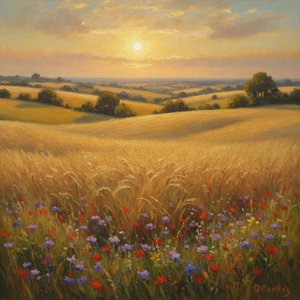
Golden Fields & Sun-Drenched Meadows: Capturing the Soul of Impressionist Landscapes
Immerse yourself in the luminous world of Impressionist landscapes. Discover how masters like Monet and Gauguin captured ephemeral light through plein air painting, and learn to bring the soul of sun-drenched meadows into your home with exquisite, hand-painted oil reproductions.

The Beauty of Impermanence: Capturing Decay through Impressionist Eyes
Explore the profound beauty of impermanence through Impressionist and Post-Impressionist eyes. Discover how masters like Monet and Van Gogh captured fleeting light and the poetic essence of nature's transitions in our deep dive into art history and emotional landscapes.

Capturing Light: The Ethereal Beauty and Timeless Legacy of Watercolor Landscapes
Embark on a visual journey through the ethereal beauty of watercolor landscapes. Discover how Impressionist masters captured light and emotion, and learn to bring this timeless, luminous elegance into your home with expert art curation and hand-painted reproductions.

Capturing the Soul: The Most Emotionally Moving Impressionist and Post-Impressionist Masterpieces
Discover the profound emotional depth of Impressionist and Post-Impressionist masterpieces. Explore how legends like Monet, Van Gogh, and Gauguin captured light and soul through evocative landscapes and vibrant brushwork for a timeless connection to art history.

Beyond the Light: Capturing Raw Emotion and Subjective Vision in Post-Impressionist Landscapes
Explore the profound emotional depth of Post-Impressionist landscapes. Discover how masters like Van Gogh moved beyond light to capture raw human feeling through vibrant color and expressive texture in this expert art history retrospective.