


 Vista previa
 Compartir
 Compartir
 Ver detalles
 Guía
Guía

 Descargar
 Ver artículos similares
 Radiografía
 Presentación de diapositivas
 Estadísticas
Crucifixión
 Acrílico sobre lienzo
- Arte de pared
- Surrealism
 1930
1930- Modernismo
 50.0 x 65.0 cm
Descubre la obra maestra de Pablo Picasso: Crucifixión, una representación surrealista del sacrificio cristiano con símbolos poderosos y estilo innovador.
 Leer más
¡Explora el arte revolucionario de Pablo Picasso! Descubre el Cubismo, los Periodos Azul y Rosa, Guernica y su impacto perdurable en el arte moderno del siglo XX. #Picasso #Cubismo
Giclée / Impresión de arte
Impresiones giclée o en lienzo de calidad de museo con producción rápida y opciones de acabado flexibles. ( Encargar reproducción pintada a mano Ver versión en imagen digital)




P118B $10

P118H $10

P118W $10

P438Z $10

P508JH $12

P508YH $12

P805H $10

P805Z $10

P919BZ $10

P919G $10

P919XJ $10

P959ZH $10

P968JZ $12

W106C $8

W218G $10

W218JH $8

W218Y $10

W307PJ $10

W316G $10

W316PJ $8

W316Y $10

W398PJ $8

W4111J $10

W500HY $15

W500JH $15

W692G $12

W849H $8

W940BG $15

W953PJ $8




Estándar
personalizado
CM
INCH
Elija entre nuestros tamaños predefinidos que respetan las proporciones originales de la obra.
Loading sizes...

ancho
altura
Puede introducir sus propias dimensiones para adaptarse a un marco o espacio específico. Si el tamaño seleccionado no coincide con las proporciones de la imagen original, recortaremos la obra de arte o extenderemos la imagen con un borde con efecto espejo o de color sólido. Se enviará una maqueta digital para su aprobación antes de que comience la producción.
Tenga en cuenta que la vista previa en pantalla no refleja el recorte o la extensión real. Solo la maqueta mostrará con precisión la composición final.
Aunque existen tamaños personalizados, recomendamos seleccionar una dimensión de la lista predefinida para preservar las proporciones originales.
Envío a todo el mundo () en 2 semanas en lugar de las 4/5 semanas estándar. (25 septiembre)

Envío exprés gratuito a todo el mundo

Lienzo de lino de alta calidad

Seguro de envío completo

Garantía de reembolso de impuestos aduaneros

Garantía de fidelidad cromática exacta

Política de devolución de 100 días (solo por defectos)

Garantía de devolución del 100% del dinero

Oferta por volumen
 La opción de vidrio solo está disponible en tamaños inferiores a 110 cm.

Crucifixión
Giclée / Impresión de arte
Tamaño de la reproducción
-


Precio total
$ 69
Pablo Picasso: A Revolutionary Artist
Pablo Ruiz y Picasso, born October 25, 1881, in Málaga, Spain, demonstrated artistic talent from infancy. His father, José Ruiz y Blasco, was an art teacher who instilled early training, and Picasso’s first words were “piz,” attempting to say ‘pencil.’ He quickly surpassed his father's abilities, showcasing remarkable skill in naturalistic depictions. The family moved to A Coruña and later Barcelona after the tragic loss of Picasso’s sister. In Barcelona, he attended the School of Fine Arts but often clashed with traditional academic instruction. He briefly studied at the Royal Academy of San Fernando in Madrid, finding it stifling and preferring to study masters like Velázquez and Goya independently.The Blue Period (1901-1906)
Picasso’s early artistic output is characterized by a profound emotional intensity reflected in his distinctive use of color—primarily shades of blue—and simplified forms. This stylistic choice mirrored the artist's preoccupation with themes of poverty, despair, and loneliness during this period. Notable works from the Blue Period include “The Old Guitarist” (1903), which powerfully conveys a sense of melancholy and vulnerability through its muted palette and expressive brushstrokes. The painting’s composition emphasizes the guitarist’s isolation against a bleak backdrop, capturing the essence of human suffering with remarkable sensitivity.The Rose Period (1906-1908)
Following the Blue Period's somber introspection, Picasso transitioned to a warmer tonal range—dominated by pinks and oranges—marking the beginning of his Rose Period. This stylistic shift coincided with a period of personal happiness and artistic experimentation, influencing his subject matter and technique. Paintings from this era depict figures engaged in intimate relationships and scenes of everyday life, imbued with a newfound optimism and grace. “Family of Saltimbanques” (1906) exemplifies the Rose Period's aesthetic qualities—characterized by delicate modeling, vibrant hues, and harmonious compositions—presenting a captivating portrayal of circus performers amidst a tranquil setting.Cubism: A Paradigm Shift
Picasso’s groundbreaking contribution to art history arrived with Cubism, pioneered alongside Georges Braque in 1907-1908. Rejecting traditional perspective and representation, Cubism fragmented objects into geometric planes—cubes, cones, cylinders—simultaneously presenting multiple viewpoints. This revolutionary approach challenged artistic conventions and paved the way for abstract art forms. Picasso’s “Les Demoiselles d'Avignon” (1907), considered a seminal work of Cubism, depicts five female figures in an unsettling manner—inspired by African masks—demonstrating Picasso’s daring exploration of form and color. The painting’s fractured planes disrupt spatial illusion, forcing viewers to reconsider their perception of reality.Guernica: A Testament to Humanity
Completed in 1937, “Guernica” stands as Picasso's most poignant indictment of violence and suffering—a response to the bombing of Guernica during the Spanish Civil War. Executed in monochrome—black, white, and gray—the painting conveys a visceral depiction of trauma and anguish through symbolic imagery—representing grief, terror, and resilience. Picasso’s masterful use of scale and composition amplifies the artwork's emotional impact—creating a monumental tableau that transcends time and place—serving as an enduring emblem of human compassion and moral responsibility.Legacy and Influence
Pablo Picasso’s artistic legacy extends far beyond his iconic paintings—influencing generations of artists worldwide—and solidifying his position as one of the most influential figures in 20th-century art. His innovative techniques—including collage, etching, and sculpture—expanded the boundaries of artistic expression—inspiring countless creatives to embrace experimentation and challenge established norms. Picasso’s unwavering commitment to artistic integrity—coupled with his profound empathy for human experience—continues to resonate with audiences today—affirming his enduring significance as a visionary artist who reshaped the landscape of modern art. For those interested in exploring more artworks by Pablo Picasso or other artists, visit TopImpressionists for an extensive collection of handmade oil painting reproductions.Biografía del artista
Pablo Picasso: Un Artista Revolucionario
Vida Temprana y Formación (1881-1904)
- Nacido el 25 de octubre de 1881 en Málaga, España, Pablo Ruiz y Picasso demostró un talento artístico desde muy temprana edad.
- Su padre, José Ruiz y Blasco, era profesor de arte quien proporcionó a su hijo una formación inicial. Se dice que las primeras palabras de Picasso fueron “piz, piz” – intentando decir ‘lápiz’.
- Picasso rápidamente superó las habilidades de su padre, mostrando una habilidad notable en representaciones naturalistas.
- La familia se mudó a A Coruña y luego a Barcelona tras la trágica pérdida de la hermana de Picasso.
- En Barcelona, asistió a la Escuela de Bellas Artes pero a menudo chocaba con las instrucciones académicas tradicionales. Estudió brevemente en la Real Academia de San Fernando en Madrid, encontrándola sofocante y prefiriendo estudiar a los maestros como Velázquez y Goya por su cuenta.
Los Períodos Azul y Rosa (1901-1906)
- El Período Azul (aproximadamente 1901-1904) se caracteriza por pinturas sombrías dominadas por tonos de azul y verde azulado.
- Estas obras a menudo representan figuras marginadas – mendigos, ciegos, prostitutas – reflejando melancolía y comentario social. Ejemplos clave incluyen La Vie (1903) y El Guitarrista Viejo (1903-1904).
- Después de esto, surgió el Período Rosa (1904-1906) con tonos más cálidos – rosas, naranjas y rojos.
- Este período refleja una perspectiva más optimista, a menudo representando artistas de circo, harlequines y acróbatas. Familia de Saltimbanques (1905) ejemplifica este cambio.
Los Años Revolucionarios: Cubismo y Más Allá (1907-1919)
- 1907 marcó un momento decisivo con Les Demoiselles d'Avignon, influenciado por la escultura iberica y las máscaras africanas. Esta pintura rompió con la perspectiva tradicional, allanando el camino para el Cubismo.
- Trabajando en estrecha colaboración con Georges Braque, Picasso cofundó el Cubismo, alterando fundamentalmente la forma en que los artistas representaban la realidad.
- Cubismo Analítico (1909-1912) presentaba formas fragmentadas, colores apagados y una disección de objetos en formas geométricas.
- Cubismo Sintético (1912-1919) incorporó elementos de collage – recortes de periódicos, retazos de tela – para crear superficies texturizadas y nuevas capas visuales.
Neoclasicismo y Surrealismo (Década de 1920 - Década de 1930)
- La década de 1920 vio a Picasso explorar estilos neoclásicos con figuras monumentales que enfatizaban las formas clásicas.
- También se involucró con el movimiento surrealista, aunque nunca se alineó completamente con sus principios. Su obra combinaba estilos anteriores con imágenes surrealistas y perspectivas distorsionadas.
Años Posteriores y Legado (1940-1973)
- Durante la Segunda Guerra Mundial, Picasso permaneció en Francia, produciendo declaraciones anti-guerra poderosas como Guernica (1937), una respuesta visceral al bombardeo de Guernica durante la Guerra Civil Española.
- Guernica se convirtió en un símbolo perdurable del horror de la guerra y sigue siendo una de sus obras más celebradas.
- A lo largo de las décadas de 1950 y 60, Picasso continuó experimentando con diversos medios – cerámica, escultura, grabado – demostrando una versatilidad notable.
- Se casó con Jacqueline Roque en 1961. Murió el 8 de abril de 1973 en Mougins, Francia.
Influencias y Significado Histórico
- El desarrollo artístico de Picasso estuvo moldeado por los maestros españoles como Velázquez y Goya, la escultura iberica, el arte africano y Henri Matisse.
- Su impacto en el arte del siglo XX es inmenso. Co-fundó el Cubismo, pionero en el collage y la escultura construida, y desafió constantemente las convenciones artísticas.
- La experimentación incansable de Picasso rediseñó el arte moderno y continúa inspirando a los artistas hoy en día.
- Su prolífica producción – estimada en más de 50.000 obras – consolida su posición como uno de los artistas más importantes e influyentes de la historia.

Pablo Picasso
1881 - 1973 , España
Datos clave
- Artistas Que Influyeron:
- Velázquez
- Goya
- Henri Matisse
- Fecha De Muerte: 8 de abril de 1973
- Fecha De Nacimiento: 25 de octubre de 1881
- Influencia En Artistas: ['Numerosos artistas modernos']
- Lugar De Nacimiento: Málaga, España
- Movimiento Artístico: Cubismo, Surrealismo
- Nacionalidad: Española
- Nombre Completo: Pablo Ruiz y Picasso
- Obras Notables:
- Guernica
- La Vie
- El Guitarrista Viejo
- Familia de Saltimbanques
- Les Demoiselles d'Avignon
Artículos relacionados

Los 10 Retratos Cubistas Esenciales que Revolucionaron el Arte Moderno | TopImpressionists
Descubre los 10 retratos cubistas esenciales de Picasso, Braque y otros maestros. Explora la historia, técnica y significado de este revolucionario movimiento artístico. Encuentra reproducciones de arte exclusivas en TopImpressionists.com.

Pablo Picasso: A Revolutionary Vision – Cubism, Symbolism & Enduring Legacy
Explore the revolutionary art of Pablo Picasso with TopImpressionists.com. Discover Cubism's origins, symbolism in his masterpieces & investment insights for collectors. Expert appraisal & custom reproductions available.

Mastering Cubism: An Essential Guide to the Revolutionary Artworks of Pablo Picasso
Explore the profound evolution of Cubism through an expert analysis of Pablo Picasso's revolutionary works. From Analytical to Synthetic Cubism, discover the techniques that redefined modern art and learn how to curate these iconic masterpieces for your private collection.

Los 10 Maestros del Cubismo Expresionista: Obras que Transformaron el Arte | TopImpressionists
Descubre los 10 lienzos cubistas más influyentes de Picasso, Braque y otros maestros. Explora la historia, técnica y significado del movimiento artístico que revolucionó el arte moderno. Reproducciones de alta calidad en TopImpressionists.com.
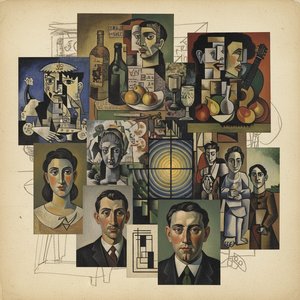
Los 10 Maestros del Cubismo: Obras que Revolucionaron el Arte | TopImpressionists
Descubre los 10 lienzos cubistas que revolucionaron el arte moderno. Explora las obras maestras de Picasso, Braque y Gris en TopImpressionists.com. Reproducciones de alta calidad para tu hogar.
Explore obras de arte organizadas por temas, estilos y características.


