


 Vista previa
 Compartir
 Compartir
 Ver detalles
 Guía
Guía

 Descargar
 Ver artículos similares
 Radiografía
 Presentación de diapositivas
 Estadísticas
Bouquet de flores


Una obra maestra impresionista de Cézanne que captura la belleza natural con colores vibrantes y pinceladas expresivas. Descubre esta fascinante composición en el Museo Orsay.
 Leer más
Explora el arte revolucionario de Paul Cézanne (1839-1906), un maestro del Postimpresionismo que conectó el Impresionismo y el Cubismo. Descubre sus formas geométricas, pinceladas únicas, pinturas de bodegones e impacto duradero en el arte moderno. #Cézanne #PostImpres
Giclée / Impresión de arte
Impresiones giclée o en lienzo de calidad de museo con producción rápida y opciones de acabado flexibles. ( Encargar reproducción pintada a mano Ver versión en imagen digital)




P118B €10

P118H €10

P118W €10

P438Z €10

P508JH €12

P508YH €12

P805H €10

P805Z €10

P919BZ €10

P919G €10

P919XJ €10

P959ZH €10

P968JZ €12

W106C €8

W218G €10

W218JH €8

W218Y €10

W307PJ €10

W316G €10

W316PJ €8

W316Y €10

W398PJ €8

W4111J €10

W500HY €15

W500JH €15

W692G €12

W849H €8

W940BG €15

W953PJ €8




Estándar
personalizado
CM
INCH
Elija entre nuestros tamaños predefinidos que respetan las proporciones originales de la obra.
Loading sizes...

ancho
altura
Introduzca el ancho y el alto que necesite para adaptarse a su marco o pared. Una impresión solo puede recortarse, nunca hacerse más grande que la imagen original, por lo que un tamaño con una forma distinta perderá parte de la obra. Le enviaremos una maqueta digital para su aprobación antes de realizar cualquier impresión. La imagen que se muestra en esta página no refleja el recorte real; solo la maqueta lo hace.
Envío a todo el mundo () en 2 semanas en lugar de las 4/5 semanas estándar. (24 octubre)

Envío exprés gratuito a todo el mundo

Lienzo de lino de alta calidad

Seguro de envío completo

Garantía de reembolso de impuestos aduaneros

Garantía de fidelidad cromática exacta

Política de devolución de 100 días (solo por defectos)

Garantía de devolución del 100% del dinero

Oferta por volumen
 La opción de vidrio solo está disponible en tamaños inferiores a 110 cm.

Bouquet de flores
Giclée / Impresión de arte
Tamaño de la reproducción
-


Precio total
€ 61
Introduction to Paul Cézanne and His Artistic Style
Paul Cézanne (1839-1906) was a French artist known for his contributions to the development of post-impressionism. He is often referred to as the "Father of Modern Art" due to his innovative approach to painting, which combined elements of impressionism and realism. Cézanne's work focused on still lifes, landscapes, and portraits, characterized by their bold colors, thick brushstrokes, and a sense of depth and volume. His aim wasn’t merely to depict what he saw but to express how he *felt* about it—a revolutionary concept for his time. He meticulously studied the works of artists like Paul Gauguin and Georges Seurat, absorbing their explorations of color and form, yet forging his own distinctive path. Cézanne's artistic vision challenged conventional notions of representation, paving the way for movements like Cubism decades later.Bouquet of Flowers: A Vibrant Expression of Nature
Among Cézanne’s most celebrated creations is *Bouquet of Flowers* (Paul Cézanne: Bouquet of Flowers, Post-Impressionism, Oil On Canvas). Painted between 1876 and 1877 during his formative years in Paris, this masterpiece encapsulates Cézanne’s groundbreaking style. The painting depicts a simple vase containing an assortment of flowers—roses, carnations, daisies—arranged on a tabletop. Cézanne wasn't interested in capturing the fleeting effects of light like Impressionists; instead, he sought to convey solidity and permanence. He achieved this through layering brushstrokes that create palpable volume and texture, transforming the floral arrangement into an almost sculptural form. The color palette is rich and harmonious—deep reds mingle with delicate pinks and yellows—reflecting Cézanne’s fascination with capturing the essence of natural beauty.The Technique Behind the Beauty
Cézanne's technique was revolutionary for its time. He employed a method known as “alla prima,” meaning "at first sight," applying paint directly onto the canvas without preliminary sketches or underdrawings. This approach allowed him to capture spontaneous impressions and convey an immediacy that contrasted sharply with academic painting traditions. However, Cézanne’s brushstrokes weren't random; they were carefully considered and meticulously executed. He utilized a technique called “impasto,” applying thick layers of paint onto the surface, creating ridges and textures that enhanced the visual impact of the artwork. This method was particularly evident in areas like the vase itself and around the stems of the flowers—a deliberate choice to emphasize form and materiality. Cézanne’s meticulous attention to detail and his unwavering commitment to capturing the essence of nature cemented his legacy as one of the most influential artists of the late 19th century.A Lasting Legacy: Influence on Modern Art
*Bouquet of Flowers* profoundly impacted subsequent generations of artists. Its bold simplification of form, combined with expressive brushstrokes and vibrant color, served as a catalyst for movements like Cubism—particularly Picasso’s early explorations—which dismantled traditional perspective and challenged conventional artistic conventions. Cézanne's influence extended beyond painting; he inspired sculptors and architects alike to reconsider the role of materiality and abstraction in their work. Today, *Bouquet of Flowers* resides permanently at the Musée d’Orsay in Paris, where it continues to captivate visitors with its timeless beauty and enduring artistic significance. It remains a testament to Cézanne's unwavering belief that art should strive for truth—a principle that continues to resonate powerfully within the realm of contemporary art.Order Your Own Hand-Painted Reproduction of Bouquet Flowers
At TopImpressionists, we specialize in crafting exquisite hand-painted reproductions of iconic artworks like *Bouquet of Flowers* by Paul Cézanne. Our skilled artisans utilize traditional techniques and premium materials—linen canvas and oil paints—to recreate the original masterpiece with unparalleled accuracy. Whether you desire to adorn your home or elevate your interior design aesthetic, our reproductions offer an exceptional opportunity to own a stunning piece of art history. To explore our collection and initiate your order, visit TopImpressionists: /art/list/?Filter=9AVCEV-TopImpressionists-in-your-pocket. Discover the beauty of Cézanne’s vision—preserved for generations to come.Preguntas y respuestas
¿En qué etapa de la carrera de Paul Cézanne se sitúa "Bouquet de flores", dada su fecha?
La fecha de 1880 sitúa a "Bouquet de flores" en el Mature Period del desarrollo de Paul Cézanne.
¿De qué trata "Bouquet de flores"?
Los temas presentes en "Bouquet de flores" de Paul Cézanne incluyen flowers, bouquet, landscape, color palette, brushstrokes, depth, still life, geometric forms. En conjunto, resumen la temática de la obra.
¿Cuál es la luminancia de "Bouquet de flores" de Paul Cézanne?
"Bouquet de flores" de Paul Cézanne tiene una luminancia de Sombra tenue. La luminancia describe cuánta luz parecen reflejar los colores.


Biografía del artista
vida temprana e influencias
paul cézanne, un pintor postimpresionista francés, nació el 19 de enero de 1839 en Aix-en-Provence, Francia. Su vida temprana estuvo marcada por una fuerte conexión con la empresa bancaria de su familia, lo que le proporcionó seguridad financiera. Esto le permitió concentrarse en sus aspiraciones artísticas sin la carga del estrés financiero. les nabis, neoimpresionismo y simbolismo influyeron en el trabajo temprano de Cézanne, que se caracterizó por su énfasis en las formas geométricas y una paleta de colores limitada. Su interés en las obras de paul gauguin y georges seurat fortaleció aún más su estilo postimpresionista.estilo artístico y técnicas
El uso innovador de Cézanne de los planos de color y pequeños trazos repetitivos creó campos complejos que transmitían su intenso estudio de los temas. Su enfoque a menudo exploratorio del arte condujo al desarrollo de un nuevo lenguaje pictórico, que enfatizaba la estructura subyacente de los objetos en una composición.- características clave:
- formas geométricas y facetado
- paleta de colores reducida
- énfasis en la esencia constructiva del mundo físico
- múltiples perspectivas y simultaneidad
- obras influyentes:
- el estanque de jas de bouffan (1880)
- retrato de emile zola (1866)
- bosque (1892)
- museos que exhiben el trabajo de Cézanne:
- museo marmottan monet en París, Francia
- el museo de bellas artes en Houston, Estados Unidos
legado e impacto
El trabajo pionero de Cézanne en el postimpresionismo allanó el camino para diversos movimientos vanguardistas, incluyendo cubismo, fauvismo y surrealismo. Su influencia se puede ver en las obras de pablo picasso, henri matisse y georges braque. El legado de Cézanne continúa inspirando a artistas y entusiastas del arte por igual, consolidando su lugar como una figura fundamental en la historia del arte moderno.- movimientos artísticos relacionados:
- vea las obras de Cézanne:

Paul Cézanne
1839 - 1906 , Francia
Datos clave
- Artistas Que Influyeron:
- Paul Gauguin
- Georges Seurat
- Estilo Artístico: Postimpresionismo
- Fecha De Muerte: Octubre 22, 1906
- Fecha De Nacimiento: 19 de enero de 1839
- Influenciado A Artistas:
- Pablo Picasso
- Henri Matisse
- Georges Braque
- Lugar De Nacimiento: Aix-en-Provence, Francia
- Nacionalidad: Francés
- Nombre Completo: Paul Cézanne
- Obras Notables:
- El estanque de Jas de Bouffan
- Retrato de Émile Zola
- Bosque
- Grandes Bañistas
Artículos relacionados
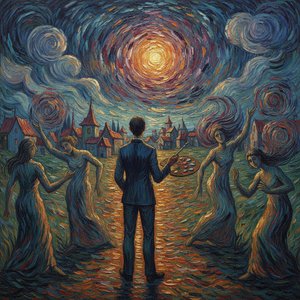
Beyond the Light: Capturing Emotion Through the Expressive Soul of Post-Impressionism
Explore the profound emotional depth of Post-Impressionism. Discover how masters like Van Gogh and Cézanne moved beyond light to capture raw feeling through color and texture. A journey into art history for the true connoisseur.
Explore obras de arte organizadas por temas, estilos y características.


