


 Vista previa
 Compartir
 Compartir
 Ver detalles
 Guía
Guía

 Descargar
 Ver artículos similares
 Radiografía
 Presentación de diapositivas
 Estadísticas
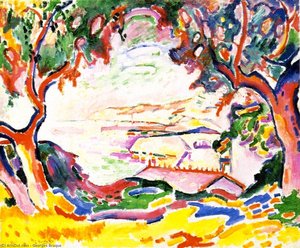
Carretera en Chantilly


Descubre 'Carretera en Chantilly', una obra maestra impresionista de Paul Cézanne que captura la belleza del paisaje provenzal con líneas geométricas y colores vibrantes. Un viaje al corazón del arte moderno.
 Leer más
Explora el arte revolucionario de Paul Cézanne (1839-1906), un maestro del Postimpresionismo que conectó el Impresionismo y el Cubismo. Descubre sus formas geométricas, pinceladas únicas, pinturas de bodegones e impacto duradero en el arte moderno. #Cézanne #PostImpres
Giclée / Impresión de arte
Impresiones giclée o en lienzo de calidad de museo con producción rápida y opciones de acabado flexibles. ( Encargar reproducción pintada a mano Ver versión en imagen digital)




P118B €10

P118H €10

P118W €10

P438Z €10

P508JH €12

P508YH €12

P805H €10

P805Z €10

P919BZ €10

P919G €10

P919XJ €10

P959ZH €10

P968JZ €12

W106C €8

W218G €10

W218JH €8

W218Y €10

W307PJ €10

W316G €10

W316PJ €8

W316Y €10

W398PJ €8

W4111J €10

W500HY €15

W500JH €15

W692G €12

W849H €8

W940BG €15

W953PJ €8




Estándar
personalizado
CM
INCH
Elija entre nuestros tamaños predefinidos que respetan las proporciones originales de la obra.
Loading sizes...

ancho
altura
Puede introducir sus propias dimensiones para adaptarse a un marco o espacio específico. Si el tamaño seleccionado no coincide con las proporciones de la imagen original, recortaremos la obra de arte o extenderemos la imagen con un borde con efecto espejo o de color sólido. Se enviará una maqueta digital para su aprobación antes de que comience la producción.
Tenga en cuenta que la vista previa en pantalla no refleja el recorte o la extensión real. Solo la maqueta mostrará con precisión la composición final.
Aunque existen tamaños personalizados, recomendamos seleccionar una dimensión de la lista predefinida para preservar las proporciones originales.
Envío a todo el mundo () en 2 semanas en lugar de las 4/5 semanas estándar. (7 octubre)

Envío exprés gratuito a todo el mundo

Lienzo de lino de alta calidad

Seguro de envío completo

Garantía de reembolso de impuestos aduaneros

Garantía de fidelidad cromática exacta

Política de devolución de 100 días (solo por defectos)

Garantía de devolución del 100% del dinero

Oferta por volumen
 La opción de vidrio solo está disponible en tamaños inferiores a 110 cm.

Carretera en Chantilly
Giclée / Impresión de arte
Tamaño de la reproducción
-


Precio total
€ 59
Introduction to Paul Cézanne and ‘Road at Chantilly’
Paul Cézanne (1839–1906) stands as an undeniable titan of the Post-Impressionist movement, reshaping artistic perception and establishing a foundational influence on subsequent avant-garde explorations. Often described as “the father of us all” by Pablo Picasso himself, Cézanne’s legacy transcends mere stylistic innovation; it resides in his radical reimagining of how artists grapple with reality—a shift away from fleeting impressions toward a deliberate structuring of form and color that would irrevocably alter the trajectory of 20th-century art. His journey wasn't one of immediate acclaim, marked by periods of self-doubt and critical dismissal before achieving posthumous recognition as one of France’s greatest painters. Born into a prosperous Aix-en-Provence family—his father initially a hatmaker who later became a banker—Cézanne enjoyed financial security uncommon for aspiring artists, affording him the freedom to dedicate himself wholly to his passion without the pressures of commercial necessity. Though initially steered toward law by his father’s ambitions, Cézanne’s innate artistic inclination prevailed, culminating in abandoning legal studies to pursue painting with unwavering conviction. This decision—fueled by an inner compulsion—would propel him towards a singular vision of art that would forever distinguish him from his contemporaries.- Early Influences: Cézanne's formative years were steeped in Impressionism, absorbing the techniques and aesthetics championed by artists like Claude Monet and Camille Pissarro. However, he swiftly recognized the limitations of Impressionistic representation—its preoccupation with capturing ephemeral light—and sought a more enduring method of conveying visual experience.
- The Aix Years: Cézanne’s formative artistic education took place in Aix-en-Provence, where he befriended fellow students Émile Zola and Henri Gasquet—a trio destined to become inseparable companions who shared intellectual fervor and a passion for literature and art. These friendships profoundly shaped Cézanne's worldview and nurtured his burgeoning talent.
- Formal Exploration: Cézanne’s artistic breakthrough arrived through meticulous observation of the natural world, particularly landscapes—a fascination that would define much of his oeuvre. He embarked on a systematic investigation of geometric forms—cylinders, cones, cubes—believing they constituted the underlying structure of all objects and therefore essential to achieving authentic representation.
‘Road at Chantilly’: A Synthesis of Impressionism and Geometric Form
‘Road at Chantilly,’ painted around 1865-66, exemplifies Cézanne’s pioneering approach to landscape painting—a departure from Impressionistic idealism toward a more assertive engagement with visual reality. The scene depicts a winding road traversing the verdant hills surrounding Chantilly Castle, Virginia, capturing not merely what is seen but how it *feels* to perceive it. Unlike Impressionists who prioritized fleeting light effects, Cézanne focused on establishing spatial depth and structural solidity through carefully positioned planes of color and intersecting lines—a technique that foreshadowed Cubism’s fragmentation of perspective.- Compositional Structure: Cézanne employs a flattened picture plane, minimizing traditional depth cues and creating an illusionistic space that prioritizes form over illusion. The road itself acts as a central axis, guiding the viewer's gaze toward distant horizon lines—a deliberate simplification of perspective designed to emphasize geometric relationships.
- Color Palette: Cézanne’s color palette is characterized by muted tones—ochres, yellows, greens, blues—that convey a sense of tranquility and understated beauty. He eschews vibrant hues in favor of subtle gradations of color that suggest the interplay of light and shadow on foliage and stone surfaces.
- Brushwork: Cézanne’s distinctive brushstrokes—thick, impastoed strokes—are applied with deliberate precision to build up textural surfaces that capture the materiality of the landscape. These textured marks contribute to the painting's expressive quality and reinforce its structural integrity.
Symbolism and Emotional Resonance
‘Road at Chantilly’ transcends mere visual representation, inviting contemplation on themes of solitude, observation, and the relationship between humanity and nature—a core preoccupation of Cézanne’s artistic vision. The solitary bench positioned on the left side of the canvas symbolizes stillness and introspection, encouraging viewers to pause and consider their own place within the grandeur of the natural world. Cézanne's masterful use of color and light evokes a mood of serene contemplation—a testament to his ability to transform visual experience into profound emotional resonance. The painting’s enduring appeal lies in its understated beauty and its capacity to inspire awe at the majesty of the landscape.- The Role of Observation: Cézanne's artistic method was rooted in meticulous observation—a commitment to capturing not just what is seen but how it is perceived—reflecting a humanist sensibility that championed intellectual curiosity and aesthetic discernment.
- Geometric Harmony: The painting’s underlying geometric harmony—the interlocking cylinders, cones, and cubes—represents Cézanne's belief in the fundamental order of nature and his desire to express this order through formal abstraction.
- Emotional Depth: Despite its apparent simplicity, ‘Road at Chantilly’ possesses considerable emotional depth—a subtle suggestion of melancholy and contemplation that speaks to Cézanne’s profound engagement with human experience.
If you wish to acquire a meticulously crafted hand-painted reproduction of ‘Road at Chantilly’, visit our website to explore our curated selection of high-quality reproductions, brought to life by skilled artisans dedicated to preserving Cézanne’s artistic vision.
Preguntas y respuestas
¿A qué se debe la situación de los derechos de autor de "Carretera en Chantilly" de Paul Cézanne?
El estado de los derechos de autor de "Carretera en Chantilly" - en el dominio público: sus derechos de autor han expirado - se deriva del fallecimiento del artista en 1906.
¿De qué está hecho "Carretera en Chantilly"?
"Carretera en Chantilly" está ejecutada en Acrílico sobre lienzo.
¿Está "Carretera en Chantilly" disponible como una impresión de bellas artes?
"Carretera en Chantilly" está disponible como una impresión de bellas artes sobre lienzo de algodón o papel de lienzo de archivo. Los pedidos se realizan en esta página, en el tamaño de su elección.
¿Qué uso y espacio se recomiendan para "Carretera en Chantilly" de Paul Cézanne?
Se sugiere "Carretera en Chantilly" para Acento cromático, y el espacio recomendado es un Salón principal.
¿Es "Carretera en Chantilly" de Paul Cézanne una pintura, un dibujo o un grabado?
"Carretera en Chantilly" de Paul Cézanne está clasificada como Arte de pared. La categoría describe el tipo de obra de arte que es el original.
¿Puedo pedir una reproducción al óleo de "Carretera en Chantilly"?
"Carretera en Chantilly" está disponible como una reproducción al óleo pintada a mano sobre lienzo de lino. El pedido puede realizarse en esta página, con una variedad de tamaños a elegir.
¿A qué artista se le atribuye "Carretera en Chantilly"?
"Carretera en Chantilly" se atribuye a Paul Cézanne.




Biografía del artista
vida temprana e influencias
paul cézanne, un pintor postimpresionista francés, nació el 19 de enero de 1839 en Aix-en-Provence, Francia. Su vida temprana estuvo marcada por una fuerte conexión con la empresa bancaria de su familia, lo que le proporcionó seguridad financiera. Esto le permitió concentrarse en sus aspiraciones artísticas sin la carga del estrés financiero. les nabis, neoimpresionismo y simbolismo influyeron en el trabajo temprano de Cézanne, que se caracterizó por su énfasis en las formas geométricas y una paleta de colores limitada. Su interés en las obras de paul gauguin y georges seurat fortaleció aún más su estilo postimpresionista.estilo artístico y técnicas
El uso innovador de Cézanne de los planos de color y pequeños trazos repetitivos creó campos complejos que transmitían su intenso estudio de los temas. Su enfoque a menudo exploratorio del arte condujo al desarrollo de un nuevo lenguaje pictórico, que enfatizaba la estructura subyacente de los objetos en una composición.- características clave:
- formas geométricas y facetado
- paleta de colores reducida
- énfasis en la esencia constructiva del mundo físico
- múltiples perspectivas y simultaneidad
- obras influyentes:
- el estanque de jas de bouffan (1880)
- retrato de emile zola (1866)
- bosque (1892)
- museos que exhiben el trabajo de Cézanne:
- museo marmottan monet en París, Francia
- el museo de bellas artes en Houston, Estados Unidos
legado e impacto
El trabajo pionero de Cézanne en el postimpresionismo allanó el camino para diversos movimientos vanguardistas, incluyendo cubismo, fauvismo y surrealismo. Su influencia se puede ver en las obras de pablo picasso, henri matisse y georges braque. El legado de Cézanne continúa inspirando a artistas y entusiastas del arte por igual, consolidando su lugar como una figura fundamental en la historia del arte moderno.- movimientos artísticos relacionados:
- vea las obras de Cézanne:

Paul Cézanne
1839 - 1906 , Francia
Datos clave
- Artistas Que Influyeron:
- Paul Gauguin
- Georges Seurat
- Estilo Artístico: Postimpresionismo
- Fecha De Muerte: Octubre 22, 1906
- Fecha De Nacimiento: 19 de enero de 1839
- Influenciado A Artistas:
- Pablo Picasso
- Henri Matisse
- Georges Braque
- Lugar De Nacimiento: Aix-en-Provence, Francia
- Nacionalidad: Francés
- Nombre Completo: Paul Cézanne
- Obras Notables:
- El estanque de Jas de Bouffan
- Retrato de Émile Zola
- Bosque
- Grandes Bañistas
Artículos relacionados

Beyond the Light: Discovering the Soul and Emotional Depth of Post-Impressionism
Embark on a cultural journey through Post-Impressionism. Discover the profound emotional depth of masters like Van Gogh and Cézanne, exploring how they moved beyond light to capture the very soul of human experience through vibrant color and symbolic form.
Explore obras de arte organizadas por temas, estilos y características.


