


 Vista previa
 Compartir
 Compartir
 Ver detalles
 Guía
Guía

 Descargar
 Ver artículos similares
 Radiografía
 Presentación de diapositivas
 Estadísticas
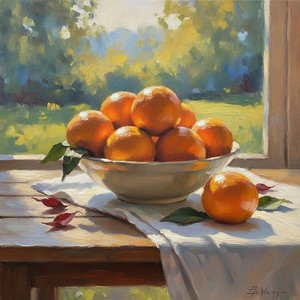
Fruits


Paul Cézanne’s watercolor depiction of fruits captures Impressionistic vibrancy amidst Cubist influences—a bowl brimming with apples, oranges, and grapes exudes a luminous quality, inviting viewers to appreciate the artist's revolutionary approach to form and color.
 Leer más
Explora el arte revolucionario de Paul Cézanne (1839-1906), un maestro del Postimpresionismo que conectó el Impresionismo y el Cubismo. Descubre sus formas geométricas, pinceladas únicas, pinturas de bodegones e impacto duradero en el arte moderno. #Cézanne #PostImpres
Giclée / Impresión de arte
Impresiones giclée o en lienzo de calidad de museo con producción rápida y opciones de acabado flexibles. ( Encargar reproducción pintada a mano Ver versión en imagen digital)




P118B €10

P118H €10

P118W €10

P438Z €10

P508JH €12

P508YH €12

P805H €10

P805Z €10

P919BZ €10

P919G €10

P919XJ €10

P959ZH €10

P968JZ €12

W106C €8

W218G €10

W218JH €8

W218Y €10

W307PJ €10

W316G €10

W316PJ €8

W316Y €10

W398PJ €8

W4111J €10

W500HY €15

W500JH €15

W692G €12

W849H €8

W940BG €15

W953PJ €8




Estándar
personalizado
CM
INCH
Elija entre nuestros tamaños predefinidos que respetan las proporciones originales de la obra.
Loading sizes...

ancho
altura
Introduzca el ancho y el alto que necesite para adaptarse a su marco o pared. Una impresión solo puede recortarse, nunca hacerse más grande que la imagen original, por lo que un tamaño con una forma distinta perderá parte de la obra. Le enviaremos una maqueta digital para su aprobación antes de realizar cualquier impresión. La imagen que se muestra en esta página no refleja el recorte real; solo la maqueta lo hace.
Envío a todo el mundo () en 2 semanas en lugar de las 4/5 semanas estándar. (23 octubre)

Envío exprés gratuito a todo el mundo

Lienzo de lino de alta calidad

Seguro de envío completo

Garantía de reembolso de impuestos aduaneros

Garantía de fidelidad cromática exacta

Política de devolución de 100 días (solo por defectos)

Garantía de devolución del 100% del dinero

Oferta por volumen
 La opción de vidrio solo está disponible en tamaños inferiores a 110 cm.

Fruits
Giclée / Impresión de arte
Tamaño de la reproducción
-


Precio total
€ 61
A Still Life Reverie: Cézanne’s Exploration of Form and Color
- Paul Cézanne's "Fruits," painted in 1885, transcends mere depiction; it embodies a pivotal moment in artistic history—the decisive shift from Impressionistic fleetingness toward the nascent geometries of Cubism. This seemingly simple composition holds profound significance, reflecting Cézanne’s unwavering commitment to distilling nature into its essential elements.
- The painting presents a bowl brimming with apples, oranges, and grapes, meticulously rendered in watercolor. The artist eschewed traditional illusionistic representation, prioritizing instead the underlying structure of objects—a technique that would become synonymous with Cézanne's groundbreaking style.
Technique and Material Considerations
- Cézanne’s masterful use of watercolor is remarkable. He employed a layering process, applying thin washes of color to build up tonal variations and create depth—a deliberate departure from the optical blending favored by Impressionists like Monet and Renoir. The subtle gradations of hue capture not just what the eye sees but also how light interacts with surfaces.
- Furthermore, Cézanne’s careful attention to detail is evident in the placement and arrangement of the fruit within the bowl. Each apple, orange, and grape is rendered as a distinct form—a simplified cube or cylinder—that contributes to the overall compositional balance. This fragmentation anticipates the Cubist revolution spearheaded by Picasso and Braque.
Historical Context: Bridging Impressionism and Cubism
- "Fruits" emerged during Cézanne’s formative years, coinciding with the burgeoning influence of Impressionism on European art. However, Cézanne refused to succumb entirely to Impressionistic aesthetics, recognizing its limitations in conveying the solidity and permanence he sought to express. He actively wrestled with these stylistic tensions, experimenting relentlessly until he arrived at his own distinctive vision.
- The painting’s quiet contemplation speaks to a broader artistic preoccupation—the desire to capture not just visual appearance but also psychological essence. Cézanne wasn't interested in capturing the fleeting beauty of a sunset; instead, he aimed to distill the fundamental character of existence itself.
Symbolism and Emotional Resonance
- While ostensibly depicting commonplace objects—fruit—the painting carries symbolic weight. Apples have long been associated with knowledge, temptation, and immortality in Western art tradition. The oranges represent warmth and vibrancy, mirroring Cézanne’s optimistic outlook on artistic innovation.
- Ultimately, “Fruits” evokes a feeling of serene stillness—a moment frozen in time—that invites viewers to contemplate the beauty inherent in simplicity and the transformative power of observation. It's a testament to Cézanne’s enduring legacy as an artist who redefined our understanding of representation and paved the way for the avant-garde movements that would follow.
Interior Design Inspiration
- A reproduction of “Fruits” can inject understated elegance into any interior space. Its muted palette—primarily shades of ochre, lemon yellow, and pale green—harmonizes beautifully with neutral backgrounds like linen or cream. Consider framing it in a simple wooden frame to accentuate its textural qualities.
Preguntas y respuestas
¿Cómo se construye la composición cromática de "Fruits" de Paul Cézanne?
El análisis cromático de "Fruits" de Paul Cézanne registra un Serene contraste y una Unified Palette armonía.
¿Cómo encaja "Fruits" con los temas y el estilo de Paul Cézanne?
Dentro de la obra de Paul Cézanne, "Fruits" se inscribe en el estilo Post-Impressionist Style, junto a los temas de impressionist roots, nature observation, formal experimentation, symbolic still life, cézanne legacy.
¿Qué paleta y qué sentimiento combinan "Fruits"?
La paleta Neutrals de "Fruits" de Paul Cézanne armoniza con su tono emocional Calm. El color es una de las formas en que una obra transmite sentimiento.
Obras relacionadas


Biografía del artista
vida temprana e influencias
paul cézanne, un pintor postimpresionista francés, nació el 19 de enero de 1839 en Aix-en-Provence, Francia. Su vida temprana estuvo marcada por una fuerte conexión con la empresa bancaria de su familia, lo que le proporcionó seguridad financiera. Esto le permitió concentrarse en sus aspiraciones artísticas sin la carga del estrés financiero. les nabis, neoimpresionismo y simbolismo influyeron en el trabajo temprano de Cézanne, que se caracterizó por su énfasis en las formas geométricas y una paleta de colores limitada. Su interés en las obras de paul gauguin y georges seurat fortaleció aún más su estilo postimpresionista.estilo artístico y técnicas
El uso innovador de Cézanne de los planos de color y pequeños trazos repetitivos creó campos complejos que transmitían su intenso estudio de los temas. Su enfoque a menudo exploratorio del arte condujo al desarrollo de un nuevo lenguaje pictórico, que enfatizaba la estructura subyacente de los objetos en una composición.- características clave:
- formas geométricas y facetado
- paleta de colores reducida
- énfasis en la esencia constructiva del mundo físico
- múltiples perspectivas y simultaneidad
- obras influyentes:
- el estanque de jas de bouffan (1880)
- retrato de emile zola (1866)
- bosque (1892)
- museos que exhiben el trabajo de Cézanne:
- museo marmottan monet en París, Francia
- el museo de bellas artes en Houston, Estados Unidos
legado e impacto
El trabajo pionero de Cézanne en el postimpresionismo allanó el camino para diversos movimientos vanguardistas, incluyendo cubismo, fauvismo y surrealismo. Su influencia se puede ver en las obras de pablo picasso, henri matisse y georges braque. El legado de Cézanne continúa inspirando a artistas y entusiastas del arte por igual, consolidando su lugar como una figura fundamental en la historia del arte moderno.- movimientos artísticos relacionados:
- vea las obras de Cézanne:

Paul Cézanne
1839 - 1906 , Francia
Datos clave
- Artistas Que Influyeron:
- Paul Gauguin
- Georges Seurat
- Estilo Artístico: Postimpresionismo
- Fecha De Muerte: Octubre 22, 1906
- Fecha De Nacimiento: 19 de enero de 1839
- Influenciado A Artistas:
- Pablo Picasso
- Henri Matisse
- Georges Braque
- Lugar De Nacimiento: Aix-en-Provence, Francia
- Nacionalidad: Francés
- Nombre Completo: Paul Cézanne
- Obras Notables:
- El estanque de Jas de Bouffan
- Retrato de Émile Zola
- Bosque
- Grandes Bañistas
Artículos relacionados
Sun-Drenched Citrus: The Vibrant Beauty of Oranges in Impressionist Masterpieces
Embark on a sensory journey through Impressionist masterpieces. Discover how Renoir and Cézanne captured the vibrant light and luscious textures of sun-drenched oranges in exquisite still life paintings designed to inspire and transform your home.
Explore obras de arte organizadas por temas, estilos y características.


