


 Vista previa
 Compartir
 Compartir
 Ver detalles
 Guía
Guía

 Descargar
 Ver artículos similares
 Radiografía
 Presentación de diapositivas
 Estadísticas
Retrato de Vallier


Descubre el retrato de Vallier de Paul Cézanne, una obra maestra impresionista que marcó el puente entre el impresionismo y el postimpresionismo. Reproducciones originales disponibles en TopImpressionists.com.
 Leer más
Explora el arte revolucionario de Paul Cézanne (1839-1906), un maestro del Postimpresionismo que conectó el Impresionismo y el Cubismo. Descubre sus formas geométricas, pinceladas únicas, pinturas de bodegones e impacto duradero en el arte moderno. #Cézanne #PostImpres
Giclée / Impresión de arte
Impresiones giclée o en lienzo de calidad de museo con producción rápida y opciones de acabado flexibles. ( Encargar reproducción pintada a mano Ver versión en imagen digital)




P118B €10

P118H €10

P118W €10

P438Z €10

P508JH €12

P508YH €12

P805H €10

P805Z €10

P919BZ €10

P919G €10

P919XJ €10

P959ZH €10

P968JZ €12

W106C €8

W218G €10

W218JH €8

W218Y €10

W307PJ €10

W316G €10

W316PJ €8

W316Y €10

W398PJ €8

W4111J €10

W500HY €15

W500JH €15

W692G €12

W849H €8

W940BG €15

W953PJ €8




Estándar
personalizado
CM
INCH
Elija entre nuestros tamaños predefinidos que respetan las proporciones originales de la obra.
Loading sizes...

ancho
altura
Introduzca el ancho y el alto que necesite para adaptarse a su marco o pared. Una impresión solo puede recortarse, nunca hacerse más grande que la imagen original, por lo que un tamaño con una forma distinta perderá parte de la obra. Le enviaremos una maqueta digital para su aprobación antes de realizar cualquier impresión. La imagen que se muestra en esta página no refleja el recorte real; solo la maqueta lo hace.
Envío a todo el mundo () en 2 semanas en lugar de las 4/5 semanas estándar. (17 octubre)

Envío exprés gratuito a todo el mundo

Lienzo de lino de alta calidad

Seguro de envío completo

Garantía de reembolso de impuestos aduaneros

Garantía de fidelidad cromática exacta

Política de devolución de 100 días (solo por defectos)

Garantía de devolución del 100% del dinero

Oferta por volumen
 La opción de vidrio solo está disponible en tamaños inferiores a 110 cm.

Retrato de Vallier
Giclée / Impresión de arte
Tamaño de la reproducción
-


Precio total
€ 60
Portrait of Vallier: A Pioneering Vision of Cézanne’s Post-Impressionism
Paul Cézanne, born in Aix-en-Provence in 1839, stands as a monumental figure bridging the gap between the fleeting impressions of Impressionism and the fragmented forms of Cubism. His journey was not one of immediate acclaim; rather, it was a slow burn of artistic exploration, marked by periods of self-doubt and critical dismissal, ultimately culminating in a legacy that would irrevocably alter the art world. Though initially steered towards a legal career by his father’s ambitions, the pull of artistic expression proved too strong, and he eventually abandoned law to pursue painting, a decision that would shape his entire creative output. Cézanne's formative years were spent absorbing the influence of Impressionism, particularly Monet and Renoir, recognizing its ability to capture the ephemeral beauty of light and atmosphere. However, Cézanne swiftly moved beyond mere replication, embarking on a quest for a more profound representation of reality—a quest that would define his distinctive style and propel him to become one of the most influential artists of the late nineteenth century.The Subject and Composition: Everyday Life Illuminated
The Portrait of Vallier, painted in 1906, depicts a man with a beard and mustache, dressed in a hat and jacket, seated before a wall. This seemingly simple composition belies Cézanne’s meticulous attention to detail and his revolutionary approach to portraying human subjects. The inclusion of a chair—a commonplace object—serves as an anchor for the scene, grounding it in the tangible world while simultaneously emphasizing Cézanne's desire to capture not just what is seen but also what is felt. Notice the subtle interplay of light and shadow across Vallier’s face and clothing, demonstrating Cézanne’s masterful use of color and texture—techniques honed during his extensive explorations of landscape painting.Artistic Significance: Breaking Boundaries
Paul Cézanne was a true innovator, rejecting the conventions of academic painting and forging his own path toward abstraction. His canvases are characterized by geometric forms—cylinders, spheres, and cones—which he employed to represent natural objects in a way that defied traditional perspective. This approach wasn’t merely stylistic; it reflected Cézanne's belief that art should strive for an understanding of the underlying structure of reality. The Portrait of Vallier exemplifies this conviction, presenting a figure rendered as an assemblage of interlocking planes—a technique that foreshadowed the developments of Cubism and profoundly impacted subsequent generations of artists. Cézanne’s work challenged established artistic dogma and paved the way for new modes of expression, securing his place as a cornerstone of modern art history.Relevance and Availability: Bringing Cézanne's Vision Home
The Portrait of Vallier continues to resonate with audiences today—a testament to Cézanne’s enduring artistic power. TopImpressionists.com offers exceptional reproductions crafted by skilled artisans, allowing you to experience the beauty and complexity of this masterpiece firsthand. Explore more artworks and discover inspiration at /art/list/?Filter=A@D3CGZV-Discovering-the-Lowestoft-Maritime-Museum-(United-Kingdom)-and-Its-Artworks. Admire other notable works by Paul Cézanne, such as The Large Bathers, available for your collection.Preguntas y respuestas
¿Es "Retrato de Vallier" de Paul Cézanne de dominio público?
"Retrato de Vallier" de Paul Cézanne es de en el dominio público: sus derechos de autor han expirado. Este estado determina cómo se puede reproducir la imagen de la obra.
¿Qué nivel de saturación cromática tiene "Retrato de Vallier" de Paul Cézanne?
"Retrato de Vallier" de Paul Cézanne está registrado con una saturación de Color sutilmente saturado.
¿Es "Retrato de Vallier" una obra famosa del Post-Impressionism?
"Retrato de Vallier" de Paul Cézanne se clasifica como Icónico y pertenece al movimiento Post-Impressionism.


Biografía del artista
vida temprana e influencias
paul cézanne, un pintor postimpresionista francés, nació el 19 de enero de 1839 en Aix-en-Provence, Francia. Su vida temprana estuvo marcada por una fuerte conexión con la empresa bancaria de su familia, lo que le proporcionó seguridad financiera. Esto le permitió concentrarse en sus aspiraciones artísticas sin la carga del estrés financiero. les nabis, neoimpresionismo y simbolismo influyeron en el trabajo temprano de Cézanne, que se caracterizó por su énfasis en las formas geométricas y una paleta de colores limitada. Su interés en las obras de paul gauguin y georges seurat fortaleció aún más su estilo postimpresionista.estilo artístico y técnicas
El uso innovador de Cézanne de los planos de color y pequeños trazos repetitivos creó campos complejos que transmitían su intenso estudio de los temas. Su enfoque a menudo exploratorio del arte condujo al desarrollo de un nuevo lenguaje pictórico, que enfatizaba la estructura subyacente de los objetos en una composición.- características clave:
- formas geométricas y facetado
- paleta de colores reducida
- énfasis en la esencia constructiva del mundo físico
- múltiples perspectivas y simultaneidad
- obras influyentes:
- el estanque de jas de bouffan (1880)
- retrato de emile zola (1866)
- bosque (1892)
- museos que exhiben el trabajo de Cézanne:
- museo marmottan monet en París, Francia
- el museo de bellas artes en Houston, Estados Unidos
legado e impacto
El trabajo pionero de Cézanne en el postimpresionismo allanó el camino para diversos movimientos vanguardistas, incluyendo cubismo, fauvismo y surrealismo. Su influencia se puede ver en las obras de pablo picasso, henri matisse y georges braque. El legado de Cézanne continúa inspirando a artistas y entusiastas del arte por igual, consolidando su lugar como una figura fundamental en la historia del arte moderno.- movimientos artísticos relacionados:
- vea las obras de Cézanne:

Paul Cézanne
1839 - 1906 , Francia
Datos clave
- Artistas Que Influyeron:
- Paul Gauguin
- Georges Seurat
- Estilo Artístico: Postimpresionismo
- Fecha De Muerte: Octubre 22, 1906
- Fecha De Nacimiento: 19 de enero de 1839
- Influenciado A Artistas:
- Pablo Picasso
- Henri Matisse
- Georges Braque
- Lugar De Nacimiento: Aix-en-Provence, Francia
- Nacionalidad: Francés
- Nombre Completo: Paul Cézanne
- Obras Notables:
- El estanque de Jas de Bouffan
- Retrato de Émile Zola
- Bosque
- Grandes Bañistas
Artículos relacionados
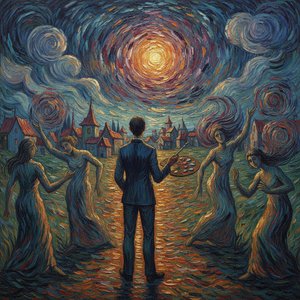
Beyond the Light: Capturing Emotion Through the Expressive Soul of Post-Impressionism
Explore the profound emotional depth of Post-Impressionism. Discover how masters like Van Gogh and Cézanne moved beyond light to capture raw feeling through color and texture. A journey into art history for the true connoisseur.
Explore obras de arte organizadas por temas, estilos y características.


