


 Ver en contexto
 Enviar
 Compartir
 Detalles
 Guía
Guía

 Descargar
 Similares
 Radiografía
 Presentación de diapositivas
 Q&A
Q&A Estadísticas
Untitled (7168)


Explora la obra 'Untitled (7168)' de Paul Cézanne – una naturaleza muerta postimpresionista rebosante de fruta, palomas y perspectiva en capas. Descubre su textura impasto y su profundidad simbólica.
 Ver más
Explora el arte revolucionario de Paul Cézanne (1839-1906), un maestro del Postimpresionismo que conectó el Impresionismo y el Cubismo. Descubre sus formas geométricas, pinceladas únicas, pinturas de bodegones e impacto duradero en el arte moderno. #Cézanne #PostImpres
Reproducción al óleo hecha a mano
Óleo sobre lienzo pintado a mano en el tamaño y marco de su elección, realizado por encargo por nuestros artistas. ( Cambiar a impresiones Cambiar a imagen digital)




P118B €10

P118H €10

P118W €10

P438Z €10

P508JH €12

P508YH €12

P805H €10

P805Z €10

P919BZ €10

P919G €10

P919XJ €10

P959ZH €10

P968JZ €12

W106C €8

W218G €10

W218JH €8

W218Y €10

W307PJ €10

W316G €10

W316PJ €8

W316Y €10

W398PJ €8

W4111J €10

W500HY €15

W500JH €15

W692G €12

W849H €8

W940BG €15

W953PJ €8




Tamaño estándar
a medida
CM
INCH
Elija entre nuestros tamaños predefinidos que respetan las proporciones originales de la obra.
Loading sizes...

ancho
altura
Indique el ancho y el alto que necesite para adaptarse a su marco o pared. Al tratarse de una obra pintada a mano, si requiere un tamaño con una proporción distinta, el artista puede pintar un poco más alrededor de la imagen o recortarla ligeramente; usted elige. Le enviaremos una maqueta digital para su aprobación antes de comenzar la pintura. La imagen que se muestra en esta página no refleja el resultado real; solo la maqueta lo hace.
Ejemplos de lo que se puede personalizar: Reemplace el rostro con una foto del cliente; Agregue una mascota (por ejemplo, cambie un gato por un perro); Incluya un mensaje oculto en el fondo; Cambie el paisaje o los elementos del fondo.
Tras realizar el pedido, el equipo de TopImpressionists.com enviará un correo electrónico al cliente para solicitar instrucciones y proporcionarle una vista previa del boceto.
Tras realizar el pedido, el equipo de TopImpressionists.com enviará un correo electrónico al cliente para solicitar instrucciones y proporcionarle una vista previa del boceto.
Envío a todo el mundo () en 3-4 semanas en lugar de las 5 semanas estándar. (28 octubre). Sin comprometer la calidad.

Envío exprés gratuito a todo el mundo

Lienzo de lino de alta calidad

Seguro de envío total

Garantía de reembolso de aranceles aduaneros

Garantía de fidelidad cromática exacta

Política de devolución de 100 días (solo por defectos)

Garantía de devolución del 100% del dinero

Descuento por cantidad
 La opción de vidrio solo está disponible en tamaños inferiores a 110 cm.

Untitled (7168)
Técnica de reproducción
Dimensiones de la reproducción
-


Precio total final
€ 237
Una sinfonía de forma y color: explorando el bodegón de Cézanne
Este cautivador bodegón, inequívocamente al estilo de Paul Cézanne, ofrece una mirada fascinante a la revolucionaria aproximación del artista a la pintura. No es simplemente una representación de objetos; es una exploración de la percepción misma: de cómo vemos y comprendemos el mundo que nos rodea. La composición se centra en una mesa rebosante de elementos cotidianos: una generosa cesta desbordante de manzanas, peras y limones; un jarrón de cerámica bellamente plasmado; una botella; un paisaje anidado dentro de la propia escena y una delicada escultura de palomas.Innovación postimpresionista
Cézanne es ampliamente considerado una figura fundamental en la transición del impresionismo al cubismo. Si bien compartía el interés de los impresionistas por capturar momentos fugaces y los efectos de la luz, él fue más allá de su enfoque en las impresiones ópticas. En su lugar, Cézante buscó comprender la estructura subyacente de los objetos: sus formas geométricas esenciales. Esta pintura ejemplifica esa búsqueda. Se puede observar cómo las frutas no se representan simplemente como aparecen ante el ojo, sino que están construidas a partir de planos de color, otorgándoles una solidez y una presencia raras veces vistas anteriormente. Las pinceladas sueltas y gestuales, características del postimpresionismo, definen las formas en lugar de delinearlas meticulosamente, creando una energía vibrante sobre el lienzo.Técnica y materiales
La obra está ejecutada en óleo con un uso magistral del impasto: capas gruesas de pintura aplicadas sobre el lienzo. Esta técnica es particularmente evidente en la representación de la fruta y el mantel, añadiendo textura y profundidad. Las pinceladas visibles no se ocultan; son una parte integral de la obra, revelando el proceso del artista y otorgando una cualidad táctil a la escena. El aplanamiento deliberado de la perspectiva por parte de Cézanne, al priorizar la forma y el color sobre el realismo estricto, enfatiza aún más este enfoque en la materialidad de la propia pintura.Simbolismo e interpretación
Más allá de sus cualidades formales, la pintura invita a una interpretación simbólica. Las palomas, que tradicionalmente representan la paz y el amor, ofrecen un contrapunto esperanzador a la abundancia más terrenal simbolizada por la fruta. La inclusión de un paisaje dentro del bodegón es particularmente intrigante: un metacomentario sobre la representación misma, cuestionando la naturaleza del arte y su relación con la realidad. ¿Es una ventana hacia otro mundo o simplemente otra capa de pintura?Contexto histórico y el legado de Cézanne
Nacido en Aix-en-Provence en 1839, Paul Cézanne luchó inicialmente por el reconocimiento, pero finalmente se convirtió en uno de los artistas más influyentes de finales del siglo XIX y principios del XX. Su énfasis en las formas geométricas impactó profundamente en movimientos posteriores como el cubismo, allanando el camino para el arte moderno tal como lo conocemos. Este bodegón es un testimonio de su legado perdurable: un ejemplo poderoso de cómo desafió las normas artísticas convencionales y redefinió nuestra comprensión de la percepción visual.Resonancia emocional y diseño de interiores
Esta pintura evoca una sensación de íntima quietud y belleza contemplativa. La cálida paleta de colores y la abundancia de frutas crean un sentimiento de confort y nutrición, mientras que las sutiles complejidades de la composición invitan a una observación prolongada. Sus ricas texturas y colores armoniosos lo convertirían en un punto focal impresionante en cualquier interior, desde un estudio tradicional hasta un espacio de vida contemporáneo. Una reproducción de alta calidad de esta obra llevará la visión innovadora de Cézanne a su hogar, ofreciendo una fuente diaria de inspiración y placer estético. Es una inversión no solo en arte, sino en una pieza de la historia.Preguntas y respuestas
¿Dónde puedo descargar "Untitled (7168)" de Paul Cézanne?
Hay una descarga disponible para "Untitled (7168)": la página de Descargar imagen digital de la obra ofrece descarga de una imagen digital en alta resolución.
¿En qué técnica está ejecutada "Untitled (7168)" de Paul Cézanne?
La técnica de "Untitled (7168)" de Paul Cézanne es Óleo sobre lienzo. Las reproducciones pretenden recrear la apariencia de esta técnica.
¿Cuántas personas ven "Untitled (7168)"?
Existe una página de Estadísticas para "Untitled (7168)". En ella se detallan las visitas mensuales de la obra y de otras piezas del artista, con desgloses por país e idioma.
Biografía del artista
vida temprana e influencias
paul cézanne, un pintor postimpresionista francés, nació el 19 de enero de 1839 en Aix-en-Provence, Francia. Su vida temprana estuvo marcada por una fuerte conexión con la empresa bancaria de su familia, lo que le proporcionó seguridad financiera. Esto le permitió concentrarse en sus aspiraciones artísticas sin la carga del estrés financiero. les nabis, neoimpresionismo y simbolismo influyeron en el trabajo temprano de Cézanne, que se caracterizó por su énfasis en las formas geométricas y una paleta de colores limitada. Su interés en las obras de paul gauguin y georges seurat fortaleció aún más su estilo postimpresionista.estilo artístico y técnicas
El uso innovador de Cézanne de los planos de color y pequeños trazos repetitivos creó campos complejos que transmitían su intenso estudio de los temas. Su enfoque a menudo exploratorio del arte condujo al desarrollo de un nuevo lenguaje pictórico, que enfatizaba la estructura subyacente de los objetos en una composición.- características clave:
- formas geométricas y facetado
- paleta de colores reducida
- énfasis en la esencia constructiva del mundo físico
- múltiples perspectivas y simultaneidad
- obras influyentes:
- el estanque de jas de bouffan (1880)
- retrato de emile zola (1866)
- bosque (1892)
- museos que exhiben el trabajo de Cézanne:
- museo marmottan monet en París, Francia
- el museo de bellas artes en Houston, Estados Unidos
legado e impacto
El trabajo pionero de Cézanne en el postimpresionismo allanó el camino para diversos movimientos vanguardistas, incluyendo cubismo, fauvismo y surrealismo. Su influencia se puede ver en las obras de pablo picasso, henri matisse y georges braque. El legado de Cézanne continúa inspirando a artistas y entusiastas del arte por igual, consolidando su lugar como una figura fundamental en la historia del arte moderno.- movimientos artísticos relacionados:
- vea las obras de Cézanne:

Paul Cézanne
1839 - 1906 , Francia
Datos clave
- Artistas Que Influyeron:
- Paul Gauguin
- Georges Seurat
- Estilo Artístico: Postimpresionismo
- Fecha De Muerte: Octubre 22, 1906
- Fecha De Nacimiento: 19 de enero de 1839
- Influenciado A Artistas:
- Pablo Picasso
- Henri Matisse
- Georges Braque
- Lugar De Nacimiento: Aix-en-Provence, Francia
- Nacionalidad: Francés
- Nombre Completo: Paul Cézanne
- Obras Notables:
- El estanque de Jas de Bouffan
- Retrato de Émile Zola
- Bosque
- Grandes Bañistas
Artículos relacionados
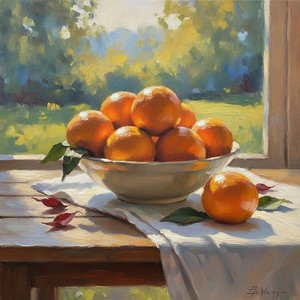
Sun-Drenched Citrus: The Vibrant Beauty of Oranges in Impressionist Masterpieces
Embark on a sensory journey through Impressionist masterpieces. Discover how Renoir and Cézanne captured the vibrant light and luscious textures of sun-drenched oranges in exquisite still life paintings designed to inspire and transform your home.

Beyond the Light: Discovering the Soul and Emotional Depth of Post-Impressionism
Embark on a cultural journey through Post-Impressionism. Discover the profound emotional depth of masters like Van Gogh and Cézanne, exploring how they moved beyond light to capture the very soul of human experience through vibrant color and symbolic form.

Capturing the Light: A Journey Through the Ethereal Magic of Impressionism and Post-Impressionism
Embark on a cultural journey through the luminous world of Impressionism. Discover the profound beauty of Monet, Van Gogh, and Cézanne through expert art history insights and explore how to bring these timeless masterpieces into your home with museum-quality hand-painted reproductions.
Explore obras de arte organizadas por temas, estilos y características.


