

 Ver en contexto
 Enviar
 Compartir
 Detalles
 Guía
Guía

 Descargar
 Similares
 Radiografía
 Presentación de diapositivas
 Estadísticas
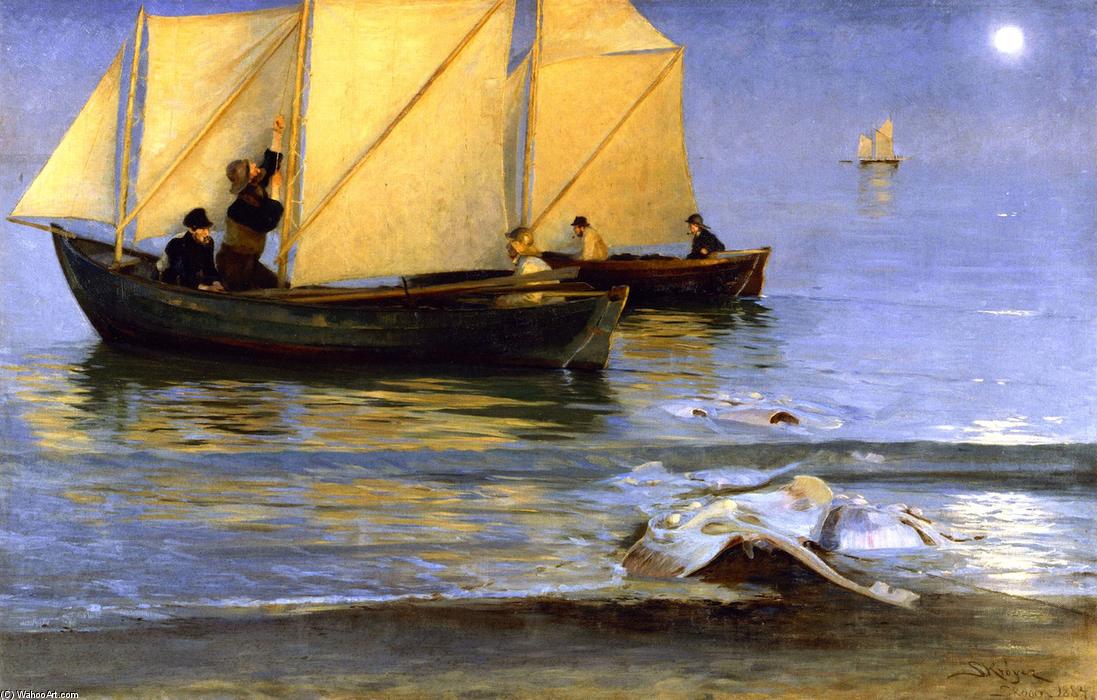
Barcos de pesca
 Óleo sobre lienzo
- Arte de pared
- Escuela de Skagen
 1884
1884- Siglo XIX
 160.0 x 245.0 cm
 Museo de Orsay
Explora Fishing Boats (1884) de Peder Severin Kroyer, un óleo vibrante sobre la vida en Skagen. Descubre esta obra en el Musée d'Orsay.
 Ver más
Descubre la obra maestra de Peder Severin Krøyer (1851-1909), pintor danés reconocido por paisajes impresionistas y escenas cotidianas en Skagen. Un legado artístico esencial.
Reproducción al óleo hecha a mano
Óleo sobre lienzo pintado a mano en el tamaño y marco de su elección, realizado por encargo por nuestros artistas. ( Cambiar a impresiones Cambiar a imagen digital)




P118B €10

P118H €10

P118W €10

P438Z €10

P508JH €12

P508YH €12

P805H €10

P805Z €10

P919BZ €10

P919G €10

P919XJ €10

P959ZH €10

P968JZ €12

W106C €8

W218G €10

W218JH €8

W218Y €10

W307PJ €10

W316G €10

W316PJ €8

W316Y €10

W398PJ €8

W4111J €10

W500HY €15

W500JH €15

W692G €12

W849H €8

W940BG €15

W953PJ €8




Tamaño estándar
a medida
CM
INCH
Elija entre nuestros tamaños predefinidos que respetan las proporciones originales de la obra.
Loading sizes...

ancho
altura
Indique el ancho y el alto que necesite para adaptarse a su marco o pared. Al tratarse de una obra pintada a mano, si requiere un tamaño con una proporción distinta, el artista puede pintar un poco más alrededor de la imagen o recortarla ligeramente; usted elige. Le enviaremos una maqueta digital para su aprobación antes de comenzar la pintura. La imagen que se muestra en esta página no refleja el resultado real; solo la maqueta lo hace.
Ejemplos de lo que se puede personalizar: Reemplace el rostro con una foto del cliente; Agregue una mascota (por ejemplo, cambie un gato por un perro); Incluya un mensaje oculto en el fondo; Cambie el paisaje o los elementos del fondo.
Tras realizar el pedido, el equipo de TopImpressionists.com enviará un correo electrónico al cliente para solicitar instrucciones y proporcionarle una vista previa del boceto.
Tras realizar el pedido, el equipo de TopImpressionists.com enviará un correo electrónico al cliente para solicitar instrucciones y proporcionarle una vista previa del boceto.
Envío a todo el mundo () en 3-4 semanas en lugar de las 5 semanas estándar. (28 octubre). Sin comprometer la calidad.

Envío exprés gratuito a todo el mundo

Lienzo de lino de alta calidad

Seguro de envío total

Garantía de reembolso de aranceles aduaneros

Garantía de fidelidad cromática exacta

Política de devolución de 100 días (solo por defectos)

Garantía de devolución del 100% del dinero

Descuento por cantidad
 La opción de vidrio solo está disponible en tamaños inferiores a 110 cm.

Barcos de pesca
Técnica de reproducción
Dimensiones de la reproducción
-


Precio total final
€ 237
Un nocturno de resiliencia: El alma de la visión costera de Krøyer
En las horas silenciosas y bañadas por la luna de 1884, Peder Severin Krøyer capturó algo más que un simple evento marítimo; inmortalizó la esencia misma del espíritu escandinavo. "Barcos de pesca" no es meramente la representación de una escena costera, sino una narrativa evocadora del desafío humano frente a la inmensidad abrumadora de la naturaleza. Como integrante de la renombrada Escuela de Skagen, Krøyer utilizó su formación única —una mezcla de precisión científica derivada de sus estudios zoológicos y una profunda sensibilidad estética— para documentar una expedición de pesca nocturna con una claridad sorprendente. El lienzo vibra con la tensión de una ballena colosal siendo arrastrada hacia una playa de arena, un momento donde la lucha por la supervivencia se encuentra con el triunfo del esfuerzo comunitario. Para el coleccionista exigente, esta pieza ofrece una ventana a un mundo donde los límites entre el hombre y el mar se desvanecen bajo el resplandor plateado de la luna llena.
La maestría técnica que se despliega en esta obra sirve para profundizar su resonancia emocional. Si bien el estilo de Krøyer está firmemente anclado en el impresionismo, él evita las cualidades fugaces y efímeras de sus contemporáneos franceses en favor de un realismo más terrenal. A través del uso magistral del impasto, Krøjer aplica capas gruesas y texturizadas de pintura al óleo que permiten al espectador sentir la aspereza de la arena azotada por el viento y el esfuerzo muscular de los pescadores. La composición es un estudio brillante de claroscuro; la luz emana de los faroles montados en los botes, proyectando luces dramáticas contra los azules y verdes profundos del mar nocturno. Este juego de luces y sombras crea una energía palpable, atrayendo la mirada hacia el centro de la lucha y anclando al espectador dentro del movimiento rítmico de las olas.
Simbolismo y el encanto atemporal de la Escuela de Skagen
Más allá de su esplendor visual, "Barcos de pesca" funciona como un profundo vehículo simbólico. La gran ballena, que domina el primer plano, representa tanto las generosas recompensas del mar como los peligros inherentes de las profundidades. Es un símbolo de abundancia que exige respeto y trabajo físico, reflejando la experiencia humana más amplia de navegar los grandes desafíos de la vida a través de la perseverancia y la camaradería. La estabilidad horizontal de la línea de costa y los mástiles verticales de los barcos proporcionan un equilibrio estructural a las formas orgánicas y arremolinadas de las olas y la ballena, sugiriendo una sensación de orden incluso en medio del caos de la caza. Este equilibrio convierte a la obra en una elección excepcional para el diseño de interiores, ya que proporciona un punto focal sofisticado que atrae la atención sin perturbar la serenidad de una estancia.
Para aquellos que buscan adornar sus espacios con arte que inspire la contemplación, esta reproducción ofrece una oportunidad inigualable de poseer una pieza de la historia escandinava. La pintura captura la luz única de la península de Skagen, un lugar donde los artistas se reunían para encontrar belleza en lo puro y lo agreste. Colgar esta obra es invitar a nuestro hogar la atmósfera de una costa danesa bajo la luna, trayendo consigo temas de fortaleza, conexión y la belleza perdurable del mundo natural. Es una inversión en una narrativa de resiliencia que sigue siendo tan relevante hoy como lo fue a finales del siglo XIX.
Preguntas y respuestas
¿Cómo equilibra la luz y la sombra "Barcos de pesca"?
Los valores registrados para "Barcos de pesca" de Peder Severin Kroyer son: brillante de brillo y Luminosidad tenue de luminancia.
¿Qué tamaño y orientación se recomiendan para la impresión de "Barcos de pesca"?
Para "Barcos de pesca", la configuración de impresión recomendada es un tamaño de Gran formato y una orientación Formato horizontal.
¿Qué emoción transmite la obra de Escuela de Skagen "Barcos de pesca"?
Dentro del movimiento Escuela de Skagen, "Barcos de pesca" se presenta con un tono Reflexivo.
Obras relacionadas


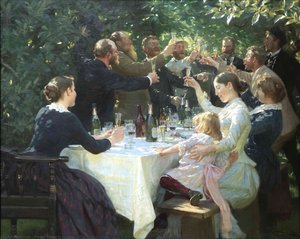


Biografía del artista
A Life Painted in Light: The World of Peder Severin Krøyer
Peder Severin Krøyer, a name perhaps less instantly recognizable than some of his Impressionist contemporaries, nevertheless occupies a pivotal position within Scandinavian art. Born in 1851 in Stavanger, Norway, Krøyer’s early life was marked by an unusual upbringing; raised not by his biological mother but by her sister and brother-in-law, the Danish zoologist Henrik Nikolai Krøyer, he found himself transplanted to Copenhagen and immersed in a world of scientific inquiry alongside artistic cultivation. This unique foundation – a blend of observation, precision, and aesthetic sensibility – would profoundly shape his approach to painting. While details of his earliest years remain somewhat elusive, it’s clear that an aptitude for art was nurtured from a young age, leading to enrollment at the Royal Danish Academy of Art at just fourteen. He quickly distinguished himself, demonstrating a natural talent that promised a successful career.From Realism to the Shifting Sands of Impressionism
Krøyer’s artistic journey began firmly rooted in realism, particularly portraiture – a genre highly esteemed and financially viable during his formative years. He excelled at capturing likenesses, securing commissions that established him as a sought-after artist within Danish society. However, the winds of change were blowing across Europe, carrying with them the revolutionary ideas of Impressionism. Krøyer was not immune to their allure. Several trips to Paris exposed him to the groundbreaking work of Monet, Renoir, Degas, and others, artists who dared to abandon traditional techniques in favor of capturing fleeting moments of light and atmosphere. He absorbed these influences, gradually incorporating them into his own style. This wasn’t a wholesale adoption, however; Krøyer didn’t simply replicate Impressionism. Instead, he synthesized it with his existing realist training, creating a distinctive aesthetic that balanced meticulous observation with an evocative sense of mood and transience.Skagen: A Colony of Light and Inspiration
The turning point in Krøyer’s career – and arguably the period for which he is most celebrated – came with his discovery of Skagen, a remote fishing village on the northern tip of Denmark. He first arrived there in 1882, drawn by the dramatic coastal landscapes and the unique quality of light that bathed the region. Skagen quickly became more than just a location; it was an artistic haven, attracting a vibrant colony of painters, writers, and intellectuals. Krøyer became central to this community, forging close friendships with artists like Michael and Anna Ancher, and writer Holger Drachmann. He married Marie Triepcke in 1889, who herself was a talented painter and frequent subject in his work. It was at Skagen that Krøyer truly found his voice, producing some of his most iconic paintings – scenes of beach life, fishermen at work, and intimate portraits of his fellow artists. Summer Evening on Skagen Sønderstrand, perhaps his most famous work, exemplifies this period; it's a masterful depiction of light, atmosphere, and the camaraderie of the artistic circle. The painting is not merely a representation of a scene but an evocation of a feeling – a sense of peace, belonging, and the ephemeral beauty of summer.Later Years and Enduring Legacy
The final years of Krøyer’s life were marked by personal tragedy and declining health. His marriage to Marie deteriorated, culminating in divorce in 1905. Simultaneously, he began to suffer from failing eyesight, a devastating blow for any artist but particularly poignant for one so dedicated to capturing the nuances of light. Despite these challenges, Krøyer continued to paint, demonstrating remarkable resilience and determination. He adapted his technique to accommodate his diminishing vision, even joking that losing an eye had somehow improved the sight in his remaining one. He died in 1909 at Skagen, leaving behind a rich artistic legacy. While he may not have achieved the same international renown as some of his Impressionist peers, Peder Severin Krøyer remains a towering figure in Scandinavian art. His paintings offer a unique window into a specific time and place – the vibrant artistic community of Skagen and the serene beauty of the Danish coastline. He masterfully blended realism with impressionistic techniques, creating works that are both visually stunning and emotionally resonant. His contribution lies not only in his technical skill but also in his ability to capture the essence of a particular way of life, preserving it for generations to come. ## Museums and Collections- The Hirschsprung Collection (Copenhagen): Holds a significant number of Krøyer’s works, reflecting the long-standing patronage of Heinrich Hirschsprung.
- Skagens Museum: Boasts the world's largest collection of paintings by Peder Severin Krøyer, offering an unparalleled insight into his artistic development and connection to Skagen.
- National Gallery of Denmark (Copenhagen): Features selected works representing Krøyer’s contribution to Danish art history.

Peder Severin Kroyer
1851 - 1909 , Noruega
Datos clave
- Artistic Movement Or Style: Realism, Impressionism
- Artists Or Movements Influenced By This Artist: ['Skagens Museum']
- Artists Who Influenced This Artist: ['Claude Monet']
- Date Of Birth: 1851
- Date Of Death: 1909
- Full Name: Peder Severin Krøyer
- Nationality: Danish
- Notable Artworks:
- Hip, Hip, Hurrah!
- Summer Day at Skagen
- Tarde de verano en Skagen
- Place Of Birth: Stavanger, Norway
Artículos relacionados

The Barbizon School: The Soulful Origins of Impressionism's Natural Light and Atmospheric Mastery
Discover the profound influence of the Barbizon School on Impressionism. Explore how these masters captured natural light and atmospheric beauty through plein air painting, paving the way for Monet and Renoir. A journey into the soulful origins of landscape art history.

Capturing the Light: A Journey Through the Soul of American Impressionism and the Hudson River School
Explore the luminous beauty of American Impressionism and the Hudson River School. Discover a curated journey through light, landscape, and history, celebrating the enduring legacy of masters through exquisite, hand-painted oil reproductions for the discerning art lover.
Explore obras de arte organizadas por temas, estilos y características.

