

 Ver en contexto
 Enviar
 Compartir
 Detalles
 Guía
Guía

 Descargar
 Similares
 Radiografía
 Presentación de diapositivas
 Preguntas y respuestas
 Estadísticas
Surf

- 16.0 x 74.0 cm


Admire 'Surf' by Philip Wilson Steer (1886). An atmospheric Impressionist seascape featuring muted colors & loose brushstrokes. Explore this 16x74cm oil painting – a timeless piece of British art.
 Ver más
Descubre a Philip Wilson Steer (1860-1942), clave del Impresionismo británico. Explora sus obras llenas de luz, influenciado por Manet & Whistler, ¡ahora en Tate y Uffizi!
Giclée / Impresión de arte
Impresiones giclée o en lienzo de calidad de museo con producción rápida y opciones de acabado flexibles. ( Comprar pintura hecha a mano Cambiar a imagen digital)




P118B €10

P118H €10

P118W €10

P438Z €10

P508JH €12

P508YH €12

P805H €10

P805Z €10

P919BZ €10

P919G €10

P919XJ €10

P959ZH €10

P968JZ €12

W106C €8

W218G €10

W218JH €8

W218Y €10

W307PJ €10

W316G €10

W316PJ €8

W316Y €10

W398PJ €8

W4111J €10

W500HY €15

W500JH €15

W692G €12

W849H €8

W940BG €15

W953PJ €8




Tamaño estándar
a medida
CM
INCH
Elija entre nuestros tamaños predefinidos que respetan las proporciones originales de la obra.
Loading sizes...

ancho
altura
Introduzca el ancho y el alto que necesite para adaptarse a su marco o pared. Una impresión solo puede recortarse, nunca hacerse más grande que la imagen original, por lo que un tamaño con una forma distinta perderá parte de la obra. Le enviaremos una maqueta digital para su aprobación antes de realizar cualquier impresión. La imagen que se muestra en esta página no refleja el recorte real; solo la maqueta lo hace.
Envío a todo el mundo () en 2 semanas en lugar de las 4/5 semanas estándar. (9 noviembre)

Envío exprés gratuito a todo el mundo

Lienzo de lino de alta calidad

Seguro de envío total

Garantía de reembolso de aranceles aduaneros

Garantía de fidelidad cromática exacta

Política de devolución de 100 días (solo por defectos)

Garantía de devolución del 100% del dinero

Descuento por cantidad
 La opción de vidrio solo está disponible en tamaños inferiores a 110 cm.

Surf
Giclée / Impresión de arte
Dimensiones de la reproducción
-


Precio total final
€ 62
Philip Wilson Steer’s “Surf”: A Meditation on Vastness and Isolation
The painting "Surf," executed by Philip Wilson Steer in 1886, stands as a testament to the Impressionist preoccupation with capturing fleeting moments of atmospheric beauty. More than just a depiction of a seascape—though undeniably striking in its rendering—the artwork delves into deeper themes of solitude, contemplation, and an appreciation for the sublime power of nature. Its enduring appeal lies not merely in its visual splendor but also in Steer’s masterful manipulation of color and brushwork to convey a profound emotional resonance.Composition and Technique: Embracing Impressionistic Fluidity
Steer employed oil paint on canvas with broad, expressive strokes—a hallmark of the Impressionist movement—to achieve an unparalleled sense of dynamism. Unlike academic painting's meticulous detail, Steer prioritized conveying the feeling of light and air; he eschewed sharp lines in favor of hazy contours that dissolve into the surrounding environment. The horizontal orientation emphasizes the expansive horizon line, dividing the canvas into sky and sea with equal consideration. Noticeably absent is any attempt to render precise topographical features—the waves are suggested rather than depicted, creating a textured surface that mimics the movement of water without resorting to photographic realism. This deliberate simplification serves to heighten the painting’s emotional impact, inviting viewers to immerse themselves in the scene's tranquil atmosphere.Historical Context: The Dawn of Modern Landscape Painting
“Surf” emerged during a pivotal period in art history—the late Victorian era—when Impressionism was challenging established artistic conventions. Artists like Steer were rejecting the rigid formalism of Romanticism, which championed dramatic narratives and idealized landscapes, opting instead for observations of everyday life infused with subjective perception. The painting reflects the broader intellectual currents of its time, influenced by thinkers such as Friedrich Nietzsche who questioned traditional morality and celebrated the individual’s confrontation with overwhelming forces—a concept powerfully embodied in Steer's depiction of the sea’s immensity. It aligns perfectly with the burgeoning interest in psychology and introspection that characterized the period.Color Palette and Symbolism: Cool Blues and Hints of Grey
Steer’s color palette is dominated by cool blues and grey tones, reflecting the overcast conditions typical of coastal landscapes during this time. These muted hues contribute to a melancholic mood, conveying a sense of quiet contemplation rather than exuberant joy. The subtle gradations of color create depth and atmosphere, mirroring the way light scatters across the water’s surface. Beyond its aesthetic qualities, “Surf” carries symbolic weight. The vast expanse of sea represents infinity and challenges the viewer's perspective—a visual metaphor for confronting existential questions. Similarly, the distant ships serve as diminutive markers against this monumental backdrop, emphasizing humanity’s insignificance in comparison to the grandeur of nature.Emotional Impact: A Moment Frozen in Time
Ultimately, “Surf” succeeds in transporting the viewer to a place of serene stillness and profound beauty. Steer's masterful technique captures not just what he sees but also how he feels—a palpable sense of solitude mingled with awe at the sublime majesty of the natural world. It’s a painting that invites reflection on our relationship with nature, reminding us of the importance of slowing down and appreciating the simple pleasures of observation. Its enduring legacy resides in its ability to evoke emotion and inspire contemplation long after viewing it—a testament to Steer's artistic vision and the timeless appeal of Impressionistic landscape art.Preguntas y respuestas
¿Quién es el autor y en qué fecha se creó "Surf"?
"Surf" es una obra de Philip Wilson Steer, realizada en 1886.
¿Qué ambiente aportaría "Surf" a un espacio?
"Surf" de Philip Wilson Steer transmite una atmósfera Serene y se recomienda para un/a Living Room. El estado de ánimo es la esencia que la obra aporta al espacio que la rodea.
¿Dónde puedo descargar "Surf" de Philip Wilson Steer?
Hay una descarga disponible para "Surf": la página de Descargar imagen digital de la obra ofrece descarga de una imagen digital en alta resolución.


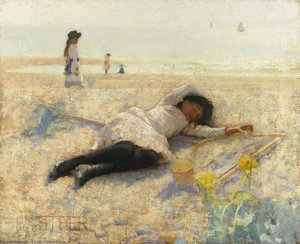

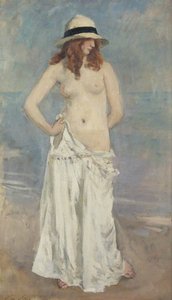

Biografía del artista
Primeros Años y Formación Artística
Philip Wilson Steer, nacido en Birkenhead en 1860, se vio inmerso desde temprana edad en un ambiente artístico gracias a su padre, también pintor y dedicado profesor de arte. Esta exposición inicial fue fundamental para moldear su sensibilidad y definir el rumbo de su vida. La familia se trasladó a Whitchurch, cerca de Monmouth, cuando él tenía apenas tres años, estableciendo una conexión profunda con la campiña británica que resonaría en toda su obra. Su educación formal comenzó en la Hereford Cathedral School, donde adquirió una base sólida antes de dedicarse por completo a sus ambiciones artísticas. Continuó su formación en la Gloucester School of Art y las South Kensington Drawing Schools, pero fue su estancia en París entre 1880 y 1884 la que resultó verdaderamente transformadora. Estudiar en la Académie Julian y posteriormente bajo la tutela de Alexandre Cabanel en la École des Beaux Arts le abrió las puertas a un mundo repleto de nuevas ideas y enfoques pictóricos.La Influencia del Impresionismo y el Desarrollo de un Estilo Propio
París se convirtió en un crisol para el desarrollo artístico de Steer. Quedó profundamente conmovido por las obras de Édouard Manet y James McNeill Whistler, absorbiendo sus innovadoras técnicas para capturar la luz, el color y la atmósfera. Esta experiencia encendió en él una pasión por el Impresionismo, pero nunca se limitó a imitarlo. Steer combinó hábilmente estas influencias francesas con su sensibilidad inglesa innata, forjando un estilo único e inconfundible. Sus pinturas se caracterizan por una notable capacidad para capturar momentos fugaces –el juego de la luz solar sobre el agua, la cualidad efímera del aire costero–. Empleaba pinceladas sueltas y colores vibrantes no solo para representar escenas, sino también para evocar emociones y crear una sensación de inmediatez envolvente. Los temas recurrentes en su obra incluyen escenas de playa y paisajes marinos, a menudo bañados en una luz plateada y translúcida, demostrando un dominio excepcional en la representación de la frescura y luminosidad de estos entornos. Obras como The Music Room, temprana en su carrera, revelan su creciente habilidad con la composición y la luz, mientras que piezas como Girls Running: Walberswick Pier rebosan energía y vitalidad, capturando la esencia de un pueblo costero de Suffolk.Un Defensor del Arte Moderno y el Impacto de Etaples
Steer no se contentó con pintar; también desempeñó un papel activo en la configuración del panorama artístico británico. Fue fundamental en la creación del New English Art Club, una organización dedicada a promover la expresión artística moderna –una iniciativa audaz en una época en que los gustos tradicionales aún predominaban–. A través de esta plataforma y sus exposiciones regulares en la Royal Academy, incluyendo su participación en la innovadora exposición impresionista londinense de 1889, contribuyó a introducir nuevas ideas y desafiar las convenciones establecidas. Su tiempo en la colonia artística de Etaples en 1887 perfeccionó aún más su visión artística. Esta vibrante comunidad de artistas proporcionó un entorno estimulante para la experimentación y la colaboración, consolidando su capacidad para capturar la luz y la atmósfera con una mayor sutileza y maestría. Steer se inspiró en una amplia gama de maestros –John Constable, J.M.W. Turner e incluso François Boucher–, pero siempre filtró estas influencias a través de su propia perspectiva única.Legado, Reconocimiento y Significado Histórico
Philip Wilson Steer continuó pintando prolíficamente hasta que problemas de salud lo obligaron a detenerse en 1940, falleciendo dos años después a la edad de 81 años. Sus contribuciones fueron ampliamente reconocidas durante su vida, culminando con la concesión de la Orden del Mérito. Hoy en día, sus obras se encuentran en prestigiosas colecciones de todo el mundo, incluyendo la Tate Gallery e incluso la Galería Uffizi –un testimonio de su aclamación internacional. Más allá de sus pinturas, el legado de Steer perdura gracias a su larga trayectoria como profesor de pintura en la Slade School of Art. Durante muchos años, influyó profundamente en generaciones de jóvenes artistas, transmitiendo no solo habilidades técnicas sino también una profunda apreciación por la observación y la integridad artística. Su contribución al desarrollo y aceptación del Impresionismo en Gran Bretaña es innegable, consolidando su lugar como una figura significativa en la historia del arte británico –un pintor que logró tender un puente entre la tradición y la modernidad, dejando una huella imborrable en el panorama artístico de su país. Obras notables como Convalescent, con sus ricas texturas y mirada evocadora, e The Teme at Ludlow, que destaca por su serena belleza y magistral pincelada, continúan cautivando al público actual, demostrando la calidad atemporal de su visión artística.
Philip Wilson Steer
1860 - 1942 , Reino Unido
Datos clave
- Artistas Influenciados: ['Impresionismo Británico']
- Artistas Que Influyeron:
- Manet
- Whistler
- Constable
- Turner
- Fecha De Fallecimiento: 18 de marzo de 1942
- Fecha De Nacimiento: 28 de diciembre de 1860
- Lugar De Nacimiento: Birkenhead, Reino Unido
- Movimiento Artístico: Impresionismo
- Nacionalidad: Británico
- Nombre Completo: Philip Wilson Steer
- Obras Notables:
- The Music Room
- Girls Running
- Convalescent
- The Teme at Ludlow
Artículos relacionados

Modern Soul, Timeless Light: Bringing the Magic of Impressionist Masterpieces into Contemporary Interiors
Discover how to infuse contemporary spaces with the luminous magic of Impressionism. From Monet's light to Renoir's warmth, learn expert tips for styling hand-painted masterpieces and custom art reproductions in your modern home.

The Art of Connection: Capturing Beautiful Gatherings through Impressionist Masterpieces
Explore the profound beauty of human connection through Impressionist and Post-Impressionist masterpieces. Discover how masters like Renoir and Van Gogh captured light, emotion, and communal joy in timeless works of art designed to inspire your home.

The Beauty of Impermanence: Capturing Decay through Impressionist Eyes
Explore the profound beauty of impermanence through Impressionist and Post-Impressionist eyes. Discover how masters like Monet and Van Gogh captured fleeting light and the poetic essence of nature's transitions in our deep dive into art history and emotional landscapes.

Capturing the Soul: The Most Emotionally Moving Impressionist and Post-Impressionist Masterpieces
Discover the profound emotional depth of Impressionist and Post-Impressionist masterpieces. Explore how legends like Monet, Van Gogh, and Gauguin captured light and soul through evocative landscapes and vibrant brushwork for a timeless connection to art history.

Capturing Contemplation: The Most Thoughtful Impressionist Masterpieces
Explore the profound emotional depth of Impressionist and Post-Impressionist masterpieces. From Renoir's tranquil landscapes to Van Gogh's vibrant soul, discover how these legendary artists captured the essence of contemplation through light, color, and texture.
Explore obras de arte organizadas por temas, estilos y características.


