

Se muestra: · Con su marco:
 Ver en contexto
 Enviar
 Compartir
 Detalles
 Guía
Guía

 Descargar
 Similares
 Radiografía
 Presentación de diapositivas
 Preguntas y respuestas
 Estadísticas
- 55.0 x 35.0 cm


€ 240
Reproducción al óleo hecha a mano
Óleo sobre lienzo pintado a mano en el tamaño y marco de su elección, realizado por encargo por nuestros artistas. ( Cambiar a impresiones Cambiar a imagen digital)
Tamaño
·Tamaño estándar
a medida
CM
INCH
Elija entre nuestros tamaños predefinidos que respetan las proporciones originales de la obra.
Cargando tamaños...

ancho
altura
Indique el ancho y el alto que necesite para adaptarse a su marco o pared. Al tratarse de una obra pintada a mano, si requiere un tamaño con una proporción distinta, el artista puede pintar un poco más alrededor de la imagen o recortarla ligeramente; usted elige. Le enviaremos una maqueta digital para su aprobación antes de comenzar la pintura. La imagen que se muestra en esta página no refleja el resultado real; solo la maqueta lo hace.
 Leer más información
Finalizar
·
Blanco €1

Bordes difuminados €1

Continuación de imagen €1

P118B €10

P118H €10

P118W €10

P438Z €10

P508JH €12

P508YH €12

P805H €10

P805Z €10

P919BZ €10

P919G €10

P919XJ €10

P959ZH €10

P968JZ €12

W106C €8

W218G €10

W218JH €8

W218Y €10

W307PJ €10

W316G €10

W316PJ €8

W316Y €10

W398PJ €8

W4111J €10

W500HY €15

W500JH €15

W692G €12

W849H €8

W940BG €15

W953PJ €8

H24-GOLD €30

H24-SILVER €30

H36-GOLD €45

H36-SILVER €45
Se envía en un tubo protector, listo para que lo enmarque su profesional de confianza.
Servicios adicionales
opcional¿Qué incluyen los extras?
Ejemplos de lo que se puede cambiar: Reemplazar el rostro con la foto del cliente; Añadir una mascota (por ejemplo, cambiar un gato por un perro); Incluir un mensaje oculto en el fondo; Cambiar el paisaje o los elementos del fondo.
Tras realizar el pedido, el equipo de TopImpressionists.com enviará un correo electrónico al cliente para solicitar instrucciones y proporcionar una vista previa del boceto
Tras realizar el pedido, el equipo de TopImpressionists.com enviará un correo electrónico al cliente para solicitar instrucciones y proporcionar una vista previa del boceto
Envío a todo el mundo () en 3-4 semanas en lugar de las 5 semanas estándar. (5 noviembre). Sin comprometer la calidad.
Barniz protector
Cartela
Detalles de la placa de bronce grabada
This elegant plaque features the artist's name and the title of the artwork, finely engraved for a timeless presentation.
It is made from bronze with a refined, elegant finish. The text is precisely laser-engraved for a sharp and permanent result. Measuring 9x2 cm, the plaque is compact yet easy to read. It's built to be durable and scratch-resistant, offering a professional, museum-quality look. Mounting is simple thanks to the included adhesive backing.
Detalles de la placa de acrílico transparente
The plaque includes essential engraved details such as the artist's name, the title of the artwork, the date it was created, the type of media used-like oil on canvas or watercolor-a brief description of the piece, and a QR code that links to the complete artwork information.
It is crafted from clear acrylic, offering a sleek, modern appearance. The text is UV-engraved in black to ensure strong visual contrast. With a size of 10x15 cm, it ensures optimal readability. It comes equipped with two metal hooks for secure wall mounting. The plaque is designed to be weather-resistant, making it suitable for various environments, and it includes interactive features that work seamlessly with smartphone scanning.
Detalles de la placa de acrílico negro
This elegant plaque includes engraved information such as the artist's name, the title of the artwork, the date it was created, the type of media used (like oil on canvas or watercolor), a short description of the artwork, and a QR code for quick access to more information.
The plaque itself is made from refined black acrylic with a premium finish. The text is laser-engraved in white for high contrast and readability. Its size is 10x15 cm, designed to be easy to read. It comes with two metal hooks for professional mounting. The design is sleek and fits any interior style. It is also weather-resistant and durable, with built-in digital integration for mobile compatibility.
La opción de vidrio solo está disponible en tamaños inferiores a 110 cm.
 La opción de vidrio solo está disponible en tamaños inferiores a 110 cm.
- Envío exprés gratuito a todo el mundo
- Lienzo de lino de alta calidad
- Seguro de envío total
- Garantía de reembolso de aranceles aduaneros
- Garantía de fidelidad cromática exacta
- Política de devolución de 100 días (solo por defectos)
- Garantía de devolución del 100% del dinero
- Descuento por cantidad


Descripción del objeto
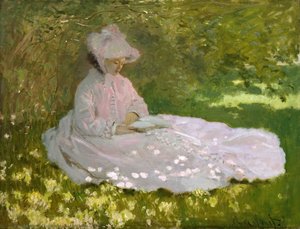
Ramon Casas’s ‘White Lady,’ a captivating portrait from 1891, showcases the artist's Modernist style with a serene woman in a pink and white dress. Discover this beautiful Spanish painting and bring its elegance into your home.
Biografía del artista
Descubre a Ramón Casas i Carbó (1866-1932), artista catalán del Modernismo, conocido por sus retratos vibrantes y escenas de la vida española. ¡Explora su estilo único!
Sobre la obra
Ramon Casas i Carbó’s ‘White Lady’: A Portrait of Catalan Modernisme
Ramon Casas i Carbó's “White Lady,” painted in 1891, is more than just a portrait; it’s a delicately rendered window into the heart of Catalan Modernisme. This intimate scene captures a woman seated on a bench, an embodiment of quiet contemplation and understated elegance – a hallmark of Casas’s artistic vision. The painting immediately draws the eye to the subject's serene expression and the soft palette dominated by whites, pinks, and subtle greens, colors that evoke both fragility and resilience, reflecting the spirit of the era.
- Subject & Composition: The central figure, a woman in a flowing white dress with a blush-toned skirt, occupies the foreground with a sense of quiet dignity. Her hands folded demurely in her lap contribute to an atmosphere of stillness and introspection. The inclusion of a nearby chair subtly suggests a moment of respite, inviting the viewer into her private world.
- Technique & Style: Casas masterfully employs Impressionistic techniques, evident in his loose brushstrokes and emphasis on capturing fleeting moments of light and shadow. This approach is particularly noticeable in the rendering of the fabrics – the delicate folds of the dress and the subtle textures of the green plants – adding a remarkable level of realism to the scene.
A Window into Barcelona’s Modernista World
Painted during a pivotal moment in Catalan art history, “White Lady” reflects the burgeoning Modernisme movement that was transforming Barcelona. This period witnessed a rejection of traditional academic styles and an embrace of new influences – notably Impressionism and Japonisme – alongside a fervent desire to express Catalan identity through artistic expression. Casas, as a key figure within this movement, skillfully blended these diverse elements, creating a style uniquely his own.
- Historical Context: 1891 Barcelona was undergoing rapid industrialization and urbanization, yet simultaneously, there was a strong cultural revival focused on Catalan heritage. Casas’s work often depicted scenes of daily life in the city, capturing both its dynamism and its underlying traditions.
- The Artist's Influence: Casas’s connections within the artistic circles of Barcelona – including his friendships with figures like Santiago Rusiñol – further cemented his position as a leading voice of Modernisme.
Symbolism & Emotional Resonance
While seemingly simple in its composition, “White Lady” is rich in symbolic potential. The color white itself often represents purity and innocence, while the woman’s posture suggests vulnerability and contemplation. The green plants introduce a natural element, symbolizing life, growth, and perhaps even hope. The overall effect is one of quiet beauty and emotional depth – inviting viewers to ponder themes of solitude, reflection, and the transient nature of existence.
- Color Palette: The restrained color palette contributes significantly to the painting’s mood, creating a sense of calm and serenity.
- Light & Shadow: Casas's skillful use of light and shadow adds depth and dimension to the portrait, enhancing its realism and emotional impact.
A Timeless Masterpiece – A Perfect Reproduction
This hand-painted reproduction captures every nuance of Casas’s original masterpiece, offering a stunning addition to any art collection or interior space. The meticulous attention to detail, combined with the artist's signature Impressionistic style, ensures that this artwork will continue to captivate and inspire for generations to come. Whether you are an admirer of Modernisme, a collector seeking exceptional pieces, or an interior designer looking to create a sophisticated atmosphere, “White Lady” is a truly timeless investment.
Preguntas y respuestas
¿Hay obras similares a "White Lady"?
Encuentre obras similares a "White Lady" en la página de Obras similares de esta obra.
¿En qué etapa de la trayectoria de Ramon Casas i Carbó se sitúa "White Lady", dada su fecha?
"White Lady", creada en 1891, pertenece al Modernisme Period de la trayectoria de Ramon Casas i Carbó.
¿Qué representa "White Lady" y qué atmósfera transmite?
"White Lady" muestra portrait woman, catalan scene, white dress, bench seating, pink skirt, green plants, ramon casas, y su atmósfera es Ethereal.
Datos rápidos y cuestionario de arte
Sobre Ramon Casas i Carbó

Ramon Casas i Carbó
1866 - 1932, España
Biografía del artista
Ramon Casas i Carbó: Una Vida Dedicada al Modernismo Catalán
Ramon Casas i Carbó (Barcelona, 4 de enero de 1866 – Barcelona, 5 de febrero de 1932) fue una figura clave del Modernismo catalán, un artista versátil que destacó como pintor, dibujante, cartelista y escultor. Su obra refleja la efervescencia cultural y artística de finales del siglo XIX y principios del XX en Cataluña.
Primeros Años y Formación Artística
Casas nació en una familia acomodada; su padre había amasado una fortuna en Cuba, mientras que su madre provenía de una familia catalana adinerada. En 1877, abandonó los estudios regulares para dedicarse al arte bajo la tutela de Joan Vicens. Esta decisión marcó el inicio de su carrera artística. Rápidamente demostró un talento excepcional, destacándose en retratos y caricaturas que capturaban la esencia de la élite catalana, española y francesa. Su habilidad para representar personajes con vivacidad y humor le valió reconocimiento desde temprana edad.
Desarrollo Artístico y Obras Destacadas
La obra de Casas evolucionó a lo largo de su carrera, mostrando una notable versatilidad. Sus primeros trabajos se centraron en retratos y caricaturas, pero pronto exploró otros géneros como la pintura de género y el diseño gráfico.
- Autorretrato como Flamenco (1883): Esta obra temprana ya revelaba su estilo único y le valió una invitación para unirse a la Societé d'Artistes Français.
- Corrida de Toros (1884): Una representación vibrante y dinámica de una escena taurina, demostrando su capacidad para capturar el ambiente y la emoción de las multitudes.
- Interior del Moulin de la Galette (1891): Esta pintura, realizada durante su estancia en París, evidencia su crecimiento artístico y le otorgó una medalla en la Exposición Internacional de Berlín.
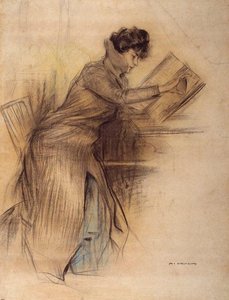
- Retrato del Sr. Domínguez (1899): Un dibujo a lápiz que ejemplifica su maestría en el retrato y su estilo modernista caracterizado por líneas sueltas y sombreados sutiles.
Además de estas obras, Casas fue un prolífico cartelista, creando diseños impactantes para espectáculos teatrales, eventos deportivos y otros fines publicitarios. Sus carteles se distinguen por su colorido, dinamismo y originalidad.
Influencias y Colaboraciones
Casas estuvo influenciado por el Impresionismo y el Postimpresionismo, aunque desarrolló un estilo propio que integraba elementos del Modernismo catalán. Su obra refleja la influencia de artistas como Degas y Toulouse-Lautrec, especialmente en sus representaciones de escenas urbanas y personajes populares.
Colaboró estrechamente con otros artistas importantes de su época, como Santiago Rusiñol, con quien viajó por Cataluña en 1889. Su asociación con la Societé d'Artistes Français le permitió exponer su obra sin necesidad de pasar por un jurado.
Legado e Importancia Histórica
Ramon Casas i Carbó dejó un legado artístico significativo como uno de los principales exponentes del Modernismo catalán. Su obra se encuentra en importantes museos, incluyendo el Museu Nacional d'Art de Catalunya (MNAC) y el Cau Ferrat Museum (Sitges). Su capacidad para capturar la vida cotidiana, sus retratos vibrantes y su innovador diseño gráfico lo convierten en una figura clave en la historia del arte español. Su trabajo contribuyó a definir la estética modernista catalana y sigue siendo admirado por su originalidad y vitalidad.
Datos rápidos sobre Ramon Casas i Carbó
- Fecha De Nacimiento: 4 de enero de 1866
- Influencias Artísticas: ['Joan Vicens']
- Lugar De Nacimiento: Barcelona, España
- Movimiento Artístico: Modernismo catalán
- Nacionalidad: Española
- Nombre Completo: Ramón Casas i Carbó
- Obras Notables:
- Autorretrato como bailaor
- Corrida de toros
- Interior del molino
- Isaac Albéniz
Obras relacionadas






Explore obras de arte organizadas por temas, estilos y características.


Ramon Casas i Carbó
White Lady
() ·
Con su marco: · Pintado a mano al óleo sobre lienzo
Total