


 Vista previa
 Compartir
 Compartir
 Ver detalles
 Guía
Guía

 Descargar
 Ver artículos similares
 Radiografía
 Presentación de diapositivas
 Estadísticas
The Smithy, Szeliwy, No. 2
 Oil On Canvas
- WallArt
- Impressionism
 1906
1906- Modern
 66.0 x 91.0 cm
Explore Robert Bevan’s ‘The Smithy, Szeliwy, No. 2’ – an early 20th-century oil painting capturing rural life in a vibrant Impressionistic style. Discover its charm & historical significance.
 Leer más
Robert Polhill Bevan (1865-1925): Pionero del arte británico moderno y fundador del Grupo de Camden Town. Famoso por su fauvismo, paisajes vibrantes y escenas cotidianas.
Reproducción al óleo hecha a mano
Óleo sobre lienzo pintado a mano en el tamaño y marco de su elección, realizado por encargo por nuestros artistas. ( Cambiar a formato impreso Ver versión en imagen digital)




P118B €10

P118H €10

P118W €10

P438Z €10

P508JH €12

P508YH €12

P805H €10

P805Z €10

P919BZ €10

P919G €10

P919XJ €10

P959ZH €10

P968JZ €12

W106C €8

W218G €10

W218JH €8

W218Y €10

W307PJ €10

W316G €10

W316PJ €8

W316Y €10

W398PJ €8

W4111J €10

W500HY €15

W500JH €15

W692G €12

W849H €8

W940BG €15

W953PJ €8




Estándar
personalizado
CM
INCH
Elija entre nuestros tamaños predefinidos que respetan las proporciones originales de la obra.
Loading sizes...

ancho
altura
Escriba el ancho y el alto que necesite para adaptarse a su marco o a su pared. Al ser una obra pintada a mano, para un tamaño con una forma distinta, el artista puede pintar un poco más alrededor de la imagen o recortar un poco; usted elige. Le enviaremos una maqueta digital para su aprobación antes de comenzar la pintura. La imagen que se muestra en esta página no refleja el resultado real; solo la maqueta lo hace.
Ejemplos de lo que se puede personalizar: Reemplace el rostro con una foto del cliente; Agregue una mascota (por ejemplo, cambie un gato por un perro); Incluya un mensaje oculto en el fondo; Cambie el paisaje o los elementos del fondo.
Tras realizar el pedido, el equipo de TopImpressionists.com enviará un correo electrónico al cliente para solicitar instrucciones y proporcionarle una vista previa del boceto.
Tras realizar el pedido, el equipo de TopImpressionists.com enviará un correo electrónico al cliente para solicitar instrucciones y proporcionarle una vista previa del boceto.
Envío a todo el mundo () en 3-4 semanas en lugar de las 5 semanas estándar. (25 octubre). Sin comprometer la calidad.

Envío exprés gratuito a todo el mundo

Lienzo de lino de alta calidad

Seguro de envío completo

Garantía de reembolso de impuestos aduaneros

Garantía de fidelidad cromática exacta

Política de devolución de 100 días (solo por defectos)

Garantía de devolución del 100% del dinero

Oferta por volumen
 La opción de vidrio solo está disponible en tamaños inferiores a 110 cm.

The Smithy, Szeliwy, No. 2
Técnica de reproducción
Tamaño de la reproducción
-


Precio total
€ 258
A Window into Rural Tranquility
In the quiet corners of the early twentieth century, there existed a profound beauty in the rhythmic simplicity of village life, a sentiment captured with breathtaking tenderness in Robert Polhill Bevan’s 1906 masterpiece, The Smithy, Szeliwy, No. 2. This evocative oil on canvas serves as more than just a depiction of a landscape; it is a portal into a bygone era of communal harmony and pastoral grace. As the viewer gazes upon the scene, they are immediately drawn into a world where time seems to slow, anchored by the presence of horses and the steady, unhurried movement of a horse-drawn carriage. The painting breathes with the life of a small community, presenting a vignette of daily existence that feels both intimately personal and universally nostalgic.
The composition is masterfully orchestrated to guide the eye through a narrative of movement and stillness. In the foreground, the sturdy presence of two horses provides a sense of weight and reality, their forms rendered with a tactile quality that suggests the very strength required for rural labor. As the gaze wanders toward the middle ground, a carriage emerges, acting as a bridge between the figures in the foreground and the architectural heart of the village. This arrangement creates a layered depth that invites the observer to wander through the painting, discovering the subtle interactions between man, beast, and the built environment.
The Impressionistic Soul and Technique
Bevan, a pioneer of British Modernism, utilizes an impressionistic vocabulary to imbue this scene with light and atmosphere. Rather than relying on the rigid precision of academic realism, he employs short, broken brushstrokes that dance across the canvas, building a rich, impasto-like texture. This technique is particularly striking on the roof of the traditional building and the wheels of the cart, where the thick application of paint catches the light, creating a sense of physical presence and luminosity. The artist’s hand is visible in every stroke, lending the work an organic, breathing quality that celebrates the act of creation itself.
The color palette is a warm, soulful embrace of earth tones. Ochres, deep reds, and rich browns dominate the landscape, evoking the sun-drenched dust of a country lane and the weathered wood of farm implements. These warm hues are artfully punctuated by soft greens and muted blues in the foliage and sky, providing a cooling contrast that prevents the composition from feeling heavy. This careful balance of temperature creates a diffused, soft lighting effect, reminiscent of an overcast afternoon where the sun struggles gently to break through the clouds, casting a dreamlike haze over the distant horizon.
A Timeless Legacy for the Modern Collector
Beyond its technical brilliance, The Smithy, Szeliwy, No. 2 carries a profound emotional resonance. It symbolizes a longing for simplicity and a reverence for the enduring cycles of nature and tradition. For the discerning collector or interior designer, this painting offers a sophisticated anchor for any space. Its ability to evoke tranquility makes it an ideal centerpiece for a study, a library, or a living area designed for reflection. The artwork does not merely decorate a wall; it transforms an environment, infusing it with a sense of history and a quiet, dignified warmth.
Whether one is drawn to the historical significance of Bevan’s role in the transition toward modernism or simply captivated by the pastoral charm of the subject matter, this piece remains a timeless investment. A high-quality reproduction of such a work allows the magic of 1906 to reside within a contemporary home, offering a continuous dialogue between the heritage of British art and the aesthetics of modern living. It is an invitation to pause, to breathe, and to reconnect with the enduring beauty of the everyday.
Preguntas y respuestas
¿A qué se debe la situación de los derechos de autor de "The Smithy, Szeliwy, No. 2" de Robert Polhill Bevan?
"The Smithy, Szeliwy, No. 2" de Robert Polhill Bevan es de en el dominio público: sus derechos de autor han expirado. Los términos de derechos de autor se calculan a partir del fallecimiento del artista, y Robert Polhill Bevan murió en 1925.
¿A qué periodo histórico pertenece "The Smithy, Szeliwy, No. 2" de Robert Polhill Bevan?
"The Smithy, Szeliwy, No. 2" de Robert Polhill Bevan pertenece al periodo Modern. Este periodo proporciona el contexto histórico de la obra.
¿Para qué estancia se recomienda "The Smithy, Szeliwy, No. 2" de Robert Polhill Bevan, teniendo en cuenta sus colores?
Con su paleta de Dark, "The Smithy, Szeliwy, No. 2" de Robert Polhill Bevan es ideal para una Coffee Shop. Sus colores son parte de la razón de esta sugerencia.
Obras relacionadas


Biografía del artista
Primeros Años y Formación Artística
- Nacimiento: Hove, Reino Unido (1865)
- Fallecimiento: 1925
- Antecedentes Familiares: Robert Polhill Bevan nació en una familia cuáquera con conexiones bancarias. Sus padres fueron Richard Alexander Bevan y Laura Maria Polhill.
- Educación Temprana: Estudió en la Escuela de Arte Westminster bajo la tutela de Fred Brown. Posteriormente, asistió a la Academia Julian en París donde conoció a artistas influyentes como Paul Sérusier, Pierre Bonnard, Édouard Vuillard y Maurice Denis.
- Influencia de Bretaña: Los viajes tempranos a Bretaña (1890 y 1891) impactaron significativamente su desarrollo artístico, especialmente a través de la exposición al estilo Pont-Aven.
Desarrollo Artístico e Influencias
- Estilo Temprano: El trabajo temprano de Bevan mostró influencias del sintetismo, evidente en sus dibujos y grabados de su tiempo en Bretaña.
- Fauvismo: Alrededor de 1904, Bevan experimentó con el color puro, demostrando un enfoque proto-fauvista que estaba por delante de muchos artistas británicos de la época. Su pintura "Patio" se considera un ejemplo temprano de este estilo.
- Divisionismo/Puntillismo: Más tarde, adoptó una técnica divisionista o puntillista, como se ve en obras como "Arando en las Colinas" y "El Arado de Maíz".
- Influencias Clave: Influencias significativas incluyeron a Paul Gauguin (evidente en su uso del color) y maestros anteriores como Velázquez y Goya. También reconoció la guía de Renoir al dibujar caballos.
Afiliaciones y Círculos Artísticos
- Grupo Camden Town: Bevan fue un miembro fundador del Grupo Camden Town, un colectivo de artistas que buscaban representar la vida urbana moderna.
- London Group: También perteneció al London Group, otra organización artística progresista.
- Grupo Cumberland Market: Demostrando aún más su compromiso con los movimientos artísticos contemporáneos, Bevan formó parte del Grupo Cumberland Market.
- Asociación con Walter Sickert: En 1908, se unió al grupo de Fitzroy Street de Walter Sickert, donde recibió ánimo para centrarse en temas cotidianos.
- Asociación de Artistas Aliados: Participó en la primera exposición de la Asociación de Artistas Aliados en 1908, que proporcionó una plataforma para artistas progresistas y lo introdujo a Wassily Kandinsky.
Obras Principales y Temas
- Paisajes: Bevan es conocido principalmente por sus paisajes de Sussex y Bretaña, a menudo representando escenas rurales con colores vibrantes y pinceladas expresivas. Ejemplos incluyen "En las Colinas cerca de Lewes", "El Castaño" y "Paisaje en las Colinas Negras, Devon".
- Retratos: Creó retratos, incluyendo una notable representación de su esposa, Stanislawa Bevan (née de Karłowska).
- Escenas Urbanas: Su trabajo también incluyó representaciones de la vida urbana, como pinturas que documentan el declive del comercio de carruajes tirados por caballos ("El Caballo de Carreta").
- Pinturas Notables: Otras obras significativas incluyen "Queen's Grove, St John's Wood", "La Granja" y “Rosemary la vallée”.
Legado y Significado Histórico
- Pionero del Arte Británico Moderno: Robert Polhill Bevan es reconocido como un pionero del arte británico moderno, particularmente por su temprana adopción de principios fauvistas.
- Influencia en el Uso del Color: Fue uno de los primeros artistas británicos en utilizar el color puro de manera significativa, influyendo en generaciones posteriores de pintores.
- Contribución al Grupo Camden Town: Su participación en el Grupo Camden Town ayudó a dar forma al desarrollo del arte moderno en Gran Bretaña.
- Exposición Retrospectiva: Una exposición retrospectiva en Colnaghi's en 1961 destacó sus contribuciones y solidificó su lugar en la historia del arte.

Robert Polhill Bevan
1865 - 1925 , Reino Unido
Datos clave
- Artistas Que Influyeron:
- Paul Gauguin
- Renoir
- Velázquez
- Goya
- Fecha De Fallecimiento: 1925
- Fecha De Nacimiento: 1865
- Lugar De Nacimiento: Hove, Reino Unido
- Movimiento Artístico:
- Camden Town Group
- Fauvismo
- Puntillismo
- Nacionalidad: Británico
- Nombre Completo: Robert Polhill Bevan
- Obras Notables:
- Rosemary la vallée
- Paisaje en las Blackdown Hills
- Stanislawa Bevan, née de Karlowska
- En los Downs cerca de Lewes
- El Castaño
- Queen's Grove, St John's Wood
- La Casa Rural
- El Caballo de Carga
Artículos relacionados
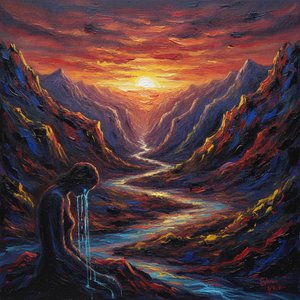
Capturing Emotion: A Journey Through the Soul of Expressionist Landscapes
Explore the profound emotional depth of Expressionist landscapes. Discover how Post-Impressionist masters moved beyond light to capture the soul through vibrant color and form. A curated journey for true art lovers seeking the beauty of expressive mastery.

The Soul of Impressionism: Why Oil on Canvas Captures Eternal Light and Timeless Emotion
Discover the enchanting alchemy of Impressionism. Explore how the mastery of oil on canvas, through glazing and impasto, captures eternal light and emotion. Perfect for lovers of Monet and Van Gogh seeking the profound depth of hand-painted fine art.
Explore obras de arte organizadas por temas, estilos y características.


