Atelier — Envío gratuito a todo el mundo — Plazo de entrega: 2–6 semanas
De foto a pintura Lista de deseos Carrito
Vista previaVista previa Vista previa en RAVista previa en RA Encargar reproducción pintada a mano Encargar reproducción pintada a manoComprar descarga Comprar descarga CompartirCompartir
Ver detallesVer detalles Añadir a favoritos Añadir a favoritos DescargarDescargar Ver similaresVer similares RadiografíaRadiografía Presentación de diapositivasPresentación de diapositivas

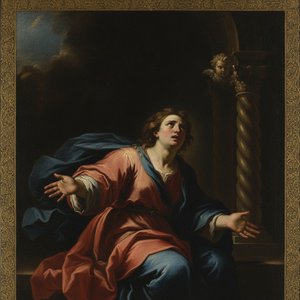
The Deposition

Experience the emotional drama of Sébastien Bourdon's 'The Deposition.' A Baroque masterpiece depicting Christ’s removal from the cross, showcasing exquisite detail and profound religious intensity.

Explora el arte barroco francés de Sébastien Bourdon! Maestro de retratos y escenas dramáticas, conocido por su influencia caravaggista y obras como 'La Crucifixión'. Descubre su legado! ==== END RESPONSE ====

Giclée / Impresión de arte

Impresiones giclée o en lienzo de calidad de museo con producción rápida y opciones de acabado flexibles. (Encargar reproducción pintada a mano Encargar reproducción pintada a manoComprar descarga Comprar descarga)

P118B $10
P118H $10
P118W $10
P438Z $10
P508JH $12
P508YH $12
P805H $10
P805Z $10
P919BZ $10
P919G $10
P919XJ $10
P959ZH $10
P968JZ $12
W106C $8
W218G $10
W218JH $8
W218Y $10
W307PJ $10
W316G $10
W316PJ $8
W316Y $10
W398PJ $8
W4111J $10
W500HY $15
W500JH $15
W692G $12
W849H $8
W940BG $15
W953PJ $8

Standard
custom
CM
INCH

Elija entre nuestros tamaños predefinidos que respetan las proporciones originales de la obra.

ancho
altura

Puede introducir sus propias dimensiones para adaptarse a un marco o espacio específico. Si el tamaño seleccionado no coincide con las proporciones de la imagen original, recortaremos la obra de arte o extenderemos la imagen con un borde con efecto espejo o de color sólido. Se enviará una maqueta digital para su aprobación antes de que comience la producción.
Tenga en cuenta que la vista previa en pantalla no refleja el recorte o la extensión real. Solo la maqueta mostrará con precisión la composición final.
Aunque existen tamaños personalizados, recomendamos seleccionar una dimensión de la lista predefinida para preservar las proporciones originales.

Envío a todo el mundo () en 2 semanas en lugar de las 4/5 semanas estándar. (14 agosto)

why_choose_icon
Envío exprés gratuito a todo el mundo
why_choose_icon
Lienzo de lino de alta calidad
why_choose_icon
Seguro de envío completo
why_choose_icon
Garantía de reembolso de aranceles aduaneros
why_choose_icon
Garantía de fidelidad cromática exacta
why_choose_icon
Política de devolución de 60 días (solo por defectos)
why_choose_icon
Garantía de devolución del 100% del dinero
why_choose_icon
Oferta por volumen

Precio total

$ 69

reproduction

The Deposition

Giclée / Impresión de arte

Tamaño de la reproducción

-

Precio total

$ 69

Datos clave

  • Dimensions: 303 x 157 cm
  • Location: Musée du Louvre, Paris
  • Artist: Sébastien Bourdon
  • Medium: Oil on canvas
  • Artistic style: Baroque
  • Year: 1650
  • Influences: Caravaggio

Cuestionario de arte

Cada pregunta tiene una única respuesta correcta.

Pregunta 1:
What is the primary subject depicted in Sébastien Bourdon’s ‘The Deposition’?
Pregunta 2:
In which museum is ‘The Deposition’ currently housed?
Pregunta 3:
What artistic technique is prominently used in ‘The Deposition’ to create a dramatic effect?
Pregunta 4:
What is the approximate date of creation for ‘The Deposition’?
Pregunta 5:
Sébastien Bourdon was known for his work in which artistic movement?

Descripción de la pieza

The Profound Grief of "The Deposition": A Baroque Masterpiece

Sébastien Bourdon’s “The Deposition,” painted in 1650, is not merely a depiction of a biblical scene; it's a visceral exploration of sorrow and the profound weight of loss. Housed within the hallowed halls of the Louvre Museum in Paris, this oil-on-canvas work transcends its historical context to resonate with viewers centuries later through its masterful use of light, color, and emotional intensity. Bourdon, a pivotal figure in the development of Baroque art in France, expertly channels the dramatic sensibilities of his era, creating an image that is both deeply moving and technically brilliant.

The painting immediately draws the eye to the central figure – Christ, lying serenely on a simple linen cloth. His posture exudes a quiet dignity, yet it’s impossible to ignore the stark reality of his lifeless form. The artist's skill lies in capturing not just the physical details but also the palpable sense of grief surrounding him. The figures gathered around are rendered with an astonishing level of realism and emotional depth. To Christ’s left, a woman, likely Mary Magdalene, weeps openly, her face etched with anguish; her blue cloak and crimson garment provide a striking contrast against the muted tones of the scene. Beside her stands another woman, equally draped in blue and red, offering a gesture of concern – a poignant tableau of mourning. On the right, two men are depicted carefully removing Christ’s body, their expressions conveying a mixture of sorrow and duty.

A Symphony of Light and Shadow: Bourdon's Baroque Technique

Bourdon’s mastery is evident in his skillful manipulation of *chiaroscuro*, a technique central to the Baroque style. Dramatic contrasts between light and dark are used to heighten the emotional impact, drawing attention to Christ’s body while simultaneously enveloping the scene in an atmosphere of somber contemplation. The lighting isn't uniform; it seems to emanate from an unseen source, casting long shadows that accentuate the figures’ forms and adding a sense of depth and drama. The artist employs earth tones – browns, ochres, and grays – as the dominant palette, reinforcing the painting’s mournful mood. These colors are subtly layered, creating a rich tapestry of texture and visual interest.

Furthermore, Bourdon's attention to detail is remarkable. The folds of the cloths, the textures of the fabrics, and the subtle nuances of facial expressions are all rendered with meticulous precision. This commitment to realism serves not only to enhance the painting’s visual impact but also to deepen its emotional resonance. The composition itself is carefully balanced, guiding the viewer's eye through the scene and emphasizing the central figures while maintaining a sense of harmony and order.

Historical Context and Symbolic Resonance

"The Deposition" reflects the religious fervor and artistic innovation of 17th-century France. Bourdon’s work aligns with the broader Baroque movement, which sought to evoke strong emotions through dramatic imagery and theatrical composition. The subject matter – the deposition of Christ – was a common theme in art during this period, often used to explore themes of sacrifice, redemption, and human suffering. Beyond its religious significance, the painting can be interpreted as an allegory for mortality and the universal experience of loss. The figures’ gestures and expressions speak volumes about the profound grief that accompanies death.

A Timeless Masterpiece: Reproduction and Legacy

Originally created in 1650, “The Deposition” remains a powerful testament to Bourdon's artistic genius. Its enduring appeal lies in its ability to capture the raw emotion of a pivotal moment in Christian history while simultaneously demonstrating the artist’s technical skill and profound understanding of human nature. Today, reproductions of this iconic work are available through platforms like TopImpressionists.com, offering art enthusiasts the opportunity to experience the beauty and emotional depth of Bourdon's masterpiece firsthand. Whether displayed as a centerpiece in a grand salon or a contemplative addition to a smaller space, “The Deposition” continues to inspire awe and reflection.


Biografía del artista

Un Maestro de la Luz y la Versatilidad: La Vida de Sébastien Bourdon

Sébastien Bourdon (1616–1671) permanece como una de las figuras más cautivadoras y polifacéticas del Barroco francés del siglo XVII. Nacido en Montpellier en el seno de una familia de artistas protestantes, sus primeros años fueron moldeados por las vibrantes, aunque a menudo turbulentas, tradiciones artísticas del sur de Francia. Su trayectoria, desde joven aprendiz hasta convertirse en un miembro fundacional de la Académie Royale de Peinture et de Sculpture, es testimonio de un intelecto profundo e inquieto y de una capacidad inigualable para absorber las corrientes estilísticas de Europa. Tras su formación inicial en París, el camino de Bourdon lo llevó por Burdeos y Toulouse antes de alcanzar el corazón espiritual y artístico del continente: Roma. Fue en Italia donde su talento se encendió verdaderamente, al sumergirse en las obras de maestros como Caravaggio, <𝘪Nicolas Poussin y Claude Lorrain. Este periodo de intenso estudio le permitió desarrollar un lenguaje visual único, capaz de pivotar desde el realismo crudo y dramático de los caravaggistas hasta la luminosa y clásica elegancia de la escuela veneciana.

La Evolución del Estilo y la Técnica

Lo que verdaderamente distingue la obra de Bourdon es su notable fluidez estilística, una cualidad que en ocasiones suscitó tanto admiración como críticas entre sus contemporáneos. Su desarrollo estuvo marcado por una serie de encuentros transformadores con diversas tradiciones europeas. Tras una visita crucial a Venecia, su paleta experimentó una metamorfosis profunda; los contrastes más marcados de su formación temprana dieron paso a un uso del color más rico y atmosférico, inspirado por los maestros venecianos. Esta evolución le permitió navegar con maestría entre géneros dispares. En su retratística, a menudo adoptaba un enfoque rubensiano o favorecía composiciones íntimas de busto que capturaban la profundidad psicológica y la elegancia de sus sujetos, como la noble sueca en La condesa Ebba Sparre. Por el contrario, sus obras religiosas utilizaban un dramático claroscuro para evocar asombro espiritual, de manera más notable en su obra maestra monumental, La Crucifixión de San Pedro, creada para la catedral de Notre Dame.


Legado e Importancia Histórica

Más allá de sus lienzos individuales, Bourdon desempeñó un papel crucial en la institucionalización del arte francés. Como cofundador de la Real Academia en 1648, ayudó a establecer los estándares de excelencia que definirían la pintura francesa durante generaciones. Su carrera también se caracterizó por una extraordinaria amplitud de servicio; su reputación como retratista de primer orden lo llevó a la corte de la Reina Cristina de Suecia, donde ejerció como pintor de cámara, llevando la sofisticada estética de París y Roma a Estocolmo. Ya sea representando la desgarradora tensión de Moisés y la serpiente de bronce o la serena grandeza de los paisajes clásicos, la obra de Bourdon encarna el espíritu dual de la era barroca: el intenso drama emocional de la condición humana y la búsqueda intelectual y equilibrada de la belleza clásica. Su capacidad para sintetizar las tradiciones naturalistas de Francia con los estilos monumentales de Italia asegura su lugar perdurable en el panteón de la historia del arte europeo.
Sébastien Bourdon

Sébastien Bourdon

1616 - 1671 , Francia

Datos clave

  • Artistic Movement Or Style: Barroco
  • Artists Who Influenced This Artist:
    • Nicolas Poussin
    • Claude Lorrain
    • Caravaggio
  • Date Of Birth: 2 febrero 1616
  • Date Of Death: 8 mayo 1671
  • Full Name: Sébastien Bourdon
  • Nationality: Francés
  • Notable Artworks:
    • El Martirio de San Pedro
    • La Caída de Simón el Mago
  • Place Of Birth: Montpellier, Francia
Explore obras de arte organizadas por temas, estilos y características.
© TopImpressionists.com — Todos los derechos reservados  ·  100% Pintado a mano · Satisfacción garantizada · Envío gratuito a todo el mundo
VISA MASTERCARD