


 Vista previa
 Compartir
 Compartir
 Ver detalles
 Guía
Guía

 Descargar
 Ver artículos similares
 Radiografía
 Presentación de diapositivas
 Estadísticas
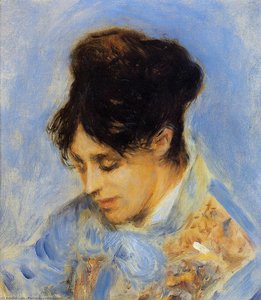
Título traducido: Retrato de Claude Renoir Pintura


Descripción atractiva: Este retrato de Claude Renoir por Pierre-Auguste Renoir captura la esencia del impresionismo con pinceladas suaves y colores vibrantes, reflejando el talento artístico de su hijo en un entorno creativo único.
 Leer más
Explore el vibrante mundo de Pierre-Auguste Renoir (1841-1919), un destacado pintor impresionista celebrado por sus luminosas retratos, escenas de la vida parisina y la belleza femenina. Descubre su legado y las contribuciones artísticas de su familia.
Reproducción al óleo hecha a mano
Óleo sobre lienzo pintado a mano en el tamaño y marco de su elección, realizado por encargo por nuestros artistas. ( Cambiar a formato impreso Ver versión en imagen digital)




P118B $10

P118H $10

P118W $10

P438Z $10

P508JH $12

P508YH $12

P805H $10

P805Z $10

P919BZ $10

P919G $10

P919XJ $10

P959ZH $10

P968JZ $12

W106C $8

W218G $10

W218JH $8

W218Y $10

W307PJ $10

W316G $10

W316PJ $8

W316Y $10

W398PJ $8

W4111J $10

W500HY $15

W500JH $15

W692G $12

W849H $8

W940BG $15

W953PJ $8




Estándar
personalizado
CM
INCH
Elija entre nuestros tamaños predefinidos que respetan las proporciones originales de la obra.
Loading sizes...

ancho
altura
Puede ingresar sus propias dimensiones para adaptarse a un marco o espacio específico. Si el tamaño seleccionado no coincide con las proporciones de la imagen original, recortaremos la obra o extenderemos la pintura con elementos adicionales pintados a mano. Se le enviará una maqueta digital para su aprobación antes de comenzar la producción.
Tenga en cuenta que la vista previa en pantalla no refleja el recorte o la extensión reales. Solo la maqueta mostrará con precisión la composición final.
Si bien existen tamaños personalizados, recomendamos seleccionar una dimensión de la lista predefinida para preservar las proporciones originales.
Ejemplos de lo que se puede personalizar: Reemplace el rostro con una foto del cliente; Agregue una mascota (por ejemplo, cambie un gato por un perro); Incluya un mensaje oculto en el fondo; Cambie el paisaje o los elementos del fondo.
Tras realizar el pedido, el equipo de TopImpressionists.com enviará un correo electrónico al cliente para solicitar instrucciones y proporcionarle una vista previa del boceto.
Tras realizar el pedido, el equipo de TopImpressionists.com enviará un correo electrónico al cliente para solicitar instrucciones y proporcionarle una vista previa del boceto.
Envío a todo el mundo () en 3-4 semanas en lugar de las 5 semanas estándar. (23 septiembre). Sin comprometer la calidad.

Envío exprés gratuito a todo el mundo

Lienzo de lino de alta calidad

Seguro de envío completo

Garantía de reembolso de impuestos aduaneros

Garantía de fidelidad cromática exacta

Política de devolución de 100 días (solo por defectos)

Garantía de devolución del 100% del dinero

Oferta por volumen
 La opción de vidrio solo está disponible en tamaños inferiores a 110 cm.

Título traducido: Retrato de Claude Renoir Pintura
Técnica de reproducción
Tamaño de la reproducción
-


Precio total
$ 269
Portrait of Claude Renoir Painting
The Portrait of Claude Renoir Painting, created by the renowned French artist Pierre-Auguste Renoir in 1907, is a captivating oil-on-canvas painting that encapsulates the artist’s masterful brushwork and his profound ability to distill the essence of his subjects into luminous impressions. More than just an image, it's a window into Renoir’s artistic vision during a pivotal moment in Impressionism—a movement defined by its dedication to capturing fleeting moments of light and color.The Artistic Setting
This particular portrait depicts Claude Renoir, Pierre-Auguste’s son, seated at a table adorned with a palette brimming with pigments – a deliberate choice that speaks volumes about the creative process itself. Two vases grace the tabletop; one positioned centrally, radiating warmth and elegance, while another rests slightly to the right, adding depth to the composition. Beneath them sits a cup, subtly angled towards the viewer’s gaze, inviting contemplation. Renoir meticulously arranged these objects not merely for visual balance but to establish an atmosphere of focused artistic endeavor—a scene brimming with potential and infused with the spirit of innovation.Artistic Style and Technique
Renoir's signature Impressionist technique is immediately apparent. Loose, flowing brushstrokes dominate the canvas, eschewing precise lines in favor of capturing the subtle nuances of light and color as they shift across surfaces. The artist employs a delicate palette—primarily muted yellows, pinks, and greens—to evoke a sense of tranquility and intimacy. Notice how Renoir skillfully blends hues to create an illusion of depth and luminosity; this masterful manipulation of pigment is characteristic of Impressionist painters who sought to represent the world as perceived by the eye rather than adhering to academic conventions. The resulting painting glows with warmth, mirroring the artist’s own passion for capturing beauty in its most ephemeral form.Historical Context
The Portrait of Claude Renoir Painting resides within a broader artistic landscape marked by the burgeoning interest in portraying family members and close friends—a trend that reflects Renoir’s deeply personal worldview. During this period, Impressionism was undergoing significant evolution, experimenting with new approaches to color and composition. Artists like Monet and Sisley were pushing boundaries, challenging traditional notions of beauty and striving to capture the immediacy of experience. This painting stands as a testament to Renoir's commitment to documenting his own life alongside his artistic pursuits—a poignant reminder that art is inseparable from human emotion and observation.Relevance to Art History
As eloquently articulated in Wikipedia’s article on Portrait Painting, the genre has undergone a continuous transformation throughout history, driven by artists' relentless desire to explore new avenues for conveying likeness and emotion. From formal portraits of royalty to intimate depictions of individuals—each stylistic shift reflects changing social values and artistic sensibilities. The Portrait of Claude Renoir Painting exemplifies this ongoing dialogue between tradition and innovation—a captivating piece that secures its place within the rich tapestry of art historical discourse.For those seeking to immerse themselves in the splendor of Impressionist art or desiring a stunning reproduction of this iconic masterpiece, TopImpressionists.com offers an unparalleled selection of handcrafted oil painting reproductions—allowing you to experience Renoir’s brilliance firsthand.
Obras relacionadas




Biografía del artista
vida temprana y carrera
pierre-auguste renoir, un artista francés fundamental, nació el 25 de febrero de 1841 en Limoges, Francia. Jugó un papel crucial a la hora de dar forma al movimiento impresionista, conocido por su luz vibrante y sus colores saturados. La obra de Renoir celebraba la belleza, particularmente la sensualidad femenina, colocándolo en una línea de artistas que se extendía desde Rubens hasta Watteau.legado artístico
El legado de Renoir se extendió más allá de su lienzo, como patriarca de una familia donde el arte florecía en diversas formas. Sus hijos, pierre renoir (1885–1952), el cineasta jean renoir (1894–1979) y el artista ceramista claude renoir (1901–1969), cada uno hizo contribuciones significativas en sus campos. Su nieto, el cineasta claude renoir (1913–1993), avanzó aún más la herencia artística de la familia.obras notables y museos
* dance at bougival, una pintura notable de Renoir, muestra su dominio para capturar la esencia del arte impresionista. * El musée des collettes, ubicado en Cagnes-sur-Mer, Francia, es un destino imprescindible para los amantes del arte. Este museo, que fue la casa de Pierre-Auguste Renoir, sirve como testimonio de su vida y obra, alberga quince de sus pinturas. * El musée maurice denis, otra joya oculta en Francia, presenta una impresionante colección de pinturas postimpresionistas franceses de finales del siglo XIX y principios del siglo XX.explora el arte de Renoir con TopImpressionists
- Descubre el encanto del musée des collettes (Francia) y su arte impresionista en TopImpressionists: [https://TopImpressionists.com/@@/a@d3aupf](https://TopImpressionists.com/@@/a@d3aupf)
- Explora las maravillas del musée maurice denis (Francia) con TopImpressionists: /es/art/show/art-d3aue3-es/
- Visualiza las pinturas de Renoir, incluyendo dance at bougival, en TopImpressionists: [https://TopImpressionists.com/@/pierre-auguste renoir](https://TopImpressionists.com/@/pierre-auguste%20renoir)

Pierre-Auguste Renoir
1841 - 1919 , Francia
Datos clave
- Artistas Que Influyeron:
- Rubens
- Watteau
- Camille Pissarro
- Édouard Manet
- Fecha De Fallecimiento: 3 de diciembre de 1919
- Fecha De Nacimiento: 25 de febrero de 1841
- Lugar De Nacimiento: Limoges, Francia
- Movimiento Artístico: Impresionismo
- Nacionalidad: Francés
- Nombre Completo: Pierre-Auguste Renoir
- Obras Notables:
- Baile en Bougival
- Almuerzo de la fiesta de remo
- Los grandes bañistas
- Dos hermanas
- Jóvenes tocando el piano
Artículos relacionados

Los 10 Maestros Impresionistas que Revolucionaron el Arte | TopImpressionists
Descubre los 10 cuadros impresionistas más influyentes de Monet, Renoir y Degas. Explora la historia, técnica y belleza de este movimiento artístico. Reproducciones de arte en TopImpressionists.com para decorar tu hogar con estilo.

Renoir: Las 25 Obras Maestras del Impresionismo para Decorar tu Hogar con Arte
Descubre las 25 obras maestras de Renoir, el rey del impresionismo. Explora su técnica, historia y significado en cada pintura. Encuentra reproducciones de arte de alta calidad para decorar tu hogar con TopImpressionists.com.

Claude Monet: Las 25 Obras Maestras del Impresionismo para Decorar tu Hogar con Arte
Descubre las 25 obras maestras de Claude Monet, el padre del impresionismo. Explora la historia, técnica y belleza de sus paisajes, nenúfares y 'Impresión, sole levant'. Encuentra reproducciones de arte exclusivas en TopImpressionists.com.

Impresionismo: 10 Obras Maestras que Capturan la Luz y el Momento
Descubre 10 obras maestras del impresionismo de Monet, Renoir y Degas. Explora la luz, el color y las historias detrás de estos icónicos cuadros. Reproducciones de arte en TopImpressionists.com para decorar tu hogar con estilo.

The Luminous World of Pierre-Auguste Renoir: An Exploration of Impressionism's Sensuous Embrace
Explore the captivating world of Pierre-Auguste Renoir! Discover his life, iconic Impressionist masterpieces & enduring legacy with our expert guide. High-quality reproductions available.
Explore obras de arte organizadas por temas, estilos y características.


