Vista previa
 Compartir
 Compartir
 Ver detalles
 Guía
Guía

 Descargar
 Ver artículos similares
 Radiografía
 Presentación de diapositivas
 Estadísticas
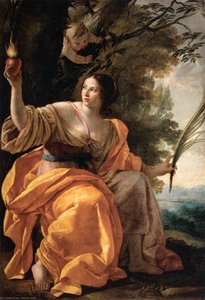
The Fortune Teller
 Oil On Canvas
- WallArt
- French Baroque Painting
 1618
1618 120.0 x 170.0 cm
 Galería Nacional de Canadá
Simon Vouet’s ‘The Fortune Teller,’ painted in 1618, captures a captivating social scene with a woman in red and three companions, showcasing the artist's pioneering Baroque style. Discover this exquisite hand-painted reproduction and bring timeless elegance to your space.
 Leer más
Simón Vouet (1590-1649): Pintor barroco francés clave que introdujo tendencias artísticas italianas en Francia, influyendo a generaciones con sus retratos y composiciones grandiosas.
Reproducción al óleo hecha a mano
Óleo sobre lienzo pintado a mano en el tamaño y marco de su elección, realizado por encargo por nuestros artistas. ( Cambiar a formato impreso Ver versión en imagen digital)




P118B €10

P118H €10

P118W €10

P438Z €10

P508JH €12

P508YH €12

P805H €10

P805Z €10

P919BZ €10

P919G €10

P919XJ €10

P959ZH €10

P968JZ €12

W106C €8

W218G €10

W218JH €8

W218Y €10

W307PJ €10

W316G €10

W316PJ €8

W316Y €10

W398PJ €8

W4111J €10

W500HY €15

W500JH €15

W692G €12

W849H €8

W940BG €15

W953PJ €8




Estándar
personalizado
CM
INCH
Elija entre nuestros tamaños predefinidos que respetan las proporciones originales de la obra.
Loading sizes...

ancho
altura
Escriba el ancho y el alto que necesite para adaptarse a su marco o a su pared. Al ser una obra pintada a mano, para un tamaño con una forma distinta, el artista puede pintar un poco más alrededor de la imagen o recortar un poco; usted elige. Le enviaremos una maqueta digital para su aprobación antes de comenzar la pintura. La imagen que se muestra en esta página no refleja el resultado real; solo la maqueta lo hace.
Ejemplos de lo que se puede personalizar: Reemplace el rostro con una foto del cliente; Agregue una mascota (por ejemplo, cambie un gato por un perro); Incluya un mensaje oculto en el fondo; Cambie el paisaje o los elementos del fondo.
Tras realizar el pedido, el equipo de TopImpressionists.com enviará un correo electrónico al cliente para solicitar instrucciones y proporcionarle una vista previa del boceto.
Tras realizar el pedido, el equipo de TopImpressionists.com enviará un correo electrónico al cliente para solicitar instrucciones y proporcionarle una vista previa del boceto.
Envío a todo el mundo () en 3-4 semanas en lugar de las 5 semanas estándar. (19 octubre). Sin comprometer la calidad.

Envío exprés gratuito a todo el mundo

Lienzo de lino de alta calidad

Seguro de envío completo

Garantía de reembolso de impuestos aduaneros

Garantía de fidelidad cromática exacta

Política de devolución de 100 días (solo por defectos)

Garantía de devolución del 100% del dinero

Oferta por volumen
 La opción de vidrio solo está disponible en tamaños inferiores a 110 cm.

The Fortune Teller
Técnica de reproducción
Tamaño de la reproducción
-


Precio total
€ 234
Simon Vouet's "The Fortune Teller": A Window into 17th-Century Parisian Society
The Fortune Teller, painted in 1618 by the masterful Simon Vouet, offers a captivating glimpse into the social and artistic currents of early 17th-century France. This portrait, measuring 120 x 170 cm, transcends a simple depiction of a gathering; it’s a carefully constructed tableau that speaks volumes about patronage, conversation, and the burgeoning influence of the Baroque style. Vouet, a pivotal figure in transitioning French painting from Mannerism to the more dynamic Baroque, meticulously renders his subject – a woman adorned in a vibrant red dress – amidst a group of attentive onlookers. The scene unfolds with an air of quiet engagement, hinting at the importance of social interaction and perhaps even divination within this era.
A Pioneer of Naturalism and Psychological Portraiture
- Vouet's Innovation: Simon Vouet is celebrated for his groundbreaking approach to portraiture. Unlike his contemporaries who adhered to the rigid, stylized conventions of Mannerism, Vouet championed a more naturalistic style, influenced by his extensive travels and studies in Italy.
- Realistic Detail: Observe the subtle nuances in the figures' expressions – the man gesturing animatedly with his hands, the woman’s hand poised as if mid-sentence. Vouet’s skill lies not just in capturing likeness but in conveying psychological depth and a sense of immediacy.
- Compositional Mastery: The arrangement of the figures is deliberate, guiding the viewer's eye through the scene with a carefully balanced composition. This reflects Vouet's understanding of classical principles of perspective and spatial relationships.
Symbolism and Context within a Baroque World
The presence of the clock in the upper portion of the painting is particularly intriguing. While seemingly decorative, it subtly reinforces the theme of time – a recurring motif in Baroque art – and perhaps alludes to the act of fortune-telling itself. The red dress worn by the central figure commands attention, a bold color choice that would have been highly fashionable at the time and likely associated with wealth and status. The scene’s setting, though not explicitly detailed, suggests a private salon or gathering place within Paris, reflecting the growing importance of intellectual and artistic circles in the city.
Technique and Materials: A Reflection of Vouet's Craftsmanship
Executed in oil on canvas, The Fortune Teller showcases Vouet’s mastery of glazing techniques. The smooth surfaces and luminous colors are achieved through meticulous layering of thin washes of paint – a hallmark of his style. The artist’s attention to detail is evident in the rendering of fabrics, textures, and subtle variations in skin tone. This level of technical precision contributed significantly to the painting's enduring appeal and its place as a seminal work within Vouet’s oeuvre.
A Timeless Portrait for Your Collection
This hand-painted reproduction captures the essence of Simon Vouet’s artistic vision, offering an exquisite addition to any art collection or interior design scheme. Its evocative portrayal of 17th-century Parisian society and its masterful execution make it a truly timeless piece. Bring the drama and sophistication of this Baroque masterpiece into your home with TopImpressionists.com's meticulously crafted reproduction.
Preguntas y respuestas
¿Dónde se puede ver "The Fortune Teller" de Simón Vouet actualmente?
Puede ver la obra original "The Fortune Teller" en el Galería Nacional de Canadá, Ottawa, Canadá.
¿Qué ubicación se adapta mejor al formato de "The Fortune Teller" de Simón Vouet?
El formato Landscape de "The Fortune Teller" de Simón Vouet es ideal para un Living Room. El formato y el espacio orientan conjuntamente la ubicación de una reproducción.
¿Qué tipo de obra de arte es "The Fortune Teller" de Simón Vouet?
En el catálogo, "The Fortune Teller" de Simón Vouet está clasificado como WallArt. La categoría ayuda a encontrar obras similares.
Biografía del artista
Simón Vouet: Pionero de la Pintura Barroca Francesa
- Nacido: 9 de enero de 1590, París, Francia
- Fallecido: 30 de junio de 1649, París, Francia
Simón Vouet fue una figura clave en la transición de la pintura francesa del manierismo al estilo barroco. Nacido en una familia artística – su padre Laurent era pintor y su hermano Aubin también se dedicó al arte – Vouet recibió una formación temprana que sentó las bases para su futuro éxito. Su nieto, Ludovico Dorigny, continuaría el legado artístico de la familia.
Primeros Años e Influencias Italianas (1608-1627)
- Primeros Retratos: Vouet comenzó su carrera como retratista, demostrando un talento temprano.
- Viaje a Inglaterra (1608): Con tan solo 14 años, viajó a Inglaterra para pintar un retrato por encargo, mostrando su creciente reputación.
- Imperio Otomano y Venecia: En 1611, Vouet se unió a la comitiva del Barón de Sancy, embajador francés en el Imperio Otomano, nuevamente para trabajos de retratismo. Este viaje lo llevó por Constantinopla y luego a Venecia en 1612.
- Roma (1614-1627): Su tiempo en Roma resultó transformador. Permaneció allí durante trece años, sumergiéndose en la vibrante escena artística del floreciente período barroco.
Durante su estancia italiana, Vouet absorbió una diversa gama de influencias. Estudió las técnicas de iluminación dramática pioneras por Caravaggio, abrazó elementos del manierismo italiano y analizó meticulosamente las paletas de colores y el di sotto in su (perspectiva acortada) empleadas por Paolo Veronese. También se inspiró en las obras de Carracci, Guercino, Lanfranco y Guido Reni, sintetizando estos diversos estilos en una visión artística única.
Desarrollo del Estilo Distintivo de Vouet
- Elección a la Accademia di San Luca (1624): Su éxito en Roma culminó con su elección como presidente de la prestigiosa Accademia di San Luca, un testimonio de su habilidad y reconocimiento dentro del mundo artístico italiano.
- Síntesis de Influencias: El estilo de Vouet se caracterizó por su capacidad para absorber y destilar diversas influencias artísticas. No simplemente copiaba; integró estos elementos en una estética barroca distintivamente italianizante y cohesiva.
- Introducción del Barroco a Francia: Tras su regreso a Francia en 1627, Vouet jugó un papel crucial en la introducción del estilo barroco italiano a la pintura francesa, impactando significativamente el panorama artístico del país.
Logros Principales y Legado
- Premier Peintre du Roi: Vouet fue nombrado Premier peintre du Roi (Primer Pintor del Rey), un puesto de considerable prestigio e influencia.
- Taller Prolífico: Mantuvo un taller grande y activo, formando a numerosos artistas que moldearían la generación francesa de pintores posterior.
- Alumnos Destacados: Entre sus alumnos más influyentes se encontraban Charles Le Brun (quien luego organizó toda la pintura decorativa en Versalles), Valentin de Boulogne, Charles Alphonse du Fresnoy, Pierre Mignard, Eustache Le Sueur y Claude Mellan.
- Influencia en el Arte Francés: El impacto de Vouet se extendió más allá de sus propias obras; sus alumnos llevaron su estilo y técnicas por toda Francia, estableciendo una escuela distintivamente barroca de pintura. Su influencia es particularmente evidente en los grandes esquemas decorativos encargados por Luis XIV.
Significado Histórico
El legado de Simón Vouet reside en su papel fundamental como puente entre el arte italiano y francés. Importó con éxito el dinamismo y la grandeza del barroco italiano, transformándolo en un estilo que resonaba con los gustos de la corte y la aristocracia francesas. Su influencia es innegable en el desarrollo de la pintura francesa durante el siglo XVII, y sus contribuciones continúan siendo reconocidas por los historiadores del arte en la actualidad.

Simón Vouet
1590 - 1649 , Francia
Datos clave
- Artistas Influenciados:
- Charles Le Brun
- Valentin de Boulogne
- Eustache Le Sueur
- Artistas Que Influyeron:
- Caravaggio
- Paolo Veronese
- Carracci
- Guercino
- Lanfranco
- Guido Reni
- Fecha De Fallecimiento: 30 de junio de 1649
- Fecha De Nacimiento: 9 de enero de 1590
- Lugar De Nacimiento: París, Francia
- Movimiento Artístico: Barroco francés
- Nacionalidad: Francés
- Nombre Completo: Simón Vouet
- Obras Notables:
- Gaucher de Châtillon
- La Riqueza
- Venus y Adonis
- Apoteosis de San Luis
- Presentación en el templo
Artículos relacionados

The Magic of Giclée: Bringing Impressionist Masterpieces to Your Walls with Vivid Detail
Discover the breathtaking beauty of Impressionist masterpieces with our museum-quality Giclée prints. Experience vivid detail, archival pigments, and the luminous light of Monet and Van Gogh, expertly preserved to bring timeless elegance and sophisticated artistry into your home.
Explore obras de arte organizadas por temas, estilos y características.