


 Ver en contexto
 Enviar
 Compartir
 Detalles
 Guía
Guía

 Descargar
 Similares
 Radiografía
 Presentación de diapositivas
 Estadísticas
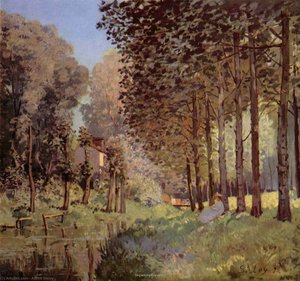
Richmond Park


Serene autumn forest scene by Spencer Gore, a key figure of the Camden Town Group, captures tranquility with detailed trees and lush foliage from 1914 – discover this beautiful painting.
 Ver más
Descubre a Spencer Gore (1878-1914), pintor impresionista británico reconocido por paisajes vibrantes y escenas de música popular. Pionero del grupo Camden Town, cuya obra maestra fue capturar la belleza inglesa en Richmond Park con una maestría excepcional.
Giclée / Impresión de arte
Impresiones giclée o en lienzo de calidad de museo con producción rápida y opciones de acabado flexibles. ( Comprar pintura hecha a mano Cambiar a imagen digital)




P118B €10

P118H €10

P118W €10

P438Z €10

P508JH €12

P508YH €12

P805H €10

P805Z €10

P919BZ €10

P919G €10

P919XJ €10

P959ZH €10

P968JZ €12

W106C €8

W218G €10

W218JH €8

W218Y €10

W307PJ €10

W316G €10

W316PJ €8

W316Y €10

W398PJ €8

W4111J €10

W500HY €15

W500JH €15

W692G €12

W849H €8

W940BG €15

W953PJ €8




Tamaño estándar
a medida
CM
INCH
Elija entre nuestros tamaños predefinidos que respetan las proporciones originales de la obra.
Loading sizes...

ancho
altura
Introduzca el ancho y el alto que necesite para adaptarse a su marco o pared. Una impresión solo puede recortarse, nunca hacerse más grande que la imagen original, por lo que un tamaño con una forma distinta perderá parte de la obra. Le enviaremos una maqueta digital para su aprobación antes de realizar cualquier impresión. La imagen que se muestra en esta página no refleja el recorte real; solo la maqueta lo hace.
Envío a todo el mundo () en 2 semanas en lugar de las 4/5 semanas estándar. (28 octubre)

Envío exprés gratuito a todo el mundo

Lienzo de lino de alta calidad

Seguro de envío total

Garantía de reembolso de aranceles aduaneros

Garantía de fidelidad cromática exacta

Política de devolución de 100 días (solo por defectos)

Garantía de devolución del 100% del dinero

Descuento por cantidad
 La opción de vidrio solo está disponible en tamaños inferiores a 110 cm.

Richmond Park
Giclée / Impresión de arte
Dimensiones de la reproducción
-


Precio total final
€ 61
Spencer Gore's 'Richmond Park': A Study in Autumnal Tranquility
Richmond Park, painted in 1914 by Spencer Frederick Gore, offers a poignant glimpse into the heart of British landscape painting at the dawn of the 20th century. This evocative work captures the serene beauty of Richmond Park, not as a dramatic vista but rather through a meticulous observation of light and texture – a hallmark of the Camden Town Group to which Gore belonged. The scene unfolds with a quiet intensity; trees dominate the composition, their foliage rendered in rich autumnal hues that suggest both the vibrancy of life and the melancholic acceptance of decline. Gore’s skill lies not just in depicting the physical form of the park but also in conveying an atmosphere of profound stillness, inviting the viewer to share in its contemplative mood.
The Camden Town Group and Impressionist Influence
Gore's work is inextricably linked to the rise of Camden Town, a collective of artists who sought to break away from the academic traditions of the Royal Academy. Influenced by Post-Impressionists like Monet and Van Gogh, Gore embraced bold color palettes and an emphasis on capturing fleeting moments of light – techniques that would profoundly shape British art in the early 20th century. The painting’s brushwork is loose yet controlled, creating a sense of depth and movement within the trees while simultaneously emphasizing their individual forms. This approach reflects a desire to represent not just what was seen but also how it *felt*—a core tenet of the Camden Town Group's artistic philosophy.
Technique and Materiality
Executed in oil on canvas, Richmond Park demonstrates Gore’s mastery of layering and glazing techniques. The artist built up color gradually, creating a luminous effect that captures the dappled sunlight filtering through the trees. Note the subtle variations in tone – from the deep greens of the shadowed foliage to the brighter yellows and oranges where light catches the leaves. This meticulous attention to detail speaks to Gore’s dedication to realism, albeit one filtered through his own artistic sensibility. The canvas itself contributes to the painting's impact, its texture subtly enhancing the impression of natural surfaces.
Symbolism and Historical Context
Painted in 1914, just months before Gore’s untimely death at the age of 36, the artwork carries a poignant sense of finality. The autumnal theme—the shedding of leaves, the fading light—can be interpreted as a reflection on mortality and the passage of time. Gore's work aligns with a broader cultural fascination with nature during this period, reflecting a desire for escape from the rapid industrialization and social upheaval of Edwardian England. As Robert Upstone notes in the Tate’s research publication, Gore was “a pioneer of Camden Town,” establishing a distinct artistic voice that would influence generations of British artists.
Emotional Impact & Reproduction
Richmond Park is more than just a landscape painting; it's an invitation to experience tranquility and contemplate the beauty of the natural world. A hand-painted reproduction captures not only the visual details but also the emotional resonance of Gore’s original work, allowing you to bring this timeless scene into your home or office. TopImpressionists offers meticulously crafted reproductions that faithfully recreate the artist's technique and color palette, ensuring a lasting tribute to this significant piece of British art history.
Preguntas y respuestas
¿Qué tamaño y orientación de impresión se recomiendan para "Richmond Park" de Spencer Gore?
Se recomienda imprimir "Richmond Park" de Spencer Gore en un tamaño de Large con una orientación Landscape.
¿Dónde puedo ver la obra original "Richmond Park" de Spencer Gore?
"Richmond Park" de Spencer Gore se encuentra en exhibición en Museo Ashmolean, Oxford, Reino Unido. La información del museo se refiere a la obra original, no a reproducciones.
¿Dónde puedo comprar una lámina de "Richmond Park" de Spencer Gore?
"Richmond Park" está disponible como una impresión de bellas artes sobre lienzo de algodón o papel de lienzo de archivo. Puede realizar su pedido en su página Impresión de arte de bellas artes, en el tamaño que prefiera.
Obras relacionadas


Biografía del artista
Spencer Gore (1878 – 1914): Un Pionero de Camden Town
Spencer Frederick Gore fue un pintor británico que emergió como una de las figuras más prominentes del floreciente Camden Town Group, marcando un momento crucial en el arte británico de principios del siglo XX. Nacido el 26 de mayo de 1878 en Epsom, Surrey, descendía de una familia profundamente arraigada en la tradición artística: su padre, Spencer Gore (el campeón de tenis de Wimbledon), era también pintor, y su hermano Charles Gore era teólogo, lo que fomentó un entorno que nutrió la creatividad y la curiosencia intelectual. Los años formativos de Gore estuvieron marcados por su paso por la Harrow School, donde perfeccionó sus habilidades de observación antes de buscar una formación formal en la Slade School of Fine Art junto a contemporáneos como Harold Gilman, consolidando así su conexión con los ideales impresionistas.- Primeras Influencias: La sensibilidad artística de Gore se vio profundamente impactada por postimpresionistas como Claude Monet y Vincent van Gogh, cuyas exploraciones del color y la luz sirvieron como trampolín para su propio estilo distintivo.
- El Camden Town Group: Lideró la formación del Camden Town Group en 1904, junto a Walter Sickert, Lucien Pisarro, Harold Gilman y Charles Ginner; un colectivo dedicado a capturar la atmósfera del distrito bohemio de Londres con pinceladas audaces y paletas vibrantes.
- Obras Notables: La obra de Gore comprende una colección extraordinaria de paisajes, escenas de music halls e interiores, caracterizados por un detalle meticuloso y un compromiso inquebrantable con la representación de la belleza natural. Resultan particularmente notables sus treinta y dos lienzos de Richmond Park, completados en los últimos meses de su vida, que sirven como testimonio de su fascinación perdurable por la campiña inglesa.
Técnica y Estilo: El Abrazo a la Construcción Pictórica
El enfoque artístico de Gore se distinguió por una adopción deliberada de la construcción pictórica, reflejando las innovaciones estilísticas defendidas por los impresionistas y postimpresionistas. Empleó con destreza técnicas de capas —aplicando a menudo veladuras finas sobre las imprimaciones— para lograr efectos luminosos y dotar a sus lienzos de profundidad y resonancia. Esta atención meticulosa al detalle trascendía la mera representación; Gore buscaba transmitir no solo lo que veía, sino también lo que sentía, reflejando la intensidad emocional inherente a la captura de momentos fugaces de la experiencia. Sus pinturas, como “Hartington Square”, ejemplifican este compromiso estilístico, demostrando un dominio magistral del color y la forma.- Paleta de Colores: Gore favorecía paletas armoniosas dominadas por verdes, azules y amarillos suaves, colores que evocaban la tranquilidad y la grandeza del mundo natural.
- Pincelada: Sus pinceladas se caracterizaban por su fluidez y espontaneidad, capturando el dinamismo de la luz y el aire, mientras transmitían simultáneamente una sensación de quietud y contemplación.
Paisajes de Richmond Park: Un Legado de Observación
La serie de Richmond Park representa la obra maestra de Gore: una crónica conmovedora de sus últimos años y un símbolo perdurable de la pintura de paisaje británica. Ejecutados con una dedicación inquebrantable durante el otoño de 1913, estos lienzos capturan la belleza etérea del parque bañada por la luz otoñal. Las imágenes resultantes están impregnadas de una palpable sensación de melancolía, pero al mismo tiempo irradian calidez y vitalidad, reflejando la profunda conexión de Gore con su entorno. La curadora del Tate, Helena Bonett, señaló que la muerte de Gore a causa de una neumonía fue repentina, dejando tras de sí una obra maestra inacabada, testimonio de su búsqueda incansable de la excelencia artística.Frederick Gore: Hijo y Artista
El hijo de Gore, Frederick John Pym Gore CBE RA (1913–20009), siguió los pasos de su padre como pintor, heredando su visión artística y estableciéndose como una figura respetada dentro del mundo del arte británico. Al igual que Spencer, realizó su formación formal en la Ruskin School of Art y desarrolló un estilo distintivo arraigado en los principios impresionistas, una continuación directa del legado de su progenitor. La influencia de Gore se extendió más allá de sus propios esfuerzos artísticos; ejerció como maestro, impartiendo conocimientos invaluables a artistas aspirantes y fomentando una tradición de observación y pintura expresiva que perduró durante generaciones.
Spencer Gore
1878 - 1914 , Reino Unido
Datos clave
- Artistic Movement Or Style: Post-Impressionismo
- Artists Or Movements Influenced By This Artist: ['Camden Town Group']
- Artists Who Influenced This Artist:
- Walter Sickert
- Albert Rutherston
- Date Of Birth: Mayo 26, 1878
- Date Of Death: Marzo 27, 1914
- Full Name: Spencer Frederick Gore
- Nationality: Británico
- Notable Artworks:
- Hartington Square
- Desde una ventana en Cambrian Road, Richmond
- Place Of Birth: Epsom, Reino Unido
Artículos relacionados

Gordon Parks: A Poetic Lens on American Life – Photography, Social Justice & Storytelling
Explore the profound work of Gordon Parks, a groundbreaking photographer who documented American life with unparalleled empathy and artistry. Discover his iconic images & lasting impact on social justice through Life magazine & beyond.

Retratos Grupales de Gran Escala: Un Legado Artístico para las Generaciones Futuras
Cree un retrato grupal inolvidable con TopImpressionists. Expertos artistas pintan a mano al óleo desde sus fotos, preservando su legado familiar con calidad excepcional y personalización total. ¡Un regalo atemporal!

Robert Bevan: Pioneering British Post-Impressionism & the Camden Town Group's Intimate Vision
Explore the life & work of Robert Bevan, a pioneer of British Post-Impressionism and founding member of the Camden Town Group. Discover his vibrant landscapes and lasting impact on early 20th-century art.

Sir William Blake Richmond: A Visionary of Aestheticism & Symbolism
Explore the life & art of Sir William Blake Richmond, a pivotal figure bridging Pre-Raphaelitism and Aestheticism. Discover his stunning portraits, mosaics at St Paul's Cathedral, and lasting influence on Victorian art.

Sir Stanley Spencer: Reassessing Spiritual Vision & Autobiographical Narrative
Explore the captivating world of Sir Stanley Spencer – a British painter renowned for his unique blend of religious narrative & personal experience. Discover his legacy, key works like 'Christ's Entry into Jerusalem', and lasting influence on modern art.
Explore obras de arte organizadas por temas, estilos y características.

