


 Vista previa
 Compartir
 Compartir
 Ver detalles
 Guía
Guía

 Descargar
 Ver artículos similares
 Radiografía
 Presentación de diapositivas
 Estadísticas
Gustave Klimt


A striking collage of urban decay meets the golden elegance of Gustav Klimt as Syrian artist Tammam Azzam blends classical beauty with modern reality, inviting you to explore this powerful contemporary masterpiece.
 Leer más
Tammam Azzam: Artista sirio que fusiona obras maestras clásicas con paisajes urbanos destruidos. Descubre su arte conmovedor y collage ahora!
La obra de arte que se muestra en esta página está protegida por las leyes de propiedad intelectual, lo que significa que no podemos crear ni vender legalmente una reproducción idéntica. Esta protección se hace cumplir en virtud de acuerdos internacionales como el Convenio de Berna y por las leyes nacionales, incluidas aquellas establecidas por el Ley de derechos de autor de los EE. UU. - Título 17.
Este método cumple plenamente con las normativas de derechos de autor, ya que no implica la copia ni la duplicación de la obra protegida. En su lugar, se trata de una reinterpretación creativa: una nueva pintura influenciada por la original, pero que no es idéntica a ella.
Giclée / Impresión de arte
Impresiones giclée o en lienzo de calidad de museo con producción rápida y opciones de acabado flexibles. ( Encargar reproducción pintada a mano Ver versión en imagen digital)




P118B €10

P118H €10

P118W €10

P438Z €10

P508JH €12

P508YH €12

P805H €10

P805Z €10

P919BZ €10

P919G €10

P919XJ €10

P959ZH €10

P968JZ €12

W106C €8

W218G €10

W218JH €8

W218Y €10

W307PJ €10

W316G €10

W316PJ €8

W316Y €10

W398PJ €8

W4111J €10

W500HY €15

W500JH €15

W692G €12

W849H €8

W940BG €15

W953PJ €8




Estándar
personalizado
CM
INCH
Elija entre nuestros tamaños predefinidos que respetan las proporciones originales de la obra.
Loading sizes...

ancho
altura
Introduzca el ancho y el alto que necesite para adaptarse a su marco o pared. Una impresión solo puede recortarse, nunca hacerse más grande que la imagen original, por lo que un tamaño con una forma distinta perderá parte de la obra. Le enviaremos una maqueta digital para su aprobación antes de realizar cualquier impresión. La imagen que se muestra en esta página no refleja el recorte real; solo la maqueta lo hace.
Envío a todo el mundo () en 2 semanas en lugar de las 4/5 semanas estándar. (22 octubre)

Envío exprés gratuito a todo el mundo

Lienzo de lino de alta calidad

Seguro de envío completo

Garantía de reembolso de impuestos aduaneros

Garantía de fidelidad cromática exacta

Política de devolución de 100 días (solo por defectos)

Garantía de devolución del 100% del dinero

Oferta por volumen
 La opción de vidrio solo está disponible en tamaños inferiores a 110 cm.

Gustave Klimt
Giclée / Impresión de arte
Tamaño de la reproducción
-


Precio total
€ 61
A Collision of Eras: The Poignant Vision of Tammam Azzam
In the evocative piece titled Gustave Klimt, contemporary Syrian artist Tammam Azzam orchestrates a breathtaking dialogue between the gilded splendor of the past and the fractured reality of the present. At first glance, the viewer is drawn into a familiar embrace, recognizing the unmistakable essence of Klimt’s iconic romanticism. However, as the eye wanders across the canvas, the illusion of a seamless masterpiece begins to splinter. Azzam utilizes a sophisticated collage technique that overlays the lush, golden warmth of Art Nouveau with the stark, gritty textures of urban decay. This juxtaposition creates a profound tension, where the timeless beauty of a lover's embrace meets the literal and metaphorical cracks of a world in transition.
The subject matter serves as a hauntingly beautiful meditation on resilience. By integrating elements of modern street art and architectural fragmentation, Azzam transforms a classic symbol of intimacy into a commentary on survival. The presence of contemporary detritus—the subtle inclusion of modern objects like cell phones amidst the painted scenery—acts as a temporal bridge, pulling the viewer out of the historical dreamscape and into our immediate, hyper-connected reality. This technique forces an emotional confrontation: we are asked to witness how much of our classical heritage remains intact when faced with the relentless pressures of modern conflict and urban transformation.
Technique and Visual Narrative
The visual impact of this work lies in its masterful use of contrast. The vibrant yellow palette provides an energetic focal point for any sophisticated space, yet beneath this brightness lies a deep, intellectual gravity. Azzam’s method is not merely a reproduction of a style, but a reimagining of history itself. Through the careful layering of textures, he creates a sense of depth that invites the eye to linger on both the smooth, painted surfaces and the jagged, broken edges of the composition. The image presents a close-up view where a man's face is rendered in stark black against a luminous background, creating a silhouette that feels both intimate and ghostly.
For the discerning collector or interior designer, this artwork offers a unique opportunity to introduce a conversation piece that transcends mere decoration. It functions as an anchor for a room, providing a sense of movement and narrative depth. The way the light seems to emanate from the golden tones, only to be interrupted by the shadows of urban fragmentation, makes it a dynamic element in any curated environment. Whether placed in a minimalist modern gallery or a richly textured classical study, the piece commands attention through its ability to bridge the gap between the museum and the street.
Symbolism and Emotional Resonance
Beyond its aesthetic brilliance, Gustave Klimt carries a heavy emotional weight. It is a work that speaks to the human condition—the struggle to maintain beauty and connection in the face of destruction. The fragmentation of the image serves as a metaphor for the fractured lives of those living through conflict, yet the persistence of the central figures suggests an unbreakable bond of humanity. This duality makes the piece incredibly powerful; it is simultaneously a lament for what has been lost and a celebration of what remains.
Owning a high-quality reproduction of this work allows one to curate an environment filled with meaning. It is more than just art; it is a window into a complex historical and contemporary dialogue. The piece invites viewers to reflect on the fragility of civilization and the enduring power of art to reconstruct our sense of self. For those seeking inspiration, Azzam’s vision provides a profound reminder that even amidst the cracks of a broken world, beauty continues to find a way to emerge.
Preguntas y respuestas
¿Cuál es la fecha y el estilo de "Gustave Klimt" de Tammam Azzam?
"Gustave Klimt" de Tammam Azzam data de 2013 y pertenece al Contemporary Art.
¿Quién es el autor de "Gustave Klimt" y a qué movimiento pertenece?
"Gustave Klimt" fue creada por Tammam Azzam con el estilo Contemporary Art. El artista y el movimiento identifican la tradición de la obra.
¿Se encuentra "Gustave Klimt" en el país de su creador?
No; la obra se encuentra en el extranjero. "Gustave Klimt" se encuentra en Emiratos Árabes Unidos, mientras que Tammam Azzam nació en Siria.
Biografía del artista
Tammam Azzam: Uniendo la destrucción y la belleza a través del collage
Tammam Azzam (nacido en Damasco, República Árabe Siria, en 1980) es un artista sirio cuyo enfoque distintivo de la narrativa visual combina la grandeza de los maestros europeos con las crudas realidades de la decadencia urbana. Su obra confronta con fuerza temas como la pérdida, la resiliencia y el imperativo de reconstruir tras el conflicto, siendo un reflejo de sus propias experiencias al navegar por el turbulento paisaje de la historia reciente de Siria. Tras graduarse en la Facultad de Bellas Artes de Damasco en 2001, Azzam perfeccionó sus habilidades mediante intensos talleres dirigidos por Marwan, un célebre artista sirio que moldeó profundamente su visión artística. Tras experimentar inicialmente con técnicas mixtas, reconoció rápidamente el potencial del collage como un medio para articular emociones y narrativas complejas.- Influencias tempranas: La mentoría de Marwan inculcó en Azzam una dedicación a abordar temas difíciles con sensibilidad y maestría artística.
- Exploración material: La práctica artística de Azzam utiliza pintura acrílica junto con materiales de collage, incluyendo fragmentos de papel y elementos arquitectónicos. Construye sus composiciones meticulosamente para enfatizar los restos físicos del conflicto, transmitiendo al mismo tiempo un mensaje optimista sobre la reconstrucción y la reimaginación de los espacios.
Una narrativa de collage: Fragmentos de memoria
Su estilo característico, definido por imágenes fragmentadas y superficies texturizadas, captura la esencia de paisajes urbanos marcados por la guerra. Las obras de Azzam representan edificios esqueléticos que simbolizan no solo la destrucción física, sino también el borrado de la historia y la identidad. El uso deliberado del collage refuerza este concepto, reflejando el proceso de reconstruir un mundo destrozado a partir de piezas rescatadas. La exploración artística de Azzam se extiende más allá de Siria; reside en Alemania desde 2016, fomentando colaboraciones con otros artistas en instituciones como el Instituto de Estudios Avanzados en Delmenhorst.Exposiciones y reconocimiento
La cautivadora obra de Azzam ha obtenido reconocimiento en varios continentes. Ha exhibido su talento en la Ayyam Gallery en Dubái, Art Dubai, Untitled Miami y la Haines Gallery en San Francisco, logrando un éxito notable en el Armory Show de Nueva York en 2018. Estas exposiciones han consolidado la posición de Azzam como una voz significativa dentro del discurso del arte contemporáneo, siendo un testimonio de su capacidad para transformar la experiencia personal en declaraciones artísticas de resonancia universal.Significado contemporáneo
La obra de Tammam Azzam trasciende el mero atractivo estético; encarna un poderoso comentario sobre la condición humana ante la adversidad. Al reutilizar imaginería clásica junto con la documentación fotográfica de la destrucción, obliga al espectador a contemplar el poder perdurable del arte como una herramienta para el recuerdo y la transformación. Su legado artístico continúa inspirando el diálogo sobre cómo enfrentar el trauma y vislumbrar futuros arraigados en la compasión y la creatividad.
Tammam Azzam
1980 - , Siria
Datos clave
- Artistic Movement Or Style: Mixed media & Collage
- Artists Or Movements Influenced By This Artist: Classical Masters
- Artists Who Influenced This Artist: Marwan
- Date Of Birth: 1980
- Full Name: Tammam Azzam
- Nationality: Syria
- Notable Artworks: ["Gustave Klimt's The Kiss"]
- Place Of Birth: Damascus, Syrian Arab Republic
Artículos relacionados

The Unvarnished Truth: A Cultural Journey Through the Soul of American Realism
Explore the profound beauty of American Realism. From the Ashcan School's urban grit to intimate portraits, discover how artists captured the authentic soul of a nation through unvarnished truth and masterful observation.
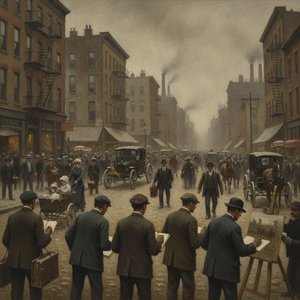
The Ashcan School: Capturing the Raw, Unfiltered Soul of Urban Life through American Realism
Discover the raw beauty of the Ashcan School. Explore how masters like Bellows and Henri captured the gritty, vibrant soul of early 20th-century New York through profound American Realism and evocative urban landscapes.