


 Ver en contexto
 Enviar
 Compartir
 Detalles
 Guía
Guía

 Descargar
 Similares
 Radiografía
 Presentación de diapositivas
 Estadísticas
The Recitation


Explore 'The Recitation' by Thomas Wilmer Dewing – a melancholic Impressionist painting of two women in a serene landscape. Discover its layered texture & evocative mood.
 Ver más
Descubre las etéreas pinturas tonalistas de Thomas Wilmer Dewing (1851-1938). Retratos evocadores de mujeres aristocráticas y escenas oníricas, figura clave del Esteticismo americano.
Giclée / Impresión de arte
Impresiones giclée o en lienzo de calidad de museo con producción rápida y opciones de acabado flexibles. ( Comprar pintura hecha a mano Cambiar a imagen digital)




P118B €10

P118H €10

P118W €10

P438Z €10

P508JH €12

P508YH €12

P805H €10

P805Z €10

P919BZ €10

P919G €10

P919XJ €10

P959ZH €10

P968JZ €12

W106C €8

W218G €10

W218JH €8

W218Y €10

W307PJ €10

W316G €10

W316PJ €8

W316Y €10

W398PJ €8

W4111J €10

W500HY €15

W500JH €15

W692G €12

W849H €8

W940BG €15

W953PJ €8




Tamaño estándar
a medida
CM
INCH
Elija entre nuestros tamaños predefinidos que respetan las proporciones originales de la obra.
Loading sizes...

ancho
altura
Introduzca el ancho y el alto que necesite para adaptarse a su marco o pared. Una impresión solo puede recortarse, nunca hacerse más grande que la imagen original, por lo que un tamaño con una forma distinta perderá parte de la obra. Le enviaremos una maqueta digital para su aprobación antes de realizar cualquier impresión. La imagen que se muestra en esta página no refleja el recorte real; solo la maqueta lo hace.
Envío a todo el mundo () en 2 semanas en lugar de las 4/5 semanas estándar. (25 octubre)

Envío exprés gratuito a todo el mundo

Lienzo de lino de alta calidad

Seguro de envío total

Garantía de reembolso de aranceles aduaneros

Garantía de fidelidad cromática exacta

Política de devolución de 100 días (solo por defectos)

Garantía de devolución del 100% del dinero

Descuento por cantidad
 La opción de vidrio solo está disponible en tamaños inferiores a 110 cm.

The Recitation
Giclée / Impresión de arte
Dimensiones de la reproducción
-


Precio total final
€ 61
A Symphony of Silence: The Essence of The Recitation
In the quietude of Thomas Wilmer Dewing’s 1891 masterpiece, The Recitation, viewers are invited into a world where time seems to suspend itself. This quintessential example of Tonalist painting transcends a mere depiction of two women in an outdoor setting; it is a profound exploration of mood and atmosphere. The scene unfolds with a gentle, melancholic grace, presenting a woman dressed in black seated prominently in the foreground, while another figure stands slightly behind her, her gaze lost toward the distant horizon. There is a palpable sense of stillness here, an invitation to step away from the clamor of the modern world and enter a space of pure, uninterrupted contemplation.
The emotional weight of the piece is carried by Dewing’s masterful use of color and light. The palette is dominated by a harmonious range of muted greens—from delicate pale celadon to deeper, more somber olive shades. These tones do not merely decorate the landscape; they breathe life into the atmosphere, imbuing the environment with a serenity that is tinged with a subtle, haunting melancholy. The lighting is soft and diffused, casting a gentle glow across the figures without the intrusion of harsh shadows, which further enhances the dreamlike, ethereal quality of the moment.
Technique and the Tonalist Vision
To behold The Recitation is to witness the meticulous skill of an artist deeply rooted in the English Aesthetic tradition. Dewing employs a technique characterized by the layering of thin glazes of oil paint onto the canvas, a process that builds a rich texture and an incredible sense of depth. His brushwork, while appearing loose and expressive, serves a deliberate purpose: to capture the fleeting nuances of light and shadow that define the Tonalist style. This approach allows for a soft, organic blurring of shapes, where lines are not sharply delineated but rather emerge from the atmospheric haze.
This painterly method creates an illusionistic depth that feels remarkably immersive. The texture appears layered and complex, inviting the eye to wander through the lush greenery and settle upon the subtle gradations of color. For the collector or interior designer, this technique offers a sophisticated visual richness; the painting does not demand attention through jarring contrasts but rather commands it through a steady, captivating presence that complements a refined and tranquil interior space.
Symbolism and the Human Experience
Beyond its aesthetic beauty, The Recitation serves as a poignant meditation on solitude and the inner life. The posture of the seated woman—calm, yet deeply absorbed in her own thoughts—suggests a deliberate retreat from external distractions. There is a beautiful tension in the composition between the two figures; the distance between them can be interpreted as a symbol of emotional separation or perhaps an unfulfilled longing. As one figure gazes toward the unreachable horizon, the painting touches upon themes of introspection and the human desire to connect with something beyond the immediate present.
This work stands as a testament to the power of art to capture the intangible. It is a piece that speaks to the soul, offering a sense of peace and a reminder of the beauty found in quiet moments of reflection. Whether viewed as a historical triumph of the American Tonalist movement or as a timeless portrait of human emotion, The Recitation remains an evocative masterpiece, perfect for those who seek to surround themselves with art that inspires deep thought and emotional resonance.
Preguntas y respuestas
¿Qué uso y espacio se recomiendan para "The Recitation" de Thomas Wilmer Dewing?
Se recomienda el uso de (Accent) y su ubicación en (Living Room) para "The Recitation" de Thomas Wilmer Dewing.
¿Dónde se recomienda exhibir el formato Panoramic de "The Recitation"?
El formato (Panoramic) y el espacio recomendado (Living Room) son los dos datos de colocación registrados para "The Recitation" de Thomas Wilmer Dewing.
¿Cuál es el formato de "The Recitation"?
"The Recitation" de Thomas Wilmer Dewing tiene un formato Panoramic. El formato describe las proporciones de la composición.


Biografía del artista
**Primeros años y formación**
Thomas Wilmer Dewing, un pintor estadounidense, nació el 4 de mayo de 1851 en Boston, Massachusetts. Su viaje artístico comenzó con un aprendizaje como litógrafo, lo que más tarde le llevó a la prestigiosa Académie Julian en París, donde estudió bajo la tutela de Gustave Boulanger y Jules Lefebvre a partir de 1887. Esta formación académica fue crucial para el desarrollo de su estilo distintivo.**Estilo artístico y obras notables**
El estilo artístico de Dewing se caracteriza por sus pinturas tonalistas, un género profundamente arraigado en el esteticismo inglés. Sus temas preferidos eran mujeres aristocráticas, a menudo representadas en entornos melancólicos y oníricos, tocando instrumentos o participando en actividades introspectivas. * **Mujer con vestido negro: retrato de Maria Oakey Dewing** (1887), un conmovedor óleo sobre panel, muestra a su esposa, una pintora consumada con una extensa formación artística formal. * **La dama dorada** (1912), ahora en el Museo de Brooklyn, ejemplifica su maestría para capturar la esencia de sus sujetos. Su paleta de colores suaves y su enfoque en la atmósfera contribuyeron a crear un ambiente de ensueño que se convirtió en una marca registrada de su obra.**Enseñanza y asociaciones**
Dewing fue miembro fundador de The Ten American Painters en 1898 y enseñó en la Art Students League of New York. Su asociación con la Society of Landscape Painters, fundada en 1899, solidificó aún más su posición dentro del movimiento tonalista. Estas conexiones profesionales le permitieron interactuar con otros artistas influyentes de su época y contribuir al desarrollo del arte estadounidense.**Legado y colecciones**
La Galería Freer de Arte del Smithsonian Institution tiene una sala dedicada a las obras de Dewing, lo que subraya la importancia de su contribución al arte americano. Coleccionistas notables incluyen John Gellatly y Charles Lang Freer, quienes reconocieron el valor artístico de sus pinturas durante su vida. Su obra se caracteriza por una delicadeza y una sensibilidad únicas, que continúan atrayendo a los entusiastas del arte en la actualidad.**Vida posterior y fallecimiento**
La producción artística de Dewing disminuyó después de 1920. Falleció en Nueva York el 5 de noviembre de 1938, dejando atrás un legado de cautivadores y etéreos retratos que siguen intrigando a los amantes del arte. Su influencia se puede apreciar en la continua admiración por su estilo tonalista y su habilidad para capturar la belleza interior de sus sujetos femeninos.**Obras clave disponibles para reproducción en TopImpressionists:**
- El vestido blanco
- Mujer con vestido negro: retrato de Maria Oakey Dewing
- La dama dorada

Thomas Wilmer Dewing
1851 - 1938 , Estados Unidos de América
Datos clave
- Artistas Que Influyeron:
- Gustave Boulanger
- Jules Lefebvre
- Fecha De Fallecimiento: 5 de noviembre de 1938
- Fecha De Nacimiento: 4 de mayo de 1851
- Lugar De Nacimiento: Boston, Estados Unidos
- Movimiento Artístico: Tonalismo, Esteticismo
- Nacionalidad: Estadounidense
- Nombre Completo: Thomas Wilmer Dewing
- Obras Notables:
- Mujer en negro
- Lady in Gold
- El vestido blanco
Artículos relacionados
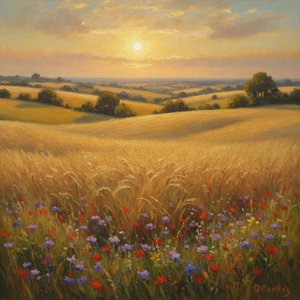
Golden Fields & Sun-Drenched Meadows: Capturing the Soul of Impressionist Landscapes
Immerse yourself in the luminous world of Impressionist landscapes. Discover how masters like Monet and Gauguin captured ephemeral light through plein air painting, and learn to bring the soul of sun-drenched meadows into your home with exquisite, hand-painted oil reproductions.

Capturing the Soul of Nature: A Journey Through the Sublime Majesty of American Romanticism
Explore the breathtaking beauty of American Romanticism. Discover how Hudson River School masters captured the sublime spirit of the wilderness through luminous oil landscapes and emotional depth. A journey into the soul of nature for the true art enthusiast.

Capturing the Soul: The Most Emotionally Moving Impressionist and Post-Impressionist Masterpieces
Discover the profound emotional depth of Impressionist and Post-Impressionist masterpieces. Explore how legends like Monet, Van Gogh, and Gauguin captured light and soul through evocative landscapes and vibrant brushwork for a timeless connection to art history.
Explore obras de arte organizadas por temas, estilos y características.

