


 Ver en contexto
 Enviar
 Compartir
 Detalles
 Guía
Guía

 Descargar
 Similares
 Radiografía
 Presentación de diapositivas
 Estadísticas
Caballo y Rider
 Tiza
Tiza- Renaissance Draftsmanship
 1537
1537- Renacimiento
 274.0 x 262.0 cm
 Museo Ashmolean
¿Conoce la obra maestra de Titian? Esta impresionante dibujo en carboncillo captura una escena épica de batalla con figuras dinámicas y colores expresivos, reflejando el espíritu del Renacimiento italiano.
 Ver más
Tiziano Vecellio, conocido como Titian, fue el pintor más destacado de la pintura veneciana del siglo XVI y pionero en el uso del color, dejando un legado artístico eterno.
Giclée / Impresión de arte
Impresiones giclée o en lienzo de calidad de museo con producción rápida y opciones de acabado flexibles. ( Comprar pintura hecha a mano Cambiar a imagen digital)




P118B €10

P118H €10

P118W €10

P438Z €10

P508JH €12

P508YH €12

P805H €10

P805Z €10

P919BZ €10

P919G €10

P919XJ €10

P959ZH €10

P968JZ €12

W106C €8

W218G €10

W218JH €8

W218Y €10

W307PJ €10

W316G €10

W316PJ €8

W316Y €10

W398PJ €8

W4111J €10

W500HY €15

W500JH €15

W692G €12

W849H €8

W940BG €15

W953PJ €8




Tamaño estándar
a medida
CM
INCH
Elija entre nuestros tamaños predefinidos que respetan las proporciones originales de la obra.
Loading sizes...

ancho
altura
Introduzca el ancho y el alto que necesite para adaptarse a su marco o pared. Una impresión solo puede recortarse, nunca hacerse más grande que la imagen original, por lo que un tamaño con una forma distinta perderá parte de la obra. Le enviaremos una maqueta digital para su aprobación antes de realizar cualquier impresión. La imagen que se muestra en esta página no refleja el recorte real; solo la maqueta lo hace.
Envío a todo el mundo () en 2 semanas en lugar de las 4/5 semanas estándar. (26 octubre)

Envío exprés gratuito a todo el mundo

Lienzo de lino de alta calidad

Seguro de envío total

Garantía de reembolso de aranceles aduaneros

Garantía de fidelidad cromática exacta

Política de devolución de 100 días (solo por defectos)

Garantía de devolución del 100% del dinero

Descuento por cantidad
 La opción de vidrio solo está disponible en tamaños inferiores a 110 cm.

Caballo y Rider
Giclée / Impresión de arte
Dimensiones de la reproducción
-


Precio total final
€ 61
El Caballo y el Caballero: Una Exploración de la Maestría Renacentista de Titian
Este dibujo en blanco y negro realizado por Tiziano Vecellio, conocido como Titian, representa una escena épica de combate caballeresco que captura la esencia misma del arte renacentista italiano. Fecha aproximadamente en 1537 y actualmente alberga un lugar destacado en el Museo Ashmolean de Oxford, Reino Unido, donde continúa fascinando a visitantes y estudiosos por igual. Este impresionante trabajo demuestra la habilidad excepcional del artista para transmitir movimiento, energía y profundidad emocional mediante una técnica innovadora que marcó un antes y un después en la historia del dibujo italiano.El Contexto Histórico: Venecia en el Siglo XVI
Titian nació alrededor de 1490 en Pieve di Cadore, Italia, hijo de Gregorio Vecellio y Lucia. Su formación artística comenzó bajo la guía de Giovanni Bellini y Giorgione, figuras clave del arte veneciano que influyeron profundamente en su estilo temprano caracterizado por paisajes pastorales ricos en simbolismo y personajes mitológicos. En ese período histórico, Venecia era una ciudad próspera impulsada por el comercio marítimo y el florecimiento artístico, escenario de grandes cambios culturales y sociales donde artistas como Titian buscaban nuevas expresiones para la belleza y la fuerza expresiva. Este contexto influyó directamente en la creación de obras maestras como 'El Caballo y el Caballero', que reflejan las preocupaciones estéticas y filosóficas de la época.Análisis Técnico: Una Danza de Líneas y Sombras
La obra maestra de Titian es un dibujo en blanco y negro realizado con técnica seca sobre papel, utilizando una combinación magistral de líneas expresivas y tonos suaves para lograr efectos sorprendentes. El artista emplea meticulosamente el uso del trazo grueso y fino, conocido como *hatching* y *cross-hatching*, creando patrones complejos que generan profundidad y textura visual. Estas técnicas permiten capturar la dinámica movimiento del caballo y el caballero en combate con una precisión impresionante, resaltando la importancia de la observación detallada y el dominio técnico. Además, la aplicación cuidadosa de luces y sombras modela las figuras con gran sensibilidad artística, aportando volumen y dramatismo a la composición.Simbolismo Profundo: Poder, Equilibrio y Tiempo
Más allá de su virtuosismo técnico, 'El Caballo y el Caballero' posee un rico simbolismo que invita a una interpretación más profunda. El caballo representa fuerza bruta y poderío militar, mientras que el caballero simboliza liderazgo y nobleza caballeresca. La posición diagonal del caballo y el caballero refuerza la sensación de movimiento y tensión dramática, reflejando los ideales culturales de la época renacentista. Asimismo, el paisaje de fondo sugiere una reflexión sobre el paso del tiempo y la relación entre hombre y naturaleza, temas recurrentes en el arte italiano del siglo XVI que buscan transmitir valores morales y espirituales.Impacto Emocional: Una Imagen Que Inspira Admiración
Este dibujo captura un instante crucial de acción con una energía palpable que transmite directamente al espectador. La composición equilibrada pero dinámica invita a la contemplación, generando una sensación de fascinación por la belleza del movimiento expresivo y la habilidad artística del creador. 'El Caballo y el Caballero' sigue siendo una fuente de inspiración para artistas y diseñadores contemporáneos que buscan transmitir emociones poderosas y capturar la esencia misma del espíritu renacentista. Una reproducción de alta calidad puede aportar un toque de elegancia clásica a cualquier espacio interior, ofreciendo una oportunidad única para apreciar la grandeza del arte italiano en su máxima expresión.Preguntas y respuestas
¿A qué periodo histórico pertenece "Caballo y Rider" de Tiziano?
"Caballo y Rider" de Tiziano data del periodo Renacimiento. Este periodo aporta el contexto histórico de la obra.
¿A qué movimiento artístico pertenece "Caballo y Rider" de Tiziano?
El movimiento asociado con "Caballo y Rider" de Tiziano es Renaissance Draftsmanship. Esta clasificación sitúa la obra entre artistas y obras relacionadas.
¿Es "Caballo y Rider" de Tiziano una obra de tonos claros u oscuros?
La luminosidad percibida de "Caballo y Rider" de Tiziano es brillante. Puede armonizarse con la luz del espacio destinado.
Biografía del artista
Tiziano Vecellio: The Venetian Titan
Tiziano Vecellio, universally known as Titian, stands as a monumental figure of the Italian Renaissance—perhaps its most celebrated colorist and a master who redefined the possibilities of oil painting. Born around 1490 in Pieve di Cadore, nestled amidst the dramatic landscapes of the Venetian Alps, his journey from humble beginnings to international acclaim is a testament to prodigious talent and an unwavering dedication to artistic innovation. The exact date of Titian’s birth remains elusive, debated by scholars, but contemporary sources and his early stylistic development converge on estimates between 1488 and 1490.
His father, Gregorio Vecellio, was a military man—a profession that instilled in young Tiziano a disciplined spirit and an appreciation for observation. Lucia, his mother, nurtured him with affection and fostered his artistic inclinations. Recognizing their sons’ potential, the family arranged for Tiziano and Francesco to apprentice with Sebastiano Zuccato, a mosaicist—a decision that would irrevocably alter the course of art history. This formative experience exposed them to the meticulous craftsmanship required for creating intricate decorative panels, shaping their aesthetic sensibilities from an early age.
Titian’s artistic training continued under Giovanni Bellini, who was then Venice’s most prominent painter and a revered teacher. Bellini’s workshop fostered a tradition of Venetian painting characterized by lyrical beauty and subtle tonal harmonies—influences that would permeate Titian’s oeuvre throughout his life. Notably, he collaborated closely with Giorgione—a fellow Venetian artist whose groundbreaking style championed atmospheric perspective and psychological depth.
A Master's Early Style: Giorgione's Influence
The partnership between Titian and Giorgione proved pivotal in shaping Titian’s artistic vision. Their collaboration on the exterior frescoes for the Fondaco dei Tedeschi—a bustling trading post frequented by German merchants—established a stylistic precedent that would endure for decades. The paintings showcased a remarkable sensitivity to light and color, reflecting Giorgione’s pioneering exploration of atmospheric perspective—a technique that aimed to convey the illusion of depth and realism.
Titian’s early works embody this Giorgionesque aesthetic—characterized by hazy landscapes, muted palettes, and an emphasis on capturing mood rather than precise detail. Paintings like *A Man with a Quilted Sleeve* exemplify his burgeoning talent for portraiture, skillfully portraying not only the physical likeness of his subjects but also their inner character—a hallmark of Venetian Renaissance painting.
Expanding Horizons: Bellini's Legacy and Artistic Maturity
Following Giorgione’s untimely death in 1510, Titian continued his artistic development under Giovanni Bellini’s guidance—though Bellini himself was gradually withdrawing from active painting. This period witnessed a gradual shift toward bolder compositions and more assertive color palettes—reflecting Titian’s growing confidence as an independent artist.
His monumental altarpiece for Santa Maria Gloriosa dei Frari—commissioned in 1518—marked a watershed moment in Venetian painting history. The ambitious undertaking demanded mastery of technique, compositional innovation, and chromatic brilliance—qualities that Titian possessed in abundance. This masterpiece cemented his reputation as Venice’s foremost painter and established him as a pioneer of monumental fresco painting.
The Venetian School's Dominance
Titian’s influence extended far beyond his own lifetime, shaping the artistic landscape of Europe for centuries to come. He became a cornerstone of the Venetian school—a movement that championed coloristic realism and psychological depth—inspiring artists across generations. From Rubens and Rembrandt to Delacroix and Monet, Titian’s techniques—particularly his innovative layering of pigments and his masterful manipulation of light—became models for aspiring painters.
His legacy endures not only in the masterpieces he created but also in the enduring fascination with color and emotion that characterizes Venetian art. Tiziano Vecellio—Titian—remains an unparalleled figure in the history of painting, a testament to artistic genius and an embodiment of the Renaissance spirit.

Tiziano
1490 - 1576 , Italia
Datos clave
- Artistic Movement Or Style: Renacimiento Veneciano
- Artists Or Movements Influenced By This Artist:
- Rubens
- Delacroix
- Artists Who Influenced This Artist:
- Giovanni Bellini
- Giorgione
- Date Of Birth: c. 1490
- Date Of Death: 1576
- Full Name: Tiziano Vecellio
- Nationality: Italiano
- Notable Artworks:
- La Schiavona
- Venus de Urbino
- Place Of Birth: Pieve di Cadore, Italia
Artículos relacionados
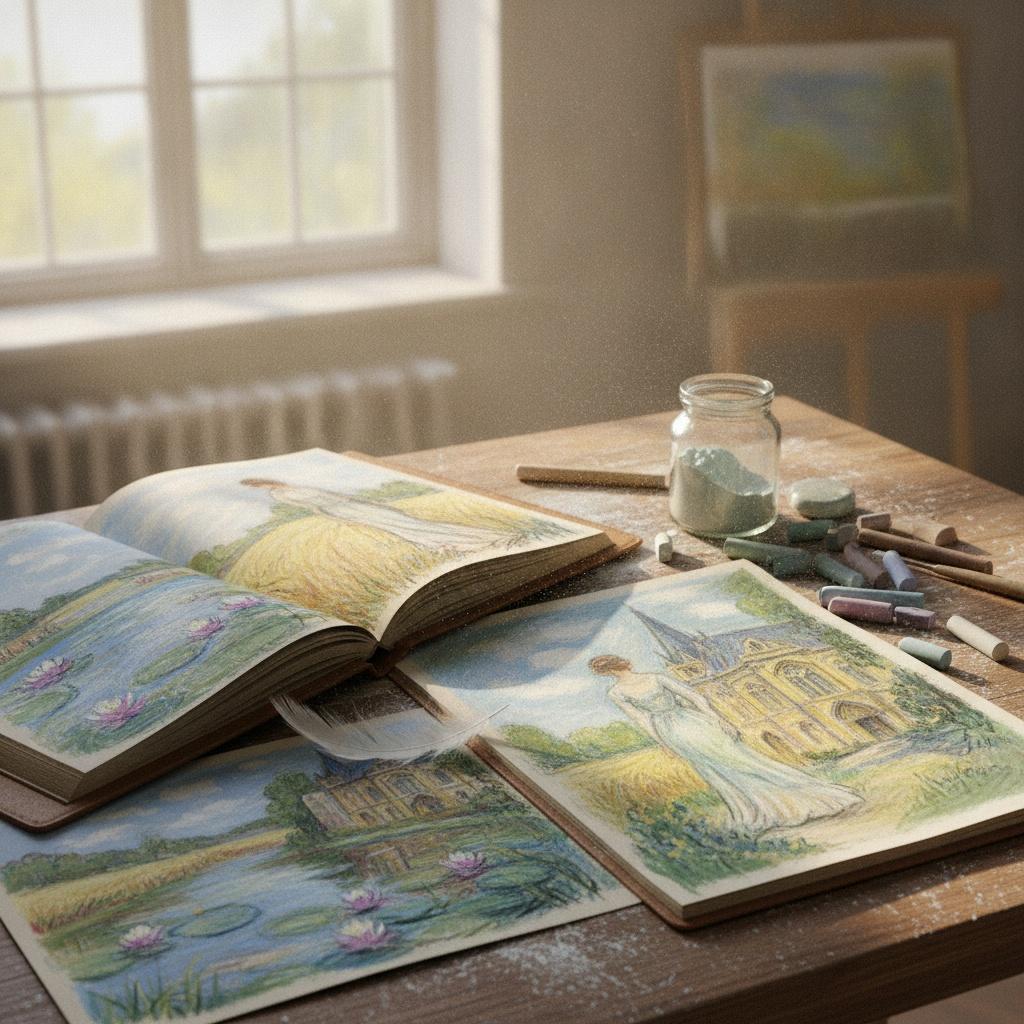
The Soft Magic of Chalk: Capturing Light, Texture, and the Ethereal Soul of Impressionist Masterpieces
Discover the ethereal beauty of pastel and chalk art. Explore how Impressionist masters like Van Gogh and Degas captured light and texture to create timeless, soulful masterpieces for the discerning collector.
Explore obras de arte organizadas por temas, estilos y características.


