Vista previa
 Compartir
 Compartir
 Ver detalles
 Guía
Guía

 Descargar
 Ver artículos similares
 Radiografía
 Presentación de diapositivas
 Estadísticas
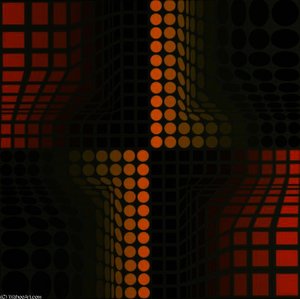
Keple Gestalt
 Acrílico sobre lienzo
- Arte de pared
- Geometric Abstraction
 1968
1968 160.0 x 160.0 cm
¿Te fascina el arte geométrico abstracto? Descubre ‘Keple Gestalt’, una obra maestra de Victor Vasarely que explota ilusiones ópticas y colores vibrantes en esta impresionante pieza de Op Art.
 Leer más
Descubre a Victor Vasarely (1906-1997), pionero del Op Art! Sus abstracciones geométricas e ilusiones ópticas revolucionaron el diseño moderno. ¡Explora su legado en TopImpressionists!
Giclée / Impresión de arte
Impresiones giclée o en lienzo de calidad de museo con producción rápida y opciones de acabado flexibles. ( Encargar reproducción pintada a mano Ver versión en imagen digital)




P118B $10

P118H $10

P118W $10

P438Z $10

P508JH $12

P508YH $12

P805H $10

P805Z $10

P919BZ $10

P919G $10

P919XJ $10

P959ZH $10

P968JZ $12

W106C $8

W218G $10

W218JH $8

W218Y $10

W307PJ $10

W316G $10

W316PJ $8

W316Y $10

W398PJ $8

W4111J $10

W500HY $15

W500JH $15

W692G $12

W849H $8

W940BG $15

W953PJ $8




Estándar
personalizado
CM
INCH
Elija entre nuestros tamaños predefinidos que respetan las proporciones originales de la obra.
Loading sizes...

ancho
altura
Puede introducir sus propias dimensiones para adaptarse a un marco o espacio específico. Si el tamaño seleccionado no coincide con las proporciones de la imagen original, recortaremos la obra de arte o extenderemos la imagen con un borde con efecto espejo o de color sólido. Se enviará una maqueta digital para su aprobación antes de que comience la producción.
Tenga en cuenta que la vista previa en pantalla no refleja el recorte o la extensión real. Solo la maqueta mostrará con precisión la composición final.
Aunque existen tamaños personalizados, recomendamos seleccionar una dimensión de la lista predefinida para preservar las proporciones originales.
Envío a todo el mundo () en 2 semanas en lugar de las 4/5 semanas estándar. (26 septiembre)

Envío exprés gratuito a todo el mundo

Lienzo de lino de alta calidad

Seguro de envío completo

Garantía de reembolso de impuestos aduaneros

Garantía de fidelidad cromática exacta

Política de devolución de 100 días (solo por defectos)

Garantía de devolución del 100% del dinero

Oferta por volumen
 La opción de vidrio solo está disponible en tamaños inferiores a 110 cm.

Keple Gestalt
Giclée / Impresión de arte
Tamaño de la reproducción
-


Precio total
$ 69
Keple Gestalt: A Geometric Dance of Perception
Victor Vasarely’s “Keple Gestalt,” created in 1968, stands as a quintessential emblem of Op Art – Optical Art – a movement that revolutionized visual experience during the mid-20th century. More than just a painting; it's an invitation to question how our eyes perceive reality, employing meticulously crafted geometric patterns to generate mesmerizing illusions of depth and movement. This artwork embodies the spirit of experimentation and intellectual curiosity that characterized the era’s avant-garde artistic endeavors.The Genesis of Illusion
Born Károly Vaszary in Pécs, Croatia (then Austria-Hungary), Victor Vasarely’s artistic trajectory began with a grounding in medicine but swiftly pivoted towards visual expression. Influenced profoundly by the Bauhaus principles – emphasizing functional design and geometric abstraction – he honed his skills at Sándor Bortnyik’s Műhely workshop, establishing a foundation for his groundbreaking style. The Bauhaus ethos instilled within him a dedication to simplifying forms and harnessing mathematical precision to achieve aesthetic impact. This meticulous approach is immediately apparent in “Keple Gestalt.”A Symphony of Color and Form
The painting utilizes a vibrant palette – predominantly green, purple, blue, yellow, and white – arranged with deliberate intention. These colors aren’t merely decorative; they actively contribute to the illusionary effect. Vasarely skillfully manipulates chromatic gradients and spatial relationships to create an impression of three-dimensionality that defies conventional representation. The geometric shapes—primarily interlocking squares and rectangles—overlap and intersect, generating a dynamic interplay of visual stimuli that captivates the viewer’s gaze. This technique aligns perfectly with Op Art's core aim: to stimulate retinal stimulation and challenge our subconscious understanding of space.Historical Context and Artistic Significance
“Keple Gestalt” emerged during a period marked by significant advancements in psychology and neuroscience, particularly concerning perception and visual illusions. Artists like Vasarely were actively exploring how the human brain processes information, pushing boundaries of artistic expression. Op Art’s fascination with optical phenomena mirrored broader cultural anxieties about rationality versus intuition – a debate that fueled debates within the art world. Vasarely's work represents not only an aesthetic triumph but also a conceptual breakthrough, demonstrating the power of visual abstraction to communicate complex ideas about perception and consciousness. It cemented his place as one of the foremost figures in modern art, inspiring generations of artists to embrace geometric forms and explore the realm of illusionary experience.Emotional Resonance: Beyond Visual Stimulation
Despite its purely formal nature, “Keple Gestalt” possesses a palpable emotional resonance. The rhythmic repetition of shapes generates a sense of calm contemplation, inviting viewers into a meditative state. Simultaneously, the dynamism created by overlapping patterns stimulates visual curiosity and engages the intellect. Vasarely’s intention wasn't simply to produce an aesthetically pleasing image; he sought to provoke thought and elicit visceral responses—a testament to the enduring power of art to transcend mere visual gratification.- Artist: Victor Vasarely
- Year: 1968
- Medium: Acrylic on Canvas
- Size: 160 x 160 cm
Biografía del artista
Victor Vasarely: Pionero del Op Art y la Exploración Cinética
- Nacimiento: 9 de abril de 1906, Pécs, Croacia
- Fallecimiento: 15 de marzo de 1997, París, Francia
- Nacionalidad: Húngaro-Francés
Victor Vasarely (nacido Károly Vaszary) fue una figura clave en el desarrollo del Op Art y el arte cinético. Su obra buscaba trascender la pintura tradicional explorando ilusiones ópticas y creando experiencias visuales dinámicas. Nacido en Pécs, entonces parte de Austria-Hungría (ahora Croacia), su vida temprana incluyó estudiar medicina en la Universidad Eötvös Loránd de Budapest antes de dedicarse por completo al arte.
Primeros Años e Influencias Artísticas
- Formación Temprana: Vasarely inicialmente estudió pintura académica tradicional en la Academia Podolini-Volkmann.
- Influencia Bauhaus: Un punto de inflexión crucial fue su inscripción en el taller de Sándor Bortnyik (Műhely) en Budapest, una escuela fuertemente influenciada por los principios del Bauhaus que enfatizaban el diseño funcional y la abstracción geométrica. Esta exposición moldeó su futura dirección artística.
- Abstracción Geométrica: A finales de la década de 1920 y principios de la de 1930, Vasarely experimentó con formas geométricas y relaciones de color, alejándose del arte representacional hacia la abstracción pura. Obras clave como "Estudio Azul" (1929) y "Estudio Verde" (1929) demuestran esta transición.
- Influencia de Mondrian y Malevich: Si bien desarrolló su propio estilo único, Vasarely se vio influenciado por las abstracciones geométricas de Piet Mondrian y Kazimir Malevich, aunque finalmente buscó ir más allá de sus composiciones estáticas.
El Auge del Op Art y la Exploración Cinética
- Definiendo el Op Art: Vasarely es ampliamente considerado una figura fundadora del Op Art (Arte Óptico), un movimiento que surgió en la década de 1960 caracterizado por obras de arte que crean ilusiones ópticas a través de arreglos precisos de formas, colores y líneas.
- Enfoque Sistemático: A diferencia de algunos artistas que confiaban en la intuición, Vasarely desarrolló un enfoque sistemático para su arte, utilizando cuadrículas y principios matemáticos para generar patrones y crear efectos visuales dinámicos. Buscaba la reproducibilidad y el atractivo masivo.
- Arte Cinético e Instalaciones a Gran Escala: Más adelante en su carrera, Vasarely exploró el arte cinético – obras de arte que incorporan movimiento o parecen moverse. "Georges Pompidou" (1976), un gran objeto cinemático instalado en el Centre Pompidou de París, ejemplifica esta ambición y demuestra su interés en integrar el arte con la arquitectura y el diseño urbano.
- Venturas Comerciales: Vasarely también fue un innovador en la aplicación de sus diseños a productos comerciales. Su colaboración con porcelana Rosenthal resultó en la serie de vajillas "Suomi", mostrando su capacidad para traducir conceptos abstractos en objetos funcionales.
Logros Destacados y Legado
- Fundación Vasarely: El establecimiento de la Fundación Vasarely en Aix-en-Provence, Francia, aseguró la preservación y promoción de su extensa obra.
- Exploración Espacial: Un momento significativo fue cuando serigrafías de Vasarely fueron llevadas al espacio a bordo de la nave espacial franco-soviética Salyut 7 (1982), vendidas posteriormente para beneficiar a la UNESCO – un testimonio del reconocimiento global de su arte.
- Influencia en el Diseño: Su enfoque sistemático y su estilo geométrico influyeron profundamente en el diseño gráfico, la moda y el diseño de interiores. Su obra demostró cómo los principios abstractos podían aplicarse para crear entornos visualmente atractivos y funcionales.
- Impacto Duradero: El legado de Victor Vasarely reside en su pionera exploración de las ilusiones ópticas, el arte cinético y la intersección del arte y la tecnología. Sigue siendo una figura importante en la historia del arte moderno, inspirando a generaciones de artistas y diseñadores con su visión innovadora.
Significado Histórico
La contribución de Vasarely a la historia del arte es multifacética. Se movió más allá de las técnicas pictóricas tradicionales para crear obras que involucran activamente la percepción del espectador. Su enfoque sistemático desafió las nociones convencionales de creatividad artística y allanó el camino para el arte generado por computadora y el diseño digital. Al abrazar la reproducibilidad y las aplicaciones comerciales, Vasarely difuminó los límites entre el arte fino y la cultura popular, dejando una huella perdurable en ambos.

Victor Vasarely
1906 - 1997 , Croacia
Datos clave
- Artistas Que Influyeron:
- Piet Mondrian
- Kazimir Malevich
- Fecha De Fallecimiento: 15 de marzo de 1997
- Fecha De Nacimiento: 9 de abril de 1906
- Lugar De Nacimiento: Pécs, Croacia
- Movimiento Artístico: Op Art, Abstracción geométrica
- Nacionalidad: Húngaro-francés
- Nombre Completo: Victor Vasarely
- Obras Notables:
- Estudio azul (1929)
- Estudio verde (1929)
- Georges Pompidou (1976)
Artículos relacionados

The Beauty of Less: A Sophisticated Guide to the Soul of Minimalist Art and Geometric Harmony
Discover the profound elegance of minimalist art. Explore how geometric abstraction and the beauty of reduction create serene, sophisticated spaces through our expert guide to finding soul and harmony in every line and shape.
Explore obras de arte organizadas por temas, estilos y características.