


 Vista previa
 Compartir
 Compartir
 Ver detalles
 Guía
Guía

 Descargar
 Ver artículos similares
 Radiografía
 Presentación de diapositivas
 Estadísticas
Windmills
 Impressionism
 1911
1911 69.0 x 112.0 cm
Discover 'Windmills' by William Grant Murray – a serene 1911 landscape painting of a Dutch windmill scene. Explore its historical context & timeless beauty.
 Leer más
William Grant Murray fue un pintor impresionista británico destacado por sus paisajes y murales, especialmente conocido por obras como "Carreg Cennen Castle" y "Barges on the Seine". Su liderazgo en Swansea Art School y su papel como curador de Glynn Vivian Gallery lo convierten en una figura clave del arte moderno galés. ¡Descubre la belleza impresionista de Murray!
Giclée / Impresión de arte
Impresiones giclée o en lienzo de calidad de museo con producción rápida y opciones de acabado flexibles. ( Encargar reproducción pintada a mano Ver versión en imagen digital)




P118B $10

P118H $10

P118W $10

P438Z $10

P508JH $12

P508YH $12

P805H $10

P805Z $10

P919BZ $10

P919G $10

P919XJ $10

P959ZH $10

P968JZ $12

W106C $8

W218G $10

W218JH $8

W218Y $10

W307PJ $10

W316G $10

W316PJ $8

W316Y $10

W398PJ $8

W4111J $10

W500HY $15

W500JH $15

W692G $12

W849H $8

W940BG $15

W953PJ $8




Estándar
personalizado
CM
INCH
Elija entre nuestros tamaños predefinidos que respetan las proporciones originales de la obra.
Loading sizes...

ancho
altura
Puede introducir sus propias dimensiones para adaptarse a un marco o espacio específico. Si el tamaño seleccionado no coincide con las proporciones de la imagen original, recortaremos la obra de arte o extenderemos la imagen con un borde con efecto espejo o de color sólido. Se enviará una maqueta digital para su aprobación antes de que comience la producción.
Tenga en cuenta que la vista previa en pantalla no refleja el recorte o la extensión real. Solo la maqueta mostrará con precisión la composición final.
Aunque existen tamaños personalizados, recomendamos seleccionar una dimensión de la lista predefinida para preservar las proporciones originales.
Envío a todo el mundo () en 2 semanas en lugar de las 4/5 semanas estándar. (25 septiembre)

Envío exprés gratuito a todo el mundo

Lienzo de lino de alta calidad

Seguro de envío completo

Garantía de reembolso de impuestos aduaneros

Garantía de fidelidad cromática exacta

Política de devolución de 100 días (solo por defectos)

Garantía de devolución del 100% del dinero

Oferta por volumen
 La opción de vidrio solo está disponible en tamaños inferiores a 110 cm.

Windmills
Giclée / Impresión de arte
Tamaño de la reproducción
-


Precio total
$ 69
A Pastoral Scene: William Grant Murray’s ‘Windmills’ (1911)
- Subject and Composition: ‘Windmills’ transports the viewer to a tranquil rural landscape, dominated by a stately windmill set against a backdrop of billowing clouds. The composition is carefully balanced; the windmill acts as a central focal point, yet doesn't overwhelm the scene. A modest building – perhaps a shed or small barn – nestles nearby, suggesting human presence and agricultural life. Two figures animate the field, one positioned to the left and another to the right, subtly guiding the eye through the painting. The inclusion of a grazing horse further enhances the sense of peaceful activity within this idyllic setting.
- Style and Technique: Painted in 1911, ‘Windmills’ reflects influences of Post-Impressionism and early Modernism, though Murray maintains a distinctly representational approach. His brushwork is visible yet controlled, creating texture and depth without sacrificing clarity. The color palette is muted and harmonious, dominated by earthy tones and soft greys that evoke the atmosphere of a cloudy day. Murray’s technique emphasizes light and shadow to define form and create a sense of spaciousness within the landscape.
Historical Context & Artistic Lineage
- A Scottish Artist in Transition: William Grant Murray (1877-1950) was a versatile British artist, renowned for his murals, portraits and mosaics. Educated at prestigious art schools including the Royal College of Art in London and the Académie Julian in Paris, he possessed a strong academic foundation. ‘Windmills’ dates from a period where Murray was establishing himself as a landscape painter, moving away from purely decorative work towards more expressive representations of the natural world.
- The Allure of Rural Life: The early 20th century witnessed a growing fascination with rural life and a desire to escape the rapid industrialization of urban centers. Paintings like ‘Windmills’ tapped into this sentiment, offering viewers a nostalgic vision of simpler times and harmonious coexistence between humanity and nature.
Symbolism & Emotional Resonance
- The Windmill as Metaphor: The windmill itself carries symbolic weight. Traditionally, windmills represent progress, ingenuity, and harnessing the power of nature for human benefit. However, they can also evoke a sense of timelessness and the cyclical rhythms of agricultural life. In this painting, the windmill stands as a silent sentinel, witnessing the passage of time and the enduring beauty of the countryside.
- A Mood of Serenity: ‘Windmills’ evokes a profound sense of peace and tranquility. The soft colors, gentle brushwork, and harmonious composition combine to create a calming atmosphere. It's a scene that invites contemplation and offers respite from the stresses of modern life. The painting’s emotional impact lies in its ability to capture a fleeting moment of beauty and stillness.
For Collectors & Interior Design
- A Versatile Addition: With dimensions of 69 x 112 cm, ‘Windmills’ is a substantial yet manageable artwork suitable for a variety of interior spaces. Its muted color palette and pastoral subject matter make it particularly well-suited to traditional or country-style interiors.
- Harmonious Placement: Consider pairing this painting with natural materials such as wood, linen, and stone to enhance its rustic charm. It would be a striking focal point in a living room, dining room, or study, adding warmth and character to any space. A high-quality reproduction of ‘Windmills’ offers an accessible way to bring the serenity of Murray's vision into your home.
Obras relacionadas


Biografía del artista
El visionario del paisaje galés: La vida de William Grant Murray
William Grant Murray fue mucho más que un simple pintor; fue una fuerza transformadora cuya influencia se extendió por los paisajes artísticos británico y galés durante principios del siglo XX. Nacido en la serenidad costera de Portsoy, Escocia, en 1877, su infancia estuvo impregnada de la belleza agreste del norte, un entorno que, sin duda, nutriría su fascinación de por vida por la luz y la atmósfera. Su camino hacia la maestría comenzó con una rigurosa disciplina académica, transitando desde la Escuela de Arte de Blairgowrie hasta la prestigiosa Escuela de Arte de Edimburgo, para finalmente encontrarse en el corazón de la escena artística londinense dentro del Royal College of Art. Fue durante estos años formativos cuando la dedicación de Murray a la excelencia se hizo evidente, otorgándole reconocimientos que lo señalaron como una estrella ascendente de su generación. La verdadera metamorfosis de su estilo, sin embargo, ocurrió bajo los cielos bañados por el sol de Francia. En 1905, Murray se sumergiya en las vibrantes corrientes del impresionismo europeo mientras estudiaba en la Académie Julian de París. Este encuentro con los maestros franceses le infundió un profundo aprecio por lo efímero: la forma en que una sombra repentina cae sobre un prado o cómo la niebla matutina se aferra a un puerto. Aprendió a ver el color no como un pigmento estático, sino como un elemento vivo y palpitante que se transforma con el paso del tiempo. Esta sensibilidad impresionista se convertiría en el latido de su obra, permitiéndole capturar los momentos fugaces de luz y movimiento que definen el mundo natural.Un legado de liderazgo y vitalidad artística
Más allá del lienzo, la vida de Murray estuvo definida por un compromiso feroz con la elevación de la educación artística y la preservación de la cultura. Su carrera dio un giro crucial cuando asumió roles de gran responsabilidad, desempeñándose como director de arte en la Escuela Municipal de Arte de West Bromwich. No obstante, fue su nombramiento como Director de la Escuela Municipal de Arte de Swansea lo que consolidaría su importancia histórica. Al llegar, Murray criticó famosamente el estado de la institución, viendo la falta de instalaciones como un signo de decadencia. Impulsado por una creencia inquebrantable en la vitalidad artística, lideró un periodo de crecimiento sin precedentes, transformando la escuela en una institución de primer nivel que, para 1914, se situaba entre las veinticinco mejores de Inglaterra y Gales. Su influencia se extendió profundamente en la vida cívica de Gales a través de su papel como el primer curador de la Galería de Arte Glynn Vivian. En esta capacidad, actuó como un guardián de la belleza, moldeando la colección y fomentando una comunidad donde el arte pudiera florecer junto a la industria. Su labor no se limitó a la escala reducida de la pintura de caballete; poseía una visión grandiosa que abrazaba los murales y las composiciones de gran formato, de forma muy similar a su hermano George, quien también fue reconocido por sus obras monumentales. A través de sus funciones duales como educador y curador, Murray aseguró que el pulso artístico de Swansea se mantuviera fuerte durante los turbulentos años del periodo de entreguerras.La esencia de su maestría
Contemplar una obra de Grant Murray es experimentar un diálogo entre la estructura y la espontaneidad. Su técnica a menudo fusionaba los cimientos disciplinados de su formación académica con la pincelada fluida y emotiva característica del movimiento impresionista. Ya estuviera retratando las costas rocosas de su patria escocesa o la luz cambiante de la costa galesa, sus pinturas poseen una calidez inherente y un sentido del lugar que trasciende la mera representación. Los aspectos clave de su contribución artística incluyen:- La integración de las técnicas impresionistas francesas en la tradición del paisaje británico.
- Una profunda capacidad para capturar la luz atmosférica y las cualidades transitorias de la naturaleza.
- La transformación institucional de la Escuela de Arte de Swansea en un centro de excelencia.
- Su papel fundamental en el desarrollo curatorial de la Galería de Arte Glynn Vivian.

William Grant Murray
1877 - 1950 , Reino Unido
Datos clave
- Artistic Movement Or Style: Impresionismo
- Artists Who Influenced This Artist:
- Claude Monet
- Pierre Auguste Renoir
- Date Of Birth: 1877
- Date Of Death: 1950
- Full Name: William Grant Murray
- Nationality: Británico
- Notable Artworks:
- Carreg Cennen Castle
- Barges on the Seine
- Place Of Birth: Portsoy, Reino Unido
Artículos relacionados

Capturing the Soul: The Most Emotionally Moving Impressionist and Post-Impressionist Masterpieces
Discover the profound emotional depth of Impressionist and Post-Impressionist masterpieces. Explore how legends like Monet, Van Gogh, and Gauguin captured light and soul through evocative landscapes and vibrant brushwork for a timeless connection to art history.

Beyond the Light: Capturing Raw Emotion and Subjective Vision in Post-Impressionist Landscapes
Explore the profound emotional depth of Post-Impressionist landscapes. Discover how masters like Van Gogh moved beyond light to capture raw human feeling through vibrant color and expressive texture in this expert art history retrospective.
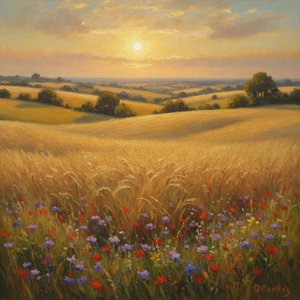
Golden Fields & Sun-Drenched Meadows: Capturing the Soul of Impressionist Landscapes
Immerse yourself in the luminous world of Impressionist landscapes. Discover how masters like Monet and Gauguin captured ephemeral light through plein air painting, and learn to bring the soul of sun-drenched meadows into your home with exquisite, hand-painted oil reproductions.

The Timeless Charm of Oil on Board: Reimagining Texture and Light through the Impressionist Lens
Discover the profound intimacy of oil on panel. Explore how Impressionist masters used rigid supports to capture light, texture, and impasto depth through exquisite, handmade oil reproductions for discerning collectors.

The Beauty of Impermanence: Capturing Decay through Impressionist Eyes
Explore the profound beauty of impermanence through Impressionist and Post-Impressionist eyes. Discover how masters like Monet and Van Gogh captured fleeting light and the poetic essence of nature's transitions in our deep dive into art history and emotional landscapes.