Atelier — Envío gratuito a todo el mundo — Plazo de entrega: 2–6 semanas
De foto a pintura Lista de deseos Carrito
Vista previaVista previa Vista previa en RAVista previa en RA Encargar reproducción pintada a mano Encargar reproducción pintada a manoComprar descarga Comprar descarga CompartirCompartir
Ver detallesVer detalles Añadir a favoritos Añadir a favoritos DescargarDescargar Ver similaresVer similares RadiografíaRadiografía Presentación de diapositivasPresentación de diapositivas

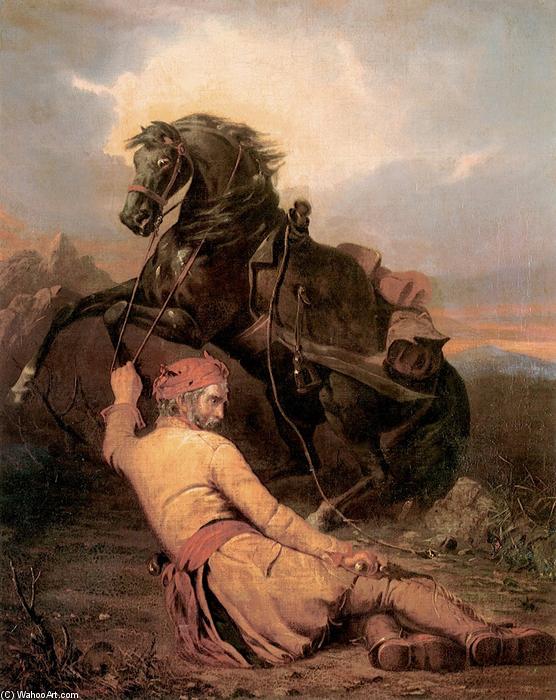
The Fallen Trapper

Discover "The Fallen Trapper" by William Tylee Ranney – a poignant oil painting capturing frontier life. Explore the rich details of this American Romanticist masterpiece and its historical context.

Descubre a William Tylee Ranney (1813-1857), pionero de la pintura americana! Explora sus cautivadoras escenas del Oeste, arte deportivo y pinturas históricas de género. ¡Una figura clave antes de la Guerra Civil!

Giclée / Impresión de arte

Impresiones giclée o en lienzo de calidad de museo con producción rápida y opciones de acabado flexibles. (Encargar reproducción pintada a mano Encargar reproducción pintada a manoComprar descarga Comprar descarga)

P118B $10
P118H $10
P118W $10
P438Z $10
P508JH $12
P508YH $12
P805H $10
P805Z $10
P919BZ $10
P919G $10
P919XJ $10
P959ZH $10
P968JZ $12
W106C $8
W218G $10
W218JH $8
W218Y $10
W307PJ $10
W316G $10
W316PJ $8
W316Y $10
W398PJ $8
W4111J $10
W500HY $15
W500JH $15
W692G $12
W849H $8
W940BG $15
W953PJ $8

Standard
custom
CM
INCH

Elija entre nuestros tamaños predefinidos que respetan las proporciones originales de la obra.

ancho
altura

Puede introducir sus propias dimensiones para adaptarse a un marco o espacio específico. Si el tamaño seleccionado no coincide con las proporciones de la imagen original, recortaremos la obra de arte o extenderemos la imagen con un borde con efecto espejo o de color sólido. Se enviará una maqueta digital para su aprobación antes de que comience la producción.
Tenga en cuenta que la vista previa en pantalla no refleja el recorte o la extensión real. Solo la maqueta mostrará con precisión la composición final.
Aunque existen tamaños personalizados, recomendamos seleccionar una dimensión de la lista predefinida para preservar las proporciones originales.

Envío a todo el mundo () en 2 semanas en lugar de las 4/5 semanas estándar. (18 agosto)

why_choose_icon
Envío exprés gratuito a todo el mundo
why_choose_icon
Lienzo de lino de alta calidad
why_choose_icon
Seguro de envío completo
why_choose_icon
Garantía de reembolso de aranceles aduaneros
why_choose_icon
Garantía de fidelidad cromática exacta
why_choose_icon
Política de devolución de 60 días (solo por defectos)
why_choose_icon
Garantía de devolución del 100% del dinero
why_choose_icon
Oferta por volumen

Precio total

$ 69

reproduction

The Fallen Trapper

Giclée / Impresión de arte

Tamaño de la reproducción

-

Precio total

$ 69

Datos clave

  • Artistic style: American Romanticism
  • Title: The Fallen Trapper
  • Year: 1852
  • Artist: William Tylee Ranney
  • Notable elements: Depicts a trapper
  • Medium: Oil on canvas

Cuestionario de arte

Cada pregunta tiene una única respuesta correcta.

Pregunta 1:
What is the primary subject depicted in William Tylee Ranney’s ‘The Fallen Trapper’?
Pregunta 2:
According to the description, what is notable about the man in ‘The Fallen Trapper’?
Pregunta 3:
In what year was ‘The Fallen Trapper’ painted?
Pregunta 4:
William Tylee Ranney is considered significant in American art for being a pioneer of which genre?
Pregunta 5:
The painting includes two other horses in the background. What does their presence suggest about the scene?

Descripción de la pieza

A Moment Frozen in Time: William Tylee Ranney’s “The Fallen Trapper”

William Tylee Ranney's "The Fallen Trapper," painted in 1852, isn’t merely a depiction of a solitary figure; it’s a poignant encapsulation of the American West at a pivotal moment. The painting immediately draws the eye to a man, weathered and weary, slumped against a horse beneath the imposing shadow of the Rocky Mountains. He's not a heroic adventurer or a triumphant frontiersman, but rather a vulnerable individual, stripped bare by circumstance – a hunter brought low, perhaps by hardship, illness, or simply the relentless indifference of nature. This deliberate lack of grandiosity is central to Ranney’s artistic vision; he eschewed romanticized narratives in favor of honest portrayals of everyday life, reflecting his own experiences and observations during his time in Texas.

The scene unfolds within a carefully constructed landscape, rendered with a remarkable attention to detail. The rugged mountains, painted with a muted palette of browns, grays, and ochres, convey both the grandeur and the unforgiving nature of the territory. Notice how Ranney utilizes atmospheric perspective – distant peaks fade into a hazy blue, creating a sense of depth and vastness that emphasizes the man’s isolation. The horse, a sturdy Appaloosa with distinctive spotted markings, is not merely a mount but an integral part of the scene, its presence grounding the figure in this harsh environment. The subtle variations in texture – the rough bark of the trees, the worn leather of the saddle, the folds of the man’s clothing – speak to Ranney's meticulous technique and his ability to capture the tactile qualities of the world around him.

A Pioneer Painter: Contextualizing Ranney’s Vision

To fully appreciate “The Fallen Trapper,” it’s essential to understand William Tylee Ranney’s unique position in American art history. Born in Middletown, Connecticut, in 1813, he was a self-taught artist who emerged during a period of rapid westward expansion and profound social change. Unlike many artists of his time who trained in European academies, Ranney developed his style through direct experience – his service in the Texas Army following the Battle of the Alamo profoundly shaped his artistic sensibilities. This firsthand encounter with frontier life instilled in him a deep respect for the resilience and resourcefulness of those who carved out a living in the wilderness.

Ranney’s work stands apart from the prevailing romanticized depictions of the West that often glorified conquest and heroism. Instead, he presented a more nuanced and realistic portrayal of frontier life, focusing on the struggles and vulnerabilities of ordinary people. His paintings frequently depicted scenes of hunting, trapping, and exploration, but always with an emphasis on human dignity and quiet contemplation. He was considered one of the first major genre painters to work in New Jersey, and his art reflects a unique blend of Romanticism and Realism.

Symbolism and Emotional Resonance

The painting’s power lies not just in its technical skill but also in its subtle symbolism. The fallen trapper represents more than just a single individual; he embodies the broader themes of hardship, loss, and the precariousness of life on the frontier. His slumped posture and weary expression convey a sense of defeat, yet there's also an underlying dignity – a quiet acceptance of fate. The horse, tethered to the ground, symbolizes both dependence and restraint, suggesting the limitations imposed by circumstance.

Ranney’s masterful use of light and shadow further enhances the emotional impact of the painting. The diffused sunlight filtering through the mountains creates a melancholic atmosphere, reinforcing the sense of isolation and vulnerability. The muted color palette contributes to this mood, evoking a feeling of quiet contemplation and understated sadness. “The Fallen Trapper” is not a triumphant celebration of the West; it’s a poignant meditation on its challenges and its human cost.

Bringing Ranney's Vision Home: Reproductions and Legacy

Today, "The Fallen Trapper" continues to resonate with viewers who appreciate its honest portrayal of frontier life. High-quality reproductions offer an accessible way to experience the painting’s beauty and emotional depth. Whether displayed in a study, living room, or gallery, this artwork serves as a powerful reminder of the sacrifices made by those who shaped the American West. Consider commissioning a custom reproduction from TopImpressionists.com to bring this iconic image into your own space – a tangible connection to a pivotal moment in American art and history.


Biografía del artista

Vida Temprana y Experiencia en Texas

  • Nacido: 9 de mayo de 1813, Middletown, Connecticut
  • Padres: William Ranney (capitán de barco) y Clarissa Ranney
  • Se mudó a Fayetteville, Carolina del Norte en 1826 para vivir con su tío, el comerciante William Nott.
  • Realizó un aprendizaje como hojalatero durante este período, desarrollando probablemente sus primeras habilidades de dibujo.
  • En 1833, se trasladó a Brooklyn, Nueva York, para estudiar pintura.
  • Se ofreció voluntario en el Ejército de Texas en marzo de 1836 tras la caída del Álamo, sirviendo bajo el mando del General Sam Houston.
  • Sirvió durante nueve meses, experimentando eventos que influyeron profundamente en su posterior temática artística. Se dice que guardó a Santa Anna después de la Batalla de San Jacinto.
  • Regresó a Brooklyn en 1837 y retomó sus actividades artísticas.

Desarrollo Artístico y Estilo

  • Pintor al óleo autodidacta, sin formación formal.
  • Exhibió públicamente sus primeras pinturas en 1838 en la National Academy of Design de Nueva York.
  • Recibió un premio por su pintura de género, "Una Escena de Cortejo".
  • Viajó entre Carolina del Norte y Nueva York de 1839 a 1842.
  • Abrió un estudio en la ciudad de Nueva York en 1843, anunciándose inicialmente como retratista.
  • Desarrolló un estilo distintivo caracterizado por representaciones realistas de la vida cotidiana, escenas deportivas, temas históricos y paisajes occidentales.
  • Su obra a menudo presentaba representaciones detalladas de figuras y entornos, reflejando su meticulosa observación y atención al detalle.

Temas Principales y Obras Destacadas

  • Vida Occidental: Espíritu pionero, cazadores, tramperos, exploradores antes del asentamiento europeo-americano generalizado (por ejemplo, "Entierro en la Pradera", "Partido de Exploración").
  • Escenas Deportivas: La caza de patos y los temas ecuestres fueron prominentes, notables por sus figuras escultóricas ("On the Wing" - su obra más popular con múltiples versiones).

  • Temas Históricos: Representó escenas de la Revolución Americana, centrándose en las experiencias de personas comunes en lugar de batallas grandiosas.
  • Pintura de Género: La vida cotidiana y las escenas domésticas se representaban con frecuencia.
  • Obras Notables: "On the Wing", "Prairie Burial", "Scouting Party", "Caza de Caballos Salvajes", "El Último Disparo del Trampero", "El Vendedor de Cerillas", "Viejo Balde de Roble".

Vida Posterior, Legado y Significado

  • Se casó con Margaret Agnes O’Sullivan en 1847.
  • Se estableció permanentemente en West Hoboken, Nueva Jersey (ahora Union City) en 1853, estableciendo un estudio con vistas al horizonte de Manhattan.
  • Contribuyente regular y miembro asociado de la National Academy of Design y la American Art Union.
  • Considerado el primer importante pintor de género en trabajar en Nueva Jersey.
  • Uno de los pintores estadounidenses más importantes anteriores a la Guerra Civil.
  • Sus contemporáneos reconocieron su importancia, con uno afirmando que "un espécimen de Ranney es indispensable dondequiera que exista una colección de arte americano".
  • Falleció el 18 de noviembre de 1857, probablemente a causa de la tuberculosis.
  • La obra de Ranney ayudó a popularizar las representaciones del Oeste americano y contribuyó al desarrollo de la pintura de género en los Estados Unidos. Su enfoque en la vida cotidiana y las personas comunes hizo que su arte fuera accesible y relacionable para un público amplio.
William Tylee Ranney

William Tylee Ranney

1813 - 1857 , Estados Unidos de América

Datos clave

  • Fecha De Fallecimiento: 18 de noviembre de 1857
  • Fecha De Nacimiento: 9 de mayo de 1813
  • Lugar De Nacimiento: Middletown, EE. UU.
  • Movimiento Artístico: Pintura de género
  • Nacionalidad: Estadounidense
  • Nombre Completo: William Tylee Ranney
  • Obras Notables:
    • On the Wing
    • Prairie Burial
    • Scouting Party
    • Trapper's Last Shot
© TopImpressionists.com — Todos los derechos reservados  ·  100% Pintado a mano · Satisfacción garantizada · Envío gratuito a todo el mundo
VISA MASTERCARD




































