Unveiling Sforza Castle: A Chronicle of Milanese Power and Artistic Brilliance
Nestled within the pulsating heart of Milan, Italy, stands Sforza Castle – a monumental edifice that transcends its role as mere fortification. It’s a living, breathing testament to centuries of shifting power dynamics, artistic patronage, and architectural evolution; a place where medieval strength seamlessly intertwines with Renaissance splendor. More than just stone and mortar, it's a profound chronicle of Milanese history, an immersive experience that invites visitors to step back in time and witness the rise and fall of dynasties, the blossoming of creativity, and the enduring spirit of a city.
The castle’s genesis lies in the 14th century, conceived initially as a formidable defensive structure by Galeazzo II Visconti. This pragmatic design, rooted in the necessities of medieval warfare, established a robust framework of thick walls, strategically positioned towers, and an imposing gatehouse – a reflection of the Visconti family's ambition to consolidate their control over Lombardy. However, it was his successor, Francesco Sforza, who truly reimagined this space, transforming it into a dazzling symbol of his own power and wealth. He didn’t simply maintain the fortress; he elevated it, initiating a dramatic metamorphosis that would forever alter Milanese identity.
Under Sforza rule, the castle underwent a breathtaking transformation. Grand halls replaced austere chambers, intricate frescoes adorned the walls, and opulent furnishings reflected the burgeoning Renaissance aesthetic. This wasn’t merely an embellishment; it was a deliberate statement – a declaration of the Sforzas' newfound prosperity and their embrace of artistic innovation. The architectural narrative is itself a captivating story; from its medieval foundations gradually incorporating Renaissance elements under Francesco Sforza and his heirs, to Luca Beltrami’s meticulous reconstruction in the late 19th century which cleverly integrated modern functionality without sacrificing historical integrity. This careful balance is immediately apparent upon entering—a sense of both ancient grandeur and contemporary relevance.
Echoes of Masters: Da Vinci, Michelangelo, and a Legacy of Art
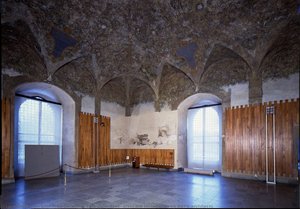
The Sforza Castle’s association with artistic titans like Leonardo da Vinci and Michelangelo elevates it beyond a mere historical site to a veritable sanctuary of creativity. Perhaps the castle's most celebrated feature is the *Sala delle Asse* (Hall of Wooden Panels), commissioned by Ludovico il Moro around 1498 and largely attributed to Leonardo himself. This room is a breathtaking spectacle, depicting a fantastical forest of mulberry trees teeming with life—a vibrant allegory of Milanese prosperity and power. The intricate detail, achieved through painstaking application of wood panels, creates an illusion of depth and space that is truly remarkable. The coats of arms adorning the walls further enrich the scene, offering a glimpse into the Sforza family’s lineage and ambitions.
Equally poignant is Michelangelo's *Pietà Rondanini*, an unfinished marble sculpture that stands as a testament to the artist’s enduring genius. The Pietà, depicting the Virgin Mary cradling the body of Christ, is characterized by its raw emotion and expressive power—qualities particularly evident in the figure of Mary's face. Its placement within the castle, amidst other masterpieces, highlights the continuity of artistic excellence across centuries. Beyond these iconic works, the *Pinacoteca* (Picture Gallery) houses a remarkable collection of Italian paintings spanning various periods, including pieces by Andrea Mantegna, Giovanni Bellini, and Canaletto. These works offer a diverse range of styles and subject matter, providing valuable insights into the artistic trends of the Renaissance and beyond.
A Treasury of Artistic Legacy: From Ancient Relics to Decorative Arts
Sforza Castle’s treasures extend far beyond its most famous masterpieces. The castle's museums are a microcosm of Italian artistic achievement, showcasing everything from ancient Roman relics to contemporary decorative arts. The Museum of Ancient Art is particularly noteworthy for its impressive equestrian tomb of Bernabò Visconti, a symbol of the powerful medieval dynasty that preceded the Sforzas. This imposing monument speaks volumes about the ambition and authority of the Visconti rulers.
The *Raccolta di Mobili* (Furniture Collection) offers a fascinating glimpse into the tastes and styles of Milanese nobility throughout the centuries, revealing how domestic life evolved alongside artistic trends. The Museum of Decorative Arts presents a vast collection of ceramics, precious late-antique ivories, and contemporary glass, demonstrating the breadth of Italian craftsmanship. The castle’s curators have meticulously arranged these artworks to create a chronological narrative, allowing visitors to trace the evolution of Italian painting over several centuries.
A Living Landmark: The Castle Today
Sforza Castle is more than just a museum; it's a vibrant cultural hub that continues to evolve alongside Milan. The castle complex houses several museums, including the Pinacoteca, Museo d’Arte Antica, and others dedicated to musical instruments, furniture, and Egyptian artifacts. The vast Piazza d'Armi, once a bustling parade ground now transformed into a serene public park, offers a welcome respite from the city’s bustle—a green oasis within the historic walls.
The castle also hosts concerts, theatrical performances, and art exhibitions, further solidifying its role as a vital center for artistic expression. A visit to Sforza Castle is an unforgettable journey through time—a chance to immerse oneself in Milanese history, admire masterpieces by some of the world’s greatest artists, and experience the enduring legacy of a truly remarkable fortress.