The Architect of American Time
In the burgeoning landscape of the early United States, where the echoes of revolution still resonated through the colonies, Aaron Willard Jr. emerged not merely as a craftsman, but as a visionary architect of time itself. Born in Grafton in 1757, his journey was deeply intertwined with the industrial spirit of a young nation seeking its own identity. Alongside his brothers, Willard helped transform Roxbury, Massachusetts, into a crucible of American innovation. This was an era where the transition from colonial dependence to industrial independence was being forged in workshops and factories, and Willard stood at the very forefront of this movement, blending the precision of horology with the burgeoning needs of a growing society.
Masterpieces of Precision and Design
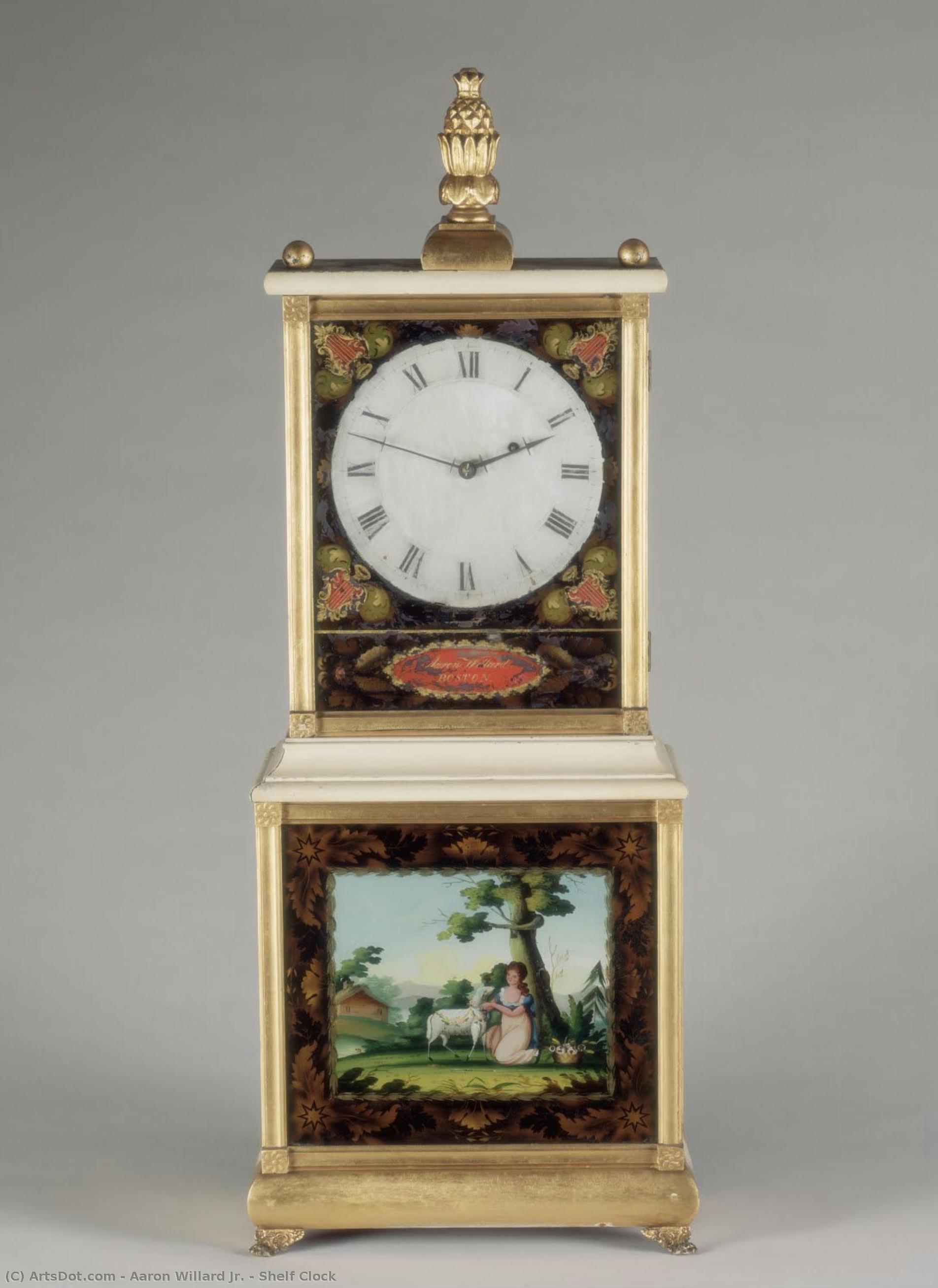
The true genius of Willard lay in his ability to marry technical excellence with an accessible elegance. While many high-end timepieces of the era were reserved for the elite, Willard’s work sought to bring the rhythm of the clock into the homes of the common citizen. His development of specialized designs represented a monumental shift in both aesthetic appeal and economic accessibility. Through his factory, he pioneered a method of production that allowed for widespread availability without sacrificing the artistry that defined his name. His most enduring contributions include:
- The Shelf Clock: A foundational design that brought a sense of structured elegance to the domestic interior.
- The Banjo Clock: An iconic, patent timepiece known as the gallery clock, celebrated for its distinctive silhouette and rhythmic beauty.
- Industrial Standardization: The creation of economically accessible timepieces that helped establish one of America's first modern industries.
These pieces were more than mere instruments of measurement; they were sculptural triumphs of wood and brass. The banjo clock, with its unique form, captured the imagination of a nation, becoming a symbol of American domesticity through its captivating presence in the home.
A Legacy Forged in Brass and Wood
As we reflect upon the life of Aaron Willard Jr., which concluded in 1844, we see more than the biography of a clockmaker; we witness the evolution of an American industry. His contributions extended far beyond the mechanical; he helped establish a standard for American craftsmanship that would influence generations of makers to come. The legacy of the Willard family remains etched in the very fabric of American history, visible in every preserved timepiece that continues to tick with the same precision he once perfected. His life serves as a testament to the power of entrepreneurship and the enduring beauty of functional art, leaving behind a heritage where time is not just measured, but celebrated through exquisite design.


 Eelvaade
 Osta print
 Saada
Saada Jaga
Jaga
 Teave teose kohta

 Laadi alla
 Sarnased teosed
 Röntgenuuring
 Slaidietendus

 Loe lähemalt






































 Klaasivalik on saadaval ainult suuruses kuni 110 cm



