


 Vaata sisu
 Jaga teost
 Jaga
Jaga
 Detailid
 Õppekate juhend

 Laadi alla
 Sarnased teosed
 Röntgenuuring
 Slaidietendus
 Statistika
Three sailing boats
 Oil On Canvas
- WallArt
- Bengal School of Art
 19th Century
 17.0 x 12.0 cm
 Victoria Memorial Hall
Capture the serene maritime beauty of three sailing boats in this evocative piece by Abanindranath Tagore; discover timeless Indian artistry for your collection.
 Loe lähemalt
Avastage Abanindranath Tagore (1871-1951), moderni India kunsti pioneer ja Bengal Schooli asutaja! Avange tema Mughal-, Rajput- ja orientalistlikke maalid, mis peegeldavad Swadeshi väärtusi ja lyrilist ilu.
Giclée / Kunstiprint
Muuseumikvaliteediga giclée- või kangasprint kiire tootmisega ja paindlikud viimistlusvõimalused. ( Telli käsitsi maalitud reproduktsioon Ülemineku digitaalse pildi müügi kanalisse)




P118B €10

P118H €10

P118W €10

P438Z €10

P508JH €12

P508YH €12

P805H €10

P805Z €10

P919BZ €10

P919G €10

P919XJ €10

P959ZH €10

P968JZ €12

W106C €8

W218G €10

W218JH €8

W218Y €10

W307PJ €10

W316G €10

W316PJ €8

W316Y €10

W398PJ €8

W4111J €10

W500HY €15

W500JH €15

W692G €12

W849H €8

W940BG €15

W953PJ €8




Standardne suurus
kohandatud
CM
INCH
Vali meie eelmääratud suurused, mis vastavad teose algupärastele proportsioonidele.
Loading sizes...

laius
kõrgus
Sisestage vajalik laius ja kõrgus, et see sobiks teie raamile või seinale. Trükki saab ainult lõigata, seda ei saa kunagi pildist suuremaks teha, seega ka differentse vormiga suurus kaotab osa pildist. Enne trükkimist saadame teile kinnitamiseks digitaalse näidisprojektsiooni. Sellel lehel näidatud pilt ei kujuta reaalset lõiget — seda näitab ainult näidisprojekttsioon.
Ülemaailmne tarne () 2 nädala jooksul, tavalise 4/5 nädala asemel. (21 oktoober)

Tasuta ekspresssaatmine üle maailma

Kõrgekvaliteediline lina-kangastest muld

Täielik transpordikindlustus

Tollimaksude tagastamise garantii

Värvitoime täpsuse garantii

100 päeva tagastusõigus (ainult defektide korral)

100% raha tagasi garantii

Hulgusoodustus
 Klaasivalik on saadaval ainult kuni 110 cm suuruses teostes

Three sailing boats
Giclée / Kunstiprint
Reproduktsiooni mõõtmed
-


Lõppsumma
€ 60
A Serene Voyage on Canvas
Gazing upon this depiction of three sailing boats, one is immediately transported to a time of gentle passage and quiet contemplation. The composition itself sings of the maritime spirit—a timeless dance between human endeavor and the vast, yielding expanse of water. Three distinct vessels anchor the scene: one gracefully positioned on the left, another drawing the eye toward the center, and the third completing the visual journey on the right. Each boat possesses its own unique silhouette, suggesting individual stories whispered across the gentle currents.
The artist, Abanindranath Tagore, masterfully captures not just boats upon water, but an entire mood—a sense of rhythmic movement punctuated by moments of serene stillness. The inclusion of a solitary figure on the right side adds a crucial human element; this observer seems to be absorbing the spectacle, inviting the viewer into a shared moment of quiet appreciation for nature's artistry.
Echoes of Indian Artistic Tradition
To understand this piece is to appreciate the rich currents of early 20th-century Indian art. Abanindranath Tagore was a pivotal figure who navigated the confluence of global artistic movements while fiercely championing indigenous aesthetics. His work, as seen here, subtly rejects purely Western models, instead weaving in influences that speak to Mughal and Rajput traditions. This commitment to Swadeshi values imbues the painting with a deep sense of cultural rootedness, making it more than just a seascape; it is a statement of artistic identity.
While his training exposed him to various techniques, including those influenced by Whistler's aestheticism, the final effect remains deeply personal and evocative. The handling of light across the water suggests an understanding of atmospheric perspective that transcends mere imitation, achieving instead a soulful resonance.
Technique and Visual Harmony
The execution on this canvas, rendered at a manageable size of 17 x 12 cm, allows for an intimate viewing experience. The technique employed must balance the fluidity of water with the solid presence of the boats. One can almost feel the texture of the painted breeze lifting the sails. The artist achieves visual harmony by distributing weight across the three vessels, ensuring that no single element overpowers the collective beauty of the scene. It is a study in balanced composition.
The subtle variations in color—the deep blues of the water contrasting with the warmer tones of the wood and canvas—guide the eye naturally from left to right, mirroring the journey of the boats themselves.
Symbolism of Passage and Observation
Beyond its immediate beauty, this artwork carries potent symbolism. The sailing boats are perennial symbols of life's journeys—the passage through time, the voyage toward an unknown horizon. They suggest movement, change, and the necessary trust in currents unseen. Meanwhile, the observer on the shore represents introspection; it is a reminder to pause amidst the rush of modern life and simply watch the world drift by.
For collectors and designers alike, this piece offers an emotional anchor. It speaks to longing, peace, and the enduring beauty found in natural rhythms. Reproducing such a work allows one to bring a pocket-sized vista of tranquility into any room, transforming a space into a quiet harbor.
Küsimused ja vastused
Mis on teose „Three sailing boats“, autor Abanindranath Tagore valgusus?
Teose „Three sailing boats“, autor Abanindranath Tagore luminants on Gentle Luminance. Luminants kirjeldab, kui palju valgust värvid peegeldavad.
Mis on teose „Three sailing boats“, autor Abanindranath Tagore kuju ja mõõdud?
„Three sailing boats“, autor Abanindranath Tagore on Portrait kompositsioon, mille originaalsed mõõdud on 17 x 12 cm.
Kuhu kohta „Three sailing boats“, autor Abanindranath Tagore reproduktsioon peaks rikutud?
Olles vormilt Portrait, on teose "Three sailing boats" reproduktsiooni soovitatud kasutada ruumis Living Room.
Kunstniku elulugu
Varajärglane taust ja elulugu
- Sünd: 7. mai 1861, Joransanko, Kalkutta, Briti India
- Suri: 5. detsember 1951
- Pere: Möne tunnustatud Tagore'i suguvõsa liige; Rabindranath Tagore vennapoeg. Tema vanaisa oli Girindranath Tagore ja tema isa oli Gunendranath Tagore.
- Haridus: Õppis 1880. aastatel Kalkutta Sanskrit College'is ning hiljem käibus Calcutta School of Art'is.
Kunstiline areng ja mõjutid
- Algne koolitus: Õppis pastellkunstide aluseid O. Ghilardi juures ning õpioli maali Charles Palmerilt Calcutta School of Art'is.
- Moguli ja Rajputi stiilid: Püüdis neid stiile moderniseerida, lükates tagasi Lääne kunstimodeleid.
- Swadeshi väärtused: Integreeris oma kunstisse Swadeshi väärtusi, edustades nii Indias koondunud traditsioone.
- Whistleri esteetik: Oli mõjutatud Whistler'i esteetilistest põhimõtetest.
- Jaapani mõju: Hiljem lisas oma stiili Hiina ja Jaapani kalligraafiatraditsioonid pärast kohtumist kunstikega Tikan ja Hesida.
Olulised teosed ja kunstiline panus
- Rohini II: Silmapaistev teos, mis demonstreerib tema kunstilist oskust.
- Shajahan surm: Te another märkimisväärne maalidist, mis peegeldab tema unikaalset stiili.
- Kaldus lillevaas: Näitab tema meistriklassi tehnikas ja teemade valimisel.
- Arabian Nights sarja (1930): Üks tema suuremaid saavutusi, kus kasutades "Tuhat ja üks ööd" lugusid, uuris ta koloniaalajalugu Kalkutta siseelulust.
- Bharat Mata: Oluline maalidist, mis sümboliseerib Ema Indiat.
- Bengaali kunstikooli asutaja: Esitas võtmealset rolli kaasaegse India maalidist kujundamisel ja rahvusliku kunsti edendamisel.
- India Orientaalne Kunstühing (1907): Asutas selle ühingu, et edendada traditsioonilisi India kunstivorme.
Pärand ja ajalooline tähendus
- Kaasaegse India maalidist pioneer: Tunnustatud kui võtmefiguur India kaasaegse kunsti arengus.
- Mõju järgmistele kunstikatele: Mentor paljudele märkimisväärsetele kunstikatele, nagu Nandalal Bose, Asit Halder, Kshitindranath Majumdar ja Jamini Roy.
- Traditsiooniliste kunstivormide taaselustamine: Pooldas naasmist traditsioonilistesse India tehnikatesse ja stiilidesse.
- Mõju bengali laseliteratuurile: Kirjutas mõjuvaid laselugusid, nagu Rajkahini, Budo Angla, Nalak ja Khirer Putul.
- Riiklikud kunstivaramud: Tema teoseid peetakse riiklikuks kunstivaramud.

Abanindranath Tagore
1871 - 1951 , India
Lühikest infot
- Artistic Movement Or Style: Bengaali kunstikool
- Artists Or Movements Influenced By This Artist:
- Nandalal Bose
- Kshitindranath Majumdar
- Jamini Roy
- Artists Who Influenced This Artist:
- Whistler
- Mughal kunstnikud
- Rajput kunstnikud
- Date Of Birth: 7. mai 1871
- Date Of Death: 5. detsember 1951
- Full Name: Abanindranath Tagore
- Nationality: India
- Notable Artworks:
- Rohini II
- Shajahan surm
- Eelnev lillevaas
- Place Of Birth: Jorasanko, India
Sarnased artiklid

Navigating Symbolism & Sentiment: A Comprehensive Exploration of Boats in Art History
Explore the rich history of boats in art! Discover symbolism & style from ancient myths to Impressionist masterpieces. Expert insights for collectors at TopImpressionists.

Boats on Canvas: 10 Masterpieces of Maritime Art for Your Home Decor
Sail away with 10 iconic boat paintings! Explore masterpieces by Monet, Van Gogh & Turner. Discover the stories behind these timeless seascapes and find museum-quality art reproductions for your home decor at TopImpressionists.com.

Raja Ravi Varma: Bridging Tradition & Modernity in 19th-Century Indian Art
Explore the life & art of Raja Ravi Varma, a pioneer who fused European techniques with Indian iconography. Discover his iconic paintings, lasting legacy, and influence on modern Indian art at TopImpressionists.

The Allure of the Horizon: A Comprehensive Exploration of Seascape Art Through History & Emotion
Explore the captivating world of seascape art! Discover its history, key artists & movements – from Dutch Masters to Impressionism. Expert insights for collectors and enthusiasts at TopImpressionists.
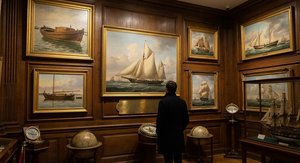
Navigating Symbolism & Style: A Comprehensive Exploration of Boats in Art History
Explore the rich history of boats in art! From ancient symbolism to Impressionist masterpieces & modern visions, discover renowned artists & collecting tips at TopImpressionists.
Avastage teoseid, mis on koondatud teemade, stiilide ja omaduste kaupa.
