

Näidatud: · koos raamiga:
 Eelvaade

 Saada
 Jaga
 Teave teose kohta
 Teosest infokaart


 Laadi alla
 Sarnased teosed
 Röntgenuuring
 Slaidietendus
 KÜSIMUSED JA VASTUSID

 Statistika
The Elements (Albert Joseph Moore, 1866)


Lentekadmed ja fine art trükised alates €45 suuruses 24 x 41 cm
Käsinmaalitud õlireproduktsioon alates €247
- Tasuta rahvusvaheline tarne 3–4 nädalaga
- Rullitud trükised – täisteenus 3–4 nädalat
- 100 päeva tagasimaksumise õigus ja raha tagastamine
- ArtShopReviews.com-is 241 kliendi arvamus: 4.9/5
€ 69
Giclée / Kunstiprint
Muuseumikvaliteediga giclée- või kangasprint kiire tootmisega ja paindlikud viimistlusvõimalused. ( Impressionistlik õlimaal Osta digitaalne koopia
)
Tehnika ja materjal
 Loe lähemalt
Meie soodsam trükk: sama pilt trükkituna 260 g/m² polüesterlõendile puuvillase lõendile asemel, tarnituna rullitudna torus tavapostiga 3–4 nädala jooksul. Ainult rullitudna (ilma pingekraamiga ja raamita) ning ilma kiirtootluseta, suurustele, kus vähemalt üks külg on 80 cm või väiksem. Umbes 30% soodsam kui puuvillane lõendtrükk.
See suurus ei ole saadaval: vähemalt üks külg peab olema 80 cm või väiksem.
Vain rullituna: vali see trükis, et tellida lõend rullitud tüübis.
Saadaval suurustes, kus mõlemad pooled on 110 cm või väiksemad. Suuremate suuruste puhul trükatakse print matt-puuvillasse linale.
Matte arhivaalkangas ei ole selle suuruse jaoks saadaval: mõlemad pooled peavad olema 110 cm või väiksemad. Teie trükis on selle asemel kasutatud matte puuvillakangast.
Klaasivalik on saadaval ainult kuni 110 cm suuruses teostes
Suurus
·Vali meie eelmääratud suurused, mis vastavad teose algupärastele proportsioonidele.
Suuruste laadimine...

laius
kõrgus
Sisestage vajalik laius ja kõrgus, et see sobiks teie raamile või seinale. Trükki saab ainult lõigata, seda ei saa kunagi pildist suuremaks teha, seega ka erineva mustega suurus kaotab osa pildist. Enne trükkimist saadame teile kinnitamiseks digitaalse näidisprojektsiooni. Sellel lehel näidatud pilt ei kujuta reaalset lõiget — seda näitab ainult näidisprojektsioon.
Standardne suurus
kohandatud
CM
TOLLID
Lõpuleviimine
·
Valge serv €1

häguse servaga lõppviimistlus €1

Laiendatud €1

P118B €10

P118H €10

P118W €10

P438Z €10

P508JH €12

P508YH €12

P805H €10

P805Z €10

P919BZ €10

P919G €10

P919XJ €10

P959ZH €10

P968JZ €12

W106C €8

W218G €10

W218JH €8

W218Y €10

W307PJ €10

W316G €10

W316PJ €8

W316Y €10

W398PJ €8

W4111J €10

W500HY €15

W500JH €15

W692G €12

W849H €8

W940BG €15

W953PJ €8
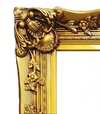
H24-GOLD €30
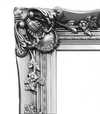
H24-SILVER €30
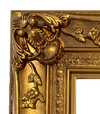
H36-GOLD €70
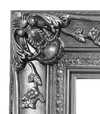
H36-SILVER €70
Saadetakse kaitsetorus, et te võiksite selle ise raamida.
Üle 105 cm suurust raami saadetakse komplektina professionaalse raamija jaoks — lugeege lisainfot.
Lisateenused
valikulineMida lisad sisaldavad?
Ülemaailmne tarne () 2 nädala jooksul, tavalise 4/5 nädala asemel. (27 detsember)
Economy poly-canvas trükis saadetakse tavapäervise postiga, mistõttu ei ole võimalik kasutada kiirtoodangut ega ekspress-kullerit.
Kaitsevärnitsus
Nimesildikiri
Graveeritud pronksplaadi üksikasjad
Sellel elegantsel tahvel on kunstniku nimi ja teose pealkiri, mis on peenelt graveeritud ajatuks esituseks.
Valmistatud pronksist peene ja elegantse viimistlusega. Tekst on täpne lasergraveeritud, tagades terava ja püsiva tulemuse. Mõõdubega 9x2 cm on plaak kompaktne, kuid kergesti loetav. See on vastupidav ja kriimustuskindel, pakkudes professionaalset muuseumikvalidadusega välimust. Paigaldamine on lihtne tänu kaasasolevale kleeppinnale.
Läbipaistva akrüülplaadi üksikasjad
Plaadil on säilitatud olulised graveeritud üks detailid, nagu kunstniku nimi, teose pealkiri, loomise aasta, kasutatud materjal (nt õli lærvarõnal või akvarell), teose lühike kirjeldus ning QR-kood, mis viib teose täieliku infoga.
See on valmistatud läbipaistvast akrülist, pakkudes sleekset ja modernset välimust. Tekst on graveeritud mustaga UV-meetodil, et tagada selge visuaalne kontrast. 10x15 cm suuruse tänu on tekst hästi loetav. Plaat on varustatud kahe metallise rippimiskuga turvaliseks seinale monteerimiseks. Plaat on ilmastikukindel, mistõttu on see sobiv erinevates keskkondades kasutada, ning sisaldab interaktiivseid funktsioone, mis töötavad sujuvalt nutitelefoniga skanneerimisel.
Musta akrüülplaadi üksikasjad
See elegantne plaat sisaldab graveeritud teavet, nagu kunstniku nimi, teose pealkiri, loomisaasta, kasutatud materjal (nt õli lærvarõnal või akvarell), teose lühike kirjeldus ja QR-kood kiireks juurdepääsuks lisateadetele.
Plaat on valmistatud kvaliteetsest mustast akrülist peene lõppviimistlusega. Tekst on lasergraveeritud valges toonis, et tagada kõrge kontrast ja loetavus. Plaat on mõõdukult 10x15 cm suurusega, et tekst oleks kergesti loetav. Komplektis on kaks metallist rippimiskuga professionaalneks paigaldamiseks. Disain on elegantne ja sobib igasugja stiiliga interjööri. Plaat on ilmastikukindel ja vastupidav ning sisaldab integreeritud digitaalset funktsiooni mobiililendli koosolekuks.
Klaasivalik on saadaval ainult kuni 110 cm suuruses teostes
 Klaasivalik on saadaval ainult kuni 110 cm suuruses teostes
- Tasuta rahvusvaheline tarne 3–4 nädalaga
- Kõrgekvaliteediline lina-kangas
- Täielik transpordikindlustus
- Tollimaksude tagastamise garantii
- Värvitoime täpsuse garantii
- 100 päeva tagasimaksumise õigus ja raha tagastamine
- 100% raha tagasi garantii
- Hulgusoodustus


The Elements: Albert Joseph Moore ja Aestheticism hetk
Four figures in flowing robes gather around a smoking cauldron in this serene, neo-classical scene rendered in rich earthy tones.
Albert Joseph Moore: biograafia
Avastage Albert Joseph Moore'i (1841-1893) eteerilisi maale, kes oli estraatilise suunuse juhtiv kunstnik. Tuntud uimastavate naisfiguuride, uusklassikaliste draperiate ja floralsete motiivide poolest. Avastage tema pärand!
Teose info
The Elements by Albert Joseph Moore
In this 1866 work, The Elements by Albert Joseph Moore unfolds as a quiet, ritualistic gathering. Four figures sit in a balanced square around a central cauldron, their presence steady and calm. Wisps of smoke rise from the vessel, drifting into a background that feels like aged, textured plaster. The scene carries a sense of mystery, as if we are witnessing a private moment of alchemy or ancient ceremony. The figures are draped in flowing robes, their graceful poses suggesting a deep, contemplative stillness.
Albert Joseph Moore, born in York, United Kingdom, on September 4, 1841, brings a distinct sense of harmony to this composition. The figures appear almost flat against their backdrop, emphasizing a decorative quality that prioritizes pattern and form. Earthy tones of ochre, beige, and terracotta dominate the space, while small accents of blue and gold catch the eye. This palette creates a muted, serene atmosphere that wraps around the central subject.
The lighting remains soft and diffused, casting no harsh shadows across the scene. Instead, a gentle glow illuminates the smooth skin of the figures and the curvilinear lines of their drapery. There is a profound sense of unity in the way the characters are arranged, creating a world that feels both structured and organic. This work reflects the artist's ability to capture a sense of tranquil, symbolic existence through carefully rendered forms.
Composition and Visual Elements
Four figures sit in a steady square formation, encircling a central cauldron that anchors the entire scene. This arrangement creates a sense of profound balance and symmetry, drawing the eye inward toward the heart of the gathering. The figures are draped in flowing robes that ripple with soft, curvilinear lines, their graceful poses lending a sense of quietude to the ritual. Each face remains serene and contemplative, lost in a moment of stillness as wisps of smoke rise from the vessel below. The background offers a textured surface, reminiscent of aged plaster, which keeps the focus firmly on the figures and their harmonious arrangement.
The color palette breathes with warmth, dominated by earthy tones of ochre, beige, and terracotta. These grounded hues provide a stable foundation for the more luminous accents of blue and gold that dance across the composition. These touches of color add a layer of richness to the muted landscape, catching the light amidst the soft, diffused glow that permeates the space. The shallow perspective keeps the figures close to the surface, emphasizing the decorative quality of the scene and the rhythmic interplay of their forms.
Style and Artistic Technique
The canvas breathes with the precision of an academic style, where every stroke of oil paint works to honor classical themes and intricate decorative patterns. There is a profound sense of order in the way the forms are rendered, as if the artist sought to capture a moment of eternal stillness. The drapery flows around the figures with a careful, deliberate touch, tracing the contours of the body through layers of pigment that suggest both weight and lightness. It is a scene where the physical world meets a stylized, rhythmic grace.
Softness governs the visual language here. Lines do not cut sharply through the space; instead, they curve and wander in a gentle, flowing motion. These curvilinear shapes dominate the composition, mirroring the organic rhythms of the human form and the swirling wisps of smoke rising from the central cauldron. The edges of the figures and the textures of the background blend with a quiet harmony, avoiding any jarring angles that might disrupt the serenity of the arrangement. The surface itself carries a tactile quality, reminiscent of aged plaster, which grounds the ethereal subject matter in a sense of antiquity.
Related Works by the Artist
The artist's hand moves through various themes, often returning to the grace of the human form. In 1863, the canvas captures the weight of Elijah's Sacrifice, a work that carries the influence of Ford Madox Brown and Edward Armitage. This piece emerges from a period where the artist begins to find a specific, neo-classical voice. Nearby in time, the year 1865 brings us to The Marble Seat, a work that begins a long series of purely decorative compositions. These early explorations set the stage for a career defined by a search for harmony in pose and color.
As the years pass, the imagery shifts and matures. Around 1866, the notes of A Musician drift through the studio, capturing a different kind of rhythm. The artist continues to refine this aesthetic, moving toward the more elaborate and painstaking compositions of later years. By 1883, the vision settles into the forms seen in Kingcups, where the focus remains on the delicate balance of the figure and the surrounding space. Each work reflects a persistent devotion to the Hellenic spirit and the subtle textures of drapery.
Korduvad küsimused
Kas teose The Elements reproduktsioon on käsitsi maalitud või trükitud?
Trükis: teos The Elements on reprodukteeritud giclée-trükkina puuvillasel lærvarõkal või Epson'i arhivipaberil.
Millise suuruse teose The Elements jaoks valida?
Suurused on vahemikus 24.3 x 41.1 cm (€45) kuni 143.8 x 243.2 cm (€313); sellel lehel olev tabel on toodud peamised sammud ja nende hinnad.
Kui kaua kohalelymine aega võtab?
Torus lahtisena olev trükiseeritud pilt saabub tasuta tavapostiga 3–4 nädalaga; pingitud või raamiga pildid saabuvad 4–5 nädalaga. Express-kulleriga kohaletoimetamine on võimalik vaid tasulise Express-tarne valiku korral. Toote võib tagastada 100 päeva jooksul täies summaga tagasitelemiseks ilma igasuguste tingimusteta.
Millist materjali Albert Joseph Moore teoseks The Elements kasutas?
Oil On Canvas
Kiirinfo ja kunstiviktoriin
Info Albert Joseph Moore kohta

Albert Joseph Moore
1841 - 1893, Suurbritannia
Teel Albert Joseph Moore: elu, teosed ja biograafia
Kiirinfo Albert Joseph Moore kohta
- Artistic Movement Or Style: Esteetiline suundumus
- Artists Who Influenced This Artist:
- Ruskin
- Ford Madox Brown
- Edward Armitage
- Date Of Birth: 4. september 1841
- Date Of Death: 25. september 1893
- Full Name: Albert Joseph Moore
- Nationality: Briti
- Notable Artworks:
- The Marble Seat
- Elijah's Sacrifice
- The Loves of The Seasons
- Place Of Birth: York, Ühendkuningriik

Albert Joseph Moore
The Elements
() ·
koos raamiga: ·
Kõikianese summa