

 Eelvaade
 Saada
Saada Jaga
Jaga
 Teave teose kohta
 Juhend

 Laadi alla
 Sarnased teosed
 Röntgenuuring
 Slaidietendus
 KÜSIMUSED JA VASTUSID
 Statistika
Job

- 59.0 x 173.0 cm


An enchanting Art Nouveau masterpiece featuring a mysterious woman with flowing hair by Alphonse Mucha, capturing the elegance of 1896 through intricate details and symbolic beauty for your private collection.
 Loe lähemalt
Avastage Alphonse Mucha (1860-1939), Art Nouveau meistri loomingut! Imelised plakatid, kaunid naised ja monumentaalne 'Slav Epic'. Tšehhi kunstilegend.
Giclée / Kunstiprint
Muuseumikvaliteediga giclée- või kangasprint kiire tootmisega ja paindlikud viimistlusvõimalused. ( Osta käsitsi maalatud teos Lülita digitaalse pildi juurde)




P118B €10

P118H €10

P118W €10

P438Z €10

P508JH €12

P508YH €12

P805H €10

P805Z €10

P919BZ €10

P919G €10

P919XJ €10

P959ZH €10

P968JZ €12

W106C €8

W218G €10

W218JH €8

W218Y €10

W307PJ €10

W316G €10

W316PJ €8

W316Y €10

W398PJ €8

W4111J €10

W500HY €15

W500JH €15

W692G €12

W849H €8

W940BG €15

W953PJ €8




Standardne suurus
kohandatud
CM
INCH
Vali meie eelmääratud suurused, mis vastavad teose algupärastele proportsioonidele.
Loading sizes...

laius
kõrgus
Sisestage vajalik laius ja kõrgus, et see sobiks teie raamile või seinale. Trükki saab ainult lõigata, seda ei saa kunagi pildist suuremaks teha, seega ka erineva mustega suurus kaotab osa pildist. Enne trükkimist saadame teile kinnitamiseks digitaalse näidisprojektsiooni. Sellel lehel näidatud pilt ei kujuta reaalset lõiget — seda näitab ainult näidisprojektsioon.
Ülemaailmne tarne () 2 nädala jooksul, tavalise 4/5 nädala asemel. (10 november)

Tasuta ekspresssaatmine üle maailma

Kõrgekvaliteediline lina-kangas

Täielik transpordikindlustus

Tollimaksude tagastamise garantii

Värvitoime täpsuse garantii

100 päeva tagastusõigus (ainult valmistusdefektide korral)

100% raha tagasi garantii

Hulgusoodustus
 Klaasivalik on saadaval ainult kuni 110 cm suuruses teostes

Job
Giclée / Kunstiprint
Reproduktsiooni suurus
-


Koguhind
€ 62
An Icon of Art Nouveau Elegance
In the golden twilight of the nineteenth century, few artists captured the ethereal essence of modernity quite like Alphonse Mucha. His 1896 masterpiece, Job, serves as a breathtaking window into the heart of the Art Nouveau movement, offering much more than a mere portrait. The painting presents a captivating central figure—a woman of profound grace, her long, flowing tresses cascading around her like silken waves. As she holds a cigarette with an air of quiet confidence, her gaze meets the viewer’s with an intensity that is both mysterious and inviting. This single, provocative gesture of smoking, quite daring for a female subject in 1896, imbues the work with a sense of burgeoning independence and a subtle rebellion against the rigid social structures of the era.
The composition is a masterclass in the sinuous, organic lines that define Mucha’s signature style. Every element of the piece feels interconnected, as if the very air around the subject is alive with decorative energy. A delicate necklace rests upon her elegant attire, adding a touch of refined luxury, while the background breathes with life through the presence of two birds, positioned symmetrically to balance the visual weight of the frame. These natural motifs are not merely decorative; they are essential components of the Art Nouveu vocabulary, bridging the gap between the human form and the rhythmic beauty of the natural world.
Symbolism and the Spirit of an Era
Beyond its surface beauty, Job is a tapestry of symbolic depth. The interplay between the woman’s poised demeanor and the delicate flora and fauna surrounding her suggests a harmony between civilization and nature. For the discerning collector or interior designer, this painting offers a profound emotional resonance. It captures a moment of transition—a period where the old world was yielding to the new, and where the boundaries of femininity were being subtly redrawn. The intricate details, from the way the light catches her flowing robes to the delicate rendering of the birds, invite the eye to linger, discovering new layers of meaning with every glance.
To possess a reproduction of such a significant work is to bring a piece of history into the contemporary space. Whether placed in a grand salon or a curated study, the painting acts as a focal point of sophistication. It does not merely decorate a wall; it commands the room, offering an atmosphere of nostalgic romance and intellectual intrigue. For those seeking to inspire guests or create a sanctuary of beauty, Mucha’s Job provides an unparalleled sense of timelessness, blending the ornate splendor of the past with a spirit of liberation that remains strikingly modern.
Korduvad küsimused
Kas ma saan teost „Job“, autor Alphonse Mucha enne tellimist eelvaatata?
Teose „Job“, autor Alphonse Mucha eelvaade on saadaval teose Eelvaade lehel.
Millist emotsiooni edastab Art Nouveau suunaga teos "Job"?
"Job" kannab endas Mysterious emotsionaalset toonist, mis on omane Art Nouveau suunale.
Milline värv on teoses "Job" kõige silmapaistvam?
Teose "Job" kõige silmapaistvam värv on Espresso (#5b3229). Dominantne värv on kasulik teose sobitamisel interjööriga.
Kunstniku elulugu
Varajane Elu ja Haridus
Alphonse Maria Mucha sündis 15. juulil 1860. aastal Ivanačices, Moravas (praeguse Tšehhi Vabariigi osa). Juba varasest east avaldas ta kunstilisi andeid ning tema perekond toetas tema kirge joonistamise vastu. Ta alustas õpinguid Praha Kunstiakadeemias, kuid jäi traditsiooniliste lähenemisviiside suhtes pettunud. 1887. aastal otsustas Mucha Pariisi kolida, et leida omaenda stiili ja väljendusvõimalusi. See oli pöördelise tähtsusega samm tema kunstnikukarjääris, mis viis ta Art Nouveau liikumise südamesse. Ta töötas alguses illustraatorina ja tegi ka graafilisi töid, et end majanduslikult kindlustada, kuid otsis pidevalt võimalusi oma unikaalse visiooni realiseerimiseks.Kunstiline Stiil ja Tähtteosed
Mucha on tuntud oma eripärase Art Nouveau stiili poolest, mida iseloomustavad voolujoonelised kujundid, orgaanilised vormid ja liikumise tunne. Tema loomingus domineerivad kaunilt stiliseeritud nafiguurid, lilled ja keerukad ornamentaalmustrid. Ta sai inspiratsiooni kunstnikelt nagu Pierre-Auguste Renoir ja Gustave Moreau, kuid arendas välja omaenda äratuntava keele.- Tähtteosed:
- Slavonic Uprising – Näitab traditsiooniliste Tšehhi motiivide sulandumist kaasaegse Art Nouveau stiiliga.
- Salon des Cent – Illustreerib Mucha oskust luua elegantsi ja graatsiat täis kompositsioone.
- Maalid, mis on inspireeritud Gustave Moreau teostest nagu The Daughters of Tespio ning Piero Dorazio töödest nagu La Ribambelle des Gobelins.
- Illustratsioonid, mis põhinevad Sir Hubert von Herkomeri maalil Young Farmers Breaking Flax.
- Mucha kujutas sageli idealiseeritud naisi voolavates rõivastes, ümbritsetud lopsakate lilledega. Tema teosed kiirgavad romantikat ja sensuaalsust.
Karjääri Tipphetked ja Olulised Tellimused
Mucha karjäär tõusis kiiresti esile 1890ndatel, eriti tänu tema koostööle kuulsa näitleja Sarah Bernhardtiga. Ta lõi Bernhardt jaoks mitmeid reklaamipostreid, sealhulgas legendaarse Gismonda (1894) posteri, mis muutis ta üleöö tuntuks.- Sarah Bernhardti Koostöö: Mucha kujundas Sarah Bernhardtile postreid ja lavakujundusi, alustades Gismonda (1894) posteriga, mis andis tema karjäärile hoogu.
- Universaalnäitus Pariisis (1900): Tema Art Nouveau stiil pälvis rahvusvahelist tunnustust sellel näitusel. Ta kaunistas Bosnia ja Hertsegoviina paviljoni ning tegi koostööd Austria paviljoniga.
- Charles Richard Crane Patroonlus: Charles Richard Crane’i toetus võimaldas Muchal luua monumentaalse sarja The Slav Epic (1912-30).
- Tšehhoslovakkia Vabariigi Järgsed Tellimused: Ta kujundas postmarke, rahatähti ja valitsusdokumente äsjavabanenud Tšehhoslovakkias.
Mõjud ja Pärand
Mucha loomingut mõjutasid nii Tšehhi kunstitraditsioonid kui ka kaasaegsed Euroopa kunstiliikumised. Tema unikaalne stiil rajas tee tulevaste põlvkondade kunstnikele Art Nouveau’s ja Secessionismis.- Ta inspireeris teisi kunstnikke nagu Eva Prokopcová.
- Mucha pärand ulatub tema kunstiteostest kaugemale, mõjutades disaini ja esteetikat tänapäevani. Tema looming on jätkuvalt populaarne ning seda kasutatakse laialdaselt kaasaegses reklaamis ja kujunduses.
Hilised Eluaastad ja Surm
Mucha abiellus 1906. aastal Maruska (Marie/Maria) Chytilovága. Nad külastasid Ameerika Ühendriike aastatel 1906-1910, kus sündis nende tütar Jaroslava. Mucha suri 14. juulil 1939. aastal Prahas, Tšehhoslovakkias. Tema looming on jätnud kustumatu jälje kunstiajalukku ning tema teosed inspireerivad ja lumavad publikut tänapäevani. Ta oli oma aja üks olulisemaid Art Nouveau esindajaid, kelle stiililine keelepärane väljendusviis on muutunud ikooniliseks.
Alphonse Mucha
1860 - 1939 , Tšehhi Vabariik
Lühikest infot
- Artistic Movement Or Style: Art Nouveau
- Artists Or Movements Influenced By This Artist: ['Eva Prokopcová']
- Artists Who Influenced This Artist:
- Renoir
- Moreau
- Date Of Birth: 15. juuli 1860
- Date Of Death: 1939
- Full Name: Alphonse Maria Mucha
- Nationality: Tšehhi
- Notable Artworks:
- Slavonic Uprising
- Salon des Cent
- Place Of Birth: Brno, Tšehhi
Sarnased artiklid

Art Nouveau: The Elegant Fusion of Nature and Design – A Journey Through Organic Sophistication
Discover the exquisite world of Art Nouveau. Explore the elegant fusion of nature and design through architectural masterpieces, organic forms, and the legendary masters of the Belle Époque. Immerse yourself in a journey of timeless sophistication and ornamental beauty.
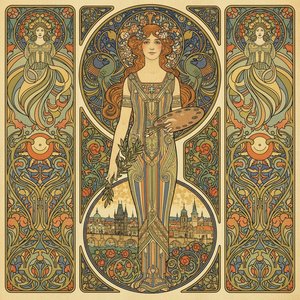
Alphonse Mucha: A Comprehensive Exploration of Art Nouveau's Master of Decorative Symbolism
Explore the life & art of Alphonse Mucha, master of Art Nouveau! Discover his iconic posters, stunning illustrations, and the monumental Slav Epic. A comprehensive guide for collectors & enthusiasts.

Timeless Elegance: A Curated Guide to the Flowing Beauty of Art Nouveau Masterpieces
Discover the enchanting world of Art Nouveau. Explore the flowing lines of Alphonse Mucha and learn how to integrate these timeless, organic masterpieces into your collection with expert guidance on fine art appreciation and preservation.

The Flowing Line & Flourishing Form: Exploring Art Nouveau's Aesthetic Legacy
Explore the captivating world of Art Nouveau! Discover its origins, key artists like Horta & Mucha, regional styles, innovative techniques, and lasting influence on architecture & design. A comprehensive guide for art enthusiasts.

Art Nouveau Klassika: 10 Meisterteost Sisekujunduse Inspiratsiooniks
Sukeldu Art Nouveau maailma! Avasta 10 ikoonilist meistriteost – Klimt, Mucha jt – ja nende ajatu ilu. Loe kunstnike lugusid ning saa inspiratsiooni sisekujunduseks. Kvaliteetsed kunsti reproduktsioonid TopImpressionists.com-ilt! Uuri kogu kollektsiooni veebis.