

 Eelvaade
 Saada
Saada Jaga
Jaga
 Teave teose kohta
 Juhend

 Laadi alla
 Sarnased teosed
 Röntgenuuring
 Slaidietendus
 KÜSIMUSED JA VASTUSID
 Statistika
Charing Cross Bridge

- 81.0 x 100.0 cm


Experience André Derain’s iconic Fauvist masterpiece, ‘Charing Cross Bridge,’ a vibrant sunset scene bursting with bold colors and energetic brushstrokes from 1906 – perfect for art lovers!
 Loe lähemalt
André Derain (1880-1954): Fauvismi võtmeinimene, tuntud julgete värvide ja väljendusliku stiili poolest. Avastage tema ikoonilised Londoni maalid ja evolutsioon klassitsismi suunas.
Giclée / Kunstiprint
Muuseumikvaliteediga giclée- või kangasprint kiire tootmisega ja paindlikud viimistlusvõimalused. ( Osta käsitsi maalatud teos Lülita digitaalse pildi juurde)




P118B €10

P118H €10

P118W €10

P438Z €10

P508JH €12

P508YH €12

P805H €10

P805Z €10

P919BZ €10

P919G €10

P919XJ €10

P959ZH €10

P968JZ €12

W106C €8

W218G €10

W218JH €8

W218Y €10

W307PJ €10

W316G €10

W316PJ €8

W316Y €10

W398PJ €8

W4111J €10

W500HY €15

W500JH €15

W692G €12

W849H €8

W940BG €15

W953PJ €8




Standardne suurus
kohandatud
CM
INCH
Vali meie eelmääratud suurused, mis vastavad teose algupärastele proportsioonidele.
Loading sizes...

laius
kõrgus
Sisestage vajalik laius ja kõrgus, et see sobiks teie raamile või seinale. Trükki saab ainult lõigata, seda ei saa kunagi pildist suuremaks teha, seega ka erineva mustega suurus kaotab osa pildist. Enne trükkimist saadame teile kinnitamiseks digitaalse näidisprojektsiooni. Sellel lehel näidatud pilt ei kujuta reaalset lõiget — seda näitab ainult näidisprojektsioon.
Ülemaailmne tarne () 2 nädala jooksul, tavalise 4/5 nädala asemel. (9 november)

Tasuta ekspresssaatmine üle maailma

Kõrgekvaliteediline lina-kangas

Täielik transpordikindlustus

Tollimaksude tagastamise garantii

Värvitoime täpsuse garantii

100 päeva tagastusõigus (ainult valmistusdefektide korral)

100% raha tagasi garantii

Hulgusoodustus
 Klaasivalik on saadaval ainult kuni 110 cm suuruses teostes

Charing Cross Bridge
Giclée / Kunstiprint
Reproduktsiooni suurus
-


Koguhind
€ 62
André Derain’s ‘Charing Cross Bridge’: A Fauvist Masterpiece of Sunset Emotion
- In 1906, André Derain gifted the world “Charing Cross Bridge,” a painting that immediately announced the arrival of Fauvism and continues to captivate with its raw emotional power. Measuring 81 x 100 cm, this oil on canvas isn’t merely a depiction of a London bridge; it's an intensely felt experience of a sunset – a moment suspended in vibrant color and restless energy. Derain, a key figure in the movement alongside Matisse, sought to liberate color from its descriptive role, using it instead as a vehicle for pure emotion. The result is a painting that vibrates with life, demanding attention and refusing easy interpretation.
- The scene itself – a bridge spanning a body of water under a dramatic sunset – provides a classic compositional framework. However, Derain’s genius lies in his utterly unrestrained application of color. The sky explodes with oranges, reds, and yellows, not as a realistic representation of the setting sun, but as an expression of its intensity. These hues aren't blended; they are applied in bold, separate strokes, creating a shimmering, almost hallucinatory effect. This technique, central to Fauvist practice, prioritized visual impact over photographic accuracy.
A Window into the Fauvist Revolution
“Charing Cross Bridge” is inextricably linked to the broader context of early 20th-century art. The Fauvist movement, emerging in France around 1905, represented a radical departure from Impressionism and Post-Impressionism. Artists like Derain, Matisse, and Maurice de Wilde rejected traditional color harmonies and sought to create paintings that were purely subjective and emotionally charged. This was a time of immense social and technological change, and the Fauvist’s bold experimentation reflected a desire to break free from established conventions.
The painting's influence extends beyond its immediate aesthetic impact. It paved the way for subsequent movements like Expressionism, demonstrating the power of color to convey psychological states and subjective experiences. Derain's work is now housed in prestigious collections such as the Musée d’Orsay in Paris and the National Gallery of Art in Washington D.C., solidifying its place within art history.
Decoding the Composition and Technique
- The foreground features two boats, rendered with equally vibrant brushstrokes, adding a sense of movement and scale to the scene. A solitary figure stands near the center, perhaps contemplating the spectacle or engaged in his work – an element that subtly invites the viewer into the painting’s emotional core. The bridge itself isn't depicted with meticulous detail; instead, it serves as a structural anchor, emphasizing the overall dynamism of the composition.
- Derain’s technique is characterized by thick impasto—the paint applied in heavy layers—which further enhances the textural quality of the work and contributes to its intense visual impact. The loose, energetic brushstrokes are instantly recognizable as hallmarks of Fauvist style. The artist's deliberate avoidance of blending creates a sense of immediacy and raw emotion.
Symbolism and Emotional Resonance
Beyond its formal qualities, “Charing Cross Bridge” resonates with deeper symbolic meanings. The sunset, a recurring motif in art history, often represents the end of a cycle or the transition to a new phase. The bridge itself can be interpreted as a symbol of connection – connecting different parts of London, but also perhaps representing the connections between individuals and their environment.
Ultimately, “Charing Cross Bridge” is a painting that speaks to our primal emotions—our awe at the beauty of nature, our sense of wonder at the power of light, and our yearning for connection. It’s a testament to Derain's ability to translate these feelings into a powerfully expressive work of art.
Korduvad küsimused
Millist tehnikat ja stiili iseloomustavad teos „Charing Cross Bridge“, autor André Derain?
„Charing Cross Bridge“, autor André Derain ühendab endas Oil On Canvas tehnikat ja Fauvism stiili. Tehnika ja suundumus kirjeldavad teose valmistusviisi ja esteetikat.
Mis on teose „Charing Cross Bridge“, autor André Derain orientatsioon?
Teose „Charing Cross Bridge“, autor André Derain vorm on Landscape. See vorm kirjeldab kompositsiooni proportsioone.
Kas saan teose "Charing Cross Bridge" näha täiskuunil slideshowina?
Teost „Charing Cross Bridge“, autor André Derain saab vaadata diapositena teose Pildikava lehel.
Sarnased teosed


Kunstniku elulugu
Varajane Elu ja Fauvismi Algus
André Derain sündis 1880. aastal võluvõitu Chatou külas Pariisi lähedal, mitte kohe kunstimaailma sügavatesse värvide ja lõuendite maailma. Vastupidiselt mõnele narratiivile, mis viitab vahetule kunstilisele ärkamisele kohtumiste kaudu maalijatega nagu Vlaminck või Matisse, alustas Derain oma kunstireisi iseseisvalt umbes 1895. aastal. Need varajased uurimised toimusid sageli isa Jacomini ja tema poegade seltskonnas maameeskonnaseikluste käigus – vormiv kogemus, mis andis sügava hindamise loodusmaailmale. Ta õppis lühikest aega inseneri eriala Académie Camillos 1898. aastal, kus ta saatuslikult kohtus Henri Matisse’iga, algatades olulise kunstiliste partnerluse. Täiendavad uuringud Eugène Carrière'i juhendamisel lihvisid tema põhialused oskused, kuid sõjaväeteenistus aastatel 1901–1904 katkestas ajutiselt tema kasvava karjääri. Pärast naasmist ja Matisse’i vankumatu usu veenmisel loobus Derain otsustavalt inseneritööst ja pühendas end täielikult maalimisele, jätkates õpinguid Académie Julianis. See pühendumine tähistas pöördepunkti, suunates ta teele, et saada üheks kaasaegse kunsti revolutsioonilisema liikumise keskfiguuriks.Värviline Plahvatus: Fauvism
Suvi 1905 osutus Derainile ja Matisse’ile plahvatavaks hetkeks, kui nad koostööd tegid päikeseküllases Collioure'i rannakülas. See periood tõi ilmale töid nagu “Mountains at Collioure”, mida iseloomustas radikaalne lahkumine representatiivsest värvist. Maastikud ei olnud pelgalt kohtade kujutised; need olid tunnete väljendus, milleks renderdati intensiivselt elavate, mitterepresentatiivsete toonidega. Kui nende tööd eksponeeriti samal aastal Salon d'Automne’il, põhjustas see viha ja üllatust. Kriitik Louis Vauxcelles nimetas neid kuulsalt “Les Fauves” – metsikud loomad –, nimi, mis oli algselt mõeldud halvustavaks, kuid mille kunstnikud lõpuks omaks võtsid. Deraini panus selle liikumisse ei olnud pelgalt stilistiline; tal oli ainulaadne võime tõlkida emotsionaalset intensiivsust puhtaks värviks. 1906. aastal tellis Ambroise Vollard temalt Londoni maalide seeria, mille tulemuseks olid silmatorkavad lõuendid Tamse ja Tower Bridge’ist. Need ei olnud tavalised linnavaated; need olid julged interpretatsioonid, mis tabasid Londoni energiat ja atmosfääri ebatraditsioonilisest vaatenurgast – tunnistus Deraini uuenduslikust visioonist. Van Goghi ja Cézanne’i mõjul nihutas ta värvi ja vormi piire, luues aluse tulevaste ekspressionistlike maalikunstnike põlvkondadele.Fauvismist Eemale: Nihe Esteetikas
Fauvismi algne hoog ei määratlenud Deraini kogu kunstilist teekonda. Umbes 1907. aastal hakkas tema stiil olulist evolutsiooni läbi käia, liikudes piiramatust kromaatilisest elavusest summutatud toonide ja suurenenud vormi rõhu suunas. Seda perioodi, mida sageli nimetatakse tema “gooti” faasiks (1911–1914), peegeldas kasvav huvi struktuuri ja kompositsiooni vastu. Ta süvendas end vanade meistrite uurimisse, lisades Cubismi elemente, otsides samal ajal inspiratsiooni klassikalistest vormidest. See ei olnud varemise töö tagasilükkamine, vaid pigem tema kunstiliste sõnavara laiendamine. Deraini mitmekülgsus ulatus maalimisest kaugemale; 1919. aastal kujundas ta balleti “La Boutique Fantasque” Sergei Djaghilevi Ballets Russes’i jaoks, demonstreerides oma andekust teatrikujunduse alal ja näidates veelgi tema mitmekülgseid talente. Olulised tööd sellel perioodil, nagu "Harlequin ja Pierrot" ning monumentaalne fresko "Ulyssese tagasitulek", on näiteks see stilistiline nihe – liikumine kontrollitumate ja intellektuaalselt rangemate lähenemiste suunas kunstitegemisele.Pärand ja Komplikatsioonid
André Deraini koht kaasaegse kunsti ajaloos on kindel kui Fauvismi kaasasutajat, liikumist, mis muutis pöördumatult kaasaegse maalikunsti kulgu. Tema ainulaadne Londoni visioon, tabatud tema elavates lõuendites, pakkus värske perspektiivi ikoonikule linnale. Pärast Esimest maailmasõda sai ta uuesti tunnustust oma panuse eest klassitsismi taaselustamisse, demonstreerides oma kohanemisvõimet ja püsivat kunstilist tähtsust. Deraini hilisemat elu iseloomustasid aga vaidlused. Tema viibimine Saksamaal Teise maailmasõja ajal tõi kaasa kriitikat, mis viis pärast sõda mõne endise toetaja hüljeks võtmiseni. Vaatamata sellele varjule jääb tema mõju järgnevatele kunstnike põlvkondadele muutumatuks. Ta suri 1954. aastal, jättes maha tööde kogu, mis jätkab lummanud ja inspireerimist. Tema pärand ei seisne lihtsalt julgetes värvides ja väljendusrikka pintslikäigus, vaid ka kunstnikus, kes väljakutse esitas pidevalt endale, uuris uusi väljendusviise ja jättis kustumatu jälje kaasaegse kunsti maastikule. Ta on tunnistuseks kunstilise uuenduse jõust ja keerukusest, mis kaasneb kiiresti muutuvas maailmas navigeerimisega. Deraini teekond meenutab meile, et tõeline kunstiline meisterlikkus ei seisne ühe stiili järgimises, vaid pidevas loovuse otsingus.
André Derain
1880 - 1954 , Prantsusmaa
Lühikest infot
- Artistic Movement Or Style: Fauvism, Kubism
- Artists Or Movements Influenced By This Artist:
- Matisse
- Kubism
- Artists Who Influenced This Artist:
- Van Gogh
- Cézanne
- Date Of Birth: 10. juuni 1880
- Date Of Death: 8. september 1954
- Full Name: André Derain
- Nationality: Prantslane
- Notable Artworks:
- Mountains at Collioure
- Harlequin and Pierrot
- The Cup of Tea
- London Paintings
- Place Of Birth: Chatou, Prantsusmaa
Sarnased artiklid

Fauvism's Boldest Visions: 10 Masterpieces That Revolutionized Modern Art | TopImpressionists
Explore 10 Fauvist masterpieces by Matisse, Derain & Vlaminck that ignited Modern Art! Discover bold colors, expressionist landscapes & the history of this revolutionary movement. Find museum-quality prints at TopImpressionists.com.
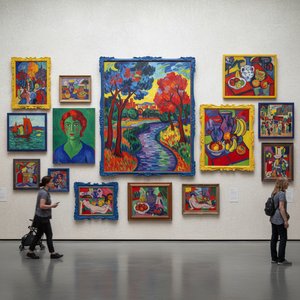
Fauvism'i 10 Meisterteost: Kunst, Värvid ja Sisekujunduse Inspiratsioon
Sukeldu fauvismi maailma! Avasta 10 meistriteost, mis defineerisid värviküllust ja ekspressionismi. Henri Matisse'i, André Deraini jt kunstnike teosed – kunstireproduktsioonid TopImpressionists.com-ist. Leia inspiratsioon interjööriks ja kaunista kodu! Uuri kogu kollektsiooni veebis.

André Derain: Fauvism's Bold Visionary & the Evolution of Modern Color
Explore the revolutionary art of André Derain, co-founder of Fauvism. Discover his bold use of color, evolution from radical expressionism to classicism, and lasting influence on modern art history. Learn more at TopImpressionists.

Bold Strokes & Powerful Visions: 10 Artworks That Command Attention | TopImpressionists
Experience art's raw power! Explore 10 iconic paintings – Van Gogh, Kahlo & more – that define 'bold'. Discover the stories behind these expressive masterpieces and find museum-quality reproductions for your home at TopImpressionists.com.

Golden Hours: Sunset Motifs in Western Art History
Explore the captivating history of sunset motifs in Western art! Discover iconic paintings by Monet, Van Gogh & Kuindzhi. Learn about Romanticism, Impressionism & collecting these timeless masterpieces. Expert insights at TopImpressionists.
Avastage teoseid, mis on koondatud teemade, stiilide ja omaduste kaupa.

